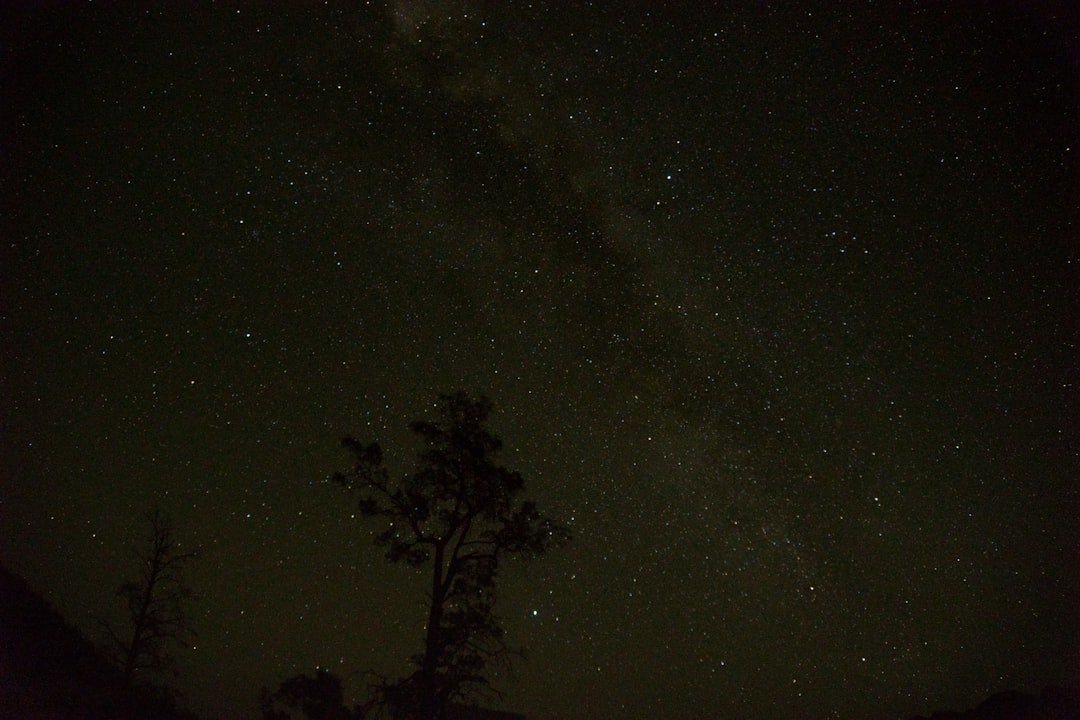
Alabama has several excellent places to enjoy darker skies, bright constellations, meteor showers, and quiet nights outdoors. The best options are usually rural state parks, national forests, preserves, and event-based viewing spots where you can get away from city glare. Before you go, check official hours, gate rules, weather, and moon phase so your trip is safe and worth the drive.
Quick Answer
Some of the best dark sky sites in Alabama for stargazing include Cheaha State Park, Bankhead National Forest and Sipsey Wilderness, Little River Canyon National Preserve, and select organized night events at preserves or astronomy clubs. Always verify access because not every scenic location is open after dark.
Key Takeaways
- Alabama has strong practical stargazing spots, but “dark sky site” does not always mean an officially certified International Dark Sky Place.
- Cheaha State Park and Bankhead National Forest are among the strongest choices because of elevation, rural setting, camping access, and distance from major city lights.
- Plan around a new moon, clear weather, and lower humidity for the best chance of seeing faint stars and the Milky Way.
- Some beautiful places, including wildlife refuges and land trust preserves, may close at dusk or require an organized event for after-hours access.
- Use red lights, keep headlights low when safe, pack layers, and follow Leave No Trace principles to protect both wildlife and other stargazers.
At a Glance
| Time Required | 2–4 hours for a simple viewing session; overnight if camping or photographing the Milky Way |
| Difficulty | Easy to moderate, depending on driving distance, trail access, and nighttime conditions |
| Tools Needed | Red flashlight, warm layers, reclining chair or blanket, binoculars, star app or chart, water, snacks, and offline map |
| Cost | Often free to low-cost, but state park admission, camping fees, permits, or guided night-tour fees may apply |
What Counts as a Dark Sky Site in Alabama?
A dark sky site is a place where artificial light is low enough to see more stars than you would in a city or bright suburb. Some places around the world are officially certified through DarkSky International, formerly the International Dark-Sky Association. Certification is a formal process tied to lighting policies, public education, and long-term stewardship.
Note: In this guide, “dark sky sites in Alabama” means practical low-light locations for stargazing. Always check the current DarkSky International places list if you specifically need an officially certified International Dark Sky Place.
Best Dark Sky Sites in Alabama
Cheaha State Park
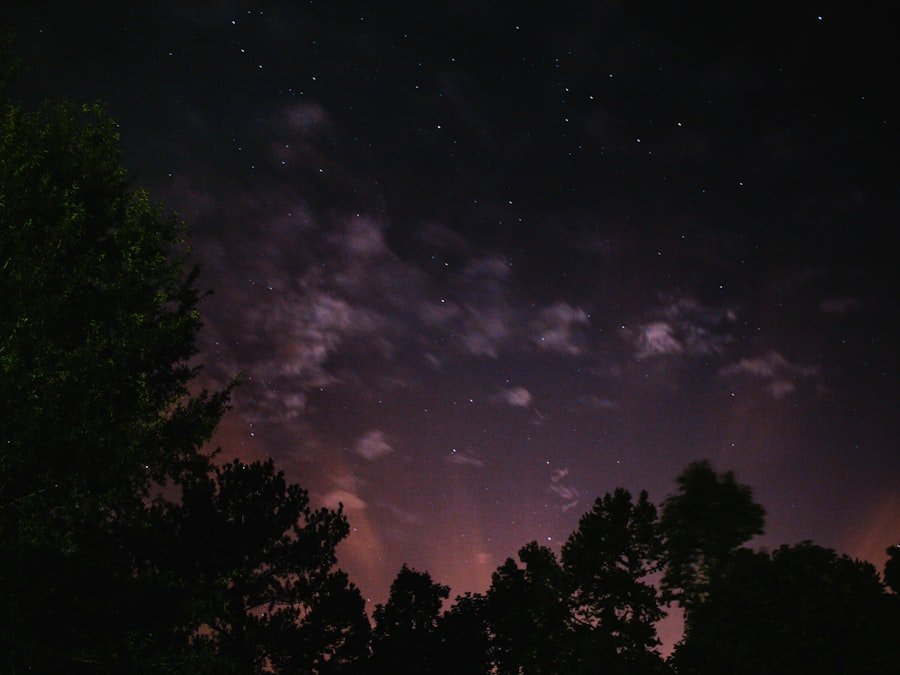
Cheaha State Park is one of Alabama’s strongest stargazing choices because it sits on Cheaha Mountain, Alabama’s highest point at 2,407 feet. The elevation, overlooks, camping options, and surrounding Talladega National Forest make it a good place to plan a night-sky trip.
For the easiest experience, book an overnight stay or campsite rather than trying to rush in and out after sunset. Use open overlooks only where nighttime access is allowed, and check the park’s current gate, store, camping, and event information before leaving home.
Bankhead National Forest and Sipsey Wilderness
Bankhead National Forest is a strong rural option in northwestern Alabama. Its forested setting, recreation areas, and distance from larger cities can make the sky darker than many developed areas.
The Sipsey Wilderness area inside Bankhead is especially appealing for experienced campers who want solitude. The tradeoff is that wilderness areas require more preparation. Bring an offline map, know the rules, avoid oversized groups, and do not assume cell service will be available.
Little River Canyon National Preserve
Little River Canyon National Preserve near Fort Payne offers canyon rims, overlooks, forested uplands, and a scenic setting on Lookout Mountain. It can be a rewarding place to pair sunset viewing with night-sky watching, but visitors should be careful around overlooks and confirm current access rules before planning any after-dark stop.
Dismals Canyon
Dismals Canyon is best known for guided night tours to see Dismalites, not for wide-open Milky Way viewing. The official Dismals Canyon night-tour guidance explains that the canyon is not lit at night and that visitors need portable illumination while entering and exiting the canyon.
Choose Dismals Canyon when you want a unique after-dark nature experience. Choose a more open park, overlook, or campground when your main goal is astronomy or astrophotography.
Wheeler National Wildlife Refuge
Wheeler National Wildlife Refuge in Decatur is primarily a wildlife refuge, not a guaranteed all-night stargazing site. It can be valuable for twilight nature viewing, winter birding, and occasional public programs, but the visitor center, grounds, blinds, and observation areas may have posted hours that limit nighttime access.
Use Wheeler as an event-based or early-evening option unless the refuge specifically announces after-hours programming.
Land Trust of North Alabama Preserves
Land Trust of North Alabama preserves can be scenic, but they are not automatically open for casual nighttime stargazing. The organization states that its public nature preserves are generally open from dawn to dusk, with site-specific exceptions. Check the Land Trust of North Alabama preserve rules and event calendar before planning any after-dark visit.
Best Time to Go Stargazing in Alabama
The best nights are usually clear, dry, and close to a new moon. NASA explains that the lunar cycle repeats about every 29.5 days, moving through new moon, crescent, quarter, gibbous, and full moon phases. For faint stars, meteor showers, and Milky Way viewing, use NASA’s moon phase information to avoid bright moonlight.
- New moon: Best for faint stars, the Milky Way, and deep-sky photography.
- Fall and winter: Often clearer and less humid, but colder at night.
- Spring and summer: Better for Milky Way core viewing, but humidity, insects, and storms can be a challenge.
- Meteor showers: Perseids in August and Geminids in December can be excellent when the moon and weather cooperate.
- Moon viewing: A full moon is beautiful, but it washes out faint stars. Pick a different night if your goal is the darkest sky.
Pro Tip: Give your eyes 20–30 minutes to adjust to darkness. A red flashlight helps preserve night vision much better than a bright white light.
Dark Sky Sites in Alabama: Planning Table
| Site | Location | Best For | Access Note | Recommended Gear |
|---|---|---|---|---|
| Cheaha State Park | Delta / Cheaha Mountain | Overlooks, camping, beginner stargazing, night photography | Check park admission, gate rules, camping availability, and current hours | Red flashlight, binoculars, chair, warm layers, star chart |
| Bankhead National Forest / Sipsey Wilderness | Northwestern Alabama | Remote camping, darker rural skies, solitude | Know wilderness restrictions, parking areas, maps, and current forest alerts | Offline map, headlamp with red mode, extra batteries, water, first-aid kit |
| Little River Canyon National Preserve | Fort Payne / Lookout Mountain | Sunset, scenic overlooks, occasional skywatching | Use extreme caution near overlooks and confirm after-dark access | Red light, sturdy shoes, jacket, binoculars, phone with offline map |
| Dismals Canyon | Phil Campbell area | Guided Dismalite night tours and after-dark nature | Not a general open-sky astronomy site; tours require current reservations/rules | Flashlight, optional red filter, sturdy footwear, insect protection |
| Wheeler National Wildlife Refuge | Decatur | Twilight wildlife viewing, winter birding, public programs | Check refuge hours and only attend after-hours access when officially allowed | Binoculars, warm clothing, low-light camera, quiet footwear |
| Land Trust of North Alabama Preserves | Huntsville / North Alabama | Organized night hikes or special events | Most public preserves are dawn-to-dusk; use only approved events for night access | Event-required gear, red light, closed-toe shoes, water |
What to Bring for Stargazing in Alabama
- Red flashlight or headlamp: Protects night vision and reduces glare for other visitors.
- Binoculars: A simple 7×50 or 10×50 pair can reveal star clusters, craters on the Moon, and bright deep-sky objects.
- Chair or blanket: Looking up for long periods is easier when you can recline.
- Warm layers: Mountain and forest sites can feel much cooler after midnight.
- Offline map: Do not rely on cell coverage in remote forest or canyon areas.
- Water and snacks: Many rural sites have limited services after dark.
- Camera and tripod: Useful for Milky Way or meteor photography.
- Insect protection: Especially important in warmer months and near water.
Warning: Never enter closed trails, locked gates, overlooks, wildlife refuges, or private land after hours. Night conditions make cliffs, roots, wildlife, storms, and traffic harder to see. Check official rules before you go, and let someone know your plan if you are visiting a remote area.
Stargazing Etiquette and Light Pollution Tips
Good stargazing depends on darkness. The National Park Service explains that light pollution brightens the sky, reduces contrast, and can keep the human eye from fully adapting to the dark. Responsible outdoor lighting protects both sky views and nocturnal wildlife.
- Use red lights instead of bright white lights when possible.
- Point lights down, not toward people, tents, or telescopes.
- Dim vehicle interior lights before arriving at a viewing area.
- Do not use flash photography around other stargazers.
- Keep noise low, especially in campgrounds and wildlife areas.
- Pack out trash and leave the site cleaner than you found it.
The darker the site and the lower the glare, the more your eyes can adapt — and the more stars you can see without any special equipment.
Activities and Events at Alabama Dark Sky Sites
Stargazing does not have to be complicated. Many people start by learning a few bright constellations, watching the Moon through binoculars, or timing a visit around a meteor shower. More experienced visitors may bring telescopes, star trackers, or cameras for long-exposure photography.
For a more guided experience, look for astronomy club star parties, state park programs, naturalist-led night hikes, and special events at public lands. Event-based visits are especially useful at places that are not normally open after dark.
Conservation Efforts to Protect Night Skies in Alabama
Protecting dark skies starts with better lighting. DarkSky International promotes responsible outdoor lighting that is useful, targeted, low-level, controlled, and warm-colored when possible. Homeowners, parks, businesses, and communities can all help by shielding fixtures, reducing unnecessary brightness, and turning off lights that are not needed.
In Alabama, practical dark-sky preservation can happen through park education programs, local astronomy clubs, responsible campground lighting, and community awareness. Even small changes, such as replacing upward-facing fixtures with shielded lights, can make stargazing better while also reducing glare and energy waste.
The Impact of Light Pollution on Stargazing and Wildlife
Light pollution does more than hide stars. Artificial light can change how people experience the night, reduce visibility of faint celestial objects, and affect nocturnal wildlife behavior. In urban areas, only the brightest stars and planets may be easy to see. At darker rural sites, the sky opens up with more constellations, star clusters, meteors, and sometimes the Milky Way.
This is why dark-sky tourism works best when visitors respect the land. A dark site can quickly lose its value if parking areas, cabins, roads, or nearby developments add excessive glare.
Future of Dark Sky Tourism in Alabama
Alabama has strong potential for dark-sky tourism because it combines forests, mountains, canyons, wildlife refuges, campgrounds, and active outdoor communities. The best path forward is honest promotion: highlight good stargazing locations, avoid claiming official certification unless it exists, and encourage visitors to follow access rules.
As more travelers look for quiet outdoor experiences, Alabama parks, forests, astronomy clubs, and local communities can benefit from well-managed night-sky programs. The goal should be simple: help people enjoy the stars while keeping natural nightscapes dark, safe, and respectful for future visitors.
Frequently Asked Questions
What are dark sky sites in Alabama?
Dark sky sites in Alabama are places where artificial light is low enough for better stargazing than you would get in a city or bright suburb. Some are parks, forests, preserves, campgrounds, or event locations. Not all are officially certified DarkSky International places.
Are there official International Dark Sky Places in Alabama?
Always check the current DarkSky International places list for the latest certification status. Alabama has good practical stargazing locations, but a “dark sky site” in a travel guide does not automatically mean it is officially certified.
What is the best place to stargaze in Alabama?
Cheaha State Park and Bankhead National Forest are two of the best starting points for many visitors because they combine rural settings with outdoor recreation. The best choice depends on where you are driving from, whether you want camping, and whether nighttime access is allowed.
Can you see the Milky Way in Alabama?
Yes, it can be possible from darker rural areas when the sky is clear, humidity is lower, and the Moon is not bright. For the best chance, plan around a new moon and look away from nearby city light domes.
Do I need a telescope for stargazing?
No. Many of the best sights, including constellations, meteors, bright planets, and the Milky Way under dark skies, can be enjoyed with your eyes alone. Binoculars are a great first upgrade because they are portable and easy to use.
Is Dismals Canyon good for stargazing?
Dismals Canyon is better known for guided Dismalite night tours than open-sky astronomy. Visit it for a unique dark nature experience, but choose a more open park, overlook, or campground if your main goal is viewing stars or photographing the Milky Way.
How can I find dark sky events in Alabama?
Check Alabama State Parks event pages, local astronomy clubs, university planetariums, land trust calendars, and official park social media pages. Events are the safest way to visit places that normally close at dusk.
Sources
- DarkSky International — International Dark Sky Places — certification context and responsible dark-sky stewardship.
- Alabama State Parks — Cheaha State Park — official park information for Cheaha State Park.
- USDA Forest Service — Bankhead National Forest — official forest location and recreation details.
- National Park Service — Little River Canyon National Preserve — official preserve information and safety context.
- U.S. Fish & Wildlife Service — Wheeler National Wildlife Refuge — official refuge information and operating-hour context.
- Dismals Canyon — Dismalite Night Tour Information — official guidance for night tours and flashlight use.