Alabama is a hidden gem for nature enthusiasts, particularly for those who revel in the beauty of wildflowers. The state boasts a diverse range of ecosystems, from the Appalachian foothills to the coastal plains, each offering unique opportunities to witness stunning floral displays. One of the most celebrated locations for wildflower hikes is the Cheaha State Park, home to the highest point in Alabama.
The park features numerous trails that wind through lush forests and open meadows, where hikers can encounter a vibrant array of wildflowers, including the striking purple coneflower and delicate trillium. The scenic vistas from the park’s peaks provide a breathtaking backdrop for those seeking to immerse themselves in nature’s beauty. Another prime destination is the Bankhead National Forest, which encompasses over 180,000 acres of diverse habitats.
The forest is renowned for its rich biodiversity, and its trails, such as the Sipsey Wilderness Trail, offer an excellent opportunity to see wildflowers in their natural settings. Here, hikers can find an impressive variety of species, including the rare and endangered Alabama snow-wreath. The combination of towering trees, cascading streams, and colorful blooms creates an enchanting atmosphere that invites exploration and appreciation of Alabama’s natural heritage.
Key Takeaways
- Alabama offers some of the best wildflower hikes, with stunning displays of native blooms.
- The best time to find wildflowers in Alabama is in the spring, with prime locations including Bankhead National Forest and Cheaha State Park.
- Tips for enjoying Alabama’s wildflower hikes include staying on designated trails, respecting the natural environment, and bringing along a field guide for identification.
- Look out for beautiful wildflowers such as the Alabama Azalea, the Cahaba Lily, and the Pink Lady’s Slipper while hiking in Alabama.
- Protecting and preserving Alabama’s wildflower habitats is crucial, and hikers can help by staying on trails, avoiding picking flowers, and supporting conservation efforts.
When and Where to Find Wildflowers in Alabama
Timing is crucial when it comes to experiencing Alabama’s wildflower season. Typically, the best time to witness these floral displays is during the spring months, particularly from March through May. During this period, a wide variety of wildflowers bloom, creating a tapestry of colors across the landscape.
Early spring often brings the first blooms, such as the cheerful daffodils and vibrant redbuds, while late spring showcases a more extensive array of species, including the iconic bluebells and dogwoods. In terms of specific locations, Alabama’s state parks and national forests are prime spots for wildflower viewing. The Little River Canyon National Preserve is another excellent choice, where visitors can explore trails that meander along the canyon’s rim and down to its floor.
The preserve is home to a plethora of wildflower species that thrive in its unique microclimates.
Tips for Enjoying Alabama’s Wildflower Hikes
To make the most of your wildflower hiking experience in Alabama, preparation is key. First and foremost, it’s essential to wear appropriate footwear and clothing suited for hiking. Trails can vary significantly in difficulty and terrain, so sturdy hiking boots will provide the necessary support and traction.
Additionally, dressing in layers can help you adapt to changing weather conditions throughout the day. Another important tip is to carry a field guide or use a mobile app dedicated to plant identification. This can enhance your experience by allowing you to identify various wildflower species as you encounter them along the trail.
Engaging with nature through identification not only deepens your appreciation for the flora but also enriches your understanding of Alabama’s ecological diversity. Furthermore, consider bringing along a journal to document your observations or sketch the flowers you find particularly captivating.
The Most Beautiful Wildflowers to Look for in Alabama
| Wildflower | Scientific Name | Blooming Season |
|---|---|---|
| Carolina Lily | Lilium michauxii | June – July |
| Alabama Azalea | Rhododendron alabamense | April – May |
| Butterfly Weed | Asclepias tuberosa | May – August |
| Indian Pink | Spigelia marilandica | May – June |
Alabama’s wildflower diversity is truly remarkable, with many species showcasing stunning colors and unique characteristics. One of the most iconic flowers found in Alabama is the yellow jessamine (Gelsemium sempervirens), which blooms in early spring with its bright yellow trumpet-shaped flowers. This perennial vine often climbs trees and fences, creating a striking visual display against the backdrop of green foliage.
Another notable species is the Indian paintbrush (Castilleja coccinea), known for its vibrant red and orange hues that resemble a painter’s brush dipped in color. This wildflower thrives in open fields and along roadsides, making it a common sight during spring hikes. Additionally, the delicate bluebell (Mertensia virginica) adds a touch of serenity with its soft blue flowers that bloom in clusters along shaded trails and riverbanks.
Each of these wildflowers contributes to Alabama’s rich tapestry of natural beauty and offers hikers a chance to connect with the state’s unique flora.
Protecting and Preserving Alabama’s Wildflower Habitats
As more people discover Alabama’s wildflower hikes, it becomes increasingly important to protect these natural habitats from potential threats such as urban development, invasive species, and climate change. Conservation efforts are essential to ensure that future generations can enjoy the same breathtaking displays of wildflowers that current hikers experience. Organizations like the Alabama Wildflower Society work tirelessly to promote awareness about native plants and their ecological significance.
One effective way to contribute to conservation efforts is by practicing Leave No Trace principles while hiking. This includes staying on designated trails to minimize soil erosion and prevent damage to delicate plant communities. Additionally, hikers should refrain from picking wildflowers or disturbing their habitats, as this can have detrimental effects on local ecosystems.
By respecting these guidelines, outdoor enthusiasts can help preserve Alabama’s wildflower habitats for years to come.
How to Photograph Alabama’s Wildflowers
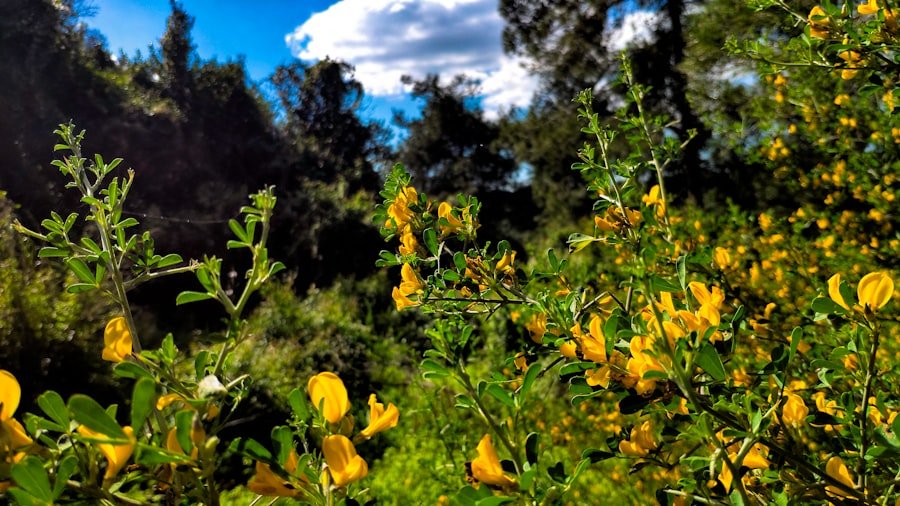
Capturing the beauty of Alabama’s wildflowers through photography can be a rewarding experience that allows you to share your adventures with others. To achieve stunning images, consider using natural light to your advantage; early morning or late afternoon provides soft lighting that enhances colors and reduces harsh shadows. Experimenting with different angles can also yield unique perspectives; getting down low to the ground or shooting from above can create dynamic compositions that highlight the flowers’ intricate details.
When photographing wildflowers, it’s essential to be mindful of your surroundings and avoid trampling on other plants or disturbing wildlife. Using a macro lens can help you capture close-up shots that reveal the delicate textures and patterns of individual blooms. Additionally, incorporating elements of the landscape—such as trees or water features—into your compositions can provide context and depth to your photographs.
By combining technical skills with an appreciation for nature, you can create beautiful images that celebrate Alabama’s wildflower diversity.
Connecting with Nature on Alabama’s Wildflower Hikes
Hiking through Alabama’s wildflower-rich landscapes offers more than just visual beauty; it provides an opportunity for deep connection with nature. As you traverse winding trails adorned with colorful blooms, take time to engage your senses fully. Listen to the gentle rustle of leaves in the breeze or the cheerful songs of birds flitting among the branches.
The sights and sounds of nature can evoke feelings of tranquility and mindfulness, allowing you to escape from the hustle and bustle of daily life. Moreover, connecting with nature can foster a sense of stewardship for the environment. As you witness firsthand the delicate balance of ecosystems and the importance of preserving these habitats, you may feel inspired to advocate for conservation efforts within your community.
Whether through volunteering for local environmental organizations or simply sharing your experiences with friends and family, every action contributes to a greater awareness of our natural world.
Other Outdoor Activities to Enjoy in Alabama This Spring
In addition to hiking among wildflowers, Alabama offers a plethora of outdoor activities that allow visitors to embrace the beauty of springtime in the South. Kayaking or canoeing on one of Alabama’s many rivers—such as the Coosa or Cahaba—provides an exhilarating way to explore scenic waterways while enjoying views of blooming flora along the banks. These activities not only offer physical exercise but also present opportunities for wildlife observation; keep an eye out for herons, turtles, and other creatures that inhabit these vibrant ecosystems.
For those interested in cycling, Alabama features numerous bike trails that wind through picturesque landscapes dotted with wildflowers. The Chief Ladiga Trail is particularly popular among cyclists; this 33-mile-long trail runs from Piedmont to Anniston and showcases stunning views of rolling hills and fields bursting with color during springtime. Whether you’re hiking, paddling, or cycling, Alabama’s outdoor offerings provide endless opportunities for adventure and connection with nature during this vibrant season.
If you’re planning a wildflower hike in Alabama this spring, you might also be interested in exploring the delightful world of Asian melon. This unique fruit can be a refreshing treat after a day of hiking through Alabama’s beautiful landscapes. For more information on Asian melons and their benefits, check out this related article: