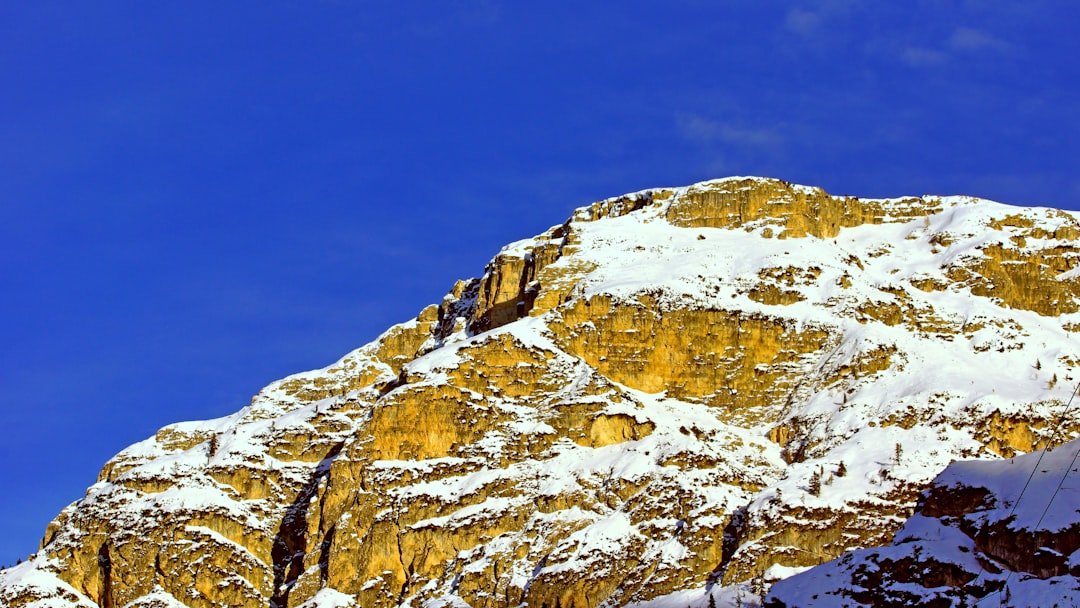
Nestled in the heart of the Swiss Alps, Jungfraujoch is often referred to as the “Top of Europe.” This breathtaking mountain pass, situated at an elevation of 3,454 meters (11,332 feet), serves as a gateway to some of the most stunning alpine scenery in the world. The region is renowned for its dramatic landscapes, featuring towering peaks, expansive glaciers, and a unique blend of natural beauty and adventure. The Jungfraujoch area is flanked by the iconic Eiger, Mönch, and Jungfrau mountains, which together create a majestic backdrop that attracts visitors from around the globe.
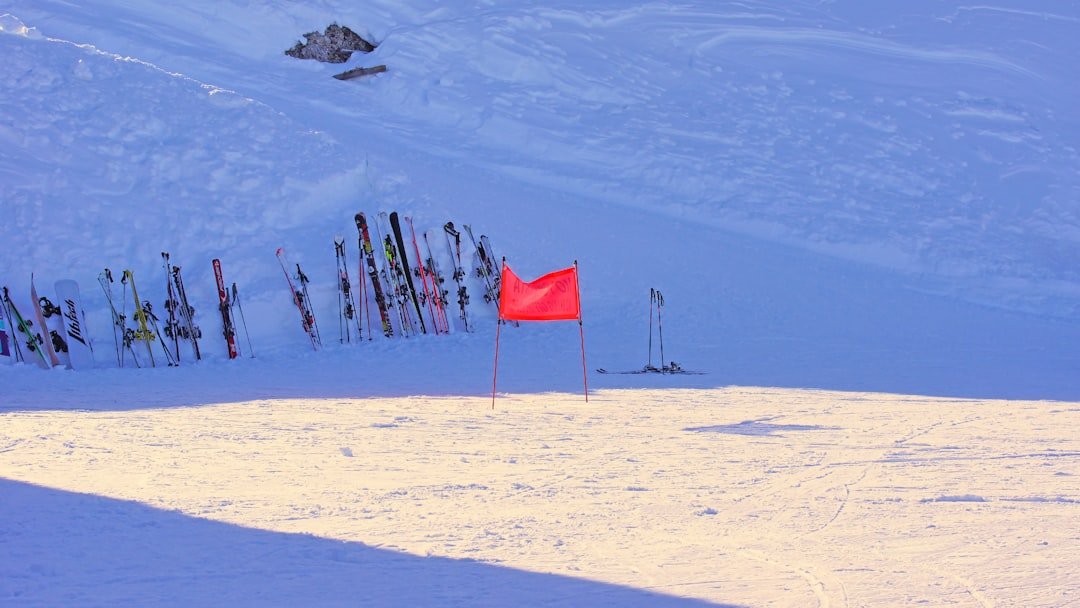
The allure of Jungfraujoch extends beyond its picturesque vistas; it is also a hub for various outdoor activities and cultural experiences. The Jungfrau region is part of the UNESCO World Heritage Site known as the Swiss Alps Jungfrau-Aletsch, recognized for its exceptional natural beauty and ecological significance. Visitors can explore the Aletsch Glacier, the longest glacier in the Alps, and engage in activities such as hiking, skiing, and snowboarding.
The combination of stunning scenery and diverse recreational opportunities makes Jungfraujoch a must-visit destination for nature lovers and adventure seekers alike.
Key Takeaways
- Jungfraujoch is a popular tourist destination in Switzerland, known as the “Top of Europe” for its stunning views and activities.
- Visitors can reach Jungfraujoch by taking a scenic train ride from Interlaken to Kleine Scheidegg, and then transferring to the Jungfrau Railway to reach the summit.
- At Jungfraujoch, visitors can enjoy activities such as visiting the Ice Palace, exploring the Sphinx Observatory, and taking in the panoramic views from the viewing platforms.
- The best time to visit Jungfraujoch is during the summer months, from June to September, when the weather is milder and the attractions are fully accessible.
- There are various accommodation options near Jungfraujoch, including hotels and chalets in the nearby towns of Grindelwald, Wengen, and Lauterbrunnen.
How to Get to Jungfraujoch
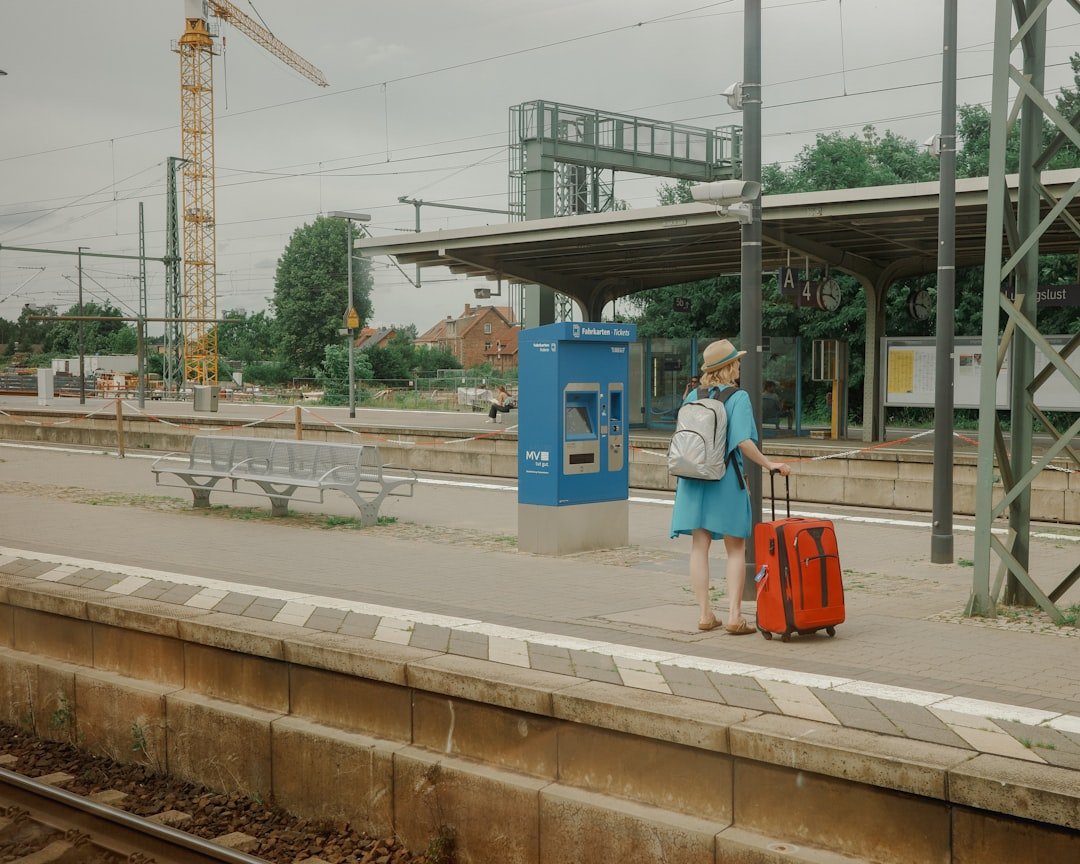
Reaching Jungfraujoch is an adventure in itself, as it involves a scenic journey through some of Switzerland’s most picturesque landscapes. The most common starting point for travelers is Interlaken, a charming town that serves as a gateway to the Jungfrau region.
The journey from Interlaken to Jungfraujoch takes approximately two hours and includes several transfers, but the breathtaking views along the way make every moment worthwhile. The cogwheel train ride from Kleine Scheidegg to Jungfraujoch is particularly memorable. As the train climbs higher into the mountains, passengers are treated to panoramic views of the surrounding peaks and valleys.
The train even passes through a tunnel that cuts through the Eiger mountain, offering glimpses of the dramatic rock face that has captivated climbers and adventurers for decades. Upon arrival at Jungfraujoch station, visitors are greeted by a stunning alpine landscape that invites exploration and adventure.
Things to Do at Jungfraujoch
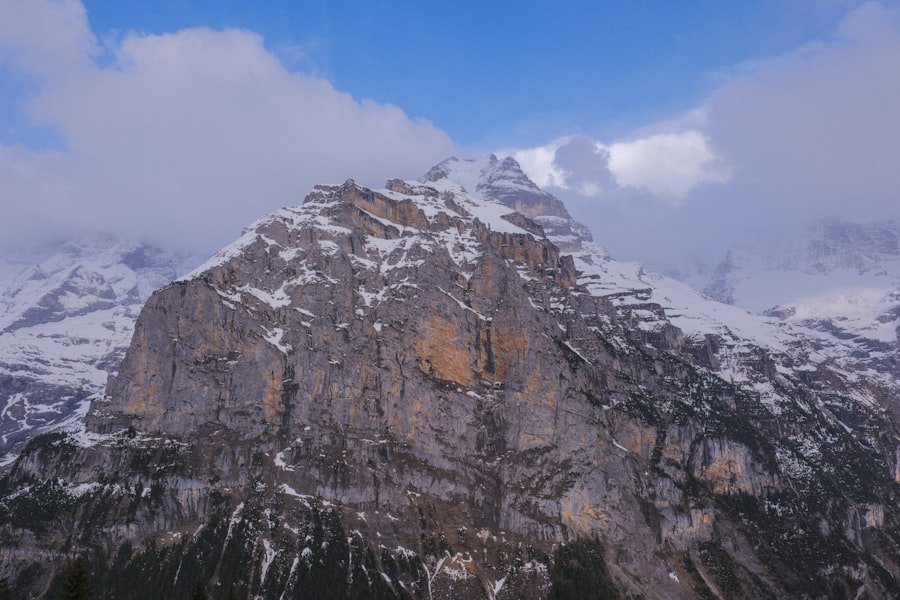
Once at Jungfraujoch, visitors are presented with a plethora of activities that cater to various interests and skill levels. One of the most popular attractions is the Aletsch Glacier, where guests can take guided glacier hikes or simply enjoy the breathtaking views from designated observation platforms. The glacier itself is a UNESCO World Heritage site and is an awe-inspiring sight, with its vast expanse of ice stretching over 23 kilometers (14 miles).
For those seeking a more leisurely experience, there are numerous walking trails that provide access to stunning viewpoints without requiring extensive hiking skills. Another highlight at Jungfraujoch is the Ice Palace, an enchanting underground world carved entirely from ice. Visitors can wander through intricately sculpted ice tunnels and admire stunning ice sculptures that depict various themes related to the alpine environment.
The Ice Palace offers a unique opportunity to experience the beauty of ice up close and provides an excellent backdrop for memorable photographs. Additionally, the Sphinx Observatory, located just a short walk from the main station, offers an observation deck that provides unparalleled views of the surrounding peaks and valleys.
Best Time to Visit Jungfraujoch
| Month | Temperature (°C) | Precipitation (mm) | Crowds |
|---|---|---|---|
| January | -7 | 40 | Low |
| April | -3 | 60 | Medium |
| July | 2 | 80 | High |
| October | -1 | 50 | Low |
The best time to visit Jungfraujoch largely depends on what activities travelers wish to engage in during their stay. The summer months, from June to September, are ideal for hiking and exploring the alpine flora and fauna. During this time, temperatures are milder, and many trails are accessible, allowing visitors to fully appreciate the stunning landscapes without the hindrance of snow.
However, summer also attracts larger crowds, so those seeking a quieter experience may prefer to visit during the shoulder seasons of late spring or early autumn. Winter months, particularly from December to March, transform Jungfraujoch into a winter wonderland. This period is perfect for skiing and snowboarding enthusiasts who flock to the region for its excellent slopes and powdery snow.
The winter landscape offers a different kind of beauty, with snow-covered peaks and glistening ice creating a magical atmosphere. However, visitors should be prepared for colder temperatures and potential weather-related challenges during this time.
Where to Stay Near Jungfraujoch
While there are no accommodations directly on Jungfraujoch itself due to its remote location and high altitude, there are several charming towns nearby that offer a range of lodging options. Interlaken is one of the most popular choices for travelers seeking convenience and accessibility. This vibrant town boasts numerous hotels, hostels, and guesthouses catering to various budgets.
Staying in Interlaken allows easy access to transportation links leading to Jungfraujoch while providing opportunities for exploring local attractions. Another excellent option is Grindelwald, a picturesque village nestled at the foot of the Eiger mountain. Grindelwald offers stunning views and a range of accommodations from luxury hotels to cozy chalets.
The village is also well-connected by public transport to Jungfraujoch and serves as a great base for outdoor activities such as hiking and skiing. Lauterbrunnen is another nearby option known for its stunning waterfalls and lush valleys; it provides a more tranquil atmosphere while still being conveniently located for day trips to Jungfraujoch.
Dining Options at Jungfraujoch
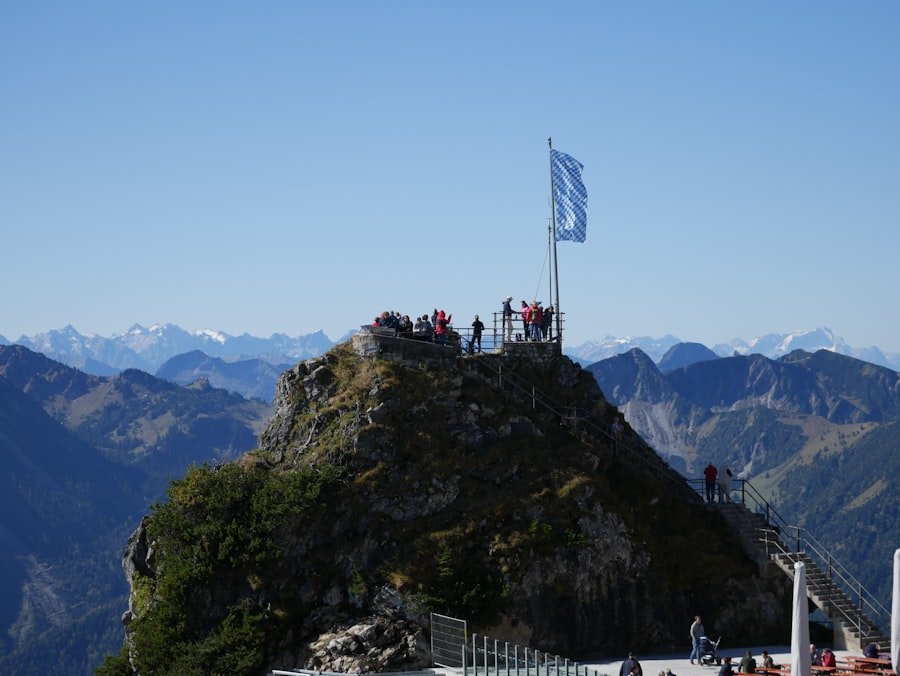
Dining at Jungfraujoch offers visitors a unique experience amidst breathtaking alpine scenery. The highest restaurant in Europe, the Restaurant Aletsch, provides an unforgettable dining experience with panoramic views of the surrounding mountains and glaciers. Guests can savor traditional Swiss cuisine while enjoying the stunning vistas from large windows that frame the majestic landscape outside.
The menu features local specialties such as fondue and raclette, allowing visitors to indulge in authentic Swiss flavors. For those looking for a quick bite or snack during their visit, there are several cafes and kiosks scattered throughout the area. These establishments offer lighter fare such as sandwiches, pastries, and hot beverages—perfect for refueling before embarking on further exploration.
Safety Tips for Visiting Jungfraujoch
Visiting Jungfraujoch requires some preparation to ensure safety while enjoying all that this stunning destination has to offer. One of the primary considerations is altitude sickness; at over 3,400 meters (11,000 feet), visitors may experience symptoms such as headaches or dizziness due to reduced oxygen levels. It is advisable for travelers to acclimatize gradually by spending time at lower altitudes before ascending to Jungfraujoch.
Staying hydrated and avoiding strenuous activities upon arrival can also help mitigate these effects. Weather conditions in mountainous regions can change rapidly; therefore, it is essential for visitors to check forecasts before their trip and dress accordingly. Layering clothing is recommended since temperatures can vary significantly between different elevations and times of day.
Additionally, sturdy footwear is crucial for those planning on hiking or walking on icy surfaces. Visitors should also be aware of their surroundings and follow marked trails to avoid getting lost or venturing into unsafe areas.
Additional Tips for Exploring Jungfraujoch
To make the most of a visit to Jungfraujoch, travelers should consider planning their itinerary in advance while remaining flexible enough to adapt based on weather conditions or personal preferences. Arriving early in the day can help avoid crowds at popular attractions like the Ice Palace or Sphinx Observatory. Additionally, purchasing tickets online in advance can save time and ensure entry during peak seasons.
For photography enthusiasts, bringing a camera with good low-light capabilities is advisable since lighting conditions can vary dramatically in mountainous environments. Early morning or late afternoon often provides softer light that enhances landscape photography. Lastly, engaging with local guides can enrich the experience; they offer valuable insights into the region’s history, geology, and ecology while ensuring safety during outdoor activities.
In summary, Jungfraujoch stands out as one of Switzerland’s most iconic destinations due to its breathtaking scenery and diverse range of activities available year-round. Whether visitors seek adventure on its slopes or tranquility amidst its glaciers, this alpine paradise promises unforgettable experiences that linger long after leaving its majestic heights.
If you’re planning a trip to Jungfraujoch, known as the “Top of Europe,” you might also be interested in exploring the culinary delights of the region. While the breathtaking views and thrilling activities at Jungfraujoch are a must-see, don’t miss out on the unique flavors that Switzerland has to offer. For a taste of something different, consider trying your hand at making some delicious homemade cottage cheese. This simple and healthy recipe can be a delightful addition to your travel-inspired culinary adventures. Check out this article on homemade cottage cheese for a step-by-step guide to creating this tasty treat.
FAQs
What is Jungfraujoch?
Jungfraujoch is a saddle in the Bernese Alps of Switzerland, connecting the peaks Jungfrau and Mönch. It is known as the “Top of Europe” and is a popular tourist destination.
How do I get to Jungfraujoch?
To reach Jungfraujoch, you can take a train from Interlaken to Kleine Scheidegg, and then transfer to the Jungfrau Railway which will take you to the summit.
What are the attractions at Jungfraujoch?
At Jungfraujoch, visitors can enjoy panoramic views of the surrounding mountains, visit the Ice Palace, and explore the Sphinx Observatory. There are also restaurants and shops at the summit.
What is the weather like at Jungfraujoch?
The weather at Jungfraujoch can be unpredictable, with temperatures often below freezing even in the summer. Visitors should be prepared for cold and windy conditions.
Are there any hiking trails at Jungfraujoch?
There are several hiking trails around Jungfraujoch, offering stunning views of the Alps. However, visitors should be aware of the high altitude and challenging terrain.
Is it necessary to book tickets in advance for Jungfraujoch?
It is recommended to book tickets in advance for the Jungfrau Railway, especially during peak tourist seasons, to secure a spot on the train and avoid long wait times.