Schynige Platte is one of the classic photography locations in Switzerland’s Bernese Oberland, combining close views of the Eiger, Mönch and Jungfrau with Lake Thun, Lake Brienz, alpine meadows and a historic cogwheel railway. At about 1,967 metres above sea level, it gives photographers several very different compositions within a relatively compact mountain area.
Quick Answer
For the best Schynige Platte photos, combine the Eiger, Mönch and Jungfrau panorama with foreground flowers, ridges or railway scenes. Morning and late-afternoon light are usually most flattering, but true sunrise photography normally requires an overnight stay. Check railway times, weather and mountain conditions before setting out.
Key Takeaways
- The most recognizable compositions feature the Eiger, Mönch and Jungfrau, while other viewpoints reveal Lake Thun, Lake Brienz, alpine meadows and surrounding ridges.
- Schynige Platte is normally a seasonal destination rather than a year-round railway excursion. For 2026, the published main season is June 13 through October 25.
- True sunrise photography is easiest if you stay overnight on the mountain because normal daytime railway services may begin after sunrise.
- A wide-angle lens is useful for landscapes, while a telephoto lens helps isolate peaks, wildlife and layers of distant mountains.
- Weather can change quickly at altitude, so check the forecast, webcam and operating information before travelling.
At a Glance
| Time Required | About half a day for the railway, main viewpoints and short walks; allow longer for the full panorama hike. |
| Difficulty | Easy around the station and Skywalk; more demanding if you follow mountain hiking routes. |
| Tools Needed | Camera or smartphone, charged batteries and lens cloth; optional wide-angle lens, telephoto lens, polarizer and compact tripod. |
| Cost | Photography has no separate general admission fee, but transport costs apply. Jungfrau Railways lists Schynige Platte railway tickets from CHF 34 in 2026; fares can vary by ticket type and discount. |
The Natural Beauty of Schynige Platte
Schynige Platte combines several landscapes in one photography trip. Close to the mountain station you can photograph alpine meadows and traditional railway scenes, while higher viewpoints open toward the Bernese Alps and the lakes around Interlaken.
The Botanical Alpine Garden Schynige Platte describes around 800 species of plants native to the Swiss Alps growing in natural plant communities. This makes the area particularly useful for photographers who want detailed flower photographs as well as broad mountain landscapes.
Flowering conditions are not identical from year to year. Temperature, snowmelt and other weather conditions affect what is blooming, so do not plan a trip around the assumption that a particular species will be at peak color on a fixed date.
The rocky ridges and mountain paths also create useful foregrounds. Instead of photographing only distant peaks, look for layers: flowers or rocks in the foreground, a ridge or meadow in the middle distance, and the Eiger, Mönch and Jungfrau behind them. This gives the photograph a stronger sense of scale.
Schynige Platte sits at about 1,967 metres and combines alpine flora, lake views and a direct panorama toward the Eiger, Mönch and Jungfrau.
Best Times for Photography at Schynige Platte
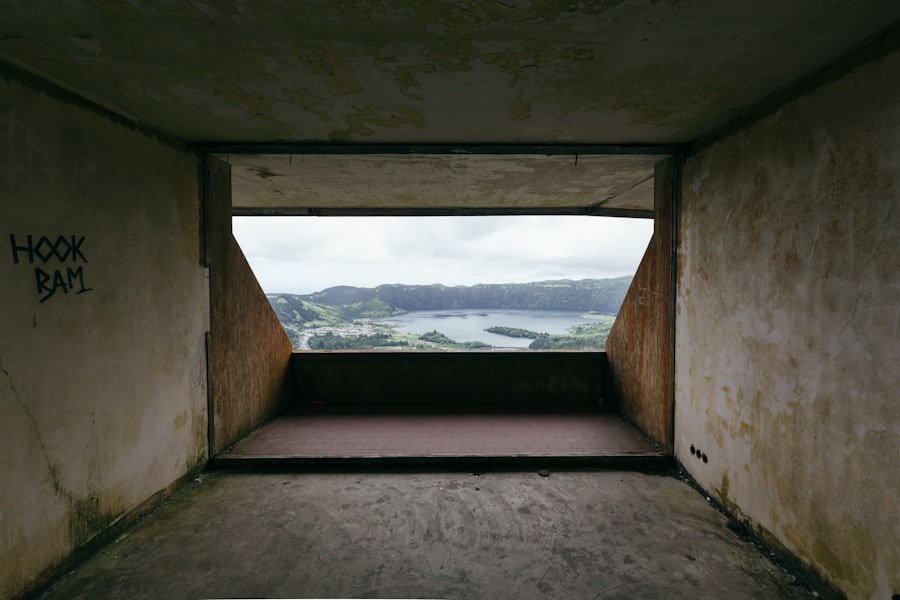
Early and late light usually produces more attractive mountain photographs than harsh midday sun. Lower-angle light gives ridges more texture, creates longer shadows and can add warmer tones to rock and grass.
There is an important access issue, however. Sunrise may occur before normal day visitors can reach Schynige Platte by railway. The mountain hotel specifically promotes sunrise and sunset experiences, so photographers who want genuine first-light conditions should consider an overnight stay rather than assuming the first morning train will arrive early enough.
Pro Tip: If you are visiting as a day-tripper, check the first uphill and last downhill trains before planning golden-hour photographs. For sunrise, an overnight stay on Schynige Platte is generally the more practical option.
Season also matters. For 2026, Jungfrau Railways lists the Schynige Platte season as June 13 to October 25. The Botanical Alpine Garden publishes the same 2026 opening period.
During the operating season, conditions continue to change. Early summer can combine lingering snow on high peaks with fresh vegetation. Summer brings dense green meadows and changing alpine flowers. By autumn, lower temperatures, clearer air on some days and changing vegetation can create a different color palette.
Warning: Do not treat Schynige Platte as a normal winter railway photography destination. The regular railway is seasonal. Snow, closed infrastructure and mountain conditions outside the operating period can make access fundamentally different from a summer or autumn visit.
Best Schynige Platte Photo Locations
Schynige Platte Skywalk
The Skywalk near the mountain hotel is one of the simplest places to begin. It is only a short walk from the railway and gives a broad mountain panorama with Lake Thun visible far below from parts of the viewing area. It works well for visitors carrying heavier camera equipment or anyone who does not want a long hike.
Swiss Flower & Panorama Trail
The short Flower & Panorama Trail runs between the railway-station area and the mountain hotel. According to Jungfrau Railways, it takes about 30 minutes and passes through changing alpine flora. It is especially useful when you want flowers or grass in the foreground rather than an empty mountain panorama.
Panorama Hike
The official Schynige Platte panorama hike takes about 2 hours 30 minutes and provides broader ridge compositions. The route passes viewpoints in the direction of Tuba and Loucherhorn, with the Bernese Alps and Lake Brienz forming prominent parts of the scenery.
Longer walks produce more varied foregrounds and fewer station-area elements, but they also expose you to changing mountain weather for longer. Carry appropriate footwear and enough time to return for your planned train.
The Cogwheel Railway
Do not put the camera away during the journey. The historic railway climbs from Wilderswil through forest and alpine pasture, with changing views toward the lakes and mountains. The ride itself takes about an hour and can produce photographs that tell a stronger story than summit panoramas alone.
Tips for Capturing the Best Shots
| Tip | How to Use It at Schynige Platte |
|---|---|
| Use natural light | Favor morning or late-afternoon light when possible, but work with clouds and changing conditions rather than waiting only for perfect sunshine. |
| Find interesting angles | Move carefully around permitted paths and use flowers, rocks, railway lines or ridges as foreground elements. |
| Focus on composition | Use leading lines and layered foregrounds instead of placing every mountain peak in the center of the frame. |
| Adjust camera settings | For static landscapes, start around ISO 100–200 and f/8–f/11, then choose a shutter speed that gives a sharp exposure. |
| Use a tripod when useful | A compact tripod helps in low light, but avoid blocking viewing platforms, station areas or narrow hiking paths. |
Before setting up for a photograph, spend a few minutes looking at the scene. Moving only a short distance can change the relationship between the foreground and the mountains dramatically.
If the Eiger, Mönch or Jungfrau disappears behind cloud, do not automatically stop shooting. Low cloud, patches of sunlight and mist moving through valleys can create more atmospheric photographs than a completely clear sky.
Patience is particularly useful with wildlife and changing weather. Instead of chasing an animal or leaving the trail to reach a flower, choose a safe position and wait. A telephoto lens can give you a closer composition without disturbing the subject.
Equipment Recommendations for Photography at Schynige Platte
A DSLR or mirrorless camera with interchangeable lenses provides the most flexibility, but modern smartphones can also produce excellent results in good light. The most useful equipment is equipment you can carry comfortably while walking at altitude.
A wide-angle lens in roughly the 16–35mm range is useful for expansive landscapes and dramatic foregrounds. A 24–70mm zoom provides more natural-looking perspectives and is often enough for an entire day. A 70–200mm telephoto can isolate mountain faces, distant ridges, railway details or wildlife.
A polarizing filter can reduce some reflections and deepen blue skies when used at an appropriate angle to the sun. Be cautious with very wide lenses, however, because polarization can become uneven across a large blue sky.
Neutral-density filters can help with intentional long exposures, although they are less essential here than at locations dominated by moving water. A lightweight tripod becomes more valuable near sunset or when you want to bracket several exposures.
Carry spare batteries because cold temperatures can reduce battery performance. Bring sufficient memory cards, a microfiber lens cloth and basic protection against rain. A small cloth is particularly useful when clouds or mist leave moisture on the front element.
Useful Starting Camera Settings
For a classic daylight landscape, try ISO 100, an aperture around f/8 and a shutter speed selected for the available light. If wind is moving flowers in the foreground, increase shutter speed rather than assuming the lowest possible ISO is always best.
For wildlife or moving railway photographs, use a faster shutter speed and continuous autofocus. For sunrise or sunset from a stable location, use a tripod, shoot RAW if your camera supports it and bracket exposures when the bright sky exceeds your camera’s dynamic range.
Composition and Framing Techniques
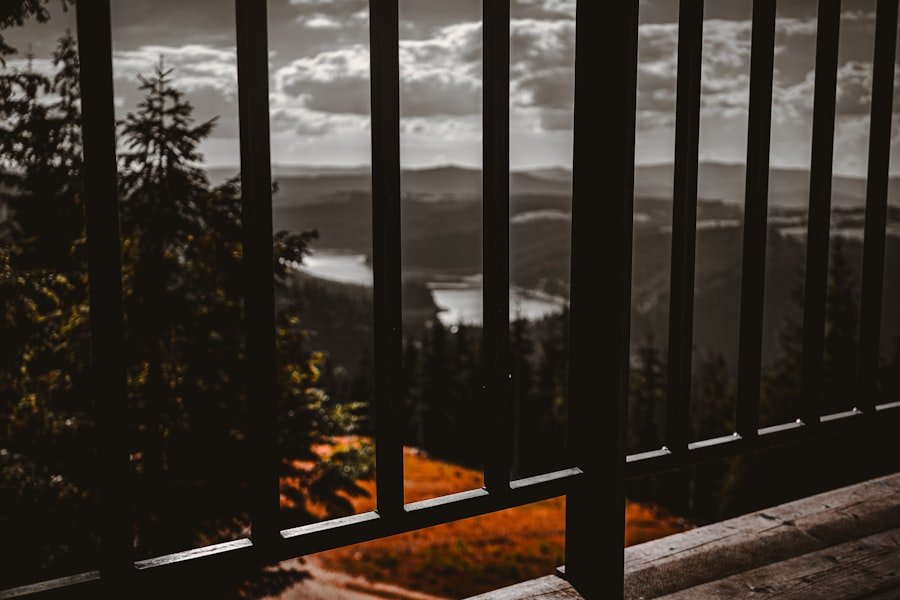
The rule of thirds remains useful at Schynige Platte, but it should be treated as a starting point rather than a requirement. If the sky has dramatic cloud, give it more space. If the sky is empty but the meadow is full of flowers, lower the horizon and emphasize the foreground.
Leading lines are particularly effective here. Paths, railway tracks, ridges and rows of vegetation can guide the viewer toward the Eiger, Mönch and Jungfrau.
Layering is equally important. A photograph containing a close foreground, middle-distance ridge and distant mountain range usually conveys greater depth than a frame filled only with faraway peaks.
Experiment with both horizontal and vertical framing. Horizontal images suit the full mountain chain and lake views, while vertical compositions can work better when a flower, person or rock occupies the foreground.
Telephoto lenses provide another option by compressing layers of mountains. This can turn overlapping ridges into an abstract pattern and isolate light falling on a single summit.
Weather and Mountain Safety
Mountain weather can change rapidly, and good photography conditions are not always the same as safe hiking conditions. Before leaving Wilderswil, check the current forecast, railway operating information and live webcam.
The Botanical Alpine Garden specifically advises visitors to check local weather, while MeteoSwiss publishes current weather hazards for conditions including thunderstorms, wind, rain and snow.
Note: Cloudy weather does not automatically mean poor photography. Broken cloud can create dramatic shafts of light and better mountain separation. Thunderstorms, strong wind or other hazardous conditions are different: prioritize safety over getting the photograph.
Wear footwear suitable for the route you intend to walk, carry a layer for cooler temperatures and keep enough time in reserve for the return train. The official panorama-hike information states that hiking on mountain trails is undertaken at the visitor’s own responsibility and risk.
Wildflowers, Wildlife and Responsible Photography
Schynige Platte’s alpine flora is one of its strongest photographic subjects. Use existing paths and viewpoints instead of stepping through vegetation simply to improve an angle. A longer focal length can often create the same close-looking composition without disturbing sensitive plants.
The same principle applies to wildlife. Keep a respectful distance, avoid surrounding animals and never trade the animal’s comfort for a photograph. Telephoto lenses are valuable because they let you create close compositions while remaining farther away.
If you photograph another visitor prominently, especially for commercial use, consider privacy and obtain permission when appropriate.
Drone Photography at Schynige Platte
Do not assume that rules for a handheld camera also apply to a drone. Switzerland regulates unmanned aircraft separately.
The Swiss Federal Office of Civil Aviation states that drone pilots must check the current national and cantonal geographic flight restrictions before every flight. Restrictions can change, so an old map or previous successful flight is not enough.
Registration requirements may also apply. For example, FOCA explains that a camera-equipped drone weighing less than 250 g can still require operator registration because it contains a sensor capable of recording personal data.
Check the current FOCA drone map and flight rules immediately before flying rather than relying on a travel article for final authorization.
Editing and Post-Processing Tips for Schynige Platte Photos
Post-processing can help recover the contrast and detail you saw on the mountain. Software such as Adobe Lightroom or Photoshop allows you to adjust exposure, highlights, shadows, color and local contrast without permanently changing the original file.
Organize photographs by date, location or subject before editing. Separating railway photographs, alpine flowers, panoramas and wildlife can make a large day’s collection easier to review.
Landscape photographs often benefit from careful highlight and shadow adjustments. If the sky is much brighter than the foreground, recover highlights first and lift shadows only enough to reveal useful detail. Excessive shadow recovery can produce noise and an unnatural flat appearance.
Graduated masks can help balance a bright sky and darker land without applying the same adjustment to the entire frame. Use saturation conservatively. Alpine scenery already contains strong greens, blues and warm sunset tones, and excessive saturation can quickly make the image look artificial.
Sharpen at the end of the workflow and inspect important areas at 100% magnification. Selective sharpening on mountain ridges or foreground details is often preferable to applying aggressive sharpening across the entire photograph.
Preserving the Memories: Printing and Displaying Your Schynige Platte Photos
Once you have selected and edited your strongest images, printing them can turn the trip into something more permanent than another folder of digital files. High-quality photographic or fine-art paper can preserve subtle mountain detail and color better than inexpensive general-purpose prints.
Choose a print format that fits the photograph. Wide panoramas suit scenes containing the full Eiger, Mönch and Jungfrau range, while vertical prints can work particularly well for flower-and-mountain compositions.
Frames can also change the mood of the photograph. Wooden frames tend to complement alpine and meadow scenes, while simple metal frames can suit high-contrast or minimalist mountain photographs.
A small gallery containing the railway journey, flowers, broad panorama and one close mountain detail can tell a more complete story than several nearly identical summit photographs. Digital photo books and rotating displays are useful alternatives when you return with too many favorite images to print individually.
Schynige Platte rewards photographers who look beyond a single postcard view. The historic railway, alpine plants, lake views, trails and changing mountain light provide very different subjects within one excursion. Planning around real railway access, weather and safe trail conditions gives you a much better chance of returning with photographs that reflect the experience rather than simply recording the view.
Before travelling, use the official Schynige Platte visitor page to confirm current railway operation, offers and visitor information.
Frequently Asked Questions
What is the Schynige Platte viewpoint?
Schynige Platte is a mountain excursion area in Switzerland’s Bernese Oberland at about 1,967 metres. It is reached by the historic cogwheel railway from Wilderswil and offers views toward the Eiger, Mönch, Jungfrau, Lake Thun and Lake Brienz.
What are the best photography tips for Schynige Platte?
Use foreground elements such as flowers, rocks or paths to add depth, photograph in softer morning or late-afternoon light when practical, carry both wide and longer focal lengths, watch the clouds and leave enough time to reach your return train.
Can I photograph sunrise at Schynige Platte?
Yes, but normal day-tripper railway schedules may not place you on the mountain before sunrise. Staying overnight at the mountain hotel is the most practical option for photographers who specifically want first light.
Are there photography restrictions at Schynige Platte?
Ordinary visitor photography with a handheld camera or phone is different from drone operation. Drone pilots must follow current Swiss aviation rules and check FOCA’s geographic flight restrictions before every flight. Be considerate of other visitors and avoid damaging alpine vegetation while taking photographs.
What is the best time of year to visit Schynige Platte for photography?
Plan within the railway’s operating season. For 2026, the published season is June 13 through October 25. Flowers and vegetation change throughout that period and depend strongly on weather, so check current conditions rather than assuming one fixed week is always best.
What should I photograph if the mountains are cloudy?
Focus on the railway, alpine flowers, details in the meadow, mist between ridges and changing patches of light. Clouds can add atmosphere and scale, so completely clear weather is not required for strong photographs.
What other activities can visitors enjoy at Schynige Platte?
Visitors can explore the Botanical Alpine Garden, walk the Swiss Flower & Panorama Trail, use the Skywalk, follow short nature trails or complete longer mountain hikes. The Alpine Garden displays around 800 species of Swiss alpine plants.
Sources
- Jungfrau Railways — Schynige Platte — elevation, railway access, 2026 season, viewpoints, trails and visitor facilities.
- Jungfrau Railways — Schynige Platte Panorama Hike — hiking time, route, viewpoints and trail-safety information.
- Botanical Alpine Garden Schynige Platte — approximately 800 native Swiss alpine plant species and garden information.
- Botanical Alpine Garden — Opening Hours — 2026 opening period and weather-dependent flowering information.
- MeteoSwiss Weather Hazards — official Swiss warnings for thunderstorms, wind, rain, snow and other hazardous weather.
- Swiss Federal Office of Civil Aviation — Drone Flight Restrictions — current national and cantonal drone-flight restriction guidance.