The Brienz Rothorn Bahn combines two subjects photographers rarely get in one place: a historic mountain railway and a high Alpine panorama above Lake Brienz. The cogwheel railway has operated since 1892 and climbs from Brienz to Rothorn Kulm, where photographers can capture the red train, steam, alpine meadows, Lake Brienz, and layers of distant peaks. Good photographs, however, depend as much on train timing and mountain weather as they do on camera gear.
Quick Answer
For Brienz Rothorn Bahn photography, take an early scheduled train when possible, photograph both the railway journey and the panorama around Rothorn Kulm, and bring a wide-to-normal lens plus a telephoto option. The railway station is at 2,244 m, while the Brienzer Rothorn summit is about 2,350 m and requires a short uphill walk.
Key Takeaways
- The Brienz Rothorn Bahn has operated since 1892 and travels 7.6 km from Brienz to Rothorn Kulm in about one hour.
- Rothorn Kulm railway station is at 2,244 m. The Brienzer Rothorn summit is about 2,350 m and is reached on foot from the station.
- For a normal day trip, the earliest scheduled ascent usually gives the most practical morning photography. True sunrise, sunset, and blue-hour work normally requires an overnight stay or suitable special service.
- A wide-angle or standard lens works well for landscapes, while a telephoto lens is especially useful for isolating the train and compressing distant mountain layers.
- Check the railway timetable, weather, and mountain conditions before leaving Brienz, and reserve a seat when a particular departure is important to your photography plan.
At a Glance
| Time Required | Minimum railway round trip is about 2 hours 30 minutes; allow 3–5 hours if photography is a priority. |
| Difficulty | Easy around the railway and hotel area; more demanding if you continue onto mountain hiking trails. |
| Tools Needed | Camera or smartphone, spare battery, enough storage, lens cloth; optional wide-angle, telephoto, polarizer, and compact tripod. |
| Cost | For the 2026 season, the standard adult Brienz–Rothorn–Brienz return fare is CHF 98. The official advance seat guarantee adds CHF 8. Discounts may apply to eligible travel passes. |
Why Brienz Rothorn Bahn Is Such a Strong Photography Location
The Brienz Rothorn Railway officially opened on June 16, 1892. Its combination of historic railway engineering and open mountain scenery gives photographers much more than a single summit panorama. The train itself can be a subject, foreground element, leading line, or source of movement within the landscape.
According to the railway’s official route information, the journey from Brienz to Rothorn Kulm covers 7.6 km, climbs 1,678 m, and takes about one hour. The route passes alpine meadows, streams, rocky slopes, forest, tunnels, and the intermediate station at Planalp before reaching Rothorn Kulm.
Lake Brienz remains one of the most distinctive visual elements. Depending on cloud, haze, sun angle, and your shooting position, its water can range from muted blue-gray to vivid turquoise. Higher on the mountain, the lake becomes a strong graphic shape beneath the surrounding ridges.
The most useful way to photograph Brienz Rothorn Bahn is to treat the railway, Lake Brienz, and the mountain panorama as three different subjects rather than trying to fit every element into every frame.
The Best Viewpoints for Photography
Rothorn Kulm is the upper railway station and the easiest high-level photography base. It sits at approximately 2,244 m. This is not the same as the Brienzer Rothorn summit, which is about 2,350 m above sea level. The official BRB hiking information describes a short summit trail from the mountain station to the higher viewpoint.
From the Rothorn area, photographers can work with Lake Brienz below, the Bernese Alps in the distance, nearby ridges, changing clouds, and the railway itself. The official railway says that in ideal visibility the panorama can include as many as 693 peaks. Treat that figure as a best-case visibility claim rather than something guaranteed on every visit.
Do not immediately put away a telephoto lens when you arrive. Wide views show the scale of the landscape, but longer focal lengths often produce stronger photographs by isolating ridges, compressing mountain layers, picking out villages around Lake Brienz, or framing the red train against a clean section of hillside.
Pro Tip: Before walking toward the highest viewpoint, spend a few minutes watching the railway. A train curving through open terrain can create a stronger image than a train photographed only when it is stopped at the station.
Photography Tips for Brienz Rothorn Bahn
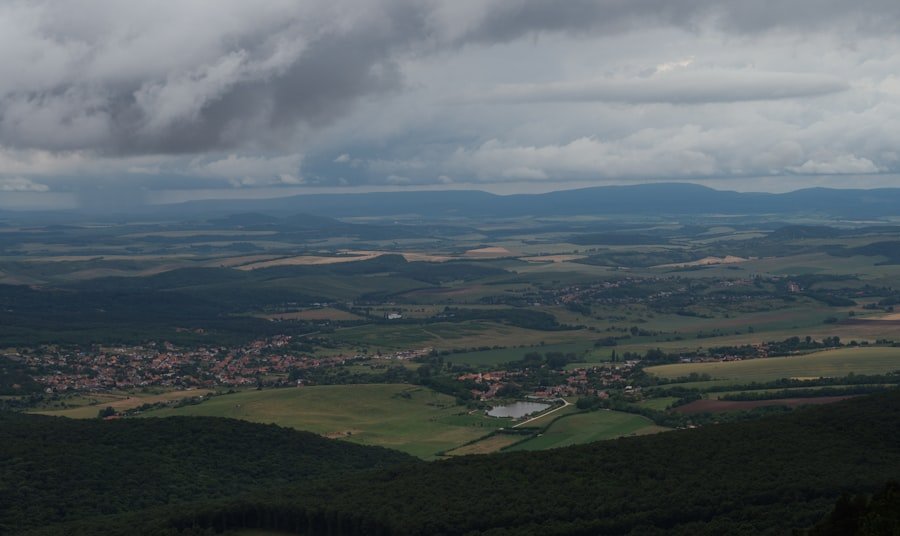
Mountain conditions can change quickly, so avoid planning the entire session around one exact photograph. Clouds that hide distant peaks may still create excellent light for the red railway cars, steam, flowers, rock textures, and smaller landscape details.
Build your shoot around several types of image:
- Environmental railway shot: Show the train small within the larger mountain landscape.
- Train detail: Photograph the locomotive, wheels, cogwheel hardware, carriages, signs, or steam.
- Lake Brienz panorama: Use the lake as the visual anchor beneath the mountains.
- Telephoto landscape: Isolate repeating ridges and distant peaks.
- Foreground composition: Use rocks, grass, or seasonal flowers to add depth.
- Human-scale photograph: Include hikers or passengers when appropriate to communicate the size of the landscape.
- Motion photograph: Freeze the train sharply or intentionally blur movement with panning.
Observe where the light is falling rather than automatically pointing toward the widest view. Side light can reveal the shape of ridges and texture of grass and rock. Backlight can make steam more visible, while soft cloudy conditions can retain detail across both the landscape and red railway cars.
Note: The railway primarily uses steam traction, but BRB states that diesel locomotives may be used when passenger demand is high or a steam locomotive has a technical problem. If photographing a steam locomotive is essential to your project, do not assume every individual service is guaranteed to be steam hauled.
Best Times of Day for Photography
| Time | Typical Light | Practical BRB Advice |
| Earliest Scheduled Ascent | Relatively low morning sun and often clearer-looking atmosphere | Best practical choice for many day-trip photographers. In 2026, most first departures are at 8:36 a.m.; a 7:36 a.m. train operates Saturdays and Sundays in July, August, and September. |
| Late Morning to Midday | Stronger overhead light and greater contrast | Useful for clear lake color, train details, polarizer-assisted shots, and high-contrast mountain scenes. |
| Late Afternoon | Lower, warmer and more directional light as the day progresses | Can be excellent, but work backward from the final scheduled descent. In the 2026 timetable, the last departure from Rothorn Kulm is 5:40 p.m. |
| Sunrise | Soft directional light before and just after sunrise | Normally not reachable by the standard morning railway timetable. An overnight stay at Rothorn Kulm is the practical option for photographers specifically targeting sunrise. |
| Sunset / Blue Hour | Warm sunset followed by cool, low-level blue-hour light | Standard trains generally leave too early for summer sunset and blue hour. Plan an overnight stay or verify a suitable special service. |
The common advice to “visit at sunrise” is therefore incomplete for Brienz Rothorn Bahn. Light quality matters, but so does your ability to reach and leave the mountain safely. For most day visitors, the earliest available scheduled train is the sensible starting point.
Photographers who specifically want sunrise or sunset can investigate an overnight stay at the Mountain Hotel Rothorn Kulm. Staying on the mountain also gives you more flexibility when clouds briefly clear outside standard day-trip hours.
2026 Train Times, Tickets, and Photography Planning
For 2026, scheduled operation to Rothorn Kulm runs from June 6 through October 25. The official BRB timetable and fare page should be checked again shortly before your visit because operating information can change.
The railway states that a journey from Brienz to Rothorn Kulm takes approximately one hour. The minimum railway round trip is about 2 hours 30 minutes, including a short stay at the top. Photographers should allow considerably longer if they want time to wait for trains, walk to viewpoints, change lenses, or work around clouds.
For the 2026 season, the published full adult return fare from Brienz to Rothorn and back is CHF 98. Eligible Half Fare Card and Swiss Travel Pass holders receive the published reduced fare. Advance purchases with a seat guarantee carry an additional CHF 8 seat-guarantee charge.
Pro Tip: If your photography plan depends on a specific early or late train, a guaranteed seat can be more valuable than simply arriving at the station and hoping that departure still has capacity. BRB warns that trains can sell out on busy summer days.
Equipment and Gear Recommendations
You do not need professional equipment to photograph Brienz Rothorn Bahn. A smartphone, compact camera, mirrorless camera, or DSLR can all work well. The better choice depends on whether your priority is travel convenience, moving trains, large prints, distant peaks, or low-light photography.
Wide-Angle or Standard Lens
A lens covering roughly the wide-to-normal range is useful for Lake Brienz panoramas, train-and-landscape compositions, and photographs where you want strong foreground depth. On a full-frame camera, something around 16–35 mm or 24–70 mm is versatile, but these focal lengths are examples rather than requirements.
Telephoto Lens
A telephoto lens can be even more valuable than many first-time visitors expect. It lets you isolate the railway on a distant slope, compress overlapping ridges, pick out individual mountain peaks, and remove distracting empty sky from a composition. A range around 70–200 mm is convenient, although shorter or longer lenses can also work.
Tripod
A tripod is useful for carefully framed panoramas, low-light work, long exposures, and sunrise or sunset sessions if you are staying on the mountain. It is not necessary for every visitor. Image stabilization and modern high-ISO performance make handheld photography practical in many daytime situations.
Use a tripod only where it does not block a trail, platform, doorway, or narrow viewing area. Never place equipment where passengers or hikers may trip over it.
Polarizing Filter
A circular polarizer can reduce some reflections and deepen color in suitable lighting, making it useful around Lake Brienz. Rotate it while watching the effect rather than automatically using maximum polarization. On very wide lenses, heavy polarization can create an uneven-looking sky.
Small Essentials
- At least one spare battery
- Enough memory-card or phone storage
- Lens cloth for mist, fingerprints, or light moisture
- Protective bag or rain cover
- Weatherproof outer layer
- Sunglasses and sun protection
- Water if you plan to hike beyond the railway area
Useful Camera Settings to Start With
There is no single correct setting, but a few starting points make changing conditions easier to handle.
For General Landscapes
- Aperture: around f/8 to f/11 when you want broad depth of field
- ISO: start near your camera’s base ISO when light allows
- Shutter speed: let the meter determine it if the camera is stable and nothing important is moving
- Focus: use a single focus area or carefully placed autofocus point rather than assuming the camera will select the right mountain detail
For Freezing a Moving Train
Start around 1/500 second and increase the shutter speed if the train is close, your focal length is long, or your images still show unwanted motion blur. Use continuous autofocus and burst mode if your camera handles them well.
For Panning
Try slower shutter speeds such as approximately 1/30 to 1/125 second and follow the train smoothly during the exposure. Expect some failed frames. The goal is a relatively sharp train against a streaked background, not technical perfection in every shot.
For Steam
Fast shutter speeds preserve small steam details, while slower exposures can turn steam into a softer shape. Backlighting or side lighting often separates pale steam more clearly from the background.
Composition and Framing Techniques
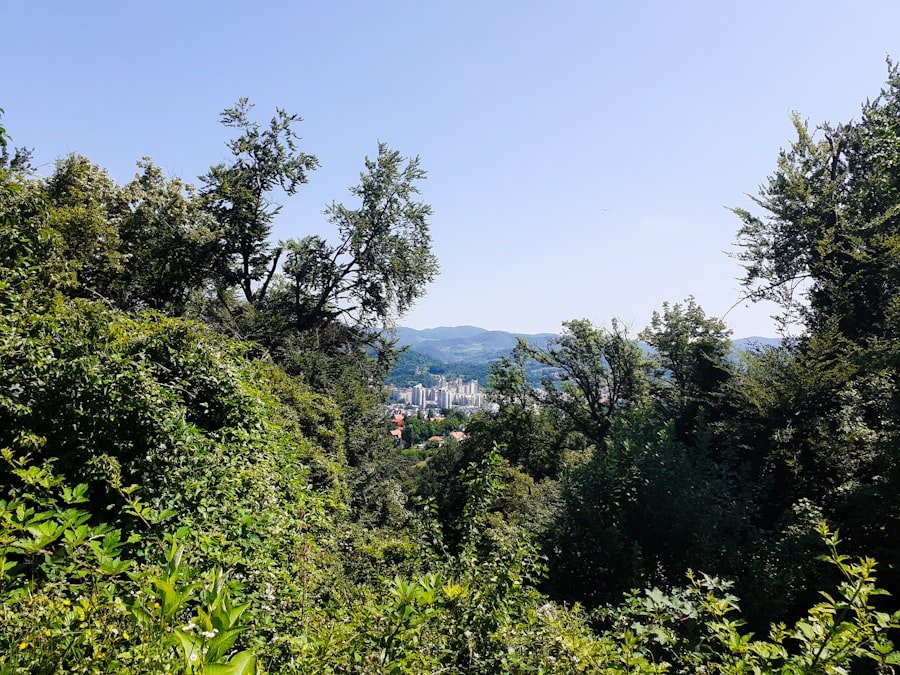
The rule of thirds remains useful, but Brienz Rothorn Bahn gives you stronger location-specific composition tools. Railway tracks, ridgelines, the shoreline of Lake Brienz, and the train itself can all direct the viewer’s eye through the photograph.
Use the Railway as a Leading Line
When the track curves across a slope, place the railway so that it enters the frame naturally and guides the eye toward the locomotive or distant landscape. A curve usually creates more visual movement than a straight section of track.
Show Scale
One small red train surrounded by a huge mountain slope can communicate scale better than filling the frame with the locomotive. Take both versions while you have the opportunity: one wide environmental frame and one tighter railway photograph.
Add Foreground Depth
Rock, grass, flowers, fences, and other nearby details can create a foreground layer. Keep the foreground relevant and avoid adding an object simply because it is available.
Look for Layers
Telephoto compositions can separate the scene into lake, foothills, intermediate ridges, and high mountains. Haze is not always a problem; it can create tonal separation between those layers.
Change Height Before Changing Lenses
Before reaching for another lens, move a few steps when it is safe to do so. A lower viewpoint may place flowers against the train, while a slightly higher position may separate the locomotive from a visually busy background.
Weather and Mountain Safety
Mountain weather can change faster than conditions beside Lake Brienz. Check the local forecast and the MeteoSwiss hazard information before traveling, then continue watching the sky while you are on the mountain.
Warning: Do not leave marked or suitable areas simply to improve a photograph. BRB states that the red-and-white routes around the Rothorn are mountain hiking trails and recommends weatherproof clothing, suitable non-slip footwear, appropriate fitness, and checking route and weather conditions before hiking.
Fog and cloud do not automatically mean a wasted photography trip. If the long-distance panorama disappears, shift to train details, steam, people, plants, textures, and shorter telephoto scenes. When visibility improves for only a few minutes, you will already be in position.
Accessibility for Photographers
The railway is not fully barrier-free. According to BRB’s current accessibility information, passengers using a manual wheelchair can be transported with prior arrangement. Electric wheelchairs, oversized wheelchairs, and heavy motorized mobility aids cannot be carried on the trains.
BRB explains that the wheelchair user must be lifted into the carriage because a ramp cannot be positioned on the sloping platform. At Rothorn Kulm, there is an approximately 100 m paved but steep route toward the restaurant. The restaurant has wheelchair-accessible facilities, but the mountain hiking trails beyond this area are not wheelchair accessible.
Photographers who require wheelchair assistance should contact the railway in advance rather than arriving without arrangements.
Getting to the Brienz Rothorn Bahn
The BRB valley station is convenient for visitors arriving by public transportation. The main Brienz railway station is directly opposite the cogwheel railway’s valley station. According to the official arrival information, the boat landing on Lake Brienz is also only a short walk away.
If you are driving, BRB provides nearby paid parking. Arriving before your planned departure gives you time to organize gear, check the weather, and avoid hurried lens or battery changes once boarding starts.
Seasonal Photography
The Brienz Rothorn Bahn should not be described as a year-round railway photography destination. For the 2026 season, service to Rothorn Kulm is scheduled from June 6 through October 25.
June and Early Summer
Early in the operating season, photographers may encounter greener slopes, lingering snow on higher mountains, and rapidly changing mountain weather. Trail conditions should always be checked rather than assumed from photographs taken in previous years.
July and August
Long days offer plenty of daylight, but these are also popular travel months. Earlier trains can help with both light and crowds. Strong midday sunlight can be handled by concentrating on the railway, cloud patterns, telephoto details, or graphic compositions rather than relying only on soft-light landscapes.
September and October
Lower sun angles and seasonal color can give the landscape a different character. Shorter days also bring sunset closer to railway operating hours, although photographers must still check the final descent rather than assuming they can remain until sunset.
Editing and Post-Processing Tips
Post-processing should help the photograph communicate what you saw rather than turn the scene into something physically implausible. Lightroom, Photoshop, Capture One, mobile editors, and other applications can all perform the basic adjustments needed for these images.
Control the Dynamic Range
Bright clouds over a darker foreground are common in mountain photography. Start by recovering highlights carefully, then lift shadows only as much as necessary. Excessive shadow recovery can make distant mountains look flat and noisy.
Use Dehaze Carefully
A small amount of dehaze or clarity can define distant ridges. Too much can produce dark halos, unnatural skies, and an exaggerated HDR appearance.
Keep Lake Brienz Believable
The lake can naturally appear intensely blue or turquoise in favorable conditions, so you may not need much saturation. Compare your edit with the unedited frame before pushing blue and aqua sliders further.
Correct White Balance Before Saturation
If the entire image feels too cool or warm, fix white balance first. Saturation cannot correct a global color cast.
Crop With a Purpose
Crop when it strengthens the relationship between the train and landscape or removes a distracting edge. Keep enough resolution for your intended print or display size.
Preserving the Memories: Printing and Displaying Your Photos
Once you have captured and edited your Brienz Rothorn Bahn photographs, keep at least one backup of the original files before exporting smaller versions for social media. RAW files, when your camera supports them, preserve more editing flexibility than a social-media export.
For physical display, photographic paper, fine-art paper, metal, acrylic, and canvas can all suit mountain images. The best surface depends on the photograph. A detailed mountain panorama often benefits from a medium that preserves fine detail, while a softer atmospheric image may work well on textured paper.
Before ordering a large print, make a smaller proof or inspect the image carefully at print size. Check sharpening, noise, horizon alignment, dust spots, and very dark shadow areas that may look different on paper than on a bright monitor.
A small series can tell the story of the journey better than one photograph alone. For example, combine a locomotive detail, an image of the train crossing the mountainside, a Lake Brienz panorama, and one summit photograph. A photo book is another useful way to preserve the sequence of the trip along with dates, notes, and personal memories.
Drone Photography
Do not assume that being on a mountain means drone flying is unrestricted. Switzerland’s Federal Office of Civil Aviation requires drone operators to check applicable geographic flight restrictions before every flight.
Before launching, consult the official FOCA flight-restriction information and current drone map. Swiss rules also prohibit flying over assemblies of people and apply additional operating requirements depending on the aircraft and flight category.
Note: Airspace restrictions can change. Check the official Swiss drone map immediately before flying rather than relying on an old blog post, screenshot, or previous visit.
Frequently Asked Questions
What is the Brienz Rothorn Bahn viewpoint?
The railway terminates at Rothorn Kulm, approximately 2,244 m above sea level. From there you can photograph Lake Brienz and the surrounding mountain landscape. The actual Brienzer Rothorn summit is higher, at about 2,350 m, and is reached by a short uphill trail from the railway station.
What are the best photography tips for Brienz Rothorn Bahn?
Photograph both the train and the wider landscape, use railway curves as leading lines, carry a telephoto option for distant train and mountain details, and take an early scheduled train when possible. Watch changing clouds and light instead of relying on one planned composition.
Can I photograph sunrise from Brienzer Rothorn on a normal day trip?
Usually not by using the normal railway timetable. In 2026, most first trains leave Brienz at 8:36 a.m., with a 7:36 a.m. departure on Saturdays and Sundays in July, August, and September. Photographers specifically targeting sunrise should consider staying overnight at Rothorn Kulm or checking for an appropriate special service.
What is the best time of year for Brienz Rothorn Bahn photography?
The railway is seasonal rather than year-round. In 2026, scheduled service to Rothorn Kulm runs from June 6 through October 25. Summer offers long daylight and green slopes, while September and October can provide lower sun angles and seasonal color. Weather and trail conditions should still be checked for the specific day.
How long should I allow for a photography trip?
The train takes about one hour each way, and BRB lists approximately 2 hours 30 minutes as the minimum round-trip time including a short stay. For photography, allowing 3–5 hours or more gives you much better flexibility for changing light, train movements, viewpoints, and weather.
Is Brienz Rothorn Bahn accessible to wheelchair users?
Access is limited. BRB can carry passengers using manual wheelchairs with advance arrangements, but electric wheelchairs, oversized wheelchairs, and heavy motorized mobility aids cannot be transported. The passenger must be lifted into the carriage, and the mountain trails beyond the accessible restaurant area are not wheelchair accessible. Contact BRB in advance for current arrangements.
Is every Brienz Rothorn Bahn train steam hauled?
Steam operation is a defining feature of the railway, but BRB states that diesel locomotives may be used when passenger numbers are high or a steam locomotive has a technical failure. Do not plan a time-sensitive professional shoot on the assumption that one particular service is guaranteed to use a steam locomotive.
Can I fly a drone at Brienzer Rothorn?
Do not assume that a drone flight is automatically permitted. Swiss FOCA requires pilots to check geographic flight restrictions before each flight and follow the applicable operating rules. Consult the current official Swiss drone map and any local restrictions before launching.
Do I need a professional camera?
No. A modern smartphone or compact camera can capture excellent travel photographs in good light. An interchangeable-lens camera becomes more useful when you want long telephoto reach, faster control over moving trains, RAW files, low-light performance, or large prints.
Sources
- Brienz Rothorn Railway: Timetable and Prices — 2026 operating dates, timetable, fares, seat guarantees, accessibility, and operating notes.
- Brienz Rothorn Railway: The Route — route length, journey time, elevation gain, gradients, and Rothorn Kulm journey details.
- Brienz Rothorn Railway: Railway History — opening date and historical background.
- Brienz Rothorn Railway: Hiking — Rothorn Kulm elevation, summit elevation, summit trail, current trail information, and mountain-hiking safety.
- Mountain Hotel Rothorn Kulm — overnight accommodation relevant to sunrise and sunset photography.
- Swiss Federal Office of Civil Aviation: Geographical Flight Restrictions — current official guidance for drone pilots in Switzerland.