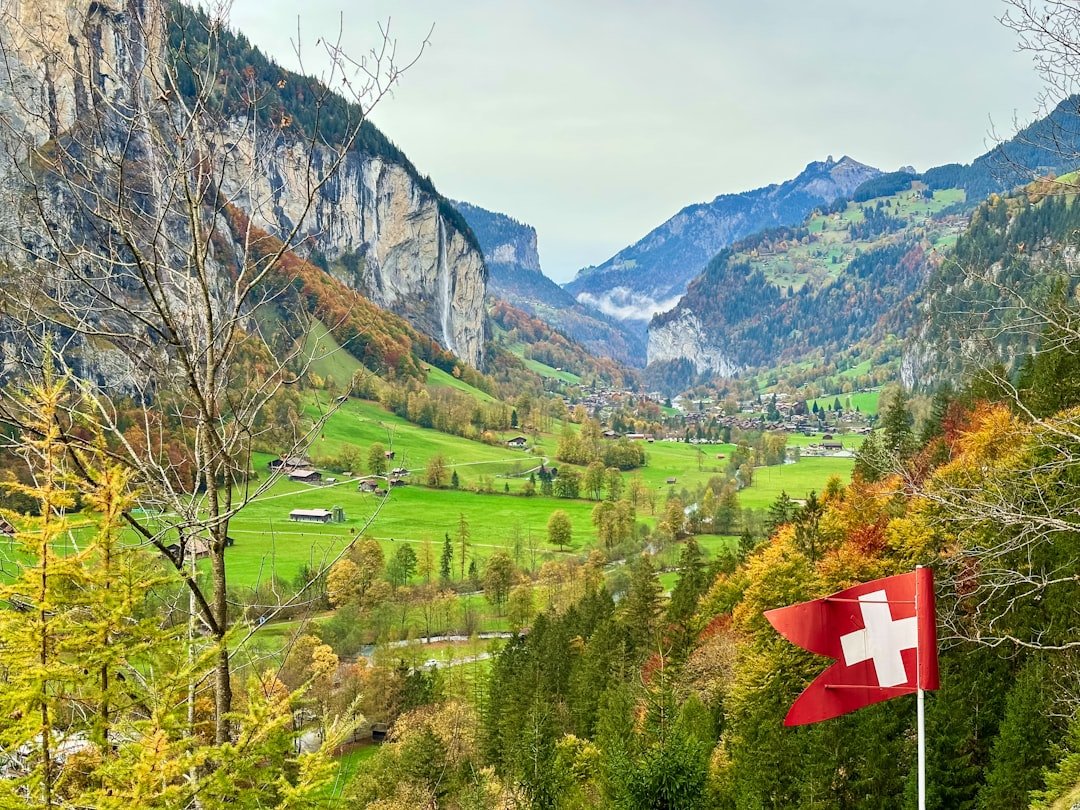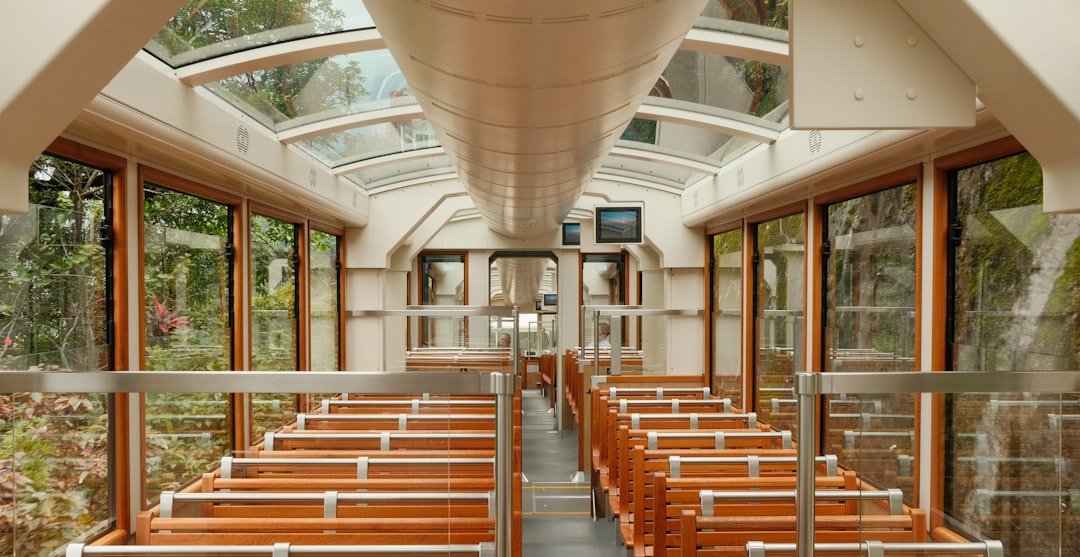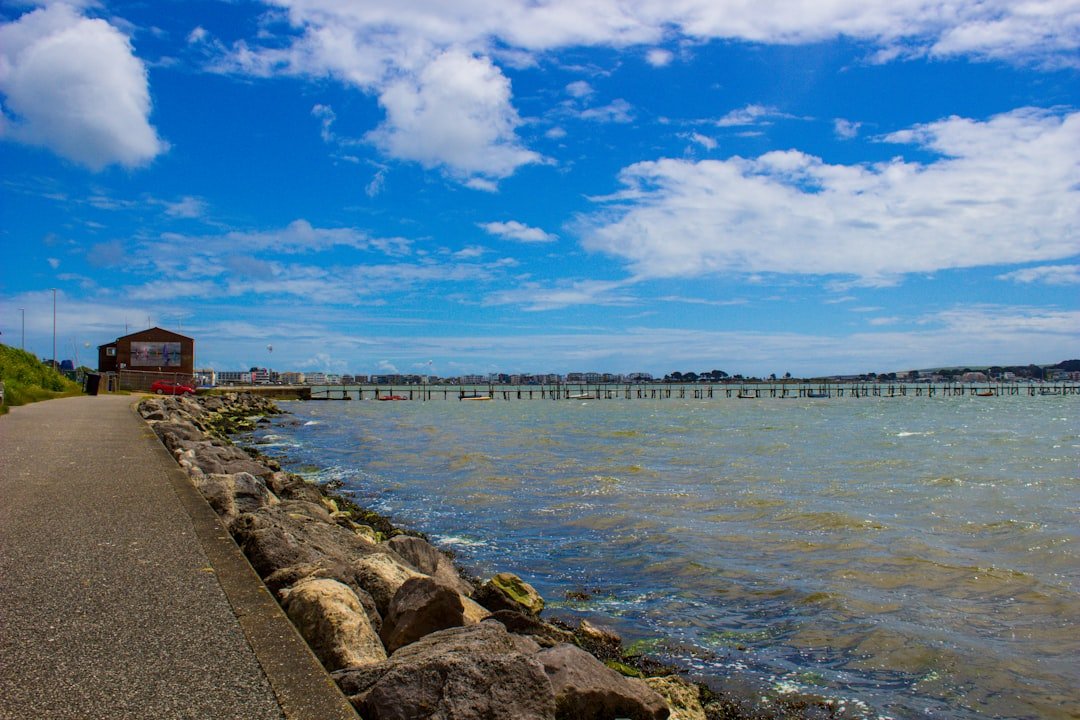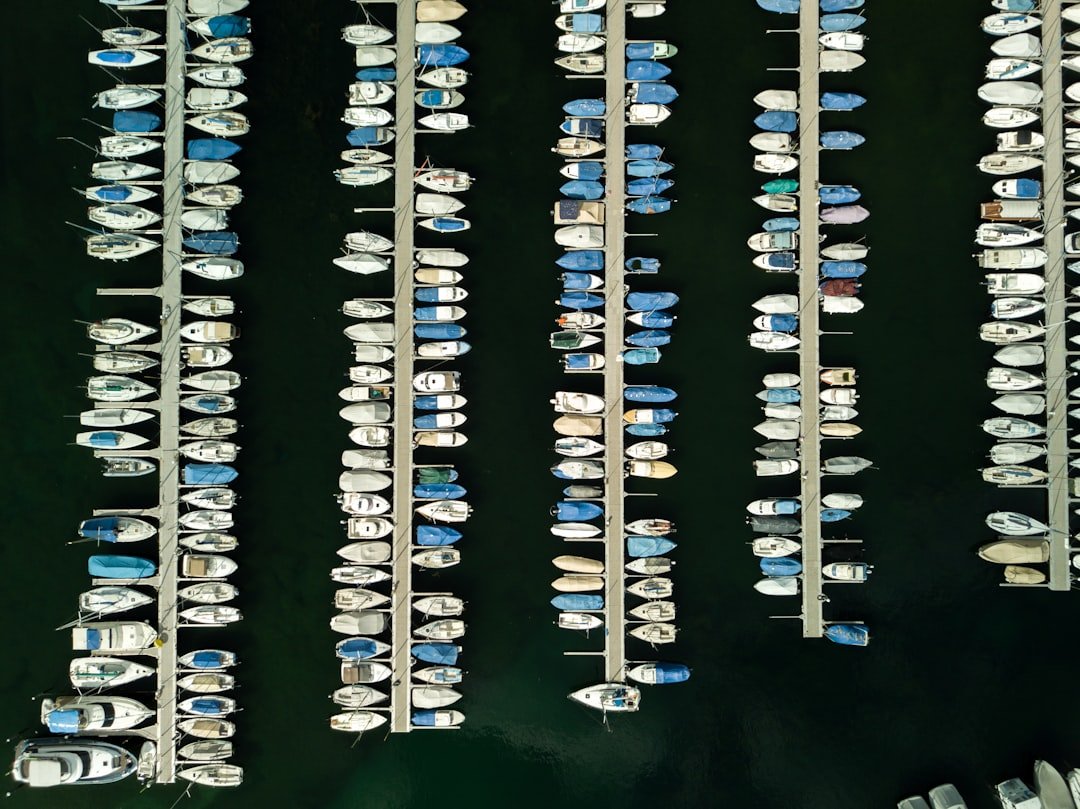
Lake Neuchâtel combines historic towns, vineyards, beaches, museums, boat trips, and protected wetlands in western Switzerland. Covering about 218 square kilometers, it is the largest lake located entirely within Switzerland, and its deepest point reaches about 152 meters. You can use one lakeside city as a base or travel between several towns by train, bus, bike, and seasonal boat services.
Quick Answer
Lake Neuchâtel is Switzerland’s largest lake wholly within the country, covering about 218 km². It is best for lakeside city walks, swimming, boat cruises, cycling, wine tasting, archaeology, and nature reserves. Base yourself in Neuchâtel or Yverdon-les-Bains, then use trains, buses, and seasonal boats to explore.
Key Takeaways
- Lake Neuchâtel covers about 218 km² and is the largest lake entirely within Switzerland.
- Neuchâtel, Yverdon-les-Bains, Estavayer-le-Lac, Auvernier, and Grandson each offer a different reason to stop.
- Popular activities include swimming, cruising, cycling, walking, water sports, museum visits, and wine tasting.
- Look for regional specialties such as Saucisson neuchâtelois IGP and wines made from Chasselas and Pinot Noir.
- Public transport makes car-free travel practical, and qualifying overnight guests in the Canton of Neuchâtel receive the Neuchâtel Tourist Card.
Exploring the Lakeside Towns and Villages
A trip around Lake Neuchâtel is more interesting when you combine a few different lakeside stops instead of staying in one place for the entire visit.
Neuchâtel
Neuchâtel is the main cultural and transport hub on the northwestern shore. Its historic center is known for yellow limestone buildings, pedestrian streets, lakefront promenades, and the hilltop Castle and Collegiate Church. The official Neuchâtel tourism guide is useful for current attractions and visitor information.
Neuchâtel Castle dates back to the late 10th century and is now associated with the cantonal government. Seasonal guided visits are available, while the surrounding hill provides broad views over the city’s roofs and the lake.
Yverdon-les-Bains
At the southwestern end of the lake, Yverdon-les-Bains is a city rather than a village and serves as the capital of Northern Vaud. It is known for its thermal spa, pedestrian historic center, lakeside setting, and cultural attractions. The central castle houses museums, while the nearby lakeshore gives you access to beaches, walking areas, and the Clendy standing stones.
You can enjoy the thermal facilities as a relaxation and wellness experience without assuming that the water treats or cures a medical condition. Current visitor information is available from Yverdon-les-Bains Region tourism.
Pro Tip: If you want museums, restaurants, public transport, and a lively waterfront in one place, stay in Neuchâtel. If thermal baths and the southwestern shore matter more, Yverdon-les-Bains is a practical alternative.
Estavayer-le-Lac
Estavayer-le-Lac sits on the southern side of the lake in the canton of Fribourg. Its medieval old town, Château de Chenaux, beaches, and water-sports opportunities make it one of the most attractive stops for travelers who want history and outdoor time on the same day. Switzerland Tourism provides an overview of the town and its lakeside attractions.
Auvernier
Auvernier is a traditional wine village on the north shore. Its location among the Neuchâtel vineyards makes it a good choice for travelers interested in local wine, cellar visits, and a quieter village atmosphere. It can be combined easily with Neuchâtel during a longer stay.
Grandson
Grandson lies near the southwestern shore and is best known for Château de Grandson. After extensive restoration, the castle reopened to visitors in 2026 with renewed exhibitions covering its long history. It is a strong addition if medieval history is one of your main interests.
Outdoor Activities on and around Lake Neuchâtel
The lake supports everything from relaxed waterfront walks to swimming and water sports. Sailing, kayaking, paddleboarding, pedal boats, and other activities are available at different points around the shore, with the widest choice during the warmer months.
Swimming
Swimming is popular at beaches and designated lakeside areas around the region. In the city of Neuchâtel, places such as Jeunes-Rives, Monruz, and sections toward Serrières provide access to the water.
Warning: The City of Neuchâtel states that its lakeside bathing areas are not supervised. Check conditions before entering the water, keep children within close reach, and do not assume a beach has lifeguards unless signage specifically says so.
Boat Cruises
A cruise is one of the easiest ways to see the Jura slopes, vineyards, settlements, and open lake from a different angle. LNM operates navigation services on Lake Neuchâtel and the Three-Lakes region.
For 2026, LNM’s main high-season period runs from June 19 through September 27 with daily navigation. More limited service operates during parts of spring and autumn. Schedules can change, so check the live timetable before building a day around a specific sailing.
Walking and Cycling
You do not need to stay on the water to enjoy the lake. Lakeside paths, vineyard routes, town promenades, and regional cycling connections provide plenty of options on land. Choose a short waterfront walk if you have only a few hours, or combine several towns by bike if you have more time.
Grande Cariçaie
The southern shore is home to the Grande Cariçaie, an extensive protected wetland landscape with reed beds, marshes, forest, and rich plant and animal life. It is one of the most important natural areas around Lake Neuchâtel and an excellent choice for birdwatching and quiet nature walks.
Stay on permitted paths, follow reserve rules, keep wildlife disturbance to a minimum, and use designated access points.
Sampling Local Cuisine and Wine
| Where | Food to Look For | Wine to Try |
| Neuchâtel region | Saucisson neuchâtelois IGP and regional Swiss dishes | Chasselas and Pinot Noir |
| Auvernier and nearby wine villages | Winery tastings and locally sourced dishes | Chasselas, Pinot Noir, and Œil de Perdrix |
| Lakeside restaurants | Seasonal menus and regional cheese dishes | Neuchâtel AOC wines when available |
For a food that is specifically tied to the canton, look for Saucisson neuchâtelois IGP. This protected regional sausage is made in the canton of Neuchâtel.
Wine is one of the strongest reasons to explore the northern shore. According to Neuchâtel Vins et Terroir, Chasselas and Pinot Noir are important grapes in the region. Œil de Perdrix, a rosé traditionally associated with Neuchâtel, is made from Pinot Noir.
Auvernier is particularly convenient for adding a cellar visit or tasting to a lake trip. Check opening hours and whether reservations are required before visiting individual wineries.
Cultural and Historical Attractions
Lake Neuchâtel has unusually strong archaeological and historical interest for a leisure destination. Prehistoric lakeshore settlements are part of a wider Alpine archaeological story documented by UNESCO, while local museums help explain how people lived around the region over thousands of years.
Laténium
Laténium in Hauterive is the region’s major archaeology museum and park. Its collections and outdoor archaeological setting make it one of the best places to understand prehistoric life around the lake and the wider Neuchâtel region. Check the official Laténium website for current exhibitions and opening information.
Neuchâtel Museum of Art and History
The Musée d’Art et d’Histoire de Neuchâtel, or MahN, holds collections covering fine arts, history, applied arts, and numismatics. Its holdings include more than 150,000 objects and images, making it a useful indoor stop when you want more than lakeside sightseeing. Current exhibitions and visitor information are available from the official MahN website.
Neuchâtel Castle and Collegiate Church
The castle and neighboring Collegiate Church dominate the historic center from their hilltop position. Even if you do not take a guided tour, the surrounding area is worth visiting for architecture and views over the city and lake.
Grandson Castle
Grandson Castle adds another major historical stop at the southwestern end of the lake. Its renewed visitor experience opened in 2026 after extensive restoration, making older travel guides especially worth checking against current information before a visit.
Practical Tips for Visiting Lake Neuchâtel
Choose the Best Season for Your Plans
Summer is the easiest season for swimming, water sports, long evenings by the lake, and the fullest boat timetable. Late spring and early autumn can be better if you prefer walking, cycling, vineyards, and historic towns with fewer peak-season visitors.
Winter changes the focus. The lake remains scenic, but museums, old-town walks, restaurants, and excursions into the nearby Jura become more important than swimming and boating.
Use Trains and Buses for Car-Free Travel
Swiss public transport makes it practical to visit many Lake Neuchâtel destinations without a car. Neuchâtel and Yverdon-les-Bains are important rail stops, and regional services connect additional communities around the lake.
Use the SBB timetable for the exact date of your trip rather than relying on a static travel-time claim, especially during engineering work or timetable changes.
Pro Tip: If you stay at qualifying official accommodation in the Canton of Neuchâtel for at least one night, the Neuchâtel Tourist Card is provided to guests and includes free public transport throughout the canton plus participating visitor activities. Check the current inclusions before planning paid tickets.
Where to Base Yourself
- Neuchâtel: best all-round base for museums, restaurants, rail connections, the historic center, waterfront walks, and boat departures.
- Yverdon-les-Bains: useful for thermal facilities and exploring the southwestern shore.
- Estavayer-le-Lac: attractive for medieval streets, beaches, and water activities.
- Auvernier: suitable if wine and a quieter village setting are priorities.
How Long to Spend
You can see Neuchâtel and part of the waterfront on a day trip, but two or three days give you far more flexibility. With three days, you can combine a historic town, a boat or outdoor activity, a museum, and at least one second lakeside destination without rushing.
Events and Festivals around Lake Neuchâtel
Event dates change each year, so always confirm the calendar before booking a trip around a festival. Several well-established events took place or are scheduled around the lake in 2026.
Fête de la Musique
Neuchâtel’s 2026 Fête de la Musique ran from June 18 to June 20, with free performances and several stages in the city center. The event is normally associated with the beginning of summer, but exact dates should be checked each year.
Buskers Festival
The 2026 Buskers Festival brought street musicians and performers to Neuchâtel from August 11 to August 15, followed by a finale in Marin on August 16. It is a useful event to watch for if you enjoy informal live performances in pedestrian streets.
Fête des Vendanges
Neuchâtel’s major harvest festival is one of the region’s signature events. The 2026 Fête des Vendanges is scheduled for September 25 to September 27, with wine-related traditions, entertainment, and the Grand Corso fleuri among the attractions. Check the official festival website for the latest program, access information, and tickets.
Brandons d’Yverdon
Yverdon-les-Bains also has its own popular end-of-winter celebration. In 2026, the Brandons took place from March 13 to March 15, rather than in February. The program included festive attractions, music, and other city-center activities.
Note: Festival dates, boat schedules, museum opening days, and special-event access can change from year to year. Verify them on the official site for your exact travel dates.
Sustainable Travel and Responsible Tourism at Lake Neuchâtel
Lake Neuchâtel is easy to explore with lower-impact transport. Trains, buses, walking, cycling, and scheduled boats can reduce the need to move a car between every stop.
Responsible travel matters most in sensitive natural areas. On the Grande Cariçaie and other protected shorelines, remain on authorized routes, observe signs, avoid disturbing birds and other wildlife, and take your waste with you.
You can also support the regional economy by choosing locally owned restaurants, purchasing local food and wine, using regional guides, and visiting museums and cultural attractions. These choices keep more of your travel spending connected to the places you are visiting.
Conclusion
Lake Neuchâtel works well for travelers who want more than a single scenic viewpoint. You can combine the historic streets of Neuchâtel, Yverdon-les-Bains or Estavayer-le-Lac with swimming, cruises, vineyards, archaeology, castles, and protected wetlands. Public transport makes multi-stop trips straightforward, while a two- or three-day stay gives you enough time to experience both the cultural and natural sides of the lake.
If food is part of your trip, keep the focus on the region itself. Neuchâtel AOC wines, Saucisson neuchâtelois IGP, winery visits, and lakeside restaurants are far more relevant additions to a Lake Neuchâtel itinerary than unrelated culinary detours.
Frequently Asked Questions
What is Lake Neuchâtel?
Lake Neuchâtel is a lake in western Switzerland covering about 218 square kilometers. It is the largest lake located entirely within Switzerland and reaches a maximum depth of about 152 meters.
What are the best things to do at Lake Neuchâtel?
Popular activities include swimming, boat cruises, kayaking, paddleboarding, lakeside walking, cycling, visiting vineyards, exploring castles, and visiting museums such as Laténium and the Neuchâtel Museum of Art and History.
Which towns should I visit around Lake Neuchâtel?
Neuchâtel is the strongest all-round base. Yverdon-les-Bains is known for its thermal spa and historic center, Estavayer-le-Lac for its medieval character and beaches, Auvernier for wine, and Grandson for its castle.
Can you swim in Lake Neuchâtel?
Yes. Swimming is popular at beaches and other authorized access points around the lake. However, some bathing areas, including city beaches in Neuchâtel, are not supervised, so check local conditions and watch children closely.
What is the best time to visit Lake Neuchâtel?
Summer is best for swimming, water sports, and the broadest boat service. Late spring and early autumn are excellent for sightseeing, cycling, walking, and vineyard visits. Winter is better suited to museums, town walks, restaurants, and nearby Jura excursions.
How can I get to and around Lake Neuchâtel?
Neuchâtel and Yverdon-les-Bains are connected to Switzerland’s rail network, while regional trains and buses serve additional communities. Seasonal boats provide another way to travel between selected lakeside stops. Check SBB and LNM for your exact travel date.
How many days do I need at Lake Neuchâtel?
One day is enough for a focused visit to Neuchâtel, but two or three days are better if you want to combine a second town, a museum, a boat trip or outdoor activity, and a vineyard or nature reserve.
Sources
- City of Neuchâtel: Lake Neuchâtel – lake size, natural setting, and local shoreline information.
- Eawag Alplakes: Lake Neuchâtel – lake measurements and maximum depth.
- Neuchâtel Tourism: Neuchâtel Tourist Card – guest eligibility, public transport, and included visitor benefits.
- Grande Cariçaie – protected south-shore habitats and nature information.
- Neuchâtel Vins et Terroir – regional grape varieties and Œil de Perdrix.
- Swiss AOP-IGP Association: Saucisson neuchâtelois IGP – protected regional food information.