Alabama packs a surprising range of experiences into one state, from rockets and landmark civil rights sites to Appalachian scenery, legendary recording studios, small towns, barbecue, and the beaches of the Gulf Coast. A strong Alabama bucket list should mix the state’s famous attractions with a few unusual stops, while leaving enough time to experience each region instead of simply driving from one landmark to the next.
Quick Answer
An Alabama bucket list should include the U.S. Space & Rocket Center, Birmingham’s civil rights landmarks, the Selma-to-Montgomery route, Muscle Shoals, Cheaha State Park, Little River Canyon, Bankhead National Forest, Mobile, Gulf Shores, Orange Beach, and distinctive stops such as Ave Maria Grotto and Unclaimed Baggage.
Key Takeaways
- Huntsville, Birmingham, Selma, Montgomery, Tuskegee, and Muscle Shoals provide some of Alabama’s strongest science, history, and music experiences.
- Cheaha State Park, Little River Canyon, and Bankhead National Forest belong on an outdoor-focused Alabama trip.
- Gulf Shores, Orange Beach, and Dauphin Island give the state a completely different coastal side.
- Alabama-specific food experiences include barbecue with white sauce and fresh Gulf Coast seafood.
- Hidden gems such as Ave Maria Grotto, Tinglewood Trail, and Unclaimed Baggage make a road trip more memorable.
Experience Alabama’s Rich History and Culture
Alabama is an essential destination for understanding major chapters of American history. In Birmingham, the Birmingham Civil Rights National Monument encompasses places connected to the struggle for civil rights in the 1950s and 1960s. Key sites in and around the monument include 16th Street Baptist Church, Kelly Ingram Park, the Fourth Avenue Historic District, and the A.G. Gaston Motel.
Plan enough time to move through this area slowly. These are not simply photo stops. The locations tell interconnected stories about segregation, nonviolent protest, the Children’s Crusade, violence against civil rights activists, and the national changes that followed.
Another major Alabama experience is the Selma to Montgomery National Historic Trail. The National Park Service identifies a 54-mile route associated with the 1965 voting-rights marches, beginning in Selma and continuing toward the Alabama State Capitol in Montgomery. The route lets travelers connect individual sites with the larger geography of the movement.
Note: National Park Service visitor-center operations can change. As of 2026, the Selma Interpretive Center is temporarily closed for renovations and visitor services are being provided at a temporary Selma location. Check the official NPS site before traveling.
Tuskegee adds another important layer. At the Tuskegee Airmen National Historic Site at Moton Field, visitors can learn about the African American military pilots and support personnel whose training and service became an important part of American aviation and military history.
Reach for Space in Huntsville
No Alabama bucket list feels complete without Huntsville’s U.S. Space & Rocket Center. The center is the official visitor center for NASA’s Marshall Space Flight Center and is also home to Space Camp.
General museum admission includes major space and aviation exhibits such as Saturn V Hall, Rocket Park, Shuttle Park, and exhibits focused on life and science in orbit. Families can easily devote several hours to the museum, while travelers interested in Space Camp or special experiences should check availability before building the rest of the day around them.
Alabama’s bucket-list appeal comes from its range: you can explore spaceflight history, civil rights landmarks, mountain trails, famous recording studios, and Gulf beaches within one state.
Indulge in Alabama’s Culinary Delights
Food deserves its own place on an Alabama itinerary. The state’s official tourism resources highlight barbecue, white barbecue sauce, Gulf Coast oysters, seafood, and a broad range of Southern cooking as signature food experiences.
North Alabama is especially associated with white barbecue sauce. In Decatur, Big Bob Gibson Bar-B-Q is closely identified with the tangy mayonnaise-based sauce traditionally served with smoked poultry. Travelers interested in local food history can make this a meal stop rather than treating Alabama barbecue as a generic Southern experience.
On the coast, shift from smoked meats to seafood. Gulf Coast oysters, shrimp, fish, and other seafood are widely available around Mobile, Gulf Shores, and Orange Beach. The Alabama Tourism Department’s food and drink guide is useful for researching regional specialties before a road trip.
Pro Tip: Match meals to the region you are already visiting. Try North Alabama barbecue during a Huntsville or Muscle Shoals trip, then save Gulf seafood for the coastal portion of your itinerary.
Embark on Outdoor Adventures
| Outdoor Stop | Best For | What to Know | Suggested Time |
|---|---|---|---|
| Cheaha State Park | Mountain views and hiking | Home to Alabama’s highest point at 2,407 feet | Half day to full day |
| Little River Canyon National Preserve | Waterfalls, overlooks, and trails | Little River Falls is 45 feet high; the preserve lists more than 26 miles of trails | Half day to full day |
| Bankhead National Forest | Forests, hiking, streams, and wilderness | Includes the Sipsey Wilderness; some waterfall routes are remote | Full day or longer |
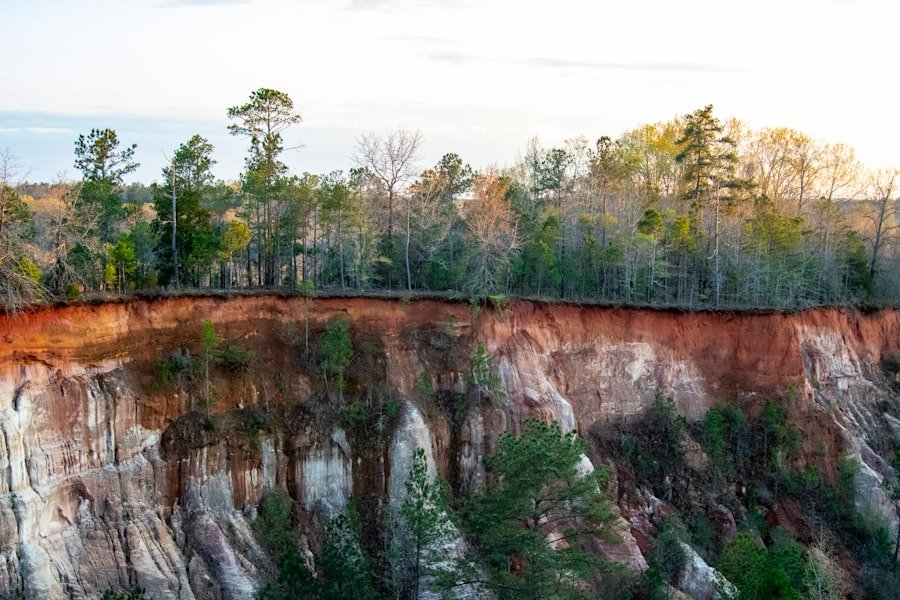
For a mountain experience, head to Cheaha State Park. The park sits at Alabama’s highest point, 2,407 feet above sea level, and offers hiking, overlooks, camping, picnicking, and other outdoor recreation.
Northeast Alabama offers a different landscape at Little River Canyon National Preserve. The National Park Service lists more than 26 miles of trails, from easier woodland walks to strenuous routes descending into the canyon. Little River Falls, near the visitor center area, is a 45-foot waterfall and a natural first stop for many visitors.
For a wilder forest trip, explore Bankhead National Forest, including the Sipsey Wilderness. The U.S. Forest Service notes that some routes to well-known waterfalls are remote and may not be maintained like developed park trails, so navigation and realistic trip planning matter.
Warning: Conditions around waterfalls, canyon edges, wilderness trails, and streams can change with rain and weather. Wear suitable footwear, carry water, stay on appropriate routes, and check National Park Service, U.S. Forest Service, or Alabama State Parks alerts before heading out.
Discover the Quirky and Unique Attractions
Some of Alabama’s best bucket-list stops are memorable precisely because they are difficult to compare with anything else. In Cullman, Ave Maria Grotto sits on the grounds of St. Bernard Abbey. The landscaped hillside contains 125 small stone and cement structures created by Benedictine monk Brother Joseph Zoettl, including miniature interpretations of famous religious buildings and places.
In Scottsboro, Unclaimed Baggage turns lost luggage into an unusual shopping and sightseeing stop. The business describes itself as the nation’s only retailer of lost luggage, and its Scottsboro location also includes a collection of particularly unusual items discovered through the years.
Montevallo offers another unusual stop at Tinglewood Trail in Orr Park, where trees along the walking area feature faces, animals, and other forms carved by local artist Tim Tingle.
For a more industrial kind of unusual attraction, Birmingham’s Sloss Furnaces preserves a former iron-producing complex that is now a National Historic Landmark.
Sloss Furnaces adds a very different perspective to a Birmingham visit. Instead of traditional museum rooms, the historic industrial site preserves the machinery and structures connected with the city’s iron-making history.
Attend Festivals and Events
Events can completely change the feel of an Alabama trip. Mobile’s Mardi Gras is the state’s most famous example. Visit Mobile traces the city’s Mardi Gras tradition to 1703 and promotes Mobile as the home of America’s original Mardi Gras celebration.
During the season, parades, elaborate floats, costumes, mystic societies, and the tradition of tossing items to parade crowds take over parts of the city. Because parade dates, routes, road closures, and schedules change from year to year, travelers should use the official event calendar when planning accommodations and transportation.
Alabama also hosts food festivals, arts events, music gatherings, seasonal celebrations, and small-town festivals throughout the year. Rather than choosing an event only because it appears on a generic annual list, check the official destination or organizer calendar for the year you plan to travel.
Visit Charming Small Towns
Not every Alabama bucket-list stop needs to be a large attraction. Smaller communities can be ideal places to slow down between cities and outdoor destinations.
Fairhope, on the Eastern Shore of Mobile Bay, combines bay views with shopping, galleries, restaurants, and an easygoing downtown atmosphere. It works particularly well as part of a Mobile or Gulf Coast trip.
In northeast Alabama, Mentone provides a mountain-town counterpart. Its setting makes it a natural addition to an itinerary that also includes Lookout Mountain, DeSoto State Park, or Little River Canyon.
These smaller destinations also help balance a trip. Instead of trying to spend every day moving through major museums and attractions, use a town such as Fairhope or Mentone for a slower afternoon of local food, shops, scenery, and walking.
Enjoy Alabama Beaches and Waterways
Alabama’s Gulf Coast gives the state a completely different travel experience. Alabama Tourism highlights Gulf Shores and Orange Beach for their white-sand beaches and Gulf waters, while Dauphin Island combines beaches with wildlife and a quieter island setting.
Gulf Shores is a strong choice for travelers who want a classic beach trip with easy access to restaurants and activities. Orange Beach offers another convenient coastal base, especially for boating and water-oriented recreation. Dauphin Island is worth considering if wildlife, birding, history, and a more relaxed coastal atmosphere rank higher on your list.
Water activities can include swimming, fishing, paddling, dolphin cruises, and boating, depending on destination and conditions. Never assume calm-looking Gulf water means there is no hazard.
Warning: Check the National Weather Service beach forecast and local beach-warning flags before swimming. Rip currents can be dangerous even when the overall risk category is low, particularly around piers, jetties, reefs, and similar structures.
If you’re planning an Alabama road trip, organize the bucket list by region rather than trying to cross the entire state repeatedly. A north Alabama segment can combine Huntsville, Decatur, and Muscle Shoals. A central segment can focus on Birmingham and nearby attractions. Selma, Montgomery, and Tuskegee work naturally as a history-focused route, while Mobile, Fairhope, Gulf Shores, Orange Beach, and Dauphin Island fit together on a coastal trip.
Music fans should make time for the Shoals area. At Muscle Shoals Sound Studio in Sheffield, visitors can step into a historic recording studio associated with generations of notable recordings. Tour times and availability can change, so advance booking is sensible when the studio is a major reason for your trip.
Pro Tip: Do not judge an Alabama itinerary only by the number of attractions you can fit into a day. Distances, museum visits, historic sites, trail conditions, meal stops, and beach time can make a seemingly short list fill an entire day.
Frequently Asked Questions
What is the Alabama bucket list?
An Alabama bucket list is a collection of memorable places and experiences to prioritize while exploring the state. A balanced list normally includes history, outdoor scenery, food, music, science attractions, beaches, cities, and a few unusual destinations.
What are some popular items on the Alabama bucket list?
Popular choices include the U.S. Space & Rocket Center in Huntsville, Birmingham’s civil rights landmarks, the Selma to Montgomery National Historic Trail, Muscle Shoals, Cheaha State Park, Little River Canyon, Bankhead National Forest, Mobile, and the beaches around Gulf Shores and Orange Beach.
How can I use the Alabama bucket list?
Use it as a menu rather than a rigid checklist. Choose the experiences that fit your interests, group nearby destinations into regional segments, check official hours and conditions, and leave enough time to enjoy each stop without spending most of the trip in the car.
Where can I find the Alabama bucket list?
You can use this guide as a starting point and confirm current details through official resources such as the Alabama Tourism Department, National Park Service, Alabama State Parks, U.S. Forest Service, and individual attraction websites.
Are there any hidden gems on the Alabama bucket list?
Yes. Ave Maria Grotto in Cullman, Tinglewood Trail in Montevallo, Unclaimed Baggage in Scottsboro, Mentone, and Sloss Furnaces in Birmingham can add unusual experiences beyond Alabama’s best-known attractions.
How many days do you need for an Alabama bucket-list trip?
A weekend is enough for one region, but covering north Alabama, Birmingham, central Alabama history, and the Gulf Coast is better treated as a multi-day road trip. If time is limited, choose one or two regions instead of trying to cover the entire state.
What is the best time of year for an Alabama road trip?
The best time depends on your priorities. Spring and fall are attractive for many outdoor and city itineraries, summer suits travelers focused on Gulf Coast vacations, and winter can work well for museums, historic sites, and city trips. Check local weather and attraction schedules for the exact dates of your visit.
Is an Alabama bucket-list trip good for families?
Yes. Families can mix interactive attractions such as the U.S. Space & Rocket Center with beaches, parks, short nature walks, unusual roadside stops, and age-appropriate historical sites. Check individual attraction rules, trail difficulty, and operating hours before visiting with young children.
Sources
- Alabama Tourism Department — statewide destination, food, beach, city, and trip-planning information.
- National Park Service: Alabama — Alabama’s National Park Service sites and historical destinations.
- Little River Canyon National Preserve — official waterfall, trail, access, and visitor information.
- U.S. Forest Service: National Forests in Alabama — official information for Bankhead and Alabama’s other national forests.
- U.S. Space & Rocket Center — official museum, exhibit, Space Camp, admission, and visitor information.
- Visit Mobile: Mardi Gras — official destination information for Mobile’s Mardi Gras history, events, and schedules.