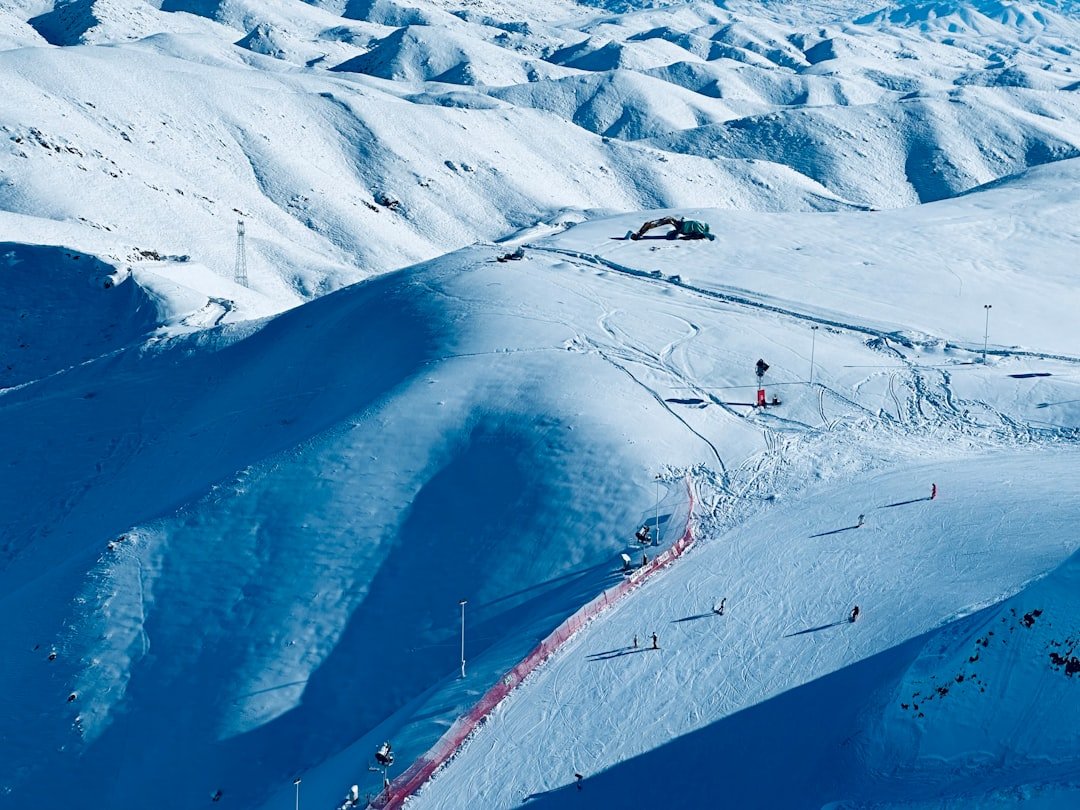
Zermatt sits under the Matterhorn. It links into Matterhorn Ski Paradise, which spans Switzerland and Italy. As of 2026-02-01, the area is marketed with about 360 km of pistes across Zermatt and the Italian side (Cervinia/Valtournenche). That scale is great for intermediate skiers who want lots of blue and red runs, plus huge views.
Key takeaways
- Focus on the big sectors: Gornergrat, Sunnegga/Rothorn, and Schwarzsee/Matterhorn Glacier Paradise.
- Gornergrat and Sunnegga/Rothorn often feel the most forgiving, with wide pistes for steady turns.
- The glacier areas are higher and colder, but they can close more often in strong wind.
- Summer skiing can be possible on the Theodul Glacier, but it depends on conditions and lift times.
Gornergrat – Wide pistes with iconic Matterhorn views
The Gornergrat sector is a strong pick for intermediates. The Gornergrat Railway reaches the mountain station at 3,089 m. From there, you’ll find wide pistes that suit calm carving and confidence-building turns.
It’s also one of the best “ski + scenery” areas in Zermatt. Take a break at huts along the way and keep the day relaxed.
Schwarzsee – Scenic terrain with a bit more bite
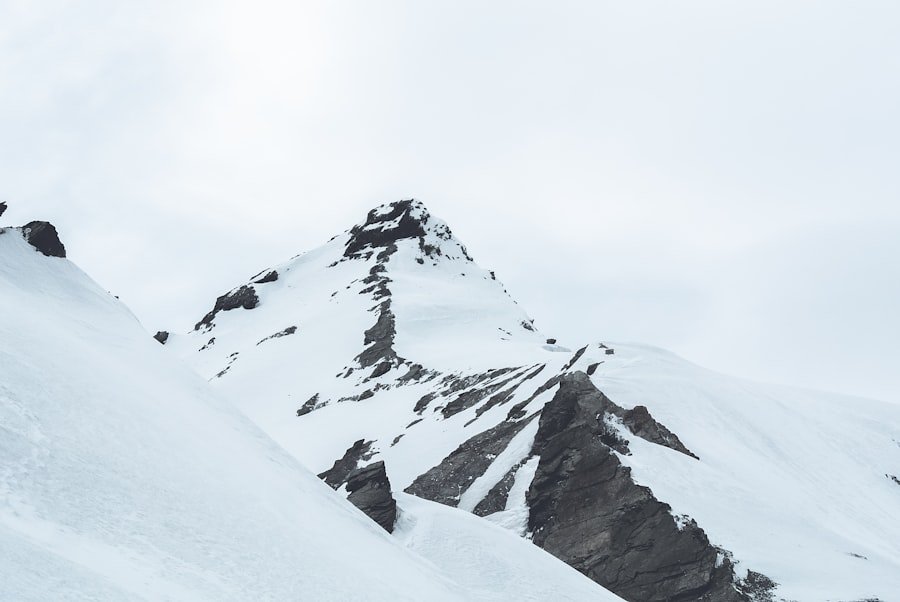
Schwarzsee is right below the Matterhorn. The Schwarzsee station sits at 2,583 m. Runs here often mix easy cruising with short, steeper pitches. It’s a good match if you’re happy on reds and want to handle changing gradients.
Schwarzsee also connects into the higher network. That helps if you want a loop day, as long as the weather holds.
Sunnegga – Fast access and family-friendly skiing
Sunnegga works well for mixed-ability groups. The Sunnegga mountain station is at 2,288 m and the funicular ride from Zermatt takes about 4.5 minutes. From Sunnegga, lifts continue toward Blauherd and Rothorn.
You’ll usually find friendly pistes and plenty of places to stop for food. That mix makes Sunnegga a comfortable base for intermediate skiers.
Theodul Glacier – High-altitude turns (summer can be possible)
Zermatt promotes skiing and snowboarding 365 days a year in the Matterhorn Ski Paradise. In real life, glacier lifts can still close in wind or poor weather.
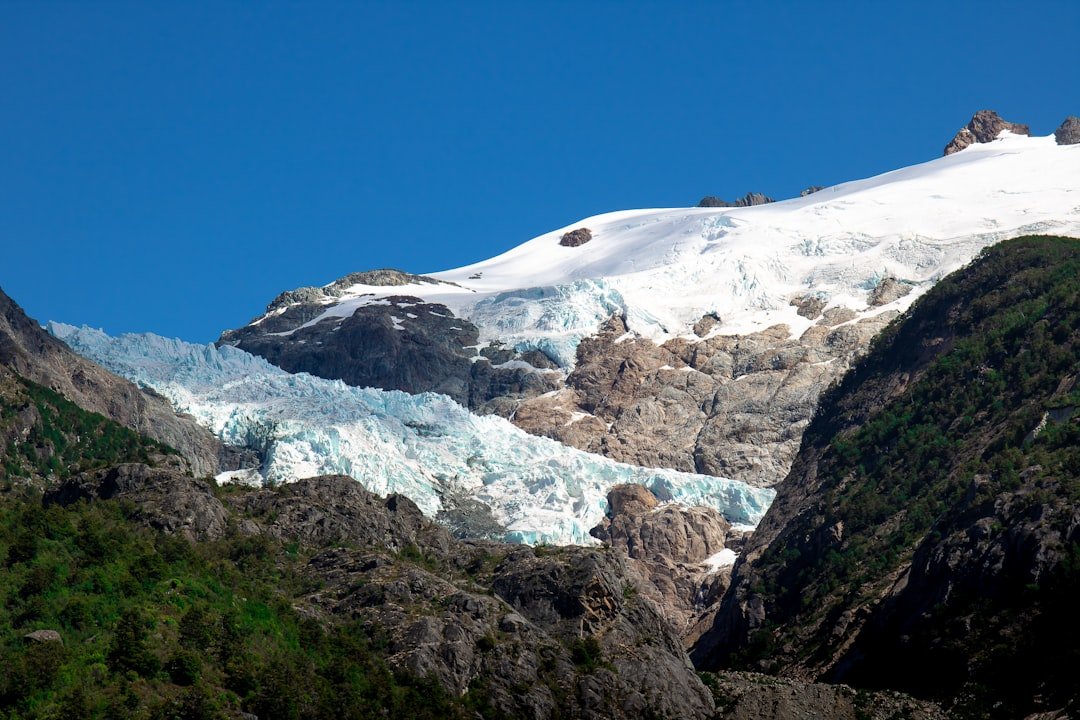
For summer skiing, official visitor info describes up to 21 km of runs on the Theodul Glacier. It also recommends starting early. The summer ski area may close around midday to help protect snow quality.
Rothorn – Great cruising and a classic panorama
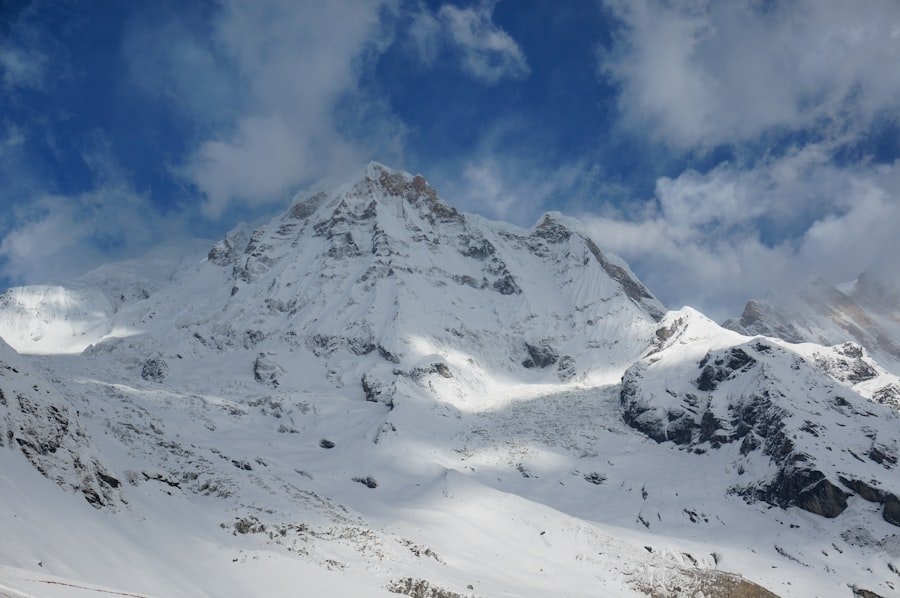
The Rothorn viewpoint is at 3,103 m and delivers one of the classic Zermatt views. The ski terrain includes relaxed cruising, plus a few steeper moments that can help intermediates progress.
Matterhorn Glacier Paradise – Very high, very memorable
Matterhorn Glacier Paradise (Klein Matterhorn) is the highest mountain station in Europe at 3,883 m. On a good day, you get smooth glacier pistes and huge horizons.
Because it’s so high, expect colder temps and more wind exposure. Take breaks. Drink water. Keep a warm layer handy.
Cervinia – Ski into Italy when the link is open
When the link is open, you can ski across to Breuil-Cervinia in Italy. Many pistes there are wide and feel comfortable for intermediates.
Give yourself extra time to return to Zermatt. Be ready to change plans if wind shuts lifts near the border.
Planning notes for intermediates
- Check operations: use the official live lift and piste status each morning.
- Use the piste colors: blue = easy, red = intermediate, black = expert.
- Build up: start lower (Sunnegga) and go higher later if you feel good.
FAQs
What are the best ski runs in Zermatt for intermediate skiers?
Many intermediates like Gornergrat and Sunnegga/Rothorn for wide pistes. Schwarzsee adds variety, and glacier terrain can be great when conditions allow.
What level of skiing ability is required for intermediate runs in Zermatt?
Intermediate skiers are usually comfortable on blue runs and can ski red runs with controlled turns and speed.
Are there any ski schools or instructors available for intermediate skiers in Zermatt?
Yes. Zermatt has several ski schools that offer private and group lessons for intermediate skiers.
What amenities are available in Zermatt’s intermediate ski sectors?
You’ll find mountain restaurants, rental shops, and rest areas across the main lift networks. What’s open can vary by day and season.
What is the best time of year to visit Zermatt for intermediate skiing?
The main winter season is typically December into April. Glacier skiing may be available outside those months, but dates and conditions can change.