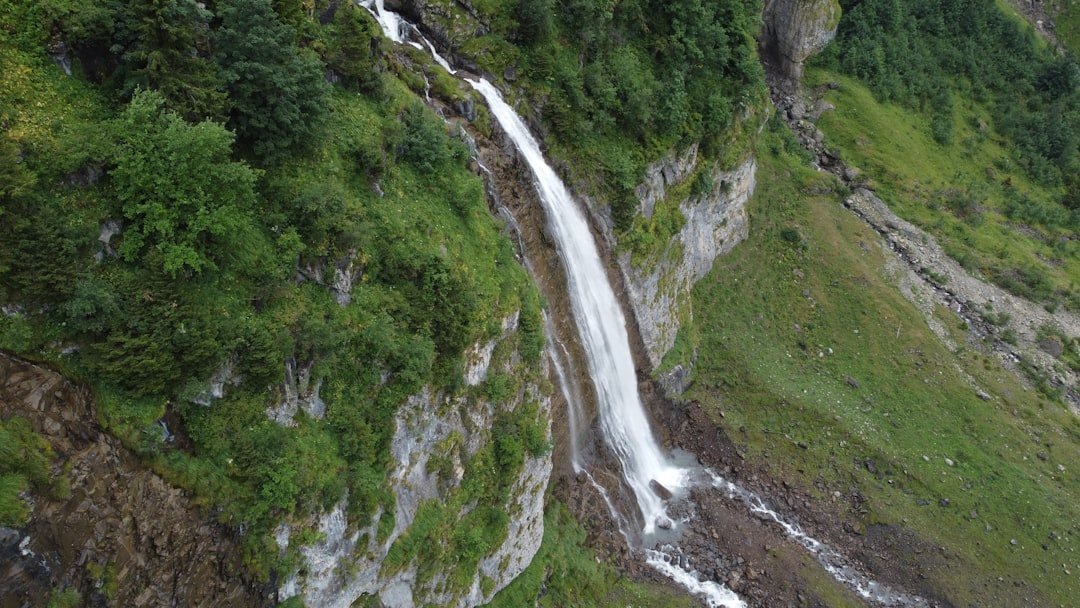
Staubbach Falls is the best-known waterfall in Lauterbrunnen, Switzerland, and one of the valley’s easiest natural sights to visit. The water drops 297 meters from a high cliff beside the village, often breaking into fine spray before it reaches the ground. You can see the falls year-round, while the closer Staubbach Gallery route is seasonal.
Quick Answer
Staubbach Falls is free to visit and is about a 15–20 minute walk from Lauterbrunnen station. The waterfall is visible all year, but the Staubbach Gallery path normally opens from May to October. Early summer usually brings the strongest flow, while winter may cover parts of the falls in ice.
Key Takeaways
- Staubbach Falls drops 297 meters beside Lauterbrunnen and is one of Switzerland’s highest free-falling waterfalls.
- Entry to the waterfall and seasonal gallery is free, although transport and parking cost extra.
- The waterfall is visible year-round; the closer gallery route normally operates from May through October.
- Early summer is usually best for a stronger flow, while morning or evening often gives softer light and fewer people.
- The village-level approach is easy, but the gallery includes stairs, a tunnel, wet surfaces, and uneven footing.
At a Glance
| Time Required | 30–60 minutes for the main view; longer if you climb to the gallery or continue through the valley |
| Difficulty | Easy to the lower viewpoint; moderate for the seasonal gallery because of stairs and wet surfaces |
| Tools Needed | Comfortable shoes; a light rain jacket is useful near the spray |
| Cost | Free entry; parking, trains, buses, food, and nearby attractions cost extra |
Why Staubbach Falls Is Famous
Staubbach Falls is a landmark of the Lauterbrunnen Valley. According to Lauterbrunnen Tourism, the waterfall has a 297-meter drop and is the highest free-falling waterfall in Switzerland. Switzerland Tourism also describes it as one of the highest free-falling waterfalls in Europe.
The name is connected to the clouds of spray that form as the water falls through the air. On windy days, the stream can drift sideways or break into mist before reaching the valley floor. This light, changing appearance is more accurate than describing the falls as a constant, thunderous torrent.
The water falls almost 300 meters, yet wind and spray can make it appear to float above Lauterbrunnen rather than crash straight down.
Staubbach Falls also has literary importance. Johann Wolfgang von Goethe visited the area and was inspired to write “Song of the Spirits Over the Waters” in 1779. The waterfall remains closely tied to Lauterbrunnen’s cultural identity as well as its alpine scenery.
How to Get to Staubbach Falls
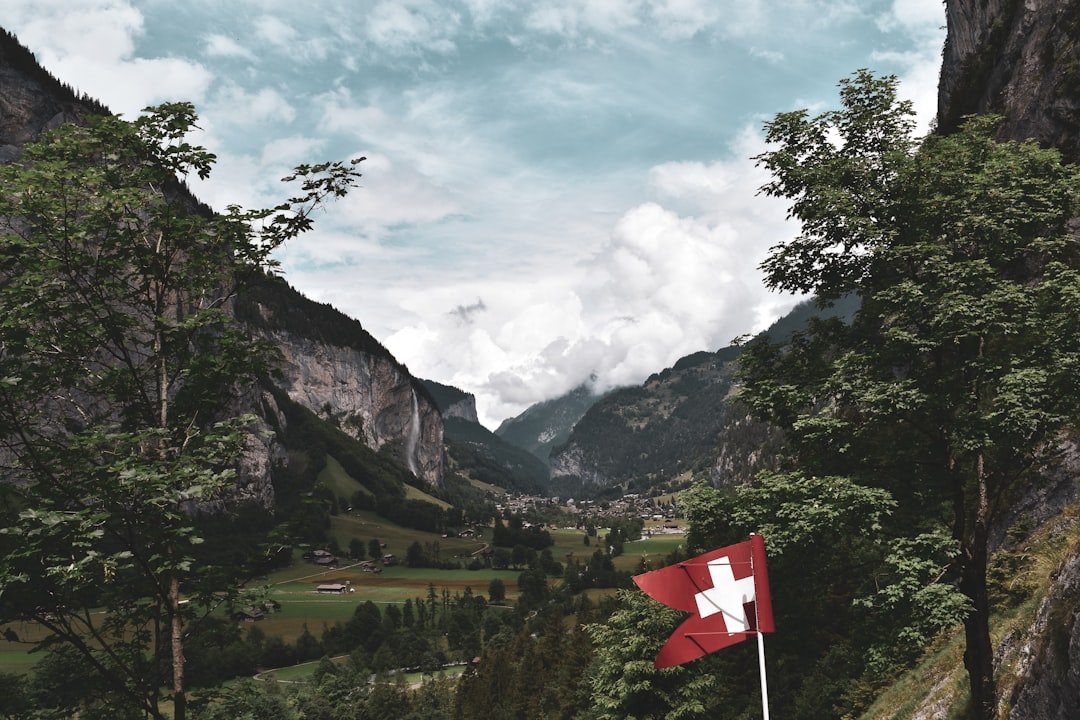
Staubbach Falls stands beside the village of Lauterbrunnen, so you do not need a mountain railway or a long hike to see it. The main approach follows the village road toward the waterfall and then continues to the foot of the cliff.
By Train
Most rail journeys reach Lauterbrunnen through Interlaken Ost. The official Lauterbrunnen arrival guide says the Bernese Oberland Railway journey from Interlaken Ost to Lauterbrunnen takes about 20 minutes. Trains from Zurich, Bern, Basel, and other Swiss cities generally require a connection before the final ride to Lauterbrunnen, so check the current route in the SBB timetable.
From Lauterbrunnen station, allow about 15–20 minutes to walk to the lower waterfall area at an easy pace. The route passes through the village and gives you several clear views before you reach the cliff.
By Car
From Interlaken, the drive to Lauterbrunnen usually takes about 20–30 minutes, depending on traffic and road conditions. The official tourism site lists a multi-storey car park below Lauterbrunnen station and another parking area near the church. Parking can fill during busy summer periods, so arriving early or using public transport can reduce delays.
Pro Tip: Walk from the station instead of waiting for a short village bus ride. The approach gives you classic views of the waterfall above the chalets and helps you spot photo locations for the return walk.
Entrance Fee, Opening, and Gallery Access
There is no entrance fee to view Staubbach Falls or use the seasonal gallery path. The waterfall itself can be admired throughout the year. However, the path to the Staubbach Gallery normally opens from May to October, according to Jungfrau Railways.
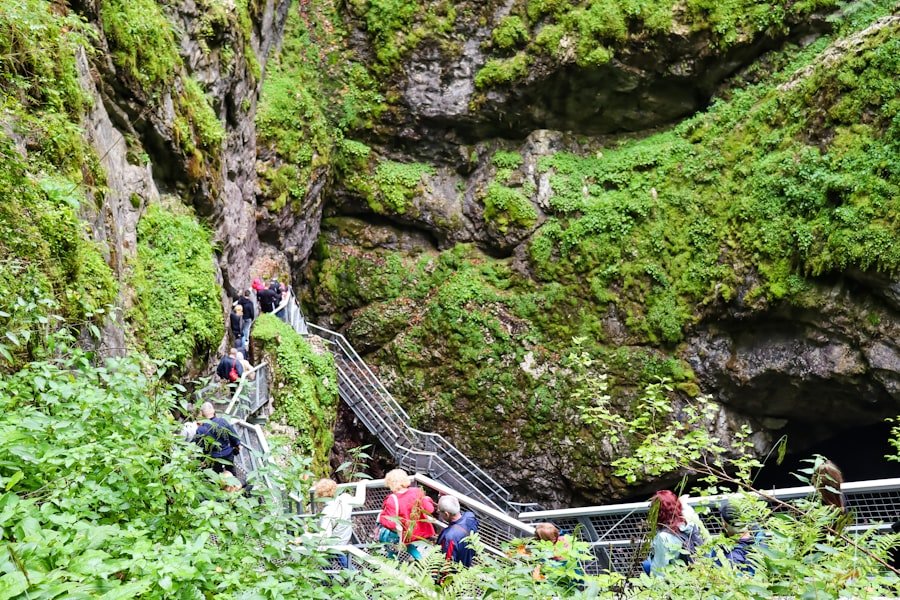
From the foot of the falls, the gallery route climbs into the rock face through a tunnel and secured stairway. It brings you close to the spray and opens a high view across the valley. The route is not a flat promenade, and it may feel steep or slippery when wet.
Note: Seasonal dates and access can change because of weather, maintenance, or local safety decisions. Check the official operating information before making a special trip for the gallery.
Best Times to Visit Staubbach Falls
The best time to visit depends on whether you care most about water flow, hiking weather, photography, or a quieter village experience. The waterfall changes noticeably with snowmelt, rain, wind, temperature, and recent dry weather.
Spring and Early Summer
Late spring and early summer usually bring the strongest flow because melting snow and seasonal rainfall feed the waterfall. Switzerland Tourism identifies early summer as the period when Staubbach carries the most water. This is the best choice if you want a fuller cascade and greener valley scenery.
Mid-Summer
June through August offers long daylight, open hiking routes, and generally convenient access to nearby attractions. It is also the busiest period. Visit early in the morning or later in the evening for fewer people and softer light. The waterfall may be illuminated on summer evenings during the high season, but current schedules can vary.
Autumn
Autumn can bring cooler walking conditions and colorful trees, but the water flow is not guaranteed to remain strong. After a dry period, Staubbach may look thin and windblown. Recent rain can quickly make it more visible again.
Winter
The waterfall remains visible in winter and may become partly iced over. Snow can create a beautiful contrast with the dark cliff, but the gallery is normally closed. Roads, paths, and parking areas may also be icy, so wear suitable footwear and check conditions before setting out.
Things to Do at Staubbach Falls
| Activity | What to Expect |
|---|---|
| Walk to the base | An easy village walk with increasingly close views of the 297-meter drop. |
| Climb to the gallery | A seasonal tunnel-and-stair route that brings you close to the spray. |
| Photography | Village, meadow, cliff, and close-up compositions from several angles. |
| Picnic and sightseeing | A picnic and playground area is located near the Lauterbrunnen car park. |
| Dining | Restaurants and cafés in the village offer convenient stops before or after the walk. |
Walking is the main activity. The village route gives you wide views, while the seasonal gallery creates a closer experience with the mist and cliff. You can also continue along the Lauterbrunnen Valley for a longer, mostly gentle outing.
Photography works well throughout the day, but the direction of light and wind changes the look of the falls. A breeze can carry the stream sideways, while calm conditions make the drop appear more vertical. Benches and open viewpoints around the village provide places to pause without blocking the path.
Guided valley walks and local tours may be available through private operators. If you want a geology, history, or photography-focused experience, check current options with Lauterbrunnen Tourism rather than assuming tours run every day.
How Long to Spend at Staubbach Falls
Allow 30–60 minutes for the main visit. That gives you enough time to walk from the village, take photographs, and spend a few minutes near the lower viewpoint. Add about 30 minutes if the gallery is open and you plan to climb the stairs carefully.
A simple half-day plan is to visit Staubbach Falls early, walk through Lauterbrunnen, have lunch, and then continue by bus or on foot toward Trümmelbach Falls. A full day can also include Mürren, Wengen, or Schilthorn, but mountain transport and weather can make an overpacked schedule stressful.
Safety Tips for Visiting Staubbach Falls
Mist, rain, and runoff can make the ground slippery, especially near the cliff and inside the gallery. Wear shoes with dependable grip, keep to marked routes, and use handrails where provided. Do not climb barriers or step onto wet rocks for a photograph.
Warning: The gallery includes stairs, a tunnel, damp surfaces, and exposed viewpoints. Turn back if the path is closed, icy, crowded beyond your comfort level, or unsuitable for anyone in your group.
Mountain weather can change quickly. Carry a light waterproof layer, especially if you plan to enter the gallery. In winter, watch for black ice in the village and on approach roads. Keep children close near stairs, cliff edges, and busy roadside sections.
Use a camera strap when taking pictures near railings or wet ground. A dropped phone or camera is not worth crossing a barrier or leaving the marked path.
Accessibility and Family Considerations
Switzerland Tourism lists the Staubbach experience as partially accessible. The lower waterfall can be viewed from the village and easier approach areas, but the gallery is not step-free because it uses stairs, a tunnel, and a secured path through the rock.
Families can enjoy the lower viewpoint without completing the gallery climb. A picnic and playground area near the car park can also help when visiting with children. Parents should judge the gallery based on each child’s balance, comfort with stairs, and ability to follow safety instructions.
Travelers with limited mobility should contact Lauterbrunnen Tourism for current route conditions and the most suitable viewing point. Seasonal construction, snow, and wet weather can change how easy the approach feels.
Nearby Attractions to Visit
Trümmelbach Falls
Trümmelbach Falls contains ten glacial waterfalls inside a mountain and is reached by a combination of tunnel lift, stairs, and passages. It is generally open from early April into November, depending on weather. The site does not allow babies and children up to age four or dogs because of safety risks. Check current hours and rules before visiting.
Trümmelbach Falls is often described alongside the UNESCO-listed Swiss Alps Jungfrau-Aletsch region, but it should not be presented as a separately inscribed UNESCO World Heritage site.
Schilthorn and Mürren
Schilthorn offers high-alpine views and the revolving Piz Gloria restaurant associated with the James Bond film On Her Majesty’s Secret Service. The modernized Schilthorn cableway project reached its final operating milestone in April 2026. Routes, weather, and maintenance can still affect service, so check the official timetable before leaving Lauterbrunnen.
Wengen and Valley Walks
Wengen sits above the opposite side of the valley and offers broad views toward Staubbach Falls. It is reached by mountain railway from Lauterbrunnen. The valley floor also has walking routes toward Stechelberg, giving you an easy way to combine waterfalls, farms, and mountain scenery.
Interlaken
Interlaken is the main transport hub for reaching Lauterbrunnen and offers a wider range of shops, restaurants, lake trips, and adventure activities. It works well as a base if accommodation in Lauterbrunnen is full or if you plan to explore several parts of the Bernese Oberland.
Accommodation Options Near Staubbach Falls
Lauterbrunnen has hotels, guesthouses, holiday apartments, hostels, and campsites. Staying in the village gives you easy early-morning and evening access to the falls, while Interlaken usually offers more lodging and dining choices.
Hotel Staubbach and Hotel Silberhorn are established village options within walking distance of the waterfall and station. Amenities, room types, seasonal opening dates, and parking policies can change, so confirm current details directly before booking. Traditional chalets and apartments can provide more space for families or longer stays.
Camping is also available in the valley, including sites close to the cliff and waterfall. Book early for summer, follow each campsite’s cooking and quiet-hour rules, and prepare for cool nights even after warm days.
Note: Accommodation prices and opening dates change by season. Use the official Lauterbrunnen accommodation directory or the property’s own website for current availability.
Tips for Capturing the Best Photos of Staubbach Falls
Early morning and late afternoon usually provide softer light than midday. Morning can also be quieter, while evening may add warm light to the cliff and mist. Check the direction of the sun and wind before choosing your main viewpoint.
- Use a wide view: Include the village, church, meadow, or cliff to show the waterfall’s scale.
- Try a faster shutter speed: This can freeze droplets and windblown spray.
- Try a slower shutter speed: Use a tripod or stable support to create smoother water, but avoid blocking paths.
- Protect your lens: Carry a cloth because fine mist can quickly cover the glass near the gallery.
- Add foreground interest: Flowers, fences, rocks, or chalet roofs can lead the eye toward the waterfall.
- Edit lightly: Adjust exposure, contrast, and color without making the water or cliffs look unnatural.
The best photo is not always the closest one. Views from the village and the opposite side of the valley often show the full height more clearly than the base.
Responsible Visiting Tips
Lauterbrunnen is a working village, not only a photo stop. Stay on public paths, respect private property, keep noise low near homes, and do not block roads or driveways while taking pictures. Use marked parking areas and carry out any litter.
When paths are busy, step aside before setting up a tripod. Follow local signs, closures, and staff instructions, especially around the gallery and nearby farms.
Frequently Asked Questions
What is Staubbach Falls?
Staubbach Falls is a 297-meter free-falling waterfall beside Lauterbrunnen in Switzerland’s Bernese Oberland. It is the village’s best-known landmark and one of the highest free-falling waterfalls in Europe.
How do I get to Staubbach Falls?
Take the train to Lauterbrunnen, usually via Interlaken Ost, then walk through the village toward the falls. The lower waterfall area is about a 15–20 minute walk from the station for most visitors.
Is there an entrance fee for Staubbach Falls?
No. Viewing the waterfall and using the seasonal Staubbach Gallery are free. You still need to pay for train or bus tickets, parking, food, accommodation, and any paid nearby attractions.
When is the Staubbach Gallery open?
The gallery normally opens from May to October. Weather, maintenance, and safety conditions may change access, so check official local information before your visit.
What is the best time to visit Staubbach Falls?
Early summer usually has the strongest flow because of snowmelt and rain. Morning and evening are often better for softer light and fewer visitors. The waterfall is visible year-round, but the gallery is seasonal.
Is Staubbach Falls wheelchair accessible?
The experience is only partially accessible. You can see the waterfall from easier village-level viewpoints, but the gallery includes stairs and a tunnel and is not step-free. Ask Lauterbrunnen Tourism about current route conditions.
Are there hiking trails near Staubbach Falls?
Yes. You can follow village and valley-floor paths toward Stechelberg, connect with routes to nearby waterfalls, or use mountain transport to reach higher hiking areas around Wengen and Mürren. Check trail status and weather before longer walks.
Sources
- Jungfrau Railways: Staubbach Falls — height, Goethe connection, year-round viewing, and May-to-October gallery season
- Switzerland Tourism: Staubbach Falls — 297-meter drop, early-summer flow, gallery experience, and partial accessibility
- Lauterbrunnen Tourism: Arrival — train route, driving time, and official parking locations
- Swiss Federal Railways — current public-transport journey planning
- Trümmelbach Falls official site — seasonal operation, ten glacial waterfalls, and visitor safety restrictions
- Schilthorn Cableway: April 2026 project update — completion and operation of the modernized cableway system