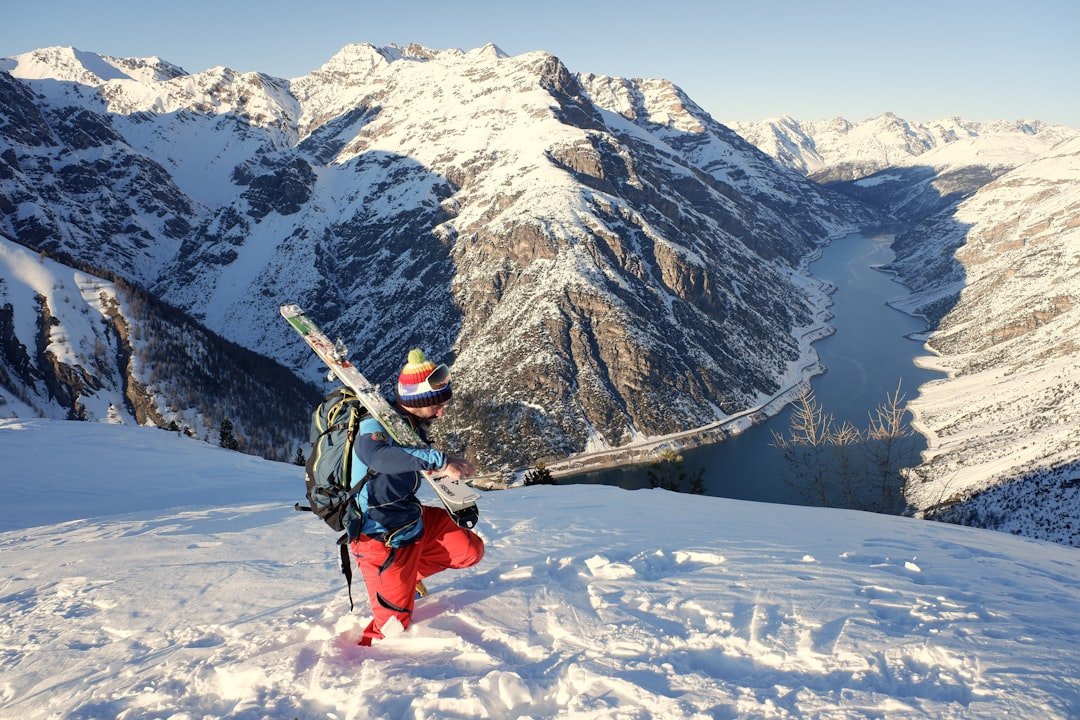
Gstaad combines a famous chalet village with a varied winter-sports region stretching from lower, family-friendly slopes to high-alpine terrain at Glacier 3000. The village itself sits at about 1,050 metres, while skiing in the wider holiday region reaches roughly 3,000 metres. Instead of one single continuous ski mountain, you can choose between several sectors, making Gstaad suitable for beginners, families, confident intermediates, advanced skiers, and visitors who want as much dining and relaxation as time on the slopes.
Quick Answer
Gstaad offers about 200 kilometres of ski slopes across several areas, from beginner-friendly Wispile to the large Rinderberg-Horneggli sector and high-altitude Glacier 3000. For the widest choice of terrain, plan for December through March, check live lift conditions before skiing, and reserve lessons, restaurants, and accommodation early during busy weeks.
Key Takeaways
- The Gstaad holiday region has about 200 kilometres of skiing between roughly 1,000 and 3,000 metres.
- Wispile is a strong choice for beginners and families, while Rinderberg-Saanersloch-Horneggli offers the region’s largest interconnected ski area.
- Signature runs include the 7.5 km La Videmanette descent, the Mike von Grünigen Run at Horneggli, and the demanding Tiger Run on Wasserngrat.
- December through March is the most practical period for accessing a broad range of Gstaad terrain, while Glacier 3000 normally offers a longer high-altitude season.
- Off-piste skiing requires avalanche knowledge, appropriate rescue equipment, current conditions, and sound decision-making. A professional guide reduces risk but cannot remove it.
Best Ski Areas and Runs in Gstaad
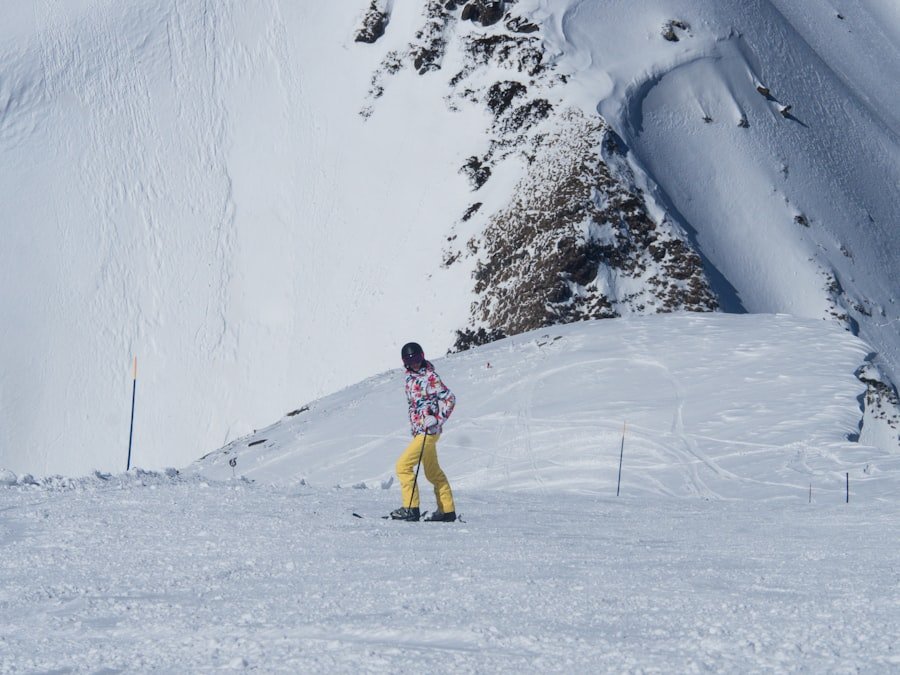
Gstaad’s winter offering is spread across several mountains and villages. The official destination describes around 200 kilometres of slopes, with terrain ranging from easy learning zones to demanding black pistes and high-alpine skiing. Before choosing a mountain, check the current lift and piste status because weather, snow, and operating schedules can affect which runs are available. You can review the official Gstaad skiing and snowboarding information before your ski day.
Wispile: Best for Beginners and Families
Wispile is one of the easiest areas to understand if you are learning to ski or travelling with young children. The official ski guide highlights the beginner area in the valley and family-friendly terrain around Gstaad’s local mountain. This makes it a practical place for first turns before progressing to longer pistes elsewhere in the region.
Beginners should not feel pressure to cover the entire destination. A shorter day on easy terrain, combined with a lesson, often produces more progress than repeatedly attempting runs that are too difficult.
Rinderberg-Saanersloch-Horneggli: Best for a Full Day of Exploring
The Rinderberg-Saanersloch-Horneggli sector is the largest interconnected ski area in the Gstaad holiday region, with about 105 kilometres of pistes. It connects terrain around Schönried, Saanenmöser, Zweisimmen, and St. Stephan, giving confident skiers enough variety for a full day without constantly returning to the same slopes.
At Horneggli, the Mike von Grünigen Run is a verified highlight. The run is about 3.1 kilometres long with roughly 555 metres of vertical descent and includes changes in gradient, compressions, waves, and terrain suited to confident carving.
La Videmanette: Best for a Long Descent
La Videmanette provides the longest marked descent highlighted by Gstaad Tourism. The route is about 7.5 kilometres long and drops roughly 1,160 vertical metres. It includes red and blue sections, so it is not simply an expert-only run, but skiers should still be comfortable controlling speed over a long descent.
Wasserngrat and the Tiger Run: Best for Advanced Skiers
Advanced skiers looking for a serious piste challenge should consider Wasserngrat. The black section of the Tiger Run is about 2.5 kilometres long and is identified by Gstaad Tourism as the steepest piste in the holiday region.
This is a better documented advanced recommendation than relying on vague claims that every local mountain has difficult black terrain. Check whether the run is open and assess the snow surface before committing to it.
Eggli: Convenient Skiing Close to Gstaad
Eggli is Gstaad’s local mountain and works well when you want convenient access from the village, mountain dining, and a less complicated ski day. It can also be useful for mixed groups that value scenery and relaxed mountain time as much as difficult terrain.
Glacier 3000: High-Altitude Skiing
Glacier 3000 extends the region’s skiing to much higher elevations. Its official information describes skiing from around 3,000 metres down toward 1,300 metres, with glacier pistes, a snowpark during part of the early season, demanding descents, and freeride itineraries.
Among its major marked descents are the Red Run, Combe d’Audon, and Black Wall. Glacier 3000 normally has a longer season than the lower Gstaad sectors, but weather and snow can still interrupt individual lifts or pistes.
For verified lengths and difficulty information on the region’s major pistes, see the official Gstaad ski highlights.
Best Time to Ski in Gstaad
December through March is the most useful general window for a Gstaad ski holiday because a broader selection of lower and mid-mountain terrain is normally operating during the heart of winter. Exact opening dates still vary by sector, snowfall, altitude, and weather.
Glacier 3000 extends the possibilities at both ends of the main season. Its published ski information describes regular skiing from November through the end of April. This does not mean every piste across the entire Gstaad region is available for that whole period.
Note: Never plan a ski day from calendar dates alone. Check the destination’s live lift, piste, snow, and weather information before travelling to a specific sector.
If you have fixed travel dates, January and February usually give you a better chance of finding a broad winter offering than very early or late season. If high-altitude skiing is your priority, Glacier 3000 can provide additional options outside the core period.
Ski Passes and Getting Around Gstaad
Understanding ticket coverage matters because Glacier 3000 is handled differently depending on the type of pass. For winter 2026/27, Bergbahnen Destination Gstaad states that standard Gstaad day tickets cover the Gstaad ski area but exclude Glacier 3000. Multi-day Gstaad ski tickets are valid across the Gstaad ski resort and include Glacier 3000.
Day and half-day tickets use seasonal fixed pricing in 2026/27, while multi-day tickets continue to use a dynamic pricing system. That means booking a multi-day ticket earlier can be worthwhile when your travel dates are firm. Always check the current official Gstaad winter tariff information before purchasing because ticket conditions can change between seasons.
Pro Tip: Decide whether Glacier 3000 is part of your itinerary before buying tickets. A pass that looks cheaper can be poor value if you later need separate access to the high-altitude sector.
You do not necessarily need a car for every ski day. Ski buses operate on selected routes during the main winter period, and trains connect several villages in the region. This can make it practical to stay in Gstaad while skiing sectors reached from Schönried, Saanenmöser, Zweisimmen, or other nearby bases.
Skiing and Snowboarding Lessons in Gstaad
Gstaad has several snow-sports schools and providers offering lessons for children and adults. Options include group instruction, private teaching, children’s learning areas, and coaching for skiers or snowboarders who already have experience.
The destination’s official snow-sports school directory lists local providers and is the best starting point for comparing current options.
Group Lessons
Group lessons can work well for beginners who enjoy learning with others and want to keep lesson costs lower. They are also useful for children when the group is divided carefully by age and ability.
Private Lessons
A private instructor is useful when you want faster feedback, have a specific technical problem, are returning after a long break, or want an experienced local to help you choose terrain appropriate to your ability.
Lessons for Experienced Skiers
Strong intermediates and advanced skiers can use coaching to work on carving, variable snow, steeper pistes, or efficient movement. If your goal is freeride or backcountry skiing, choose an instructor or mountain professional specifically qualified for the terrain and conditions you plan to enter.
Après-Ski Activities in Gstaad
Gstaad’s après-ski style ranges from mountain terraces and quiet cafés to polished hotel bars and late-night clubs. You do not have to choose a party-focused trip to enjoy the village after skiing.
GreenGo at the Gstaad Palace is one of the destination’s best-known nightlife venues. It operates seasonally and focuses on DJs, dancing, and late-night events, so check the current schedule and entry requirements before planning an evening around it.
For something quieter, Gstaad has coffee shops, tearooms, hotel lounges, and pastry shops. Charly’s, for example, is currently listed by Gstaad Tourism as a coffee shop and tea room rather than the fondue restaurant described in older information about the village.
You can also build an après-ski evening around a spa visit, a relaxed drink, or an early dinner. This is particularly useful for families or for skiers who want to recover before another full day on the mountain.
Gstaad’s Top Restaurants and Dining Options
The Gstaad region has a broad dining scene ranging from fondue and raclette to international hotel dining and modern cuisine. Restaurant ratings change too quickly to be useful in a long-lived ski guide, so it is better to compare restaurants by style, location, and the type of meal you want.
| Restaurant | Style | Good For |
|---|---|---|
| LEONARD’s at Le Grand Bellevue | International fine dining | A refined hotel dinner |
| Hotel Olden Restaurant | International cuisine | Classic central-Gstaad dining |
| La Fromagerie, Gstaad Palace | Fondue and raclette | Traditional Swiss winter flavours |
| The Alpina Gstaad dining venues | Swiss, Japanese, and contemporary options | Choice within a luxury hotel setting |
If fondue or raclette is the priority, La Fromagerie at the Gstaad Palace is a much better fit than the earlier recommendation of Charly’s. La Fromagerie is a winter restaurant known for Swiss cheese dishes, while Charly’s is a café and tearoom.
For special dinners, book ahead during Christmas, New Year, February school-holiday periods, and major local events. Seasonal hotels may also operate their restaurants only while the hotel itself is open.
Gstaad’s Luxury Accommodation Options
Gstaad is well known for high-end hotels and private chalets. The Gstaad Palace is one of the village’s landmark hotels, while The Alpina Gstaad combines a modern luxury setting with extensive dining and wellness facilities. Le Grand Bellevue is another central option with restaurants, spa facilities, and easy access to the village.
A luxury hotel can make sense even for a ski-focused trip because ski storage, transfers, concierge help, spas, and restaurant reservations reduce the amount of daily planning. On the other hand, an apartment or chalet can be more practical for families or groups who want a kitchen and more living space.
Where Should Skiers Stay?
- Central Gstaad: Best for restaurants, shopping, nightlife, and a polished village atmosphere.
- Schönried or Saanenmöser: Useful if quick access to the Rinderberg-Saanersloch-Horneggli sector matters more than staying in central Gstaad.
- Near Glacier 3000: Worth considering when high-altitude skiing is the main reason for the trip.
- Private chalet or apartment: Often practical for larger families and groups who need more space.
Wherever you stay, check the walking distance to a station, ski-bus stop, or lift rather than judging a property only by its distance from the centre of Gstaad.
Off-Piste Adventures in Gstaad
Gstaad and Glacier 3000 offer access to freeride and backcountry terrain, but off-piste skiing is fundamentally different from skiing on secured pistes. Snow that looks untouched and inviting can contain avalanche hazards that are not obvious from the surface.
Warning: Outside secured pistes, you are responsible for assessing avalanche and terrain hazards. Switzerland’s SLF recommends checking the current avalanche bulletin and carrying an avalanche transceiver, shovel, and probe. If you do not have avalanche training and practical rescue skills, stay on secured runs or go with a suitably qualified professional.
The Swiss Institute for Snow and Avalanche Research notes that most avalanche accidents occur outside secured pistes. Its official avalanche bulletin provides current regional hazard information during winter.
A professional guide can help with route selection, terrain assessment, and local conditions, but no guide can guarantee that avalanche terrain is completely safe. Conditions can change during the day, and the avalanche danger level is a regional forecast rather than a promise about an individual slope.
Snowshoeing as an Alternative
If you want a quieter mountain experience, Gstaad also has snowshoe routes through forests, valleys, and open alpine terrain. Marked snowshoe routes can be more accessible than ski touring, but they still require suitable footwear, winter clothing, route planning, and attention to weather and avalanche conditions.
Other Winter Activities in Gstaad
You do not need to ski every day. Gstaad’s winter offering also includes winter walking, snowshoeing, sledding, cross-country skiing, spas, shopping, and mountain restaurants. A rest or non-ski day can be especially useful during a week-long trip because it gives tired legs time to recover.
Families can combine short ski sessions with easier winter activities instead of expecting children to spend an entire day skiing. Couples and non-skiers can also reach selected mountain restaurants and viewpoints using lifts that accept pedestrian passengers.
Gstaad’s Winter Events and Festivals
Gstaad has cultural and seasonal events in winter, but it is important not to confuse its summer festivals with its ski-season calendar.
The Menuhin Festival Gstaad is a major classical-music event, but it is a summer festival. The 70th edition runs from July 16 to September 5, 2026, so it should not be used as a January ski-trip attraction.
A genuine winter classical-music highlight is Sommets Musicaux de Gstaad, scheduled for January 29 to February 6, 2027. December visitors can also find seasonal markets in the wider holiday region, including the Saanen Christmas market on selected December 2026 dates.
Snowparks are another source of winter activity, but they are facilities rather than festivals. Glacier 3000 normally operates its early-season snowpark from November into early January when conditions allow.
Because dates can change from one winter to another, check the official Gstaad events calendar before arranging accommodation around a specific event.
Practical Tips for a Gstaad Ski Trip
- Check live conditions each morning: Wind, visibility, snowfall, and maintenance can affect lift and piste openings.
- Match the mountain to your ability: Beginners can start around Wispile, while stronger skiers can explore Horneggli, La Videmanette, Wasserngrat, and Glacier 3000.
- Carry layers: Temperatures can differ greatly between the village and high-altitude lifts.
- Use sun protection: UV exposure can be strong at altitude, even on cold days.
- Wear a properly fitted helmet: It is a simple precaution for skiers and snowboarders of all abilities.
- Reserve popular services early: Ski lessons, special restaurants, and central accommodation can fill during peak holiday periods.
- Keep footwear practical: Snowy or icy village streets can be slippery even when you are not skiing.
- Know your insurance: Ski passes do not automatically cover every rescue, transport, or medical expense.
Frequently Asked Questions
What are the best ski areas in Gstaad?
Wispile is a good choice for beginners and families. Rinderberg-Saanersloch-Horneggli offers the largest interconnected area, La Videmanette has a long 7.5 km descent, Wasserngrat has the demanding Tiger Run, and Glacier 3000 provides high-altitude skiing.
What is the best time to visit Gstaad for skiing?
December through March is the most practical period if you want access to a broad range of Gstaad ski terrain. Glacier 3000 normally has a longer high-altitude season from November through the end of April, subject to snow, weather, and operating conditions.
Is Gstaad good for beginner skiers?
Yes. Wispile has beginner-friendly terrain and learning areas, and several snow-sports schools offer group and private lessons. Beginners should start on easy terrain and progress gradually rather than choosing a pass based only on the total number of kilometres available.
Which Gstaad runs are best for advanced skiers?
Advanced skiers can consider the black section of the Tiger Run on Wasserngrat, challenging terrain at Glacier 3000, and technical skiing around Horneggli. Always check the current piste status and conditions before choosing difficult terrain.
Are ski schools and instructors available in Gstaad?
Yes. The Gstaad holiday region has several snow-sports schools and independent providers offering private and group lessons for children and adults, from first-time skiing to more advanced technique work.
Does a Gstaad ski pass include Glacier 3000?
For winter 2026/27, standard Gstaad day tickets exclude Glacier 3000, while Gstaad multi-day ski tickets include it. Ticket products can change, so confirm the current conditions on the official tariff page before purchasing.
What après-ski activities are available in Gstaad?
Options include mountain restaurants, cafés and tearooms, hotel bars, spas, shopping, and seasonal nightlife such as GreenGo at the Gstaad Palace. Opening periods vary, so check current schedules before visiting a specific venue.
Is off-piste skiing in Gstaad safe?
Off-piste skiing can expose you to avalanches and other alpine hazards. Check the SLF avalanche bulletin, carry appropriate rescue equipment, and make sure you have the training to use it. Skiers without avalanche experience should remain on secured pistes or use a suitably qualified professional.
Sources
- Gstaad Saanenland Tourism: Skiing & Snowboarding — ski-area scale, elevations, and general winter-sports information.
- Gstaad Saanenland Tourism: Ski Highlights — La Videmanette, Mike von Grünigen Run, Tiger Run, and Wispile guidance.
- Bergbahnen Destination Gstaad: Winter Tariffs — 2026/27 day-ticket, multi-day-ticket, Glacier 3000, and transport details.
- Gstaad Saanenland Tourism: Snowsports Schools — current lesson and instructor options.
- WSL Institute for Snow and Avalanche Research SLF — official Swiss avalanche forecasts and backcountry safety information.
- Gstaad Saanenland Tourism: Events — current winter cultural, sporting, and seasonal events.