Gstaad gives intermediate skiers plenty of room to progress, but choosing the right terrain is easier when you separate individual pistes from the wider ski areas around Gstaad, Schönried, Saanenmöser, Zweisimmen and Rougemont. The destination combines relaxed groomed cruising, long valley descents and more technical terrain, so you can build a ski day around your confidence rather than simply following the nearest lift.
Quick Answer
For intermediate skiers, Gstaad’s strongest choices are the Rinderberg-Saanersloch-Horneggli network for variety, La Videmanette for a long scenic descent, and Eggli for relaxed groomed skiing. Confident intermediates can try the Mike von Grünigen Run, while Wispile is better suited to easier practice and family progression.
Key Takeaways
- The Rinderberg-Saanersloch-Horneggli sector is the best starting point for intermediates who want a large choice of terrain.
- La Videmanette offers Gstaad’s officially promoted 7.5 km long descent, with 1,160 m of vertical difference and a mixture of red and blue sections.
- The Mike von Grünigen Run on Horneggli is better for confident intermediates because it includes steeper transitions, compressions, jumps and waves.
- Wispile is useful for easier progression and families, especially when someone in the group is not yet ready for sustained intermediate terrain.
- Check the live piste and lift report before committing to a route because snow, visibility and open connections can change the difficulty of your day.
The Best Intermediate Ski Runs for Scenic Views
Gstaad’s scenery is part of the attraction, but the most useful scenic recommendations for an intermediate skier are routes that combine views with manageable, groomed terrain. Two of the strongest choices are La Videmanette and the interconnected Rinderberg-Saanersloch-Horneggli area.
La Videmanette to Rougemont
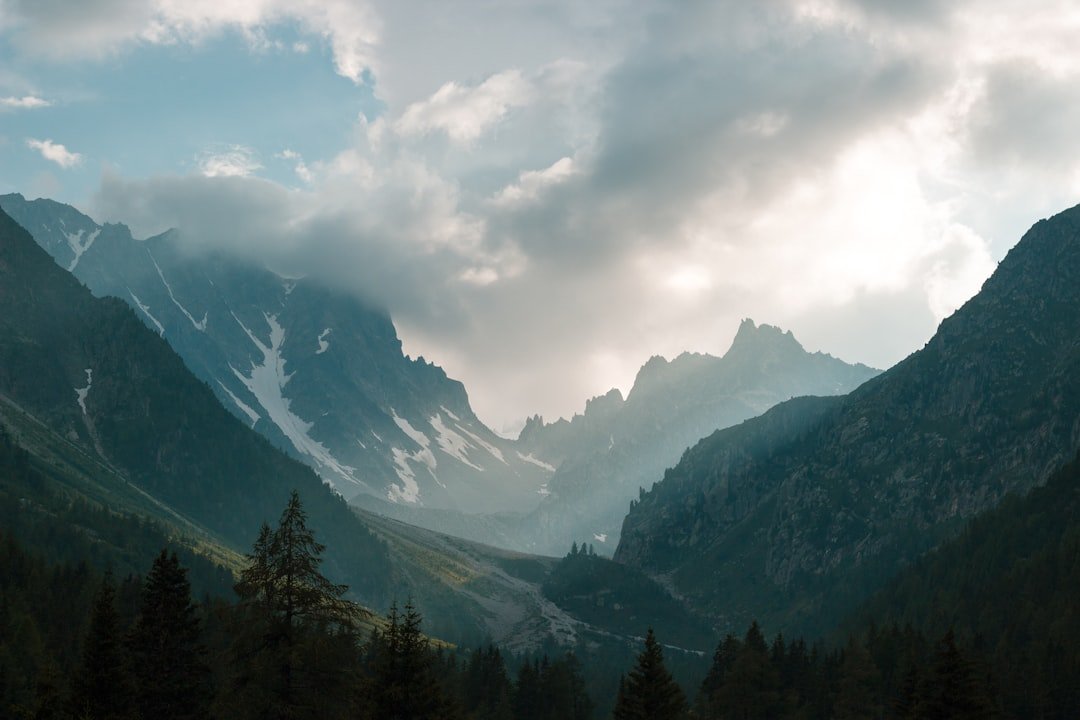
La Videmanette is one of the clearest recommendations because Gstaad officially highlights its valley descent as the longest piste journey in the destination. The full descent covers 7.5 km and loses 1,160 m of elevation. It includes both red and blue sections, so it offers more variety than a single uniform intermediate piste.
The length is part of the challenge. A skier who is comfortable linking parallel turns on red pistes should find it a rewarding objective, while a newly promoted intermediate may prefer shorter runs first. The descent also gives you time to settle into a rhythm rather than repeatedly stopping for lifts.
You can check current information about the area on the official Eggli and La Videmanette page.
Rinderberg, Saanersloch and Horneggli
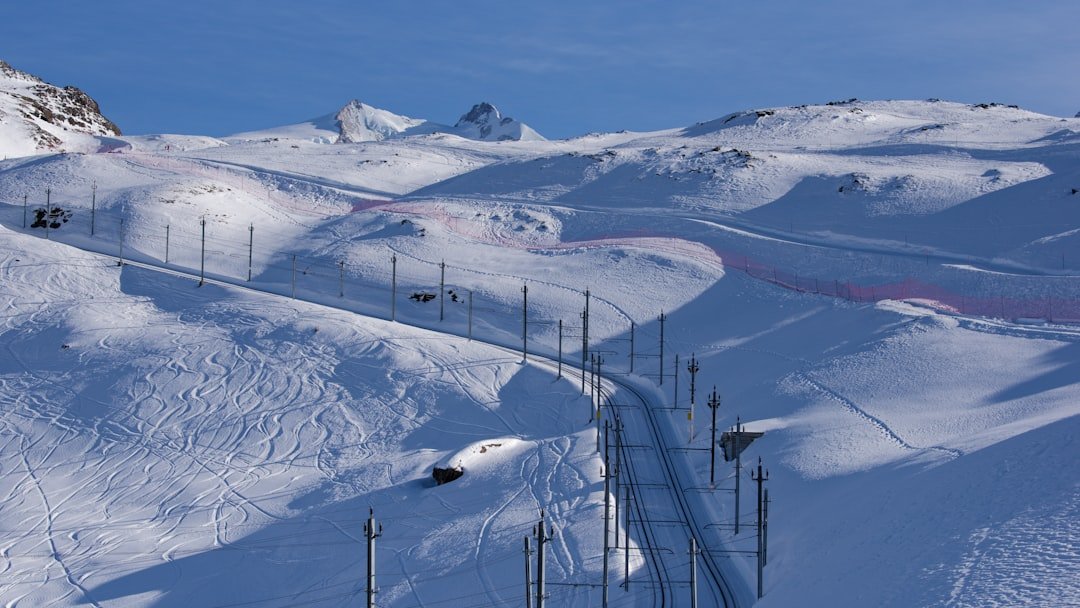
The interconnected Rinderberg-Saanersloch-Horneggli sector is a better choice when variety matters more than completing one famous descent. Bergbahnen Destination Gstaad describes it as its largest ski area, with 105 km of pistes accessed from Zweisimmen, Saanenmöser and Schönried.
For an intermediate skier, that size gives you room to adjust the day as your confidence changes. You can stay on comfortable groomed terrain, move toward longer descents, or seek out more demanding sections without immediately committing to expert terrain.
Pro Tip: If you want to explore rather than repeat the same few pistes, look at the Rinderberg Ronda on the official ski map. Gstaad promotes this circular ski safari across three mountains and valleys, and the core circuit takes roughly two hours before restaurant stops.
Wispile also provides beautiful mountain views, but it should not be treated as a single famous intermediate piste. Its Zückerli and Rüti lifts are specifically promoted for families and skiers practicing their first turns, making Wispile more useful as an easier warm-up or progression area.
Intermediate Ski Runs for Advanced Skiers
Strong intermediates often want terrain that requires better edge control and quicker decisions without immediately moving onto the destination’s hardest black pistes. Gstaad has several suitable options, but the Mike von Grünigen Run is the most clearly documented example.
Mike von Grünigen Run on Horneggli
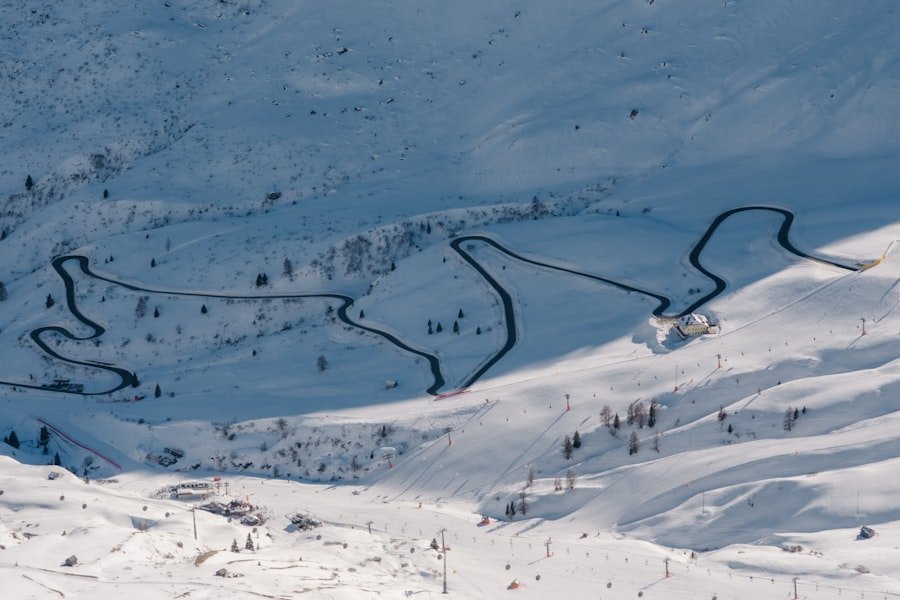
The Mike von Grünigen Run is 3,100 m long with 555 m of descent. Gstaad describes transitions into steep sections, compressions, jumps and waves along the piste. Those features make it a logical step up for skiers who already feel comfortable on ordinary red terrain.
This is not the best place to discover whether you can ski a red piste for the first time. Build confidence elsewhere first, then tackle it when you can control your speed with consistent parallel turns and adapt quickly when the gradient changes.
Eggli and La Videmanette
The Eggli-La Videmanette sector works well when you want groomed skiing with the option of extending the day into a more substantial descent. Eggli is better understood as a ski area rather than a single officially named “Eggli run.” From this sector, confident intermediates can work toward the full La Videmanette valley descent.
Rinderberg-Saanersloch-Horneggli
The size of this interconnected area also makes it useful for progressing intermediates. Instead of looking for one supposedly difficult “Rinderberg run,” use the piste map to combine runs that match your ability and move gradually toward steeper or longer terrain.
Family-Friendly Intermediate Ski Runs in Gstaad
A family ski day works best when stronger skiers can find interesting terrain without forcing less confident family members onto pistes above their ability. Gstaad has several sectors where groups can progress at different speeds.
| Area | Best For | Difficulty Profile | Why Choose It |
|---|---|---|---|
| Wispile | Families and early progression | Easy practice terrain | Zückerli and Rüti are promoted for families practicing first turns. |
| Rinderberg-Saanersloch-Horneggli | Mixed-ability groups | Large range of groomed terrain | The 105 km sector gives families more options to adjust routes during the day. |
| Eggli-La Videmanette | Comfortable to strong intermediates | Groomed cruising plus longer red-blue terrain | Offers scenic skiing and access to the long La Videmanette descent. |
Wispile is particularly useful when children or newer skiers still need easy terrain. The official mountain information identifies the Zückerli and Rüti ski lifts as suitable for families practicing first turns. That makes Wispile a sensible place to build confidence before moving onto sustained intermediate terrain elsewhere.
Families with established intermediate skiers may prefer Rinderberg-Saanersloch-Horneggli. Its much larger network gives the group more flexibility, plus access to mountain restaurants and ski bars for breaks.
If someone in the family is struggling to move from easy pistes to red terrain, a lesson can be more productive than repeatedly attempting a run that feels too difficult. Gstaad lists multiple snow-sports schools offering group and private instruction for different levels.
The Most Challenging Intermediate Ski Runs in Gstaad
The most useful “challenging intermediate” choices are pistes that sit near the top of an intermediate skier’s comfort range without being mistaken for expert terrain.
Mike von Grünigen Run
The Mike von Grünigen Run is a natural progression target because its changing terrain demands more than relaxed cruising. The steep transitions, compressions, waves and other terrain changes require solid speed control and balance.
La Videmanette’s Red Sections
The complete La Videmanette descent is another strong objective. Its 7.5 km length means fatigue becomes part of the challenge, and the red sections require more confidence than the easier blue portions. Take a break if your technique begins to deteriorate rather than trying to finish the descent while tired.
Glacier 3000 for a Bigger Step Up
Glacier 3000 expands the range of skiing available in the wider Gstaad destination. The official ski area describes easy glacier pistes as well as much more demanding terrain. Its Red Run is listed at 8 km with 1,621 m of vertical difference.
That does not mean every Glacier 3000 piste is appropriate for an ordinary intermediate. The area also includes genuinely expert terrain, including Black Wall. Choose pistes from the current map according to your ability rather than assuming that nearby terrain has a similar difficulty.
Warning: Do not use the black Tiger Run on Wasserngrat or other expert pistes simply because they are close to family or intermediate terrain. Gstaad identifies Tiger Run as a black piste for experienced skiers. Follow the current piste classification and turn back if conditions or terrain exceed your ability.
Tips for Navigating Intermediate Ski Runs in Gstaad
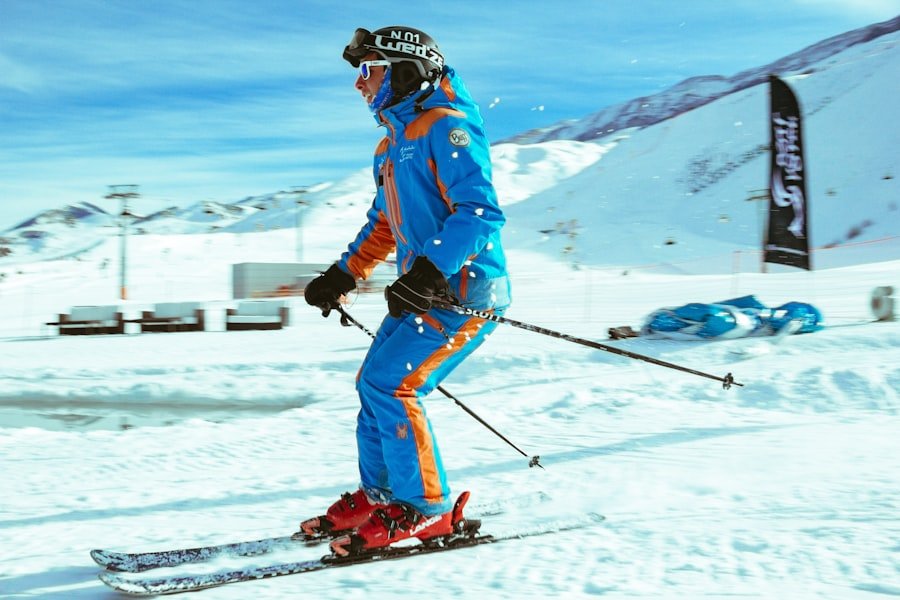
Start with the current ski map rather than relying only on remembered run names. Gstaad covers several separate sectors, and the best route depends on which lifts, valley connections and pistes are operating that day.
Use your first few runs to judge the snow. A red piste that feels comfortable on freshly groomed snow can become much harder when it is icy, heavily tracked, crowded or covered by flat light.
Build Difficulty Gradually
If you have only recently moved beyond beginner terrain, begin with easier groomed pistes. Progress to longer red runs once you can turn consistently, stop confidently on demand and maintain control when the piste becomes steeper.
Plan Long Descents Before You Are Tired
Save a major objective such as La Videmanette for a point in the day when your legs still feel strong. A 7.5 km valley descent asks more of your endurance than several short pistes separated by lift rides.
Check the Live Report
Before leaving your accommodation and again before crossing into another sector, check Gstaad’s live lift and piste information. Open connections, snow conditions and weather can change the best route for the day.
Note: Under the published winter 2026/27 tariff structure, a standard Gstaad day ticket does not include Glacier 3000, while Gstaad multi-day tickets include Glacier 3000. Check the current official tariff page before buying because ticket terms can change between seasons.
Safety Precautions for Intermediate Skiers in Gstaad
Intermediate terrain can change character quickly with weather and snow conditions. Wear a properly fitted helmet, use goggles or lenses appropriate to the visibility, dress in layers and make sure your equipment is correctly adjusted before skiing.
Control your speed so that you can react to skiers, snowboarders and changes in the piste ahead. Slow down around merges, lift queues, narrow sections and areas where beginners may make unpredictable turns.
Do not treat a piste’s color as a guarantee that it will feel easy. Ice, bumps, fresh snow, poor visibility and fatigue can make familiar terrain significantly harder.
Marked pistes and off-piste terrain are also very different environments. If you want to leave marked, secured pistes, use qualified local guidance and make sure you have the knowledge and equipment appropriate to avalanche terrain and the current conditions. Simply skiing with a group does not remove avalanche or route-finding risk.
If your technique is becoming less controlled, move to easier terrain, take a break or finish for the day. Fatigue is a poor time to attempt your hardest run.
Making the Most of Gstaad’s Intermediate Ski Runs
Gstaad works particularly well for intermediates because you do not have to ski the same type of terrain all day. The Rinderberg-Saanersloch-Horneggli network gives you scale and variety, Eggli-La Videmanette provides scenic groomed skiing and a memorable long descent, while Wispile offers easier terrain when you want to rebuild confidence or ski with less experienced family members.
Strong intermediates can make the Mike von Grünigen Run a progression goal, while Glacier 3000 provides additional high-altitude terrain for skiers who understand the piste map and choose their routes carefully.
The best intermediate ski day in Gstaad is not necessarily the one with the hardest pistes. It is the one that lets you ski consistently, explore new terrain and finish the day with the same control you had at the start.
After skiing, the region also has numerous mountain restaurants and ski bars across sectors including Rinderberg, Horneggli, Eggli, La Videmanette and Wispile. Instead of relying on an unrelated dining recommendation, check the official Gstaad mountain restaurant directory for current options.
Frequently Asked Questions
What are the best ski runs in Gstaad for intermediate skiers?
For variety, start with the Rinderberg-Saanersloch-Horneggli sector. La Videmanette is an excellent goal for a longer scenic descent, and the Mike von Grünigen Run is suitable for confident intermediates who want a more technical challenge.
Are there any ski runs in Gstaad that are suitable for beginners?
Yes. Wispile is useful for beginners and families. Bergbahnen Destination Gstaad specifically identifies the Zückerli and Rüti lifts as suitable for practicing first turns. Rellerli should not be used as a normal lift-served beginner recommendation because it currently has no cable car and is promoted mainly for ski touring and winter hiking.
Which Gstaad area is best for a strong intermediate skier?
The Horneggli side is a good choice if you want to progress toward more technical skiing, particularly the Mike von Grünigen Run. La Videmanette is another strong goal because its long descent combines red and blue sections over 7.5 km.
What amenities are available at the ski areas in Gstaad?
The destination offers ski and snowboard schools, rental and service shops, mountain restaurants, ski bars and other winter services. Facilities vary by sector, so check the official Gstaad information for the mountain you plan to ski.
What is the best time of year to visit Gstaad for skiing?
The main winter months are usually the simplest choice, but exact operating periods vary by altitude, sector and snow conditions. Glacier 3000 normally targets skiing from November through late April, while lower Gstaad sectors can have different operating dates. Always check live conditions and scheduled lift operations for your travel dates.
Is Glacier 3000 included in a Gstaad ski pass?
It depends on the ticket. Under the published 2026/27 structure, the standard Gstaad day ticket excludes Glacier 3000, while multi-day Gstaad tickets include it. Verify the current tariff before purchasing because conditions can change between seasons.
Are there off-piste skiing opportunities in Gstaad?
Yes, the wider region offers freeride and ski-touring possibilities, but terrain outside marked pistes involves hazards that are not controlled in the same way as open ski runs. Use qualified local guidance when appropriate, understand the current avalanche situation, and carry and know how to use the equipment required for the terrain you enter.
Sources
- Gstaad: Skiing & Snowboarding — destination piste network, altitude range and ski-area overview.
- Gstaad: Ski Highlights — La Videmanette, Mike von Grünigen Run and Rinderberg Ronda details.
- Bergbahnen Destination Gstaad: Rinderberg-Saanersloch-Horneggli — current sector information and piste-network size.
- Bergbahnen Destination Gstaad: Wispile — Wispile family skiing and easy practice terrain.
- Bergbahnen Destination Gstaad: Winter Tariffs — 2026/27 ticket validity and Glacier 3000 inclusion.
- Glacier 3000: Ski & Snowboard — ski-area altitude, Red Run statistics, season information and advanced terrain.