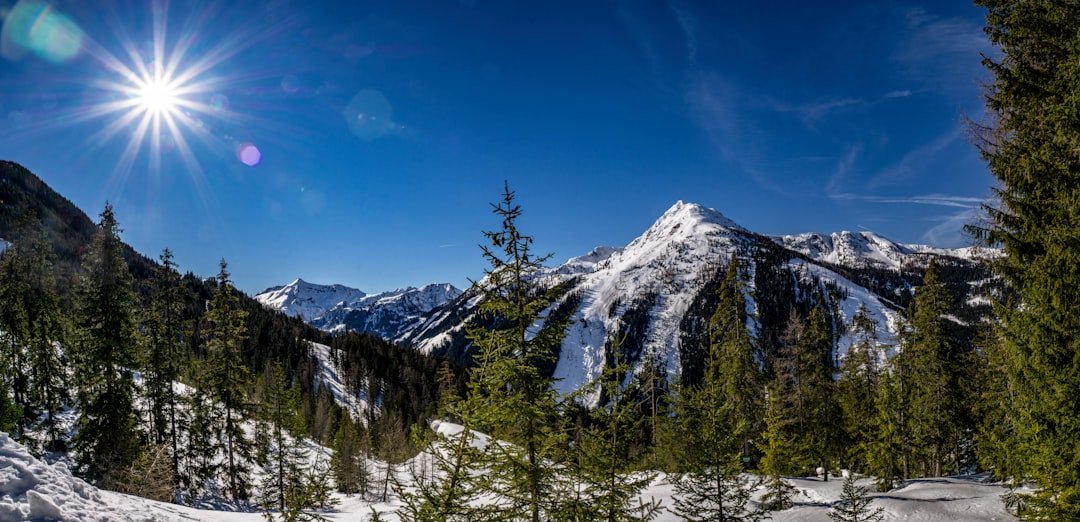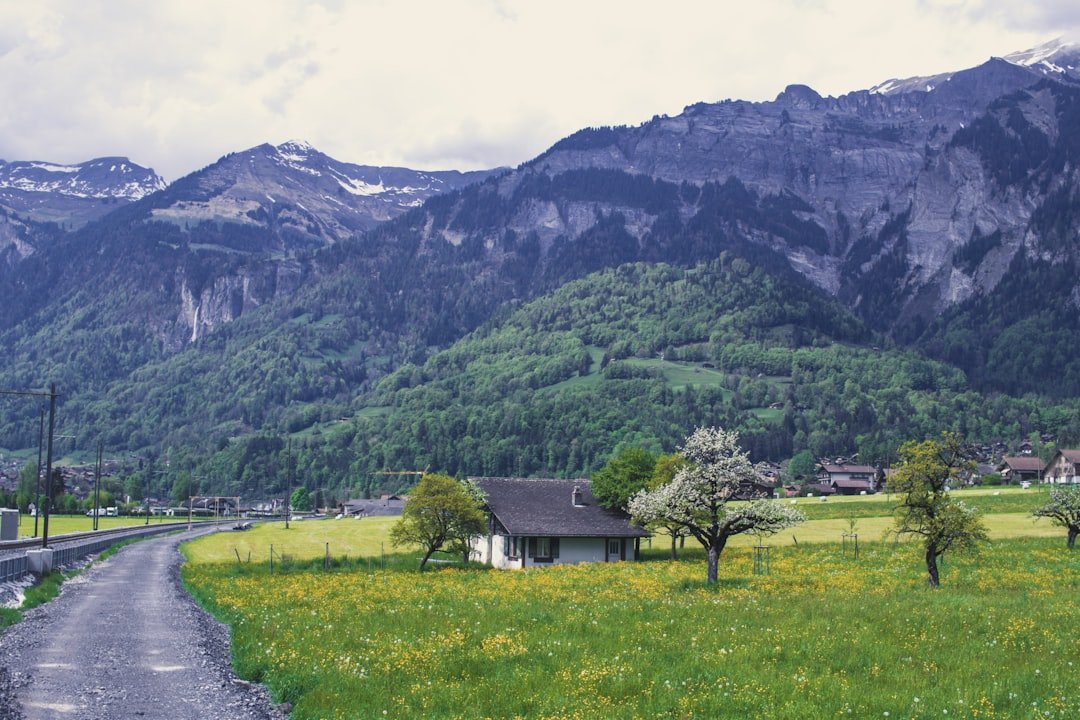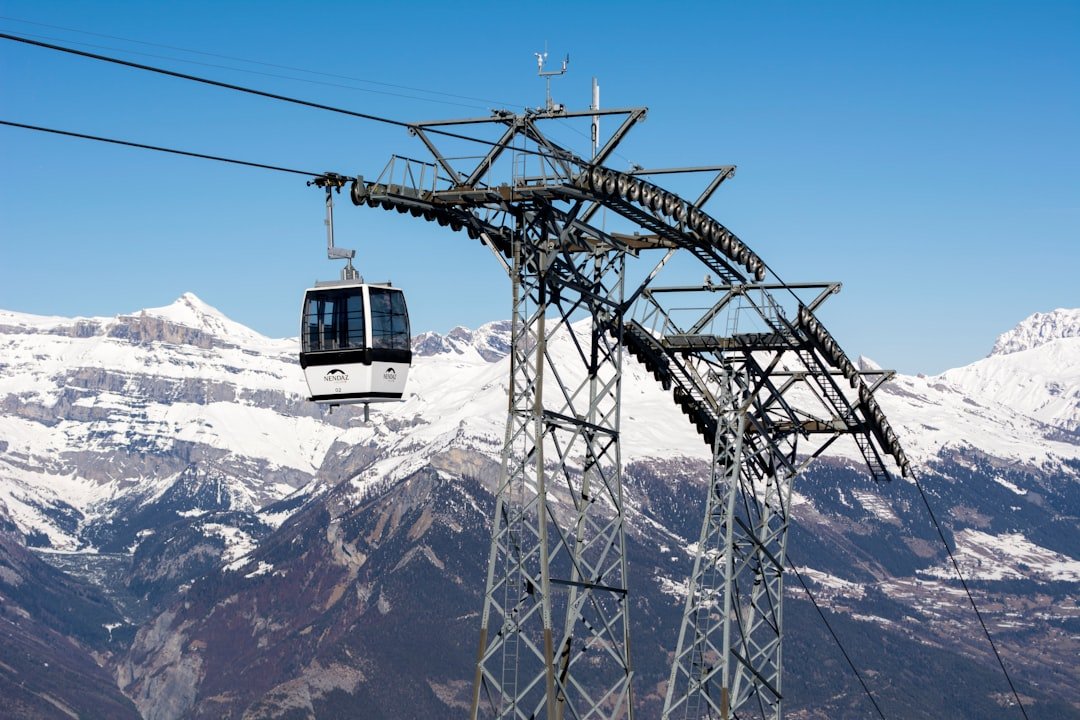
Switzerland offers everything from high-altitude glacier skiing to family-friendly Alpine slopes, but the best time to ski is not exactly the same in every resort. Snow reliability changes with elevation, while crowds and prices change around Christmas, New Year, school holidays, weekends, and major events. Choosing the right month can mean better snow, quieter pistes, longer daylight, or a more affordable trip.
Quick Answer
For most skiers, the best time to ski in Switzerland is from mid-January through mid-March. January and February usually offer the strongest chance of dependable winter snow, while March brings longer daylight and milder afternoons. For early or late-season trips, favor high-altitude resorts and check live snow and lift reports before booking.
Key Takeaways
- Best overall period: Mid-January through mid-March gives most travelers a strong balance of snow coverage and open terrain.
- Best for deep-winter conditions: January and February are usually the safest choices if snow reliability matters more than mild weather.
- Best for sunshine and longer days: March can be excellent, especially at higher elevations where snow holds better.
- Early and late season: Choose high-altitude areas and verify the current snow report because lower slopes may have limited terrain.
- Major resorts: Zermatt, Verbier, the Jungfrau region, St. Moritz, Davos, and Engelberg all offer different combinations of terrain, altitude, atmosphere, and accessibility.
The Swiss winter experience also extends beyond skiing. Mountain villages offer restaurants, cafés, winter walking, sledging, snowshoeing, spas, and a lively après-ski culture. Traditional dishes such as fondue and raclette are an easy way to end a cold day outdoors.
Best Time to Ski in Switzerland by Month
The practical ski season stretches across several months, but conditions change considerably between early winter and spring. There is no single nationwide opening date because each ski area sets its schedule according to elevation, snow, lift maintenance, and operating plans.
| Period | What to Expect | Best For |
|---|---|---|
| Late November to early December | Some high-altitude sectors may open, but terrain can be limited and lower runs may depend heavily on weather and snowmaking. | Flexible travelers who prioritize quieter slopes over maximum terrain. |
| Mid to late December | More lifts and pistes normally open as winter develops. Christmas and New Year create a festive atmosphere but also strong demand. | Holiday atmosphere and family trips. |
| January | Cold winter temperatures generally help preserve snow. Days are shorter than in March, but January is a strong choice for snow-focused trips. | Reliable winter conditions and serious skiing. |
| February | Deep-winter conditions remain attractive, but school-holiday periods and weekends can increase demand. | Families and skiers who want a broad choice of open terrain. |
| March | Longer days and stronger sunshine make skiing more comfortable. Higher pistes can remain excellent while lower, sun-exposed slopes soften during warm afternoons. | The best balance of skiing, daylight, and milder weather. |
| April | Spring skiing can continue at high-altitude resorts, but lower sectors may close and afternoon snow can become soft. | High-altitude spring skiing and travelers who can stay flexible. |
Pro Tip: For an early-December or April trip, choose the resort first and the dates second. High elevation matters much more at the edges of the season, and you should check the official lift and snow report immediately before committing to non-refundable plans.
Weather and Snow Conditions: Why Altitude Matters
Snow reliability in Switzerland depends on much more than the month. Elevation, slope exposure, recent snowfall, wind, temperature, and snowmaking all affect piste conditions. A high mountain sector can have excellent skiing while a lower valley run in the same region is thin, soft, or closed.
The difference is especially important early and late in the season. For the 2026–27 winter, Zermatt’s official winter ski-pass period runs from November 1, 2026 through May 2, 2027. In the Jungfrau region, the regional ski pass is listed for November 21, 2026 through April 25, 2027, while individual sectors use different operating calendars.
These dates do not guarantee that every piste will be open throughout the entire period. Weather, snow depth, wind, visibility, avalanche control, and maintenance can affect daily operations.
December can deliver excellent skiing, particularly after early storms, but it is less predictable than the middle of winter. January and February normally provide the strongest deep-winter setting. March often combines a solid snow base with longer daylight, though south-facing and lower slopes can soften quickly during warm afternoons.
Note: Before traveling, use the Switzerland Tourism snow and piste reports together with the resort’s own live lift, piste, webcam, and weather information. A calendar date alone cannot tell you the quality of the snow.
Ski Resort Options: Where to Experience the Best Skiing in Switzerland
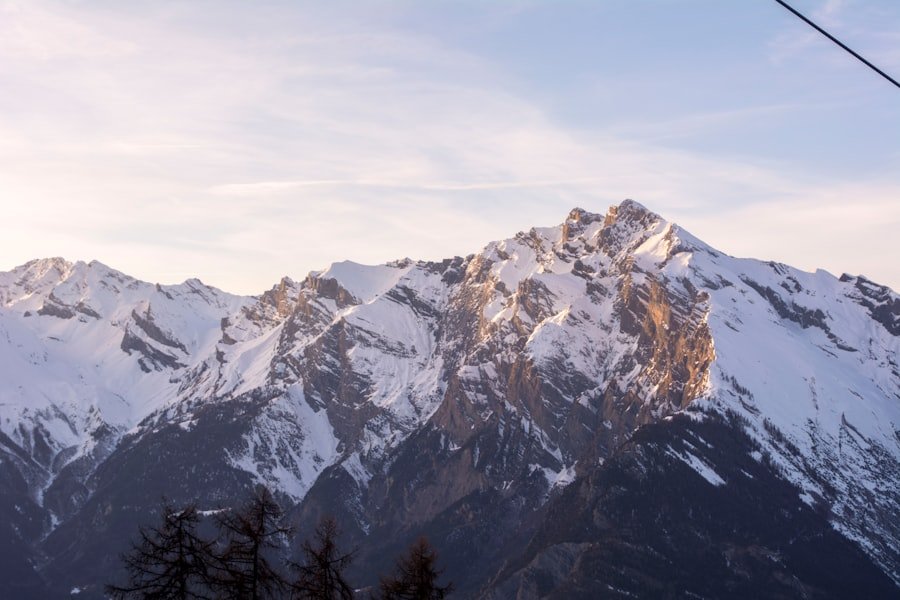
Switzerland has ski areas for beginners, families, expert piste skiers, freeriders, and travelers who care as much about restaurants and scenery as vertical descent. Your ideal resort also affects the best time to visit.
| Ski Area | Best For | Useful Timing Point |
|---|---|---|
| Zermatt | High-altitude skiing, long season, Matterhorn views, international skiing into Italy. | One of the stronger choices when traveling near the beginning or end of the normal winter season. |
| Verbier / 4 Vallées | Large linked area, challenging terrain, freeride culture, nightlife. | January through March is a strong general-purpose window. |
| Jungfrau Ski Region | Families, mixed abilities, scenery around the Eiger, Wengen and Grindelwald. | Midwinter offers the greatest confidence if valley skiing is important. |
| St. Moritz / Engadin | Groomed skiing, winter events, varied ski areas, upscale resort atmosphere. | January through March combines skiing with major winter events. |
Zermatt is one of Switzerland’s best-known ski destinations. The resort’s official winter ski-pass information lists up to 200 kilometres of pistes on the Swiss side. The International ski pass adds up to 160 kilometres in Breuil-Cervinia and Valtournenche, bringing the combined area to as much as 360 kilometres. That distinction is important because “360 kilometres in Zermatt” can otherwise sound as though all of the terrain is in Switzerland.
Verbier forms part of the 4 Vallées. According to the official Verbier tourism site, it is Switzerland’s largest connected ski area, with more than 400 kilometres of slopes and terrain reaching 3,330 metres at Mont Fort. It is especially attractive to experienced skiers, although easier pistes are also available.
The Jungfrau Ski Region currently lists 211 kilometres of slopes across Grindelwald, Wengen, and Mürren. The mixture of easier and more challenging terrain, combined with views of the Eiger, Mönch, and Jungfrau, makes it a practical option for groups with different skiing abilities.
St. Moritz and the wider Engadin area combine multiple ski mountains with winter-sports traditions and major events. Davos and Engelberg are also well-established choices, particularly for travelers who want substantial Alpine terrain and straightforward rail access from larger Swiss cities.
Peak Season vs. Off-Peak Skiing
Peak season gives you the best chance of finding a wide selection of lifts, mountain restaurants, ski schools, and other services operating at full capacity. The tradeoff is stronger demand for accommodation, ski lessons, rentals, restaurant reservations, and transport.
Christmas and New Year are especially popular because travelers combine skiing with holiday celebrations. February can also be busy during school-holiday periods. Major races and festivals may create additional demand in individual resorts.
Off-peak skiing can mean quieter pistes and more accommodation choice, but it should not be defined simply as “early March.” Demand varies by week, resort, weekday, event calendar, and school holidays.
Early December can be peaceful but carries greater snow uncertainty. Late March can provide excellent spring skiing at higher elevations, while lower resorts may experience warm, soft afternoon snow. April can be rewarding in high-altitude areas but is much less dependable for low-elevation skiing.
Pro Tip: If your priority is fewer people rather than the lowest possible price, look first at midweek dates outside major holidays. This lets you avoid some weekend pressure without accepting as much snow risk as a very early or very late trip.
Events and Festivals: Adding Extra Excitement to Your Skiing Experience
Winter in Switzerland includes international ski racing, horse racing on snow, music festivals, and local celebrations. Event dates change each season, so use official organizers when planning accommodation and ski days.
| Event | 2026–27 Date | What to Know |
|---|---|---|
| FIS Ski World Cup St. Moritz | December 18–20, 2026 | The confirmed program includes Super-G races on December 18 and 19 and giant slalom on December 20. |
| International Lauberhorn Races, Wengen | January 15–17, 2027 | The weekend includes Super-G, the famous Lauberhorn downhill, and slalom. |
| White Turf St. Moritz | February 7, 14 and 21, 2027 | Horse racing takes place on the frozen lake. Family Days are scheduled for February 6, 13 and 20. |
| Zermatt Unplugged | April 6–10, 2027 | An established acoustic music festival held around Zermatt and its mountain venues during the spring-skiing period. |
Note: An event weekend can be a highlight of the trip, but it can also change accommodation availability, transport demand, and crowd levels. Verify the organizer’s current schedule before booking.
Tips for Making the Most of Your Skiing Trip in Switzerland
Good planning matters more than trying to predict perfect weather months in advance. Start by choosing a ski area that matches your ability and priorities. A family learning to ski has different needs from an expert looking for challenging terrain or a traveler planning a late-April trip.
Check Live Conditions Before You Travel
Use official resort snow reports, webcams, lift status pages, and weather forecasts in the final days before your trip. The Switzerland Tourism piste report is a useful starting point, but the resort’s own live operations page should be your final reference.
Dress in Layers
Mountain temperatures and wind can change quickly. A moisture-managing base layer, insulating mid-layer, and weather-resistant outer layer make it easier to adjust throughout the day. Gloves, ski socks, goggles, and sun protection are also important.
Rent or Bring Equipment Based on Your Needs
You do not need to own skis to have a good Swiss ski trip. Resort rental shops make it practical to travel without bulky equipment and often let you change skis if conditions or your ability require something different.
If you already own ski boots that fit extremely well, bringing them can improve comfort because boot fit has a major effect on control and all-day enjoyment. Whatever equipment you use, make sure bindings and boots are properly adjusted.
Study the Piste Map
Large ski areas can involve long lift connections. Review the map before starting the day and note the final lift times for any sector you plan to visit. Do not assume you can always ski back to your accommodation after the last connecting lift closes.
Book Lessons Early During Busy Weeks
Ski lessons are valuable for beginners and can also help experienced recreational skiers improve technique. During holiday periods, lesson availability can disappear before rental equipment or lift tickets do, so reserve instruction early if it is essential to your trip.
The best skiing month is not just the month with the most snow. The right choice balances snow reliability, altitude, daylight, crowds, your ability level, and the kind of trip you want.
Safety Precautions for Skiing in Switzerland
Choose pistes that match your ability and ski at a speed that lets you remain in control. Respect signs, closures, piste markings, and instructions from resort staff. Wear a properly fitted ski helmet and use goggles or appropriate eye protection for the conditions.
Carry water, a small snack, your phone, and the information you need to return safely before lifts close. If poor visibility, heavy snowfall, strong wind, or fatigue makes conditions uncomfortable, changing your plan is better than forcing another run.
Warning: Marked and open pistes are not the same as unsecured off-piste terrain. The Swiss Institute for Snow and Avalanche Research states that most avalanche accidents happen off-piste. If you plan to leave secured pistes, check the official SLF White Risk avalanche information, understand the bulletin, carry appropriate rescue equipment, and have the training to use it. If you lack that experience, go with a qualified guide rather than following other people’s tracks.
Tracks in the snow do not prove that a slope is safe. Avalanche conditions can vary by elevation, slope angle, aspect, wind loading, and time of day. The official avalanche bulletin is designed for unsecured terrain and should be part of any backcountry or off-piste planning.
It is also wise to confirm that your travel insurance covers the type of skiing you intend to do, including any restrictions that apply to off-piste activities or mountain rescue.
Off-Slope Activities: Exploring Switzerland Beyond the Ski Runs
Skiing may be the main reason for a winter trip, but Switzerland has plenty to do when your legs need a break or poor weather interrupts a ski day.
Snowshoeing and winter hiking offer a slower way to explore snowy forests and valleys. Many destinations maintain marked winter routes, while guided outings are useful for travelers unfamiliar with mountain conditions. Snowshoeing can also enter avalanche terrain, so use marked routes or apply the same avalanche-safety judgment required for other off-piste activities.
Alpine villages such as Grindelwald, Wengen, Zermatt, and communities around the Engadin provide cafés, local shops, scenic rail journeys, restaurants, and winter walking. Sledging is another popular option in several ski regions, including the Jungfrau area.
Food is an important part of a Swiss winter trip. Fondue, raclette, regional cheeses, soups, pastries, and hot drinks provide a warm break after skiing. Some travelers also combine skiing with spas or wellness facilities, especially during longer stays.
If timing is your main concern, treat the trip as a combination of snow conditions, altitude, crowds, and the activities you want beyond skiing. Late December offers festive atmosphere, January and February deliver the strongest deep-winter feel, March is often the best all-round compromise, and April works best when you deliberately choose high-altitude terrain.
Frequently Asked Questions
What is the best time for skiing in Switzerland?
For most skiers, mid-January through mid-March is the best overall window. January and February normally provide dependable winter conditions, while March offers longer daylight and milder temperatures. Exact conditions still depend on elevation, recent snowfall, and the individual resort.
What are the peak skiing months in Switzerland?
January and February are core winter months, but peak visitor demand is driven by specific holiday weeks as well as the weather. Christmas, New Year, school-holiday periods, weekends, and major resort events can all increase crowds.
Are there off-peak times for skiing in Switzerland?
Yes. Early December and parts of late March or April can be quieter, depending on the resort and holiday calendar. The tradeoff is greater snow uncertainty, particularly at lower elevations. Midweek dates outside major holidays are another useful way to avoid some peak demand.
Is March a good time to ski in Switzerland?
Yes. March can be one of the best months because the snow base is already established at many resorts and the days are longer. Higher slopes usually hold winter snow better, while lower and sunny pistes can become soft in warm afternoons.
What is the weather like during the main Swiss ski season?
Expect cold mountain conditions during the heart of winter, but temperatures vary greatly with altitude, sun exposure, wind, and changing weather systems. March and April generally bring stronger sunshine and more frequent spring conditions on lower slopes.
Are there special events during ski season?
Yes. Confirmed 2026–27 examples include the St. Moritz FIS Ski World Cup in December, the International Lauberhorn Races in Wengen in January, White Turf in St. Moritz in February, and Zermatt Unplugged in April. Always verify current dates with the official organizer.
What are popular ski resorts in Switzerland?
Popular choices include Zermatt, Verbier, St. Moritz, Grindelwald and Wengen in the Jungfrau region, Davos, and Engelberg. The best choice depends on your ability, desired terrain, budget, nightlife preferences, travel route, and time of year.
Which Swiss resorts are better for early or late-season skiing?
Higher-altitude resorts are normally better candidates when skiing near the edges of the season. Zermatt is a particularly strong example because of its high terrain and long operating period. Even there, however, individual pistes and lifts remain subject to weather and operating conditions.
Sources
- Switzerland Tourism Snow and Piste Reports — current Swiss ski-area snow, piste, and operating information.
- Zermatt Tourism: Winter Ski Passes — official piste totals, international ski-area coverage, 2026–27 dates, and ticket information.
- Verbier Tourism: Skiing and Snowboarding — official 4 Vallées terrain and altitude information.
- Jungfrau Railways: Prices and Tickets — current Jungfrau Ski Region piste total, ski-pass period, and winter information.
- WSL Institute for Snow and Avalanche Research: White Risk — official Swiss avalanche bulletin, snow information, and avalanche-safety tools.
- International Lauberhorn Races — official 2027 Wengen race dates and program.