A day trip from Bern to Fribourg gives you medieval streets, Gothic architecture, historic bridges, regional food, and river views without requiring a long journey. Founded in 1157 by Duke Berthold IV of Zähringen, Fribourg rises above the winding Sarine River and sits at the meeting point of French- and German-speaking Swiss culture. With direct trains from Bern and a compact historic centre, it works especially well when you want a full change of scenery and still plan to return to Bern the same evening.
Quick Answer
A day trip from Bern to Fribourg is easy by direct train, with typical journeys taking about 25–30 minutes. Spend your day walking the medieval Old Town, visiting St. Nicholas Cathedral, crossing historic bridges, sampling Fribourg specialties, and adding a museum or funicular ride before returning to Bern in the evening.
Key Takeaways
- Direct trains make Fribourg one of the easiest day trips from Bern; check the official SBB timetable for your exact departure.
- Fribourg’s Old Town is best explored on foot, but expect slopes, stairways, and a noticeable climb between the lower town and station area.
- St. Nicholas Cathedral is a highlight, and its seasonal tower climb involves 365 steps to a 74-metre viewpoint.
- Try regional specialties such as moitié-moitié fondue and meringue served with thick Gruyère double cream.
- If you want museums, check opening days before you travel because many Fribourg museums are closed on Mondays.
Getting to Fribourg from Bern
For most day-trippers, the train is the simplest way to travel from Bern to Fribourg. Direct services run between Bern and Fribourg/Freiburg, and typical journeys take roughly 25–30 minutes depending on the train. Because departure times and engineering work can change, I would check the SBB timetable on the day you travel rather than relying on a fixed schedule in a travel article.
Fribourg railway station is close to the modern city centre, while the medieval districts descend toward the Sarine. That geography makes the outward walk easy to organize: start near the station, work your way through the upper Old Town, continue downhill toward the river and lower town, then return uphill by foot, bus, or funicular.
Pro Tip: Do not plan your day around an exact train mentioned in a blog post. Swiss schedules are easy to check live, so choose your return after you know how long you want for the cathedral, lunch, and museums.
Exploring Fribourg’s Old Town
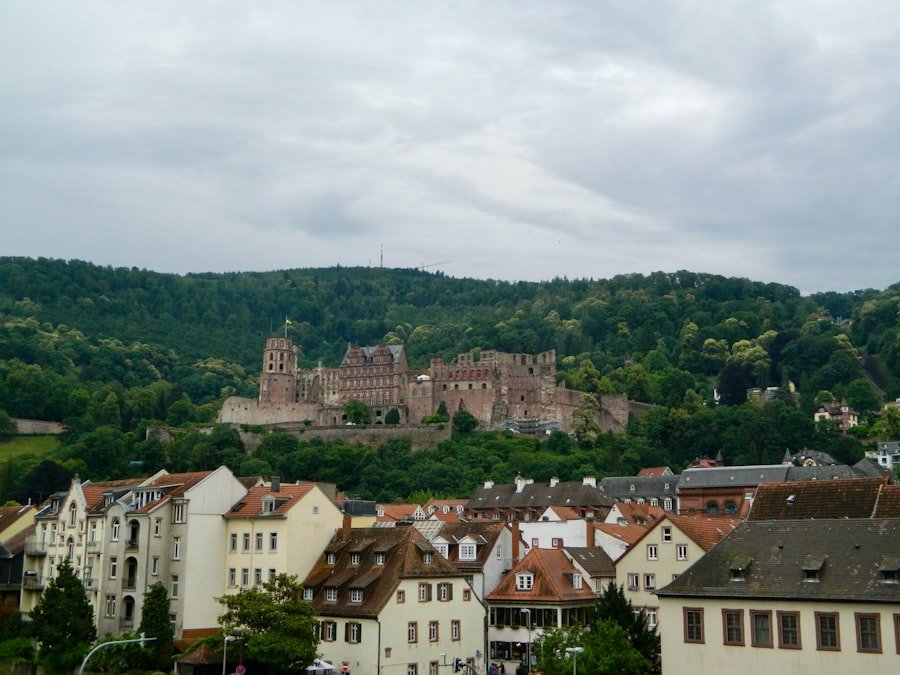
Fribourg’s Old Town is where the day trip becomes memorable. According to Fribourg Tourism, around 200 Gothic façades line the historic lower town, alongside churches, fountains, narrow lanes, bridges, and small squares.
Instead of rushing from attraction to attraction, give yourself time to walk through the Bourg, Auge, and Neuveville areas. Look up at the painted and carved façades, follow the lanes toward the river, and allow a few unplanned stops for viewpoints and cafés.
Fribourg’s Old Town contains around 200 Gothic façades, which is why a simple walk through the lower town is one of the city’s main attractions.
If you visit on a Saturday, check whether the local market is operating near City Hall. It can add fresh produce, flowers, and a more lived-in feel to the historic centre rather than making the Old Town feel like a collection of monuments.
Visiting the Cathedral of Saint Nicholas
St. Nicholas Cathedral is Fribourg’s best-known landmark. The present Gothic building was constructed between 1283 and 1490, and its interior includes significant stained glass, historic organs, sculpture, and religious art. The tower rises 74 metres above the city and can be climbed via 365 steps when seasonal access is open. Official visitor information is available from Fribourg Tourism.
St. Nicholas Cathedral Visit Details
| Cathedral opening | Generally Monday–Saturday 7:30–19:00, Sunday 9:00–21:30, with separate tourist-visiting windows and changes possible for religious services. |
| Tourist visiting | Official guidance lists narrower sightseeing periods than the general church opening hours, especially on Sundays and public holidays. Check before visiting. |
| Tower season in 2026 | March 1–November 30; Monday–Saturday 10:00–17:00 and Sunday 12:00–17:00. Last admission is 30 minutes before closing. |
| Tower climb | 365 steps to the top of the 74-metre tower. |
| Adult tower ticket in 2026 | CHF 6; reduced rates are available for some visitors, and the tower is included with the Fribourg City Card. |
Inside, spend time with the stained-glass windows rather than treating the cathedral only as a tower climb. Fribourg Tourism notes that Józef Mehoffer created a major series between 1896 and 1936, with later work by Alfred Manessier completing the ensemble.
Warning: Tower access can depend on weather and religious services. The climb is long and stair-based, so it is not suitable for every visitor. Check the current tower information before making it the centrepiece of your day.
Sampling Fribourg’s Culinary Delights
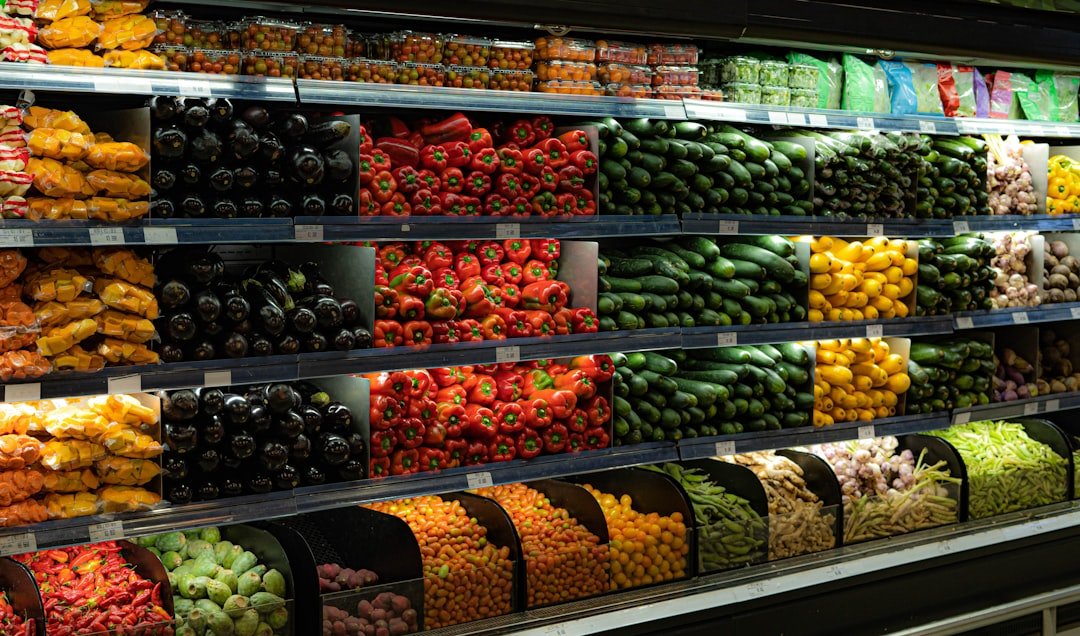
Lunch is a good place to slow down. Fribourg’s food culture draws heavily on the surrounding canton, and two specialties are especially worth looking for: moitié-moitié fondue and meringue with Gruyère double cream.
Moitié-moitié fondue traditionally combines Gruyère AOP and Vacherin Fribourgeois AOP cheeses. For dessert, skip the vague idea of “meringue pie” and look for crisp meringues served with dense, velvety double cream. Terroir Fribourg identifies this meringue-and-cream combination as a characteristic specialty of the canton.
You will also find bakeries, cafés, chocolate shops, and restaurants throughout the centre. If you are trying to fit several attractions into one day, a relaxed but not overly long lunch works better than crossing town simply to reach a famous restaurant.
Taking a Stroll Along the River Sarine
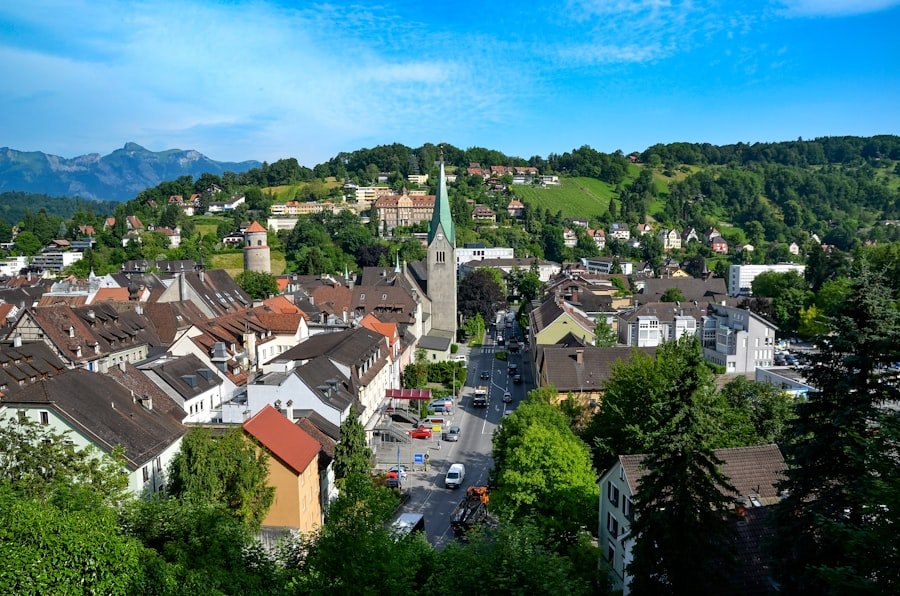
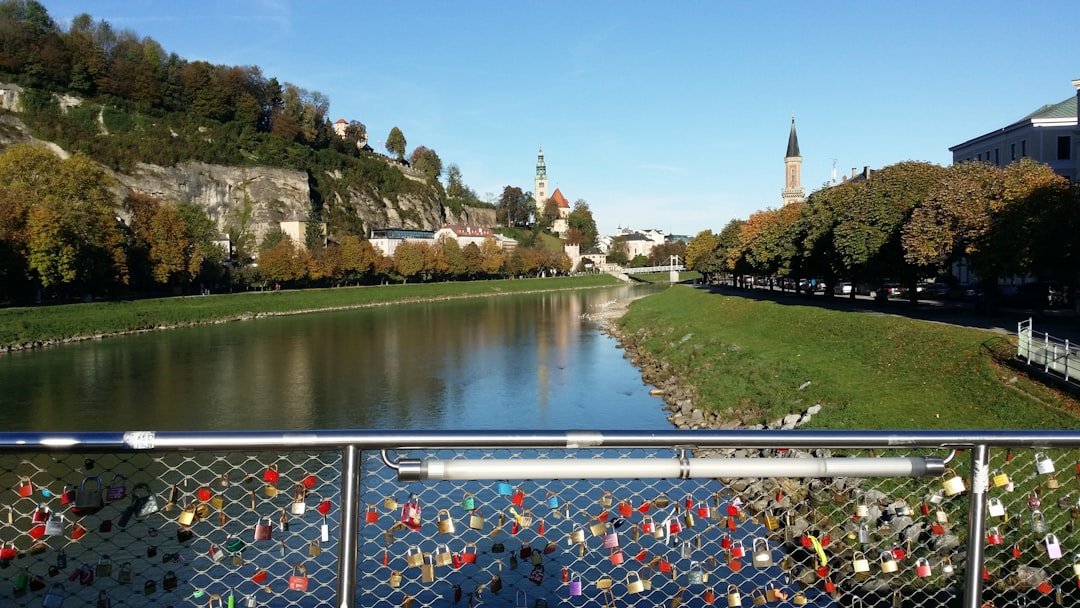
The Sarine is central to Fribourg’s landscape. The medieval city developed around the river’s steep valley, and walking downhill toward the water gives you a very different perspective from the upper town.
Use the river section of your day to see some of Fribourg’s bridges. The covered Bern Bridge is one of the most atmospheric historic crossings; the bridge in its present form dates largely from 1653, with later alterations. The Zähringen Bridge is another major landmark over the Sarine and gives the city a more dramatic, vertical feel.
Do not underestimate the climb back toward the upper centre. If you have already spent several hours walking, the historic funicular can save your legs while adding another Fribourg experience.
Ride the Historic Fribourg Funicular
Fribourg’s funicular has linked the city centre and Basse-Ville since 1899. The short ride connects the lower historic districts with the upper city and is particularly useful near the end of a long walking day. Fribourg Tourism describes it as a listed historic monument whose counterweight system uses wastewater.
The ride itself takes only about two minutes. Current hours and fares can change, so check the official funicular information before relying on it for a specific connection.
Note: Fribourg has significant elevation changes. Comfortable walking shoes matter more here than the short distances on a map might suggest.
Discovering Fribourg’s Museums and Art Galleries
If you enjoy museums, the Museum of Art and History of Fribourg (MAHF) is the most natural addition to a one-day visit. Its collections include regional archaeology, objects connected to Fribourg’s political and cultural history, and sculpture and painting spanning roughly the 11th through 20th centuries.
You can also consider Espace Jean Tinguely–Niki de Saint Phalle or another small gallery if contemporary art interests you. Do not try to fit several museums into the same day unless museums are your main priority; the Old Town itself deserves time.
Many museums are closed on Mondays. If your day trip falls on a Monday, plan around outdoor attractions, the cathedral, streets, bridges, cafés, and river views instead. The Fribourg City Card can be worth checking if you plan to combine several museums with local public transport and the funicular.
A Simple One-Day Fribourg Itinerary from Bern
- Arrive at Fribourg/Freiburg station. Walk toward the historic centre rather than taking local transport immediately.
- Explore the upper Old Town. Wander the Bourg district, historic façades, fountains, and small squares.
- Visit St. Nicholas Cathedral. See the interior first and climb the tower if it is open and the stairs suit you.
- Stop for lunch. Try fondue or another regional dish without making lunch so long that it consumes your afternoon.
- Continue into the lower town and Sarine valley. Cross a historic bridge and spend time near the river.
- Use the funicular if useful. Ride back toward the upper city instead of repeating the steep climb on foot.
- Add one museum. MAHF is a strong choice when open; otherwise spend more time walking and photographing the city.
- Return to the railway station. Check SBB for the next convenient direct train to Bern.
This order minimizes unnecessary backtracking while letting the city’s geography work in your favor. If you prefer a slower day, skip the museum and spend that time in the lower town, at a café, or along the Sarine.
Making the Most of a Day Trip to Fribourg
Fribourg works well as a Bern day trip because its main experiences are concentrated enough to combine in one day yet different enough from Bern to feel worthwhile. The strongest combination is the medieval Old Town, St. Nicholas Cathedral, a regional lunch, the Sarine and historic bridges, and either the funicular or one museum.
I would avoid turning the day into a checklist of every attraction. Fribourg is at its best when you leave room for the steep lanes, viewpoints, façades, cafés, and transitions between the upper and lower town. Check your train and opening hours before leaving Bern, choose two or three non-negotiable sights, and let the rest of the day stay flexible.
If you want to recreate part of the experience after your trip, start with genuinely Fribourg specialties such as moitié-moitié fondue or meringue with double cream rather than a generic Swiss recipe. Food is one of the easiest ways to connect the day trip with the wider culture of the canton.
Frequently Asked Questions
What is the distance between Bern and Fribourg?
Bern and Fribourg are roughly 30 km apart depending on how the distance is measured and which road or rail route you use. For a day trip, travel time is more useful than mileage because direct trains typically make the journey in about 25–30 minutes.
How long does it take to travel from Bern to Fribourg?
Direct trains commonly take around 25–30 minutes, although the exact journey varies by service. Check the official SBB timetable for your travel date. Driving time depends more heavily on traffic and your parking location.
What is the best transportation option for a Bern to Fribourg day trip?
The train is usually the easiest choice because it brings you directly into central Fribourg without parking. Once there, most of the historic centre can be explored on foot, with buses and the funicular available when useful.
What are the must-see attractions in Fribourg for one day?
Prioritize the medieval Old Town, St. Nicholas Cathedral, the Sarine river area, and at least one historic bridge. If time allows, add the cathedral tower, Fribourg funicular, or Museum of Art and History.
Can you visit Fribourg from Bern and return the same day?
Yes. The short direct rail journey leaves plenty of time for a full day in Fribourg and an evening return to Bern. It is one of the more practical city day trips from the Swiss capital.
Is St. Nicholas Cathedral free to visit?
Do not confuse general cathedral access with the tower. The tower is a separate paid attraction; in 2026 the standard adult tower ticket is CHF 6. Tower hours are seasonal and can also be affected by weather or religious services.
Is Monday a good day for a Fribourg day trip?
You can still enjoy the Old Town, cathedral, bridges, river, cafés, and outdoor sights on a Monday, but many museums are closed. Check individual attraction hours before leaving Bern if museums are important to you.
Sources
- City of Fribourg — History of Fribourg — supports the city’s 1157 foundation and historical background.
- SBB/CFF/FFS — official Swiss railway timetable and travel planning.
- Fribourg Tourism — Old Town — supports Old Town heritage, Gothic façades, bridges, and key sights.
- Fribourg Tourism — St. Nicholas Cathedral — supports construction dates, architecture, stained glass, and cathedral visitor information.
- Fribourg Tourism — Cathedral Tower — supports current 2026 tower season, hours, prices, 365 steps, and 74-metre height.
- Musée d’art et d’histoire Fribourg — official museum information.