Seefeld gives you a calm lakeside base without separating you from central Zurich. You can walk along Lake Zurich, visit distinctive architecture, stop at cafés on Seefeldstrasse, browse independent shops, and use frequent public transport for the rest of the city. This guide covers the neighborhood’s attractions, culture, dining, outdoor activities, transport, residential character, and practical visitor tips.
Quick Answer
Seefeld is a sought-after neighborhood in Zurich’s District 8 on the eastern side of Lake Zurich. It is best for visitors who value waterfront walks, cafés, cultural attractions, public swimming facilities, attractive residential streets, and easy tram access more than late-night clubs or budget accommodation.
Key Takeaways
- Seefeld combines the Lake Zurich waterfront with cafés, restaurants, boutiques, museums, parks, and residential streets.
- Top nearby stops include Zürichhorn, the Chinese Garden, Pavillon Le Corbusier, and Strandbad Tiefenbrunnen.
- The neighborhood works especially well for walking, cycling, relaxed dining, cultural visits, and summer lake activities.
- Trams, buses, and nearby rail stations make a car unnecessary for most visitors.
- Seefeld is highly sought-after, so hotels, apartments, and restaurant bills may be higher than in less central parts of Zurich.
What’s in This Article
- Where Is Seefeld Zurich?
- Top Things to Do in Seefeld
- History and Culture of Seefeld
- Dining and Nightlife in Seefeld
- Outdoor Activities in Seefeld
- Shopping in Seefeld
- Residential Living in Seefeld
- Transportation in Seefeld
- Best Time to Visit Seefeld
- A Simple Half-Day Itinerary
- Practical Tips
- Frequently Asked Questions
- Why Seefeld Stands Out
- Sources
Where Is Seefeld Zurich?
Seefeld is an official Zurich quarter in District 8, historically associated with Riesbach. It stretches along the eastern, or right-hand, side of Lake Zurich, southeast of Bellevue and the Opera House. Seefeldstrasse runs through much of the area and acts as a useful route for cafés, restaurants, shops, tram stops, and everyday services.
The City of Zurich’s official Seefeld profile describes the quarter as strongly shaped by the lake and notes its concentration of shops, restaurants, museums, and highly sought-after housing.
Note: Visitors sometimes use “Seefeld” for a wider part of Zurich’s right lake shore. An attraction may sit near the official quarter boundary while still being an easy walk or tram ride from central Seefeld.
The City of Zurich’s 2026 quarter profile records 175 hectares of lake surface within Seefeld, giving it the largest lake-surface share of any Zurich city quarter.
Top Things to Do in Seefeld
Walk along Lake Zurich
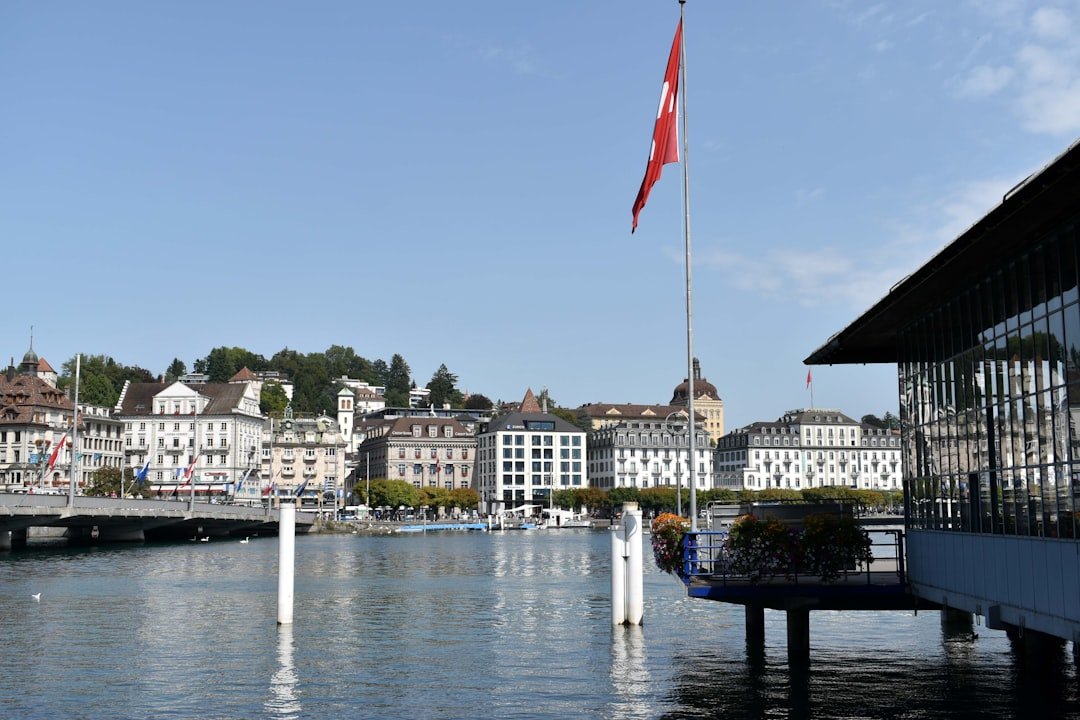
The waterfront is Seefeld’s main attraction. Start near Bellevue or Utoquai and follow the promenade south toward Zürichhorn. You will pass lake views, lawns, places to sit, public art, and access points for nearby cultural attractions.
Relax around Zürichhorn and Blatterwiese
Zürichhorn is a green lakeside area suited to picnics, quiet walks, family time, and breaks between attractions. Blatterwiese gives you open grass near the water and sits beside the Chinese Garden.
Visit the Chinese Garden
The Chinese Garden stands beside Lake Zurich at Zürichhorn. Kunming, Zurich’s Chinese sister city, gave the garden to Zurich as a sign of friendship. Its pond, island, pavilions, walls, and small palace create a quiet contrast with the surrounding city.
Opening hours can change by season or event, so check the official listing before making a special trip.
See Pavillon Le Corbusier
Pavillon Le Corbusier is a colorful glass-and-steel museum near Zürichhorn. Completed in 1967, it was the last building designed by Le Corbusier and now hosts exhibitions and events about his work.
The pavilion is normally open from May through November. If architecture is a main reason for your visit, confirm its current season, hours, and ticket conditions before you go.
Swim at Strandbad Tiefenbrunnen
Strandbad Tiefenbrunnen is a public lakeside bathing facility set in a park. It includes areas for swimmers and families, diving platforms, food service, lawns, and seasonal recreation.
Warning: Lake conditions, water temperature, weather, and individual swimming ability can change quickly. Use managed bathing facilities, follow posted rules, supervise children closely, and do not enter the water when the facility or local authorities advise against it.
History and Culture of Seefeld
Seefeld’s history is tied to the former municipality of Riesbach. Riesbach joined the City of Zurich during the first major city expansion on January 1, 1893. The change brought formerly separate urban, industrial, and more rural communities into a larger Zurich.
You can read more about this development in the City of Zurich’s account of the 1893 city expansion.
Today, the neighborhood contains a mix of older residential buildings, villas, apartment blocks, modern offices, local businesses, and cultural spaces. This layered streetscape gives Seefeld a more residential atmosphere than Zurich’s Old Town while keeping museums and architecture within walking distance.
Pavillon Le Corbusier is the best-known architectural attraction in the area. Smaller galleries, exhibition spaces, theaters, and cultural venues around District 8 add further options, but programs and opening hours vary throughout the year.
Dining and Nightlife in Seefeld

Seefeld gives you a wide choice of cafés, casual lunch spots, international restaurants, Swiss menus, wine bars, and more polished dinner venues. Seefeldstrasse and the streets leading toward the lake are the easiest places to begin looking.
A café stop fits naturally into a Seefeld walk. You can have breakfast or coffee, continue toward Zürichhorn, visit a museum, and return to the shopping and dining streets later in the day.
The neighborhood has evening restaurants, bars, and lounges, but it is not Zurich’s main late-night club district. That makes it suitable for a relaxed dinner or drinks. Travelers seeking large clubs and very late nights may prefer to travel to busier nightlife areas and return by public transport.
Pro Tip: Reserve popular dinner tables for Friday and Saturday evenings, especially when you want outdoor seating or a location close to the lake.
Outdoor Activities in Seefeld
| Activity | What You Can Expect | Difficulty | Best Time |
|---|---|---|---|
| Walking | Lake promenades, parks, residential streets, cafés, and cultural stops | Easy | Year-round |
| Cycling | Urban routes and links between the lakefront and nearby districts | Easy to moderate | Spring through autumn |
| Swimming | Managed lake bathing, lawns, family facilities, and seasonal recreation | Varies by ability | Summer bathing season |
| Picnicking | Open lawns and lakeside views around Zürichhorn and Blatterwiese | Easy | Dry, mild days |
| Mountain Day Trips | Rail journeys to hiking, scenic, and winter-sports destinations outside Seefeld | Easy to difficult | Depends on route and conditions |
Seefeld’s outdoor appeal starts with Lake Zurich. The waterfront supports walking, jogging, cycling, picnicking, and quiet breaks with views across the water. Parks and lawns also make the area practical for families and travelers who need a pause from sightseeing.
A Seefeld visit does not require a packed attraction list. A lake walk, one cultural stop, and an unhurried meal can fill a rewarding half-day.
For mountain hiking, skiing, or larger natural landscapes, use Seefeld as a starting point rather than treating those activities as part of the neighborhood. Zurich’s rail and public transport network can connect you with day-trip destinations outside the city.
Note: Bring food from a local bakery, café, or grocery shop if you plan a lakeside picnic. Use designated bins, avoid leaving food for birds or wildlife, and follow any posted rules for lawns, grills, and public spaces.
Shopping in Seefeld
Shopping in Seefeld is more about small-scale browsing than large shopping centers. Seefeldstrasse and nearby side streets contain boutiques, food shops, design stores, clothing retailers, gifts, home goods, pharmacies, and everyday services.
The area suits travelers who prefer a slower street-level shopping experience. You can combine a few stores with coffee, lunch, or a walk toward the lake instead of planning a separate shopping day.
Opening hours differ by business, and smaller stores may close earlier than major city-center retailers. Check a shop’s own website or map listing before traveling across the city for a specific purchase.
Residential Living in Seefeld
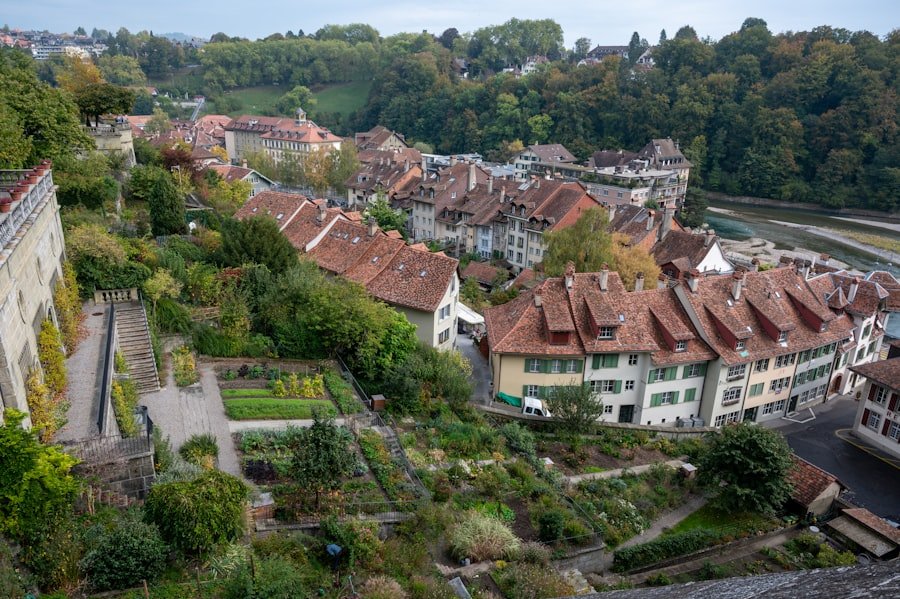
Living in Seefeld appeals to people who want the lake, city services, schools, restaurants, parks, and public transport within a compact area. Housing includes older buildings with historic character, renovated apartments, and newer residential developments.
The neighborhood also has a visible daily rhythm. Residents use the cafés, parks, shops, waterfront, and local services alongside visitors. This helps Seefeld feel like a functioning residential district rather than a zone built mainly for tourism.
Demand is an important tradeoff. The City of Zurich describes Seefeld as a highly sought-after residential address, and that demand can make long-term housing and visitor accommodation more expensive or competitive than in less central districts.
Note: A hotel address labeled “Seefeld” may be closer to Bellevue, central Seefeld, Zürichhorn, or Tiefenbrunnen. Check the exact map location and nearest tram stop before booking.
Transportation in Seefeld
Seefeld is easy to use without a car. Trams and buses follow the main neighborhood corridors, while nearby rail stations provide connections to other parts of Zurich and the surrounding region. Walking is often the simplest option for short trips between the lake, restaurants, shops, and attractions.
Zurich’s public transport companies operate within the ZVV network. A valid zone ticket can cover the included trams, buses, trains, and other public transport within its zones. The official Zurich public transport guide explains ticket types, day passes, the Zürich Card, and journey-planning options.
Tram line 4 is particularly useful along the right-lake-shore corridor and serves cultural locations including Pavillon Le Corbusier. Depending on your exact destination, Bahnhof Stadelhofen or Zürich Tiefenbrunnen may also be convenient for rail connections.
Pro Tip: Enter the exact attraction, hotel, or restaurant into the official ZVV or SBB journey planner. “Seefeld” covers a long area, so the best stop depends on the address.
Best Time to Visit Seefeld
Seefeld is worth visiting throughout the year, but the experience changes by season.
- Spring: Good for lake walks, flowering parks, outdoor cafés, and moderate sightseeing temperatures. Rain showers are still possible.
- Summer: Best for swimming, picnics, long evenings, outdoor dining, and spending more time beside the lake. Waterfront areas can become busy on warm weekends.
- Autumn: Comfortable for walking, dining, culture, and clearer views on some crisp days. Bring layers and rain protection.
- Winter: Quieter and well suited to cafés, restaurants, city walks, and indoor culture. Swimming facilities and some seasonal attractions may be closed.
Late spring through early autumn gives you the widest range of lakefront activities. Winter is better when you prefer fewer outdoor plans and want to combine Zurich with a mountain day trip.
A Simple Half-Day Seefeld Itinerary
- Begin near Bellevue or Utoquai. Walk south along the eastern shore of Lake Zurich.
- Pause on Seefeldstrasse. Stop for coffee, breakfast, or a light lunch and browse a few local shops.
- Continue to Zürichhorn. Relax at Blatterwiese and visit the Chinese Garden.
- Add Pavillon Le Corbusier. Visit when it is open and allow extra time if you enjoy architecture or design.
- Finish by the water. In summer, continue toward Strandbad Tiefenbrunnen. In cooler weather, return by tram after a lakeside walk or early dinner.
This route can take around three to five hours depending on museum time, meals, shopping, and how far you walk. You can shorten it by using a tram for the return journey.
Practical Tips for Visiting Seefeld
- Wear comfortable shoes: The neighborhood is walkable, but a full waterfront route can cover several kilometers.
- Check seasonal hours: Museums, gardens, bathing facilities, and food venues can change their schedules.
- Carry layers: Conditions beside the lake can feel cooler or windier than sheltered streets.
- Book key meals: Popular weekend restaurants and lakeside tables may fill in advance.
- Plan for higher prices: Compare accommodation and menus when traveling on a limited budget.
- Use public transport: Driving and parking are rarely necessary for a Seefeld sightseeing day.
- Check accessibility individually: Waterfront sections are generally level, but entrances, paths, and facilities vary by attraction.
Frequently Asked Questions
What is Seefeld Zurich?
Seefeld is an official quarter in Zurich’s District 8 on the eastern side of Lake Zurich. It is known for its waterfront, restaurants, cafés, boutiques, cultural attractions, residential streets, and public transport connections.
What are the best attractions in Seefeld?
Popular stops include the Lake Zurich promenade, Zürichhorn, Blatterwiese, the Chinese Garden, Pavillon Le Corbusier, Seefeldstrasse, and Strandbad Tiefenbrunnen. Some places are seasonal, so check current opening information.
Is Seefeld a good place to stay in Zurich?
Yes. Seefeld suits travelers who want a calm lakefront setting, restaurants, walkability, and convenient transport. It may be less suitable for visitors whose priorities are budget accommodation or being next to Zurich’s busiest late-night clubs.
How do you get to Seefeld from central Zurich?
You can walk from Bellevue into the northern part of Seefeld or use trams and buses along the right-lake-shore corridor. The best stop depends on your exact destination, so use the official ZVV or SBB journey planner.
Can you swim in Lake Zurich near Seefeld?
Yes, during the bathing season you can use managed facilities such as Strandbad Tiefenbrunnen. Follow posted rules, check opening hours and conditions, and supervise children closely.
How much time do you need in Seefeld?
Allow three to five hours for a lake walk, café stop, Zürichhorn, the Chinese Garden, and one museum. A full day works better if you also want shopping, swimming, a long meal, or a slower waterfront route.
Is Seefeld suitable for families?
Seefeld can work well for families because it offers parks, open lawns, lakeside paths, public transport, and family facilities at Strandbad Tiefenbrunnen. Keep children close beside roads and water.
Is Seefeld the same as Zurich District 8?
No. Seefeld is one quarter within District 8. The district also includes neighboring quarters, while travel guides sometimes use “Seefeld” more loosely for a broader part of the right lake shore.
Why Seefeld Is One of Zurich’s Best Neighborhoods
Seefeld stands out because it combines lake access with everyday city convenience. You can walk by the water, visit significant architecture, browse local shops, eat well, and move around Zurich without relying on a car.
The neighborhood is most rewarding when you do not rush it. Begin with the lake, choose one or two cultural stops, and leave space for coffee, a meal, or time on the grass at Zürichhorn. That slower rhythm is a major part of Seefeld’s appeal.
Its main disadvantages are also clear: accommodation can be expensive, some attractions are seasonal, and the area is quieter than Zurich’s main nightlife districts. For visitors who prefer scenery, walkability, culture, and relaxed evenings, those tradeoffs may be worthwhile.
Sources
- City of Zurich: Seefeld Quarter Profile — official neighborhood character, lake area, shops, restaurants, museums, and residential demand.
- City of Zurich: 125 Years as a Major City — Riesbach’s incorporation into Zurich in 1893.
- Zurich Tourism: Chinese Garden — location, background, design, and visitor information.
- Zurich Tourism: Pavillon Le Corbusier — architectural importance, exhibitions, season, and access.
- Zurich Tourism: Strandbad Tiefenbrunnen — lake bathing, family facilities, recreation, and visitor information.
- Zurich Tourism: Public Transportation — ZVV tickets, transport modes, day passes, and journey planning.