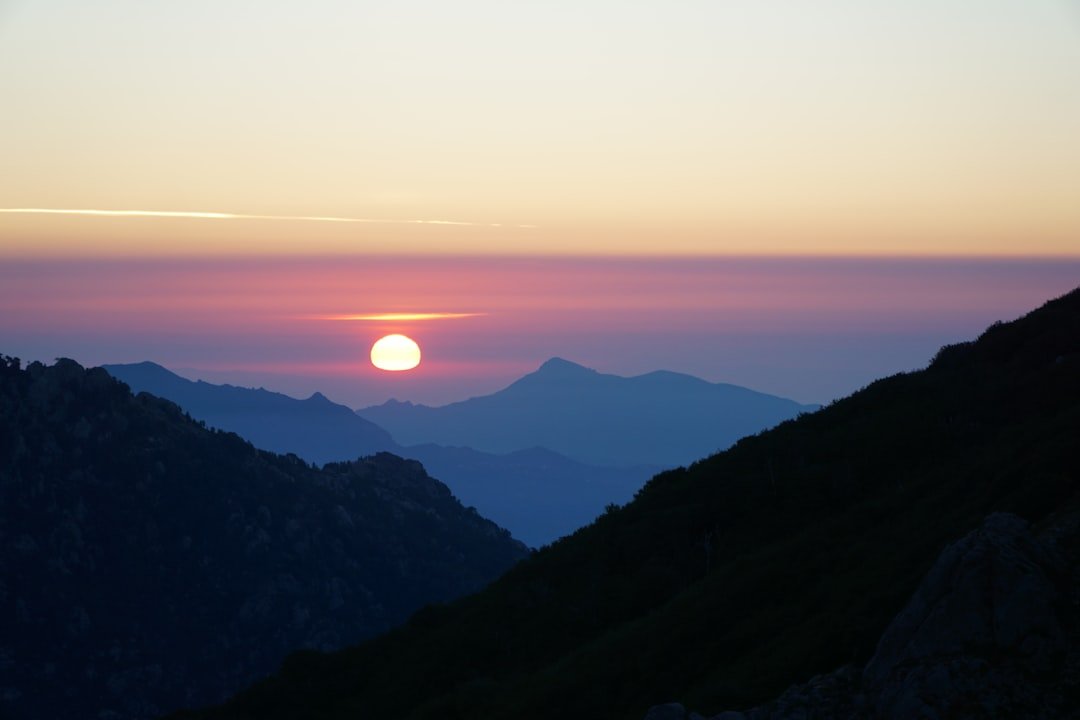
Sunrise in Switzerland can be as simple as a quiet walk beside Lake Lucerne or as ambitious as a pre-booked mountain excursion above Zermatt. The best location depends on whether you want an iconic peak, a lake reflection, an easy public-transport trip, or a true summit sunrise. Access matters because many mountain railways begin operating after the sun is already up.
Quick Answer
For an iconic Swiss sunrise, book the official Gornergrat and Riffelsee excursion for Matterhorn views. Mount Rigi, Pilatus, and Eggishorn also offer selected sunrise services. For an easier, free option without hiking in darkness, choose the lakeside in Lucerne or Montreux and arrive about 30 minutes before sunrise.
Key Takeaways
- Book a dedicated sunrise excursion if you want first light from Gornergrat, Rigi, Pilatus, or Eggishorn. Normal mountain transport often starts too late.
- Lucerne and Montreux are the easiest choices for a year-round sunrise with no mountain lift or dark hike.
- A published sunrise time does not guarantee visible sun at that moment. Nearby mountains may block direct sunlight for several minutes or longer.
- Check the weather, live operating status, trail conditions, and avalanche bulletin before any high-altitude outing.
- Drone rules include national airspace restrictions and local bans. Always check the official map and the rules for the exact site.
Each location has its own charm, and the interplay of light and shadow creates an ever-changing panorama.
Best Sunrise Spots in Switzerland at a Glance
| Location | Best For | Sunrise Access | Planning Notes |
|---|---|---|---|
| Gornergrat and Riffelsee | Matterhorn reflections and classic alpine photographs | Official sunrise excursion on selected summer mornings | Regular trains may leave too late for first light, especially in midsummer. |
| Mount Rigi | A mountain sunrise without a long overnight hike | Special sunrise railway trips | Book ahead and check the departure station and included services. |
| Mount Pilatus | High views above Lake Lucerne | Selected railway trips or a demanding guided hike | The guided hike requires strong fitness, surefootedness, and suitable equipment. |
| Eggishorn | Sunrise over the Great Aletsch Glacier | Official sunrise rides on selected summer dates | Weather, minimum participation, and 2026 infrastructure work may affect availability. |
| Lucerne | Easy lake reflections and city access | Simple walk from central accommodation | A strong choice for winter, short visits, families, and travelers without hiking gear. |
| Montreux | A calm Lake Geneva promenade | Easy pedestrian access | Look for open water, mountain silhouettes, boats, and flowers as foreground elements. |
| Harder Kulm | Lake Thun, Lake Brienz, and Bernese peaks | Normal funicular service starts after sunrise | Treat it as a daytime viewpoint unless you have a safe, legal, and well-planned hiking arrangement. |
| Oeschinensee | Blue water beneath steep mountain walls | Better for early-morning light than an independent true-sunrise hike | The regular cable car starts after sunrise, and official guidance advises avoiding twilight and nighttime hiking. |
Note: “Sunrise” is the astronomical time when the sun reaches the horizon. In mountain valleys, a ridge or peak may block direct sunlight long after that listed time. Check the direction of sunrise and the shape of the local horizon before choosing your position.
Top Sunrise Spots in the Swiss Alps
For dramatic first light, the Swiss Alps are hard to beat. High peaks begin to glow while valleys remain in shadow, and changing light can reveal new detail every few minutes. The challenge is reaching the right viewpoint safely before normal transport begins.
Gornergrat and Riffelsee for Matterhorn Views
Gornergrat is one of the most recognizable sunrise locations in Switzerland because it looks toward the Matterhorn and a wide circle of high peaks. Riffelsee adds the chance of a Matterhorn reflection when the water is calm.
The official Gornergrat sunrise excursion operates on selected summer mornings and includes an unusually early train. The current offer is scheduled on Sundays in July, August, and September. It is the most straightforward way to reach the area for true first light without making an independent nighttime ascent.
Do not assume that a normal ticket will get you there in time. The regular 2026 timetable lists a 7:00 a.m. first train from Zermatt during much of the summer season. That is after sunrise in midsummer and may still be too late for the best color on other dates.
Pro Tip: If reflections are your priority, check the wind forecast as well as cloud cover. A colorful sky can still produce disappointing reflection photographs when the lake surface is rippled.
Schilthorn and Piz Gloria
Schilthorn offers a broad panorama toward the Bernese Alps, including the Eiger, Mönch, and Jungfrau. The summit cableway system completed its major modernization project in April 2026, but normal public operating times still need to be checked for the exact day of your visit.
Do not count on reaching the summit for sunrise through ordinary daytime service. Look for an official special event, stay in the Mürren area and choose a safe village-level viewpoint, or enjoy the summit later in the morning. A lower viewpoint that you can reach safely is a better choice than an exposed route attempted in darkness.
Mount Rigi
Mount Rigi is a practical choice for travelers who want a mountain sunrise without planning a long, independent overnight hike. The official Rigi sunrise rides use an early cogwheel train from Goldau to Rigi Kulm on selected dates.
The experience is easier logistically than many remote alpine viewpoints, but it still requires a reservation and an early arrival at the correct departure station. Check what is included and whether your normal rail pass applies to the special service.
Mount Pilatus
Pilatus rises above the Lake Lucerne region and gives you a high view across mountains, lakes, and the Swiss Plateau. In 2026, the operator offers two very different sunrise experiences.
- Nostalgic sunrise railway trip: A selected-date early ascent from Alpnachstad in a historic railcar, followed by breakfast.
- Guided sunrise hike: A demanding overnight ascent that starts around midnight and takes roughly five hours of hiking.
Review the current Pilatus sunrise railway offer or the guided sunrise hike before booking. The hike requires very good fitness, surefootedness, hiking boots, a headlamp, sufficient water, and protection from rain, sun, wind, and cold.
Eggishorn and the Great Aletsch Glacier
Eggishorn is one of the best sunrise choices for a glacier panorama. From the viewpoint, you can look over the Great Aletsch Glacier, the largest glacier in the Alps, while distant peaks begin to catch the first light.
The official Eggishorn sunrise ride operates on Fridays in July and August, subject to suitable weather, enough participants, and current cable-car availability. The excursion begins at Fiesch and includes an unscheduled early ascent.
Check live availability rather than relying on a general summer timetable. Infrastructure work affects parts of the Eggishorn service during 2026, especially later in the summer.
Chasing the First Light in Swiss Lakeside Towns
Lakeside towns can be just as memorable at dawn, and they are often easier than mountain summits. You can usually walk from your accommodation, avoid lift schedules, and leave quickly if rain or low cloud moves in.
Lucerne
Lake Lucerne can look almost still in the early morning. Choose an open stretch of shoreline and watch for the first warm light on the mountains beyond the city. Boats, railings, piers, and reflections can add depth to photographs.
Lucerne works especially well for families, winter visitors, short city breaks, and anyone who does not want to carry alpine equipment. Arrive during dawn, before the sun appears, so you have time to choose a clear view.
Montreux and Lake Geneva
Montreux is an easy lakeside choice: sunrise over Lake Geneva can feel calm and cinematic, especially from an open section of the promenade.
The promenade gives you room to change position as the light develops. Look for reflections, moored boats, distant mountains, flowers, or shoreline curves instead of aiming the camera only at the open sky.
Hidden Gems and Quieter Early-Morning Locations
Oeschinensee near Kandersteg
Oeschinensee combines deep-blue water with steep mountain walls, but it needs careful wording as a sunrise recommendation. The regular cable car begins at 8:30 a.m. during its 2026 summer and autumn operating periods, which is after sunrise.
The operator’s outdoor guidance also advises visitors to avoid hiking during twilight and at night. For most travelers, Oeschinensee is therefore better for quiet early-morning light after the first cable car than for an independent pre-dawn hike.
Use the official operating-status page to check open trails, closures, rockfall zones, and cable-car conditions. Stay on marked routes and respect restricted areas.
Harder Kulm above Interlaken
Harder Kulm looks over Lake Thun, Lake Brienz, and the Eiger, Mönch, and Jungfrau. The view is excellent, but the normal funicular does not provide true-sunrise access.
For the 2026 season, the regular first ascent is scheduled for 9:10 a.m. Treat Harder Kulm as a daytime or evening destination unless you already have a safe, legal, and well-researched hiking plan. Do not turn a convenient ten-minute funicular excursion into an improvised nighttime mountain hike.
Grindelwald and Appenzell
Grindelwald is a practical base for mountain scenery because you can choose between village viewpoints, valley walks, and higher excursions. A village-level position can still show first light on major peaks without requiring an exposed ascent in darkness.
In Appenzell, lower hills and open countryside can be gentler alternatives when high alpine terrain is snowy, closed, or beyond your experience. Check the route in daylight first whenever possible.
Best Time of Year for a Swiss Sunrise
| Season | Advantages | Main Challenges | Best Approach |
|---|---|---|---|
| Summer | More open trails and the widest range of special sunrise excursions | Very early sunrise, thunderstorms, crowds later in the day | Book a dedicated early service or stay close to an easy viewpoint. |
| Autumn | Later sunrise, clearer air on some days, changing foliage at lower elevations | Shortening lift seasons, frost, early snow, and maintenance closures | Confirm the final operating date and first departure before booking accommodation. |
| Winter | Later sunrise, snowy scenery, and easier timing in towns | Avalanche danger, ice, closed trails, extreme cold, and darkness | Choose Lucerne, Montreux, Zurich, Geneva, or an officially operated mountain experience. |
| Spring | Snowy peaks, longer days, and quieter shoulder-season towns | Lingering snow, unstable conditions, wet trails, and limited lift schedules | Check both the avalanche bulletin and the operator’s live trail status. |
Sunrise time changes greatly through the year. As a city example, Zurich’s sunrise is around 5:30 a.m. in mid-June and about 8:10 to 8:13 a.m. near the end of December. Use a location-specific sunrise tool for your exact date rather than relying on a national average.
Plan Transport and Access Before Dawn
A successful sunrise trip usually depends more on logistics than on choosing the most famous viewpoint. Work backward from the published sunrise time and check every stage of the journey.
- Confirm the exact sunrise time and direction. Use the date and coordinates of the viewpoint, not the nearest large city.
- Check when direct light will clear the local mountains. Astronomical sunrise may occur while your viewpoint remains in shadow.
- Verify the first train, bus, funicular, or cable car. A destination being “open” that day does not mean it operates before dawn.
- Look for a special sunrise excursion. Gornergrat, Rigi, Pilatus, and Eggishorn use separate early services on selected dates.
- Check the final walking section. A railway may bring you close to the viewpoint but still leave a dark, uneven, or snowy path.
- Review the return plan. Know when normal service begins and what you will do if the special trip is cancelled.
If normal transport starts too late, staying near the viewpoint may solve the problem. However, an overnight stay does not automatically make every route safe or legal. Confirm property access, trail rules, gates, wildlife restrictions, and seasonal closures.
Products Worth Considering

Gentle Wake Up with Sunrise Alarm Clock: The sunrise simulation gradually brightens over a customizable 5-60 minutes before your set alarm time, aligning with your circadian rhythm for a peaceful, stress-free start to your day.

Sunrise Simulation Wake-Up Light: This smart alarm clock gradually brightens 30 minutes before the alarm rings, mimicking a natural sunrise from a soft red glow to bright white light. With adjustable brightness levels from 1 to 20, this sunrise alarm clock provides a natural wake-up experience, the best alarm clock for heavy sleepers.
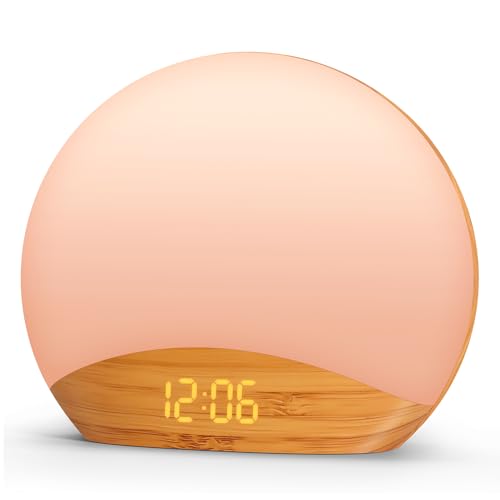
【Cut Jarring. Awaken Sunrise】Reacher sunrise alarm clock mimics the glow of natural light. Its sunrise simulation gently brightens your room from 1% to 100% over 5–60 minutes, easing you out of sleep like a soft morning breeze. Without harsh alarms — just a gentle wake up light that makes every morning feel calmer, brighter, and truly refreshing.
Urban Sunrise: Watching Swiss Cities Wake Up
Nature is not the only setting for a good sunrise. Zurich and Geneva offer calm early walks, architecture, river views, and easy access without mountain equipment.
Zurich
The Lindenhof area offers an elevated view over parts of the old town, river, and rooftops. The result is less dramatic than an alpine summit, but it can be a better choice when mountain weather is poor or your schedule is limited.
Arrive before commuter activity increases and look for layers such as rooftops, church towers, bridges, and the brightening sky.
Geneva
Parc des Bastions is a peaceful place to watch the city brighten through trees and historic surroundings. For a more open horizon, compare it with a safe public position closer to the lake before deciding where to set up.
Sunrise Hikes in the Swiss Countryside
Switzerland has many trails over meadows, hills, and ridgelines, but a familiar daytime route can feel completely different in darkness. Trail markers are harder to see, wet roots and rocks are less obvious, and weather changes are more difficult to judge.
Warning: Do not attempt an unfamiliar, exposed, closed, snowy, or avalanche-prone route before dawn simply to reach a photograph. Choose a route below your normal daytime difficulty, check official conditions, and turn back if visibility, footing, weather, or navigation becomes uncertain.
Minimum Gear for a Pre-Dawn Walk
- A headlamp, not only a phone flashlight
- Spare batteries or a second light
- Hiking footwear with suitable grip
- Warm layers, rain protection, and gloves when needed
- Water and food
- An offline route map and a charged phone
- Any traction or snow equipment required by current conditions
- A plan shared with someone who is not on the hike
Near Interlaken, lower viewpoints above the lakes can provide a sense of adventure without committing to a major summit. In Appenzell, gentler hill routes may work when alpine trails are out of season, but they still require a route and conditions check.
For winter and spring mountain outings, consult the Swiss avalanche bulletin from SLF. The bulletin is an informed regional warning. It does not certify that a particular slope or route is safe.
Tips for Sunrise Photography in Switzerland
Arrive about 30 to 45 minutes before the listed sunrise time when access allows. Some of the best color appears during dawn, before the sun itself becomes visible. Once direct light reaches the peaks, exposure and color can change quickly.
Products Worth Considering

Camera mount tripod stand with zippered storage bag

【Lightweight and Portable】4 section leg can adjust tripod height from 20.4''/52cm to 64.1''/163cm; it can be folded to 15.5''/39.5cm to make it easy to put it in the carrying bag; the net weight with the ball head included is only 2.53lbs/1.15 KG.

Innovative Pentagonal Tube Design – Engineered for stability and portability, this lightweight (2.6 lbs/1.18 kg) tripod features a unique pentagonal-shaped tube for enhanced durability and easy folding. With a compact 19.6 ''/50 cm folded size, it’s effortless to carry, making it ideal for travel, outdoor shoots, and professional use, even on rugged terrains
For a Camera
- Use a tripod: It helps with slower shutter speeds before sunrise and lets you compose carefully.
- Start with a low ISO: Raise it only when wind, moving subjects, or handheld shooting requires a faster shutter speed.
- Bracket difficult scenes: A bright sky and dark valley may exceed the range of a single exposure.
- Check the histogram: Protect bright clouds and snow from severe overexposure.
- Bring a lens cloth: Mist, drizzle, snow, and condensation can quickly soften a photograph.
For a Phone
- Clean the lens before shooting.
- Tap and hold to lock focus and exposure when your phone supports it.
- Reduce exposure slightly to preserve color in the sky.
- Use night mode carefully when people, water, grass, or clouds are moving.
- Avoid heavy digital zoom. Move closer or crop modestly later.
Build Depth into the Photograph
Include a foreground such as rocks, flowers, a path, a pier, a railing, or a reflection. This gives scale to distant peaks and stops every image from becoming a flat strip of sky above a dark horizon.
Clouds are not always bad. A broken layer of high cloud can catch red, pink, or orange light, while a completely clear sky may produce a simpler scene. Low cloud, however, can hide the mountains entirely, so check both the general forecast and mountain webcams.
Drone Rules at Swiss Sunrise Locations
Before every flight, review Switzerland’s official geographical flight-restriction guidance and interactive drone map. Restricted zones can change, and permission may be required from the authority shown on the map.
National airspace is only part of the check. Cantons, protected areas, land managers, and individual attractions may impose additional rules. Oeschinensee, for example, publishes a local prohibition on drones and other flying objects throughout its area.
Do not launch near crowds, disturb wildlife, fly from unstable ground, or assume that an empty viewpoint has no restrictions. Sunrise does not create an exception to privacy, environmental, or aviation rules.
Embracing the Beauty of Sunrise in Switzerland
Every sunrise feels different because weather, season, cloud, snow, and local terrain change the light. The best experience is not always the highest or most famous viewpoint. It is the place you can reach safely, legally, and early enough to watch the landscape change without rushing.
For a first trip, choose Gornergrat, Rigi, Pilatus, or Eggishorn through an official sunrise service. Choose Lucerne or Montreux when you want a simple, flexible morning. Whichever location you select, confirm the final timetable and conditions shortly before leaving.
Frequently Asked Questions
What are the best sunrise spots in Switzerland?
Popular choices include Gornergrat and Riffelsee for the Matterhorn, Mount Rigi and Pilatus for high views near Lucerne, Eggishorn for the Great Aletsch Glacier, and the lakesides in Lucerne or Montreux for an easy no-hike experience.
What time does sunrise occur in Switzerland?
The time varies by date and location. In Zurich, sunrise is around 5:30 a.m. in mid-June and about 8:10 to 8:13 a.m. late in December. Mountain ridges can delay the moment when direct sunlight reaches your viewpoint, so use a location-specific tool.
Which Swiss sunrise spot is easiest without hiking?
Lucerne and Montreux are the easiest choices because you can walk to the lakeside from central accommodation. Official sunrise railway trips on Rigi, Gornergrat, Pilatus, and Eggishorn also reduce hiking, but they operate only on selected dates and require booking.
Can I reach Swiss sunrise viewpoints by public transportation?
Many locations are connected by train, bus, funicular, or cable car, but normal services often begin after sunrise. Look for a dedicated early excursion or stay near an easy viewpoint. Always confirm the first departure for your exact date.
Is it safe to hike for sunrise in winter?
Winter sunrise hiking can involve ice, deep snow, closed routes, avalanche terrain, extreme cold, and difficult navigation. Check the SLF avalanche bulletin and local trail status. Avoid unfamiliar or exposed routes and use an official guided experience when you lack winter mountain training.
What should I bring for a sunrise outing?
Bring warm layers, weather protection, water, suitable footwear, a charged phone, and a headlamp if you will walk before daylight. For photography, add a tripod, spare battery, lens cloth, and gloves that still let you operate the camera.
Can I fly a drone at a Swiss sunrise viewpoint?
It depends on the exact location, airspace, aircraft, and local rules. Check the current FOCA drone map before every flight and review site-specific restrictions. Some destinations, including the Oeschinensee area, prohibit drones locally.
Sources
- Gornergrat Bahn sunrise experience and regular timetable — sunrise excursion availability and normal first departures.
- Pilatus nostalgic sunrise ride and guided sunrise hike — current access methods, difficulty, and required equipment.
- Aletsch Arena Eggishorn sunrise ride — dates, transport, weather conditions, and booking requirements.
- Jungfrau Railways Harder Kulm information — 2026 operating season and regular funicular times.
- Oeschinensee timetable and outdoor safety guidance — cable-car hours and advice concerning twilight and nighttime hiking.
- SLF avalanche bulletin and FOCA geographical flight restrictions — official mountain-safety and drone-planning resources.