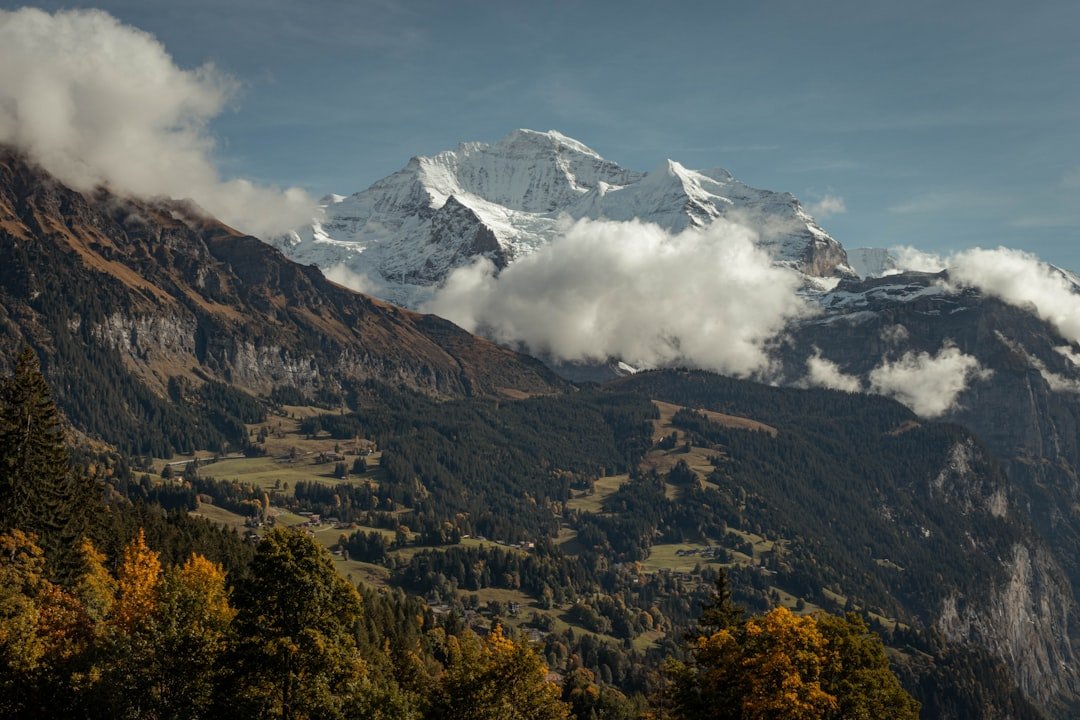
Switzerland in November sits between colorful autumn and the main winter season, and that transition is exactly what makes the month interesting. I can spend one day walking through a cool, quiet city and the next looking across fresh snow in the high Alps. The tradeoff is that November weather, snow, mountain transport, and seasonal opening hours can be unpredictable, so careful planning matters more than it does in peak summer or midwinter.
Quick Answer
Switzerland is worth visiting in November if you want quieter cities, cool weather, possible Alpine snow, seasonal food, and late-month Christmas markets. Do not expect the entire country to look like deep winter. Snow and ski access depend heavily on elevation, and some mountain railways, hotels, and scenic services reduce operations between seasons.
Key Takeaways
- November is a transition month: cities and lowlands often feel like late autumn while high Alpine areas may already have winter conditions.
- Early November is usually better for quiet city breaks and autumn atmosphere, while late November brings more Advent lights and Christmas markets.
- Do not assume every ski resort is fully open. High-altitude destinations such as Zermatt are stronger November options, but live lift and snow reports should always be checked.
- Some mountain railways, hotels, restaurants, hiking facilities, and panoramic train services have shoulder-season closures or reduced schedules.
- Fondue, raclette, rösti, seasonal game dishes, hot chocolate, and Swiss Christmas biscuits make cold November days much more enjoyable.
What Switzerland Is Really Like in November
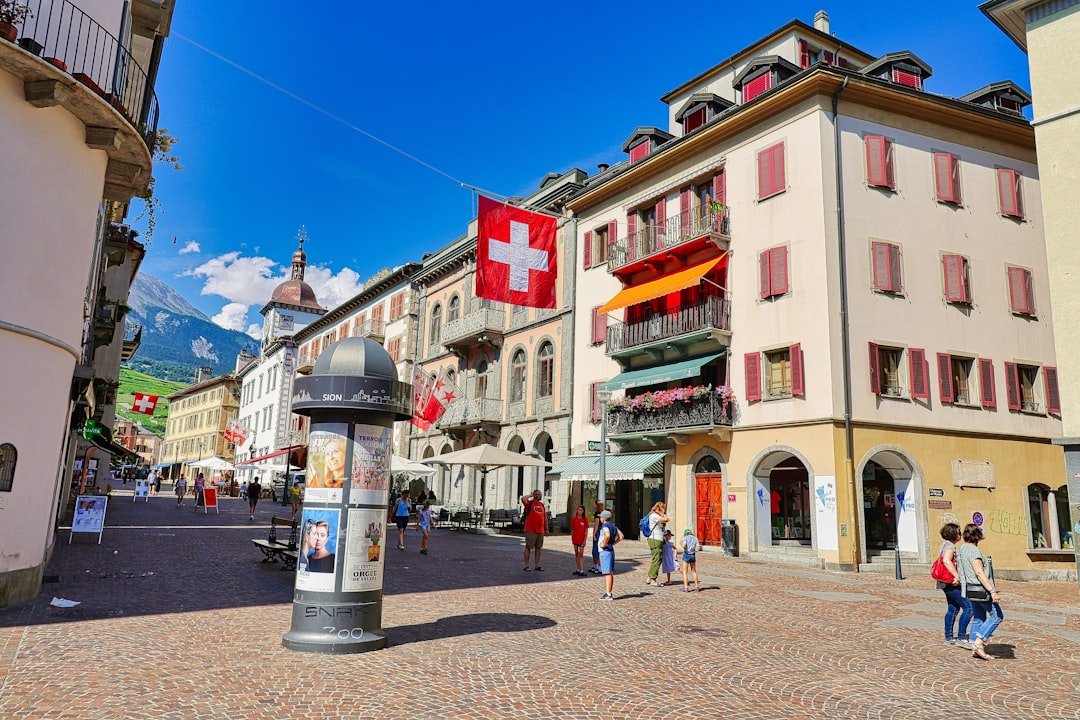
November is not quite autumn and not quite full winter. In Zurich, Geneva, Basel, Bern, Lucerne, and other lowland areas, I prepare for cold rain, mist, crisp clear days, and occasional frost rather than assuming that snow will cover the streets. Higher in the Alps, temperatures drop faster and snow becomes much more likely.
MeteoSwiss notes that the first measurable snow in Switzerland’s central lowlands generally arrives in the last third of November. Western and northwestern lowlands commonly see their first measurable snow later. That is why photographs of completely white Alpine landscapes should not be treated as a picture of the entire country throughout November.
November can give you autumn streets, snowy mountains, foggy valleys, and clear blue Alpine skies during the same trip. Elevation matters more than the month alone.
Early November vs. Late November
| Period | What to Expect | Best For |
|---|---|---|
| Early November | Late-autumn conditions in many cities and valleys, possible Alpine snow, fewer Advent events | Museums, food, city breaks, quiet sightseeing |
| Mid-November | Increasing chance of cold weather and snow at altitude, some seasonal businesses still closed | Mixed city and mountain trips with flexible plans |
| Late November | More Advent decorations and Christmas markets, better chance of Alpine winter scenery | Christmas atmosphere, winter food, high-altitude excursions |
Note: November weather changes quickly. I check the destination-specific MeteoSwiss forecast and the operating status of any mountain lift again shortly before leaving for the day.
Winter Sports and Activities in Switzerland in November
Switzerland is famous for skiing and snowboarding, but November requires more planning than January or February. I do not assume that a famous ski destination automatically has its full winter network operating. Snow depth, snowmaking, altitude, wind, and individual resort schedules all affect what is available.
Zermatt is one of the stronger choices for travelers determined to ski in November. The official Zermatt Tourism information describes the Matterhorn Glacier Paradise area as serving snow-sports visitors throughout the year. Even there, I still check the current lift status, wind, weather, and snow report before buying around a fixed plan.
At lower resorts, November may mean limited terrain or no skiing at all. The safest planning tool is the live Switzerland Tourism snow report, followed by the resort’s own operating page.
Snowshoeing and winter hiking can also be excellent once routes are officially prepared. On days without enough snow, I prefer low-elevation walking paths, city walks, thermal spas, museums, or lakeside promenades rather than forcing a winter activity that conditions do not support.
Ice skating is another enjoyable option, but I use maintained ice rinks or natural-ice areas that local authorities or operators have officially opened. I never assume that a frozen-looking lake is safe enough to walk or skate on.
Warning: Snow, ice, wind, fog, and rapidly changing Alpine weather can turn an easy-looking outing into a serious one. Check current route and lift conditions, stay on open trails, and never enter unofficial natural ice.
Festive Events and Christmas Markets in November
The festive season does begin during November, but timing matters. Early in the month, I expect autumn events and city life rather than a country already covered in Christmas markets. Switzerland Tourism describes November as the point when the pre-Christmas season slowly begins and cities start adding illuminations and markets.
By the second half of November, the atmosphere changes quickly. Wooden stalls, lights, hot drinks, raclette, gingerbread, crafts, and seasonal music begin to appear in a growing number of towns.
Notable November Events in 2026
- Geneva International Film Festival: October 30 to November 8, 2026. The dates are confirmed by the official GIFF website.
- Berner Sternenmarkt: November 19 to December 27, 2026, according to Bern Welcome.
- Huttwil Christmas Market: November 25 to 29, 2026.
- Basel Christmas Market: November 26 to December 23, 2026, according to Basel Tourism.
The Montreux Jazz Festival and Zurich Film Festival should not be planned as November attractions. In 2026, the Montreux Jazz Festival took place in July, while the Zurich Film Festival runs from late September into early October.
I particularly enjoy late November because the markets give cold evenings a purpose. Instead of simply returning to my hotel after sunset, I can spend an hour walking among illuminated stalls, trying warm food, and watching the city move into the Advent season.
Pro Tip: If Christmas markets are a major reason for your trip, choose the final 10 days of November rather than the first week. Many of the better-known markets are not open earlier in the month.
Culinary Delights of Swiss Winter Cuisine
| Dish | Description | Typical Ingredients |
|---|---|---|
| Fondue | Melted cheese served communally with bread | Cheese, white wine, garlic, bread |
| Raclette | Melted cheese scraped over simple accompaniments | Raclette cheese, potatoes, pickles, onions |
| Rösti | Crisp pan-fried grated potatoes | Potatoes, fat or butter, salt |
| Zürcher Geschnetzeltes | Zurich-style sliced veal in a creamy mushroom sauce | Veal, mushrooms, cream, white wine |
Cold November weather makes Switzerland’s richer dishes especially appealing. Fondue is one of my favorite choices after a mountain excursion because the meal itself becomes part of the evening. Dipping bread into melted cheese while sharing the pot with friends feels far more satisfying when the temperature has dropped outside.
Raclette is equally comforting. Melted cheese is normally served with potatoes, pickles, and onions, with other accompaniments varying by restaurant or region. Rösti works well as either a simple dish or a side, while Zürcher Geschnetzeltes is a natural choice when I am spending time in Zurich.
November is also part of the game season in many parts of Switzerland. Switzerland Tourism notes that restaurants may serve deer, roe deer, wild boar, and other game with autumn sides such as red cabbage, chestnuts, and spaetzle. As Advent approaches, bakeries also begin filling with seasonal biscuits. Stollen may appear in German-speaking areas, although it belongs to a wider Central European Christmas tradition rather than being uniquely Swiss.
Best Swiss Cities to Explore in November
November is a good month for city travel because museums, old towns, restaurants, cafés, and historic attractions do not depend on snow. When low cloud hides the mountains, a city day can be much more rewarding than waiting at an Alpine viewpoint with no visibility.
Zurich
Zurich gives me an easy mix of Old Town streets, museums, shopping, cafés, and walks beside Lake Zurich. The historic center is compact enough to explore on foot, and indoor attractions make it easy to adjust when rain arrives. Late in November, seasonal lights and Advent activities add another reason to stay into the evening.
Geneva
Geneva combines its lakeside setting with museums, international institutions, historic streets, food, and cultural events. The Jet d’Eau remains one of the city’s best-known sights, but November is also a good time to explore indoors rather than building the day entirely around lake views.
The Geneva International Film Festival makes early November particularly interesting in 2026, with events running through November 8.
Bern
Bern is one of my favorite choices for late November because its UNESCO-listed Old Town works in almost any weather. Arcades provide some shelter from rain, while Christmas events begin appearing during the second half of the month. The Berner Sternenmarkt opens on November 19 in 2026.
Basel
Basel is especially strong for art and museums. Its major Christmas market opens on November 26 in 2026, making the end of the month much more festive than the beginning.
Cozy Accommodations and Alpine Retreats
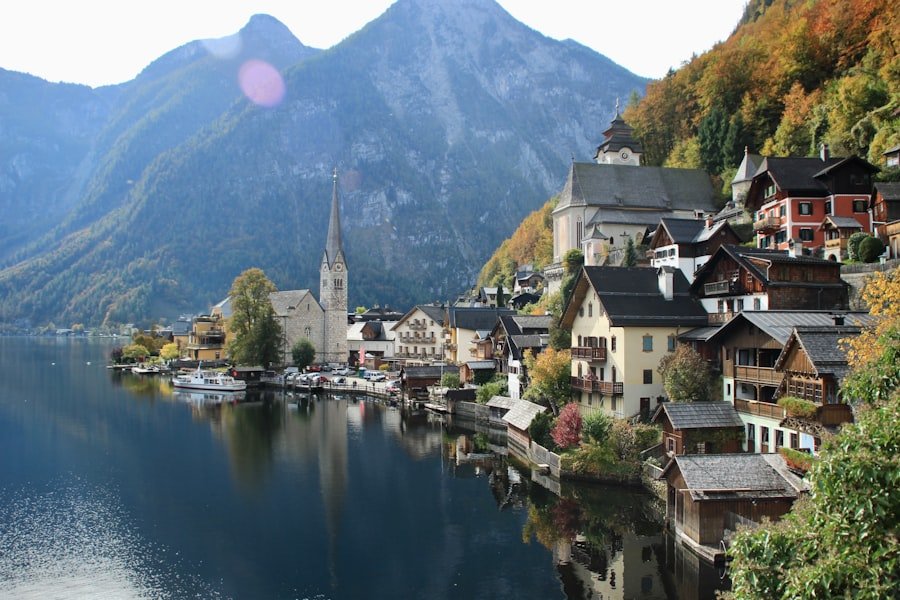
Finding a warm place to stay adds a lot to a November trip. I enjoy mountain chalets and traditional hotels with wood interiors, comfortable lounges, and views that let me appreciate poor weather without having to remain outside in it.
November can sometimes offer quieter stays than the peak ski season, but I do not assume that every Alpine hotel will be open. This is a shoulder-season month, and some properties close between their summer and winter seasons.
I check three things before booking a mountain stay: whether the hotel itself is operating, whether the transport needed to reach it is running, and whether the activities I want are available on my dates.
City hotels are generally easier for a flexible November trip because restaurants, museums, railway connections, and bad-weather alternatives are close by. A useful compromise is to spend part of the trip in Zurich, Bern, Lucerne, Basel, or Geneva and add one or two mountain nights only after checking the operating calendar.
Transport and Seasonal Closures in November
Switzerland’s regular rail network remains one of the easiest ways for me to travel in November, especially when roads are wet, icy, or snowy. However, tourist transport should not automatically be treated as year-round.
Some mountain railways and cable cars use November for maintenance between their summer and winter schedules. Panoramic services may also have gaps. For example, Switzerland Tourism’s Glacier Express information specifically warns that no Glacier Express trains operate on certain dates from November into December.
Before building a day around a cable car, cog railway, scenic train, boat, or remote mountain restaurant, I verify the timetable for the exact date rather than relying on a general description of the attraction.
Driving in Switzerland in November
Driving gives me flexibility, but mountain weather can change quickly. Snow and ice are much more important considerations at altitude than in lowland cities.
Switzerland does not impose a general legal requirement to fit winter tyres. However, the Swiss Federal Office of Energy explains that drivers using unsuitable tyres can be held accountable if their vehicle becomes stuck on a snow-covered road or contributes to an accident.
For a November mountain road trip, suitable cold-weather tyres and a weather-aware route are therefore far more sensible than treating the lack of a blanket legal mandate as a reason to drive on summer equipment.
Tips for Dressing for Switzerland in November
Layering is the most useful strategy I have found because temperatures can change dramatically between a city, a shaded valley, and a high mountain station.
- Base layer: A breathable long-sleeved layer for cold days and mountain excursions.
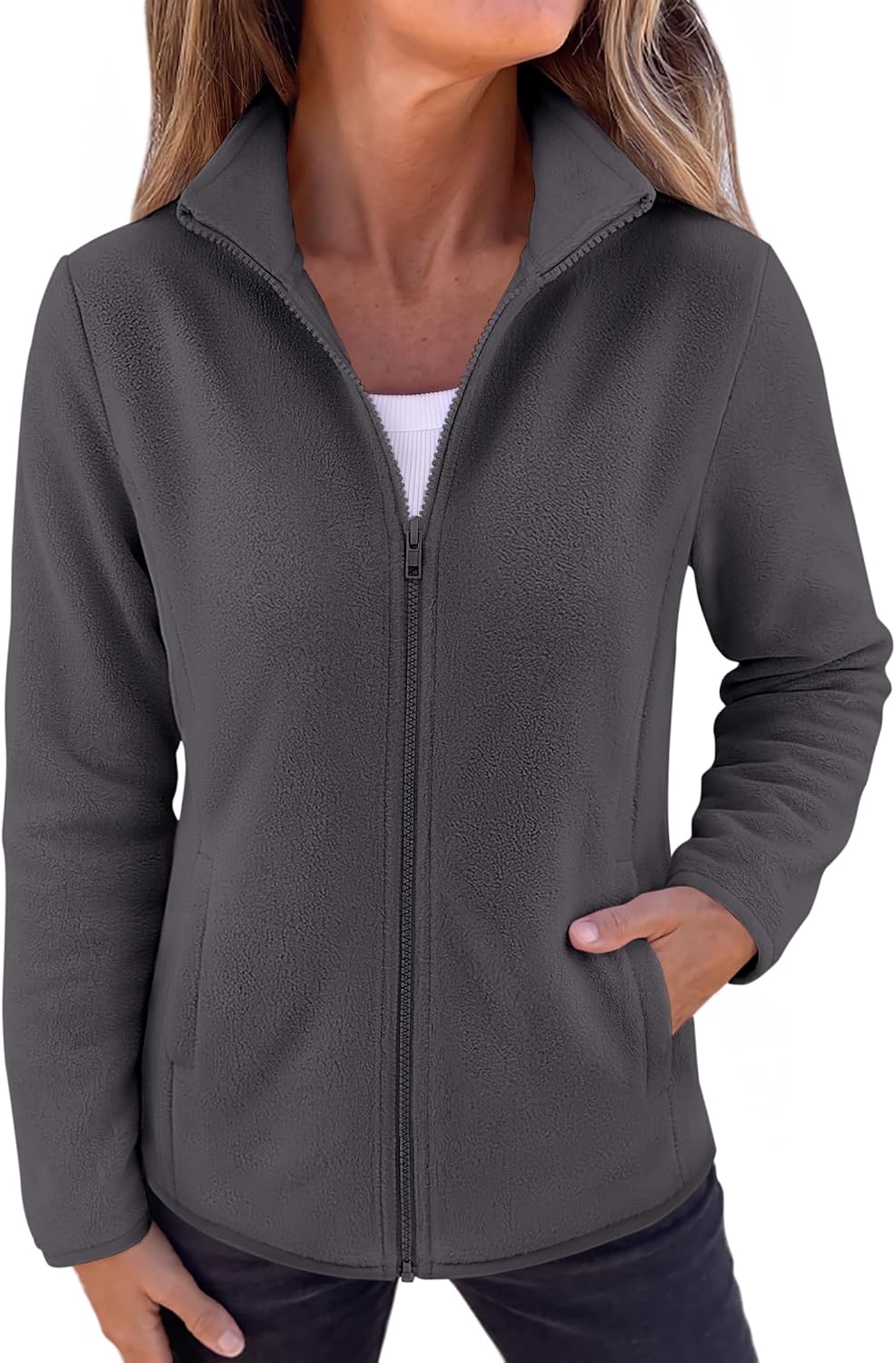
- Mid-layer: Fleece, wool sweater, or similar insulating layer.
- Outer layer: A wind-resistant and water-resistant jacket.
- Footwear: Comfortable waterproof shoes or boots with useful grip.
- Accessories: Gloves, warm hat, scarf or neck warmer.
- Socks: Warm socks that stay comfortable during long walking days.
- Rain protection: Compact umbrella or waterproof shell for city travel.
- Sun protection: Sunglasses and sunscreen for high-altitude days, where snow can increase glare.
I avoid dressing only for the weather outside my hotel. A mild morning in Zurich says very little about how cold it will feel several thousand feet higher on a mountain excursion.
Pro Tip: Carry one small day bag with gloves, an extra warm layer, water, and rain protection even when the morning looks clear. It is much easier to remove a layer than to recover from being underdressed at altitude.
Must-See Attractions and Mountain Destinations in November
The Matterhorn remains one of Switzerland’s defining sights in every season. Zermatt is particularly useful in November because its high-altitude infrastructure gives me more options than I would have in a lower resort. The village itself is also car-free, so arriving by rail avoids many winter-driving concerns.
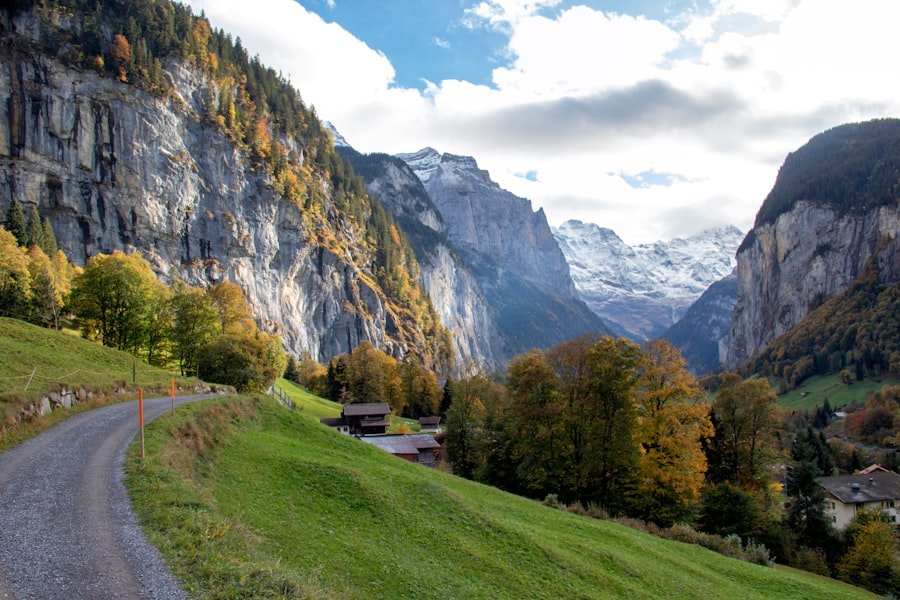
Lauterbrunnen is another memorable destination, although I would not call it an undiscovered hidden gem. Its steep valley walls, waterfalls, villages, and access to the Jungfrau region have made it internationally famous. November can be peaceful, but some seasonal transport and businesses may operate differently from summer, so I check individual timetables before going.
Appenzell offers a different experience. Its colorful town center and regional traditions make it worthwhile even when I am not chasing snow. For travelers more interested in culture, food, and smaller towns than skiing, this can be a useful addition to a November itinerary.
The key is not to measure a successful November trip by how much snow I see. Some of my best days can come from a clear mountain panorama, while others come from an old town, a museum, a bowl of warm food, or a quiet lakeside walk. November works best when I build flexibility into the plan instead of trying to force a midwinter itinerary onto a transition-season month.
A Simple 5-Day Switzerland in November Itinerary
Day 1: Zurich
Explore Zurich’s Old Town, lakefront, cafés, and museums. Keep the day mostly urban so arrival weather does not matter.
Day 2: Lucerne
Travel to Lucerne for the Old Town, Chapel Bridge, lakefront, and indoor attractions. Add a mountain excursion only if the operating schedule and weather are favorable.
Day 3: Bern
Walk the historic center and arcades, visit museums, and enjoy seasonal Swiss food. In late November, add the Christmas markets that are already open.
Day 4: Alpine Day
Choose a high-altitude destination such as Zermatt if snow and mountain scenery are priorities. Check the weather, webcams, snow report, and lift status before committing to the journey.
Day 5: Basel or Geneva
Use the final day for culture and museums. Basel becomes particularly attractive once its Christmas market opens late in November, while Geneva is a strong choice during GIFF in early November.
Note: I keep mountain days movable. If Tuesday is cloudy and Thursday is clear, I would rather swap the itinerary than spend an expensive mountain day inside fog.
Frequently Asked Questions
What is the weather like in Switzerland in November?
November is cold and changeable. Lowland cities can experience rain, fog, frost, and occasional snow, while Alpine destinations are substantially colder and more likely to have snow. Because conditions vary so much with altitude and region, I check the forecast for each destination instead of relying on a single nationwide average.
Does it snow in Switzerland in November?
Yes, especially in the Alps, but snow is not guaranteed in lowland cities. MeteoSwiss says the first measurable snow in Switzerland’s central lowlands generally occurs in the last third of November. Higher elevations normally have a much better chance of winter conditions.
Can you ski in Switzerland in November?
Sometimes. High-altitude areas such as Zermatt offer the best chance, while many normal winter resorts may have limited terrain or may not yet be open. Check the resort’s live lift status and Switzerland Tourism snow reports before planning a ski day.
What are the best attractions to visit in Switzerland in November?
Good choices include Zurich, Bern, Basel, Geneva, Lucerne, Zermatt, museums, historic old towns, lakeside walks, and high-altitude viewpoints when weather and transport are favorable. I combine indoor city attractions with flexible mountain days because November visibility can change quickly.
Are Christmas markets open in Switzerland in November?
Yes, but many begin in the second half or final week of November. In 2026, the Berner Sternenmarkt starts November 19 and Basel’s main Christmas market starts November 26. Travelers visiting in early November should not assume that major Christmas markets will already be running.
Are there special events in Switzerland in November 2026?
Yes. The Geneva International Film Festival runs from October 30 through November 8, 2026. Late November also brings Christmas markets in Bern, Huttwil, Basel, and other destinations. The Montreux Jazz Festival and Zurich Film Festival are not November events.
What should I pack for Switzerland in November?
Pack layers, a warm water-resistant jacket, waterproof footwear, gloves, a hat, warm socks, and rain protection. Add sunglasses and sunscreen for mountain excursions. If you plan dedicated snow sports, use proper ski or snow equipment rather than ordinary city clothing.
Is November a good time to visit Switzerland?
Yes, if you value quieter sightseeing, cities, food, changing seasons, and late-November Advent atmosphere. It is less suitable if your trip depends on guaranteed deep snow, a fully open ski network, or summer hiking infrastructure. Flexible travelers usually get the most from the month.
Sources
- MeteoSwiss — first measurable snowfall patterns in Switzerland.
- Switzerland Tourism — November seasonality, pre-Christmas period, food, and events.
- Switzerland Tourism Snow Reports — current resort snow and operating conditions.
- Geneva International Film Festival — confirmed 2026 GIFF dates.
- Bern Welcome — confirmed 2026 Bern-area Christmas market dates.
- Swiss Federal Office of Energy — official guidance on winter tyres in Switzerland.