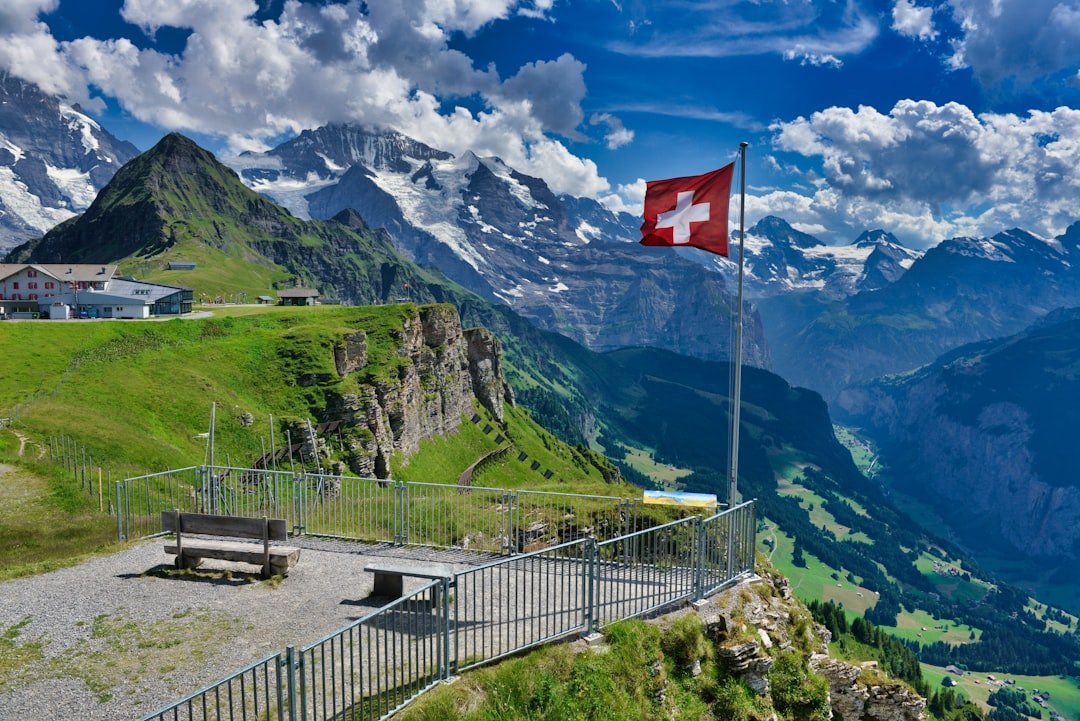
March is one of the most interesting months for me to experience Switzerland because winter and spring can exist almost side by side. I can spend the morning surrounded by deep snow in the Alps and return to a lower city or lakeside area where the first signs of spring are beginning to appear. The trade-off is that March weather is changeable, so I plan each day with elevation, snow conditions, and seasonal opening times in mind.
Quick Answer
March can be an excellent time to visit Switzerland if you want skiing, snowy mountain scenery, cooler cities, and fewer peak-summer conditions. High Alpine destinations usually remain firmly in winter, while lower areas begin moving toward spring. Pack for both seasons and check weather, snow, lift, trail, and event information before each excursion.
Key Takeaways
- March is meteorological spring, but many Swiss mountain destinations still have full winter conditions.
- Zermatt, St. Moritz, Grindelwald, and other high-elevation destinations can still be strong choices for skiing and winter scenery.
- Weather varies much more by elevation and region than one nationwide temperature range suggests.
- March events change from year to year, so I check official calendars rather than relying on old festival lists.
- Snowshoeing and winter hiking are rewarding, but I stay on suitable marked routes and check avalanche information when heading into mountain terrain.
- Swiss trains make it easy to combine snowy mountain areas with lower cities and lakeside destinations.
- Waterproof footwear, layers, gloves, sunglasses, sunscreen, and a weather-resistant outer layer are some of my most useful March items.
- March works best when I keep my itinerary flexible enough to move a mountain excursion to the clearest day.
What Switzerland Is Like in March
March does not produce one type of Swiss weather. MeteoSwiss treats March as the beginning of meteorological spring, but it also notes that wintry conditions during the first half of the month are a normal part of the Swiss climate. Even the northern lowlands can still receive fresh snow.
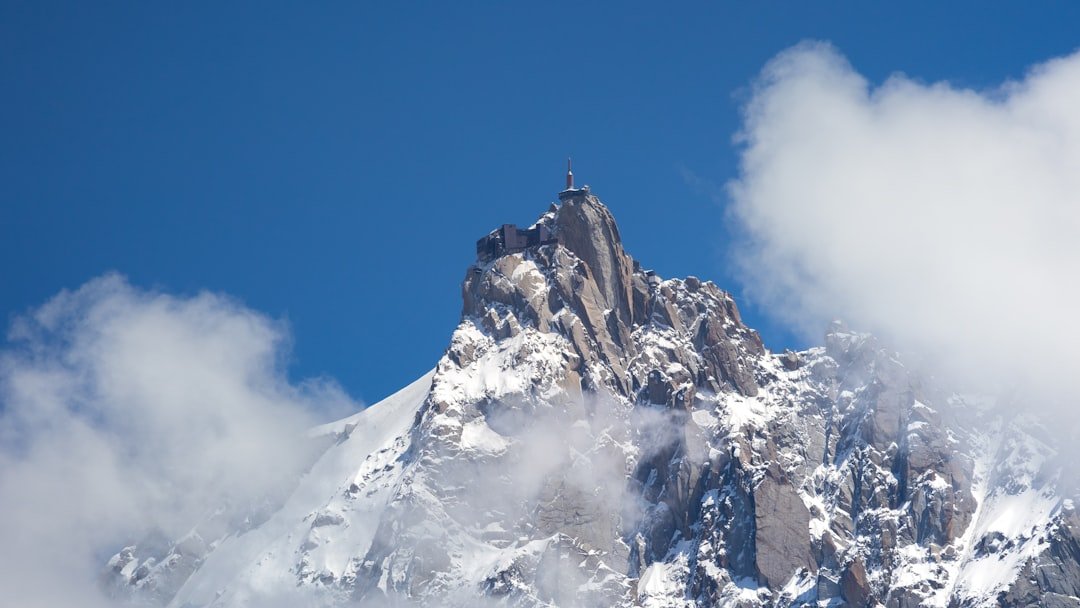
Elevation makes the biggest difference to how my trip feels. Zurich, Geneva, Bern, Lucerne, and other lower destinations may alternate between chilly rain, sunshine, cold mornings, and early spring conditions. High Alpine resorts can remain snowy and distinctly wintry.
| Area | Typical March Character | How I Plan |
| Zurich, Bern, Lucerne | Cool, changeable weather with rain, sunshine, and occasional late snow possible | I combine outdoor walks with museums, cafés, and flexible day trips. |
| Geneva and Lake Geneva | A mixture of cool early-spring days, rain, wind, and brighter spells | I keep a waterproof layer with me and use city attractions as weather backups. |
| Interlaken and Grindelwald | Valleys can begin transitioning toward spring while higher slopes remain snowy | I check the elevation of each activity rather than relying on the valley forecast alone. |
| Zermatt and St. Moritz | Predominantly winter conditions in the high mountains | I prepare for snow, cold mornings, strong sun reflection, and changing mountain conditions. |
| Ticino and lower southern areas | Spring can feel more noticeable at lower elevations, although cool or wet spells remain possible | I consider the south when I want to balance Alpine snow with milder walking conditions. |
MeteoSwiss reports that, over the long term, the northern side of the Alps averages about two to three days with fresh snow during March.
That variability is part of what makes March appealing to me. I do not expect the whole country to look like a single snowy postcard. Instead, I plan for a genuine seasonal transition.
Winter Activities in the Swiss Alps
The Swiss Alps can still offer excellent winter experiences in March. Skiing and snowboarding remain major reasons I would choose an Alpine destination at this time of year, particularly at higher resorts where the ski season normally extends well beyond the beginning of March.
Zermatt is one of the places I consider when snow sports are a priority. Its official tourism site publishes current weather, snow, lift, and piste information, which is much more useful than assuming conditions from the calendar alone. I use the same approach in St. Moritz, Grindelwald, and other resorts: I check the day’s actual operating information before committing to a route.
Beyond downhill skiing, I enjoy winter hiking, sledding, and snowshoeing. These activities let me slow down and experience snowy forests and quieter mountain scenery rather than spending every day on ski pistes.
Warning: I do not treat an unmarked snowy slope or summer hiking trail as a safe snowshoe route. When an activity leaves marked and open pistes or secured winter trails, I check the current SLF avalanche bulletin and use terrain appropriate to my experience. When conditions or my skills are uncertain, I choose a marked route or a qualified guide.
Pro Tip: I schedule my most weather-dependent mountain excursion for the clearest-looking day rather than assigning it permanently to the first day of my itinerary. March flexibility can make a major difference to visibility and enjoyment.
Exploring Swiss Winter Traditions
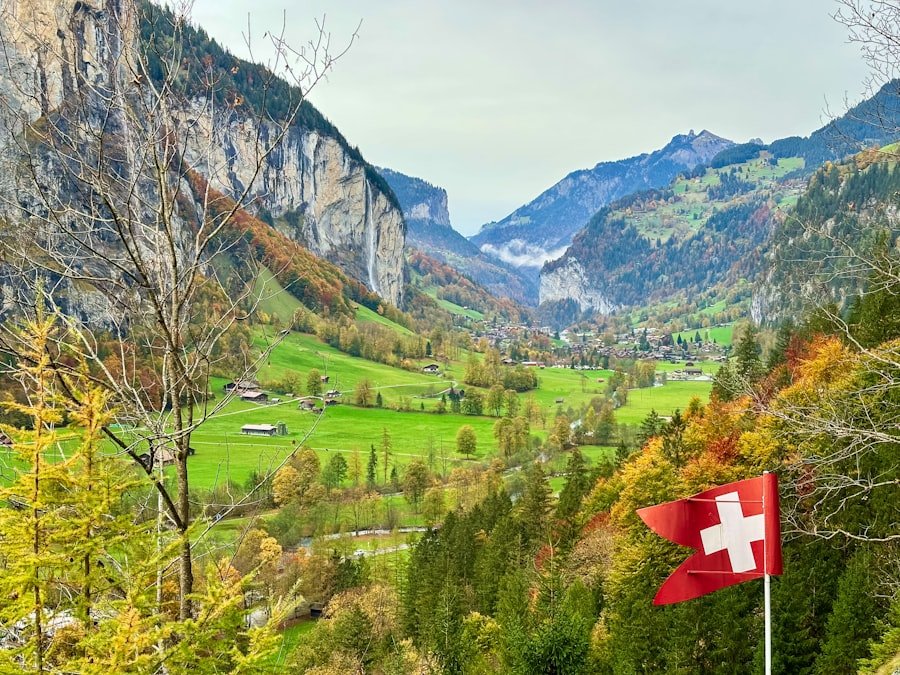
March also gives me a chance to experience traditions connected with the end of winter and the beginning of spring. One of the most distinctive is Chalandamarz in the Engadin. On March 1, children in participating villages parade with bells, decorated hats, songs, and other customs associated with driving away winter.
Fasnacht is another famous Swiss late-winter tradition, but I no longer assume it will take place in March. Its date moves with the Carnival calendar. Basel Fasnacht, for example, took place in February in 2026 and is again scheduled for February in 2027. In another year, Carnival dates can fall later, so I check the official calendar before building a trip around them.
Food traditions are easier to enjoy regardless of the festival calendar. Sitting down to cheese fondue after a cold day outdoors still feels perfectly suited to March. The shared pot, warm bread, and relaxed pace make the meal as much a social experience as a culinary one.
Depending on when Easter falls, I may also encounter seasonal decorations, markets, concerts, or local events later in the month. I treat these as date-specific bonuses rather than guaranteed March attractions.
March Festivals and Events in Switzerland
Event dates are one area where older Switzerland travel guides can become inaccurate quickly. As of August 2026, several events already have confirmed dates for March 2027.
| 2027 Date | Event | Location | What to Know |
| March 1 | Chalandamarz | Engadin villages | A traditional celebration in which children parade with bells to mark the transition out of winter. |
| March 6–14 | Fumetto Comic Festival | Lucerne | A multi-day comic-art festival with exhibitions and events across Lucerne. |
| March 14 | Engadin Skimarathon | Engadin | The 57th Engadin Skimarathon is scheduled for March 14, 2027, with additional race-week events. |
| March 16–26 | Voix de Fête | Geneva | A French-language music festival with concerts across the city. |
| March 19–20 | m4music | Zurich | Live music, discussions, and industry events focused on the Swiss music scene. |
| March 19–21 | Lucerne Festival Spring | Lucerne | A three-day classical-music program opening Lucerne’s festival season. |
Note: I always verify events again immediately before traveling. Dates and programs can change, and some recurring events move significantly from year to year.
March Events That Older Travel Guides May Get Wrong
I no longer treat the Geneva International Motor Show as a current Geneva event because organizers ended the Swiss edition after 2024. I also do not list Baselworld as a current March fixture.
The main Montreux Jazz Festival is a summer festival rather than a normal March event. Zurich Beer Festival has also been held outside March; its 2026 edition took place in April.
The International Balloon Festival in Château-d’Œx is another wonderful Swiss winter event that is sometimes placed in the wrong month. It is normally a January event, with the 2027 edition scheduled for January 23–31.
I also leave the International Circus Festival of Monte-Carlo off a Switzerland event list because it takes place in Monaco, not Switzerland. It may be interesting in its own right, but it does not help me plan a March itinerary within Switzerland.
Charming Swiss Villages and Towns
One of my favorite parts of a March trip is moving between mountain villages and historic cities. The contrast is especially noticeable at this time of year.
Grindelwald
Grindelwald gives me the classic combination of traditional chalets, dramatic mountain walls, and easy access to winter recreation. The valley itself can begin showing hints of seasonal change while the surrounding mountains remain snowy.
Zermatt
Zermatt is an obvious choice when I want the Matterhorn, mountain railways, skiing, and a strongly Alpine atmosphere. Because conditions change, I check the official Zermatt snow report before deciding which winter activity to do.
Lucerne
Lucerne gives me a very different March experience. I can walk through the historic center, cross the Chapel Bridge, spend time beside the lake, and use the city as a base for nearby mountain excursions. On a wet day, museums, churches, restaurants, and indoor attractions give me plenty of alternatives.
St. Moritz and the Engadin
The Engadin is especially appealing when I want winter sports combined with distinctive local traditions. Chalandamarz on March 1 and the Engadin Skimarathon later in the month make the region particularly interesting in March 2027.
Zurich and Geneva
Zurich and Geneva work well when I want a flexible March trip with strong public transport and plenty to do even when mountain visibility is poor. Museums, restaurants, historic neighborhoods, lakefront walks, and cultural events give me useful backup options for unsettled weather.
Culinary Delights of Swiss Winter Cuisine
Food is one reason I do not mind cold March evenings. Cheese fondue and raclette still feel perfectly suited to the season, especially after a day in the mountains.
Raclette is one of my favorites: melted cheese served with potatoes and accompaniments such as pickles. Fondue gives me a similar sense of warmth but turns the meal into an even more communal experience as everyone shares the same pot.
Rösti is another comforting choice, particularly when I want something simple after being outside. Regional menus vary, so I enjoy seeing how the dish changes from one restaurant or area to another.
Swiss chocolate is an easy year-round pleasure. In March, visiting a chocolatier, chocolate attraction, café, or confectionery is also an excellent option for an afternoon when rain or poor mountain visibility changes my outdoor plans.
Tips for Traveling in Switzerland in March
Use the Weather Forecast as Part of the Itinerary
I do not lock every March mountain excursion to a particular date months in advance. Instead, I leave room to move a scenic railway, cable-car trip, skiing day, or viewpoint excursion to the day with better conditions whenever my bookings allow it.
For national forecasts and climate information, I use MeteoSwiss. For mountain activities, I also check the destination’s local lift, snow, and trail reports.
Expect Different Conditions at Different Elevations
A sunny afternoon beside a lake does not tell me what conditions will be like 1,500 or 2,000 meters higher. I check both the valley forecast and the mountain forecast before leaving.
Use Switzerland’s Public Transport Network
Trains are particularly useful for a March trip because they let me move between cities and mountain destinations without planning every day around driving conditions.
The Swiss Travel Pass can cover extensive train, bus, boat, and local public-transport travel during its validity. It also includes museum benefits and discounts on many mountain railways. However, I still check the exact route because some mountain journeys are discounted rather than fully included, and reservations or supplements can apply on certain panoramic services.
I compare the Swiss Travel Pass with individual tickets, Saver Day Passes, or the tourist Swiss Half Fare Card instead of assuming one option is automatically cheapest for every itinerary.
Check Seasonal Closures
March is not full summer operating season. High hiking trails may still be snow-covered, some attractions or transport routes may run seasonal schedules, and certain places are intentionally closed.
Important: The Swiss National Park closes during winter so wildlife can remain undisturbed. I therefore do not plan normal National Park hiking as a March activity.
Be Aware of Easter Dates
Easter moves from year to year and can sometimes affect March opening hours, transport demand, events, and accommodation patterns. For March 2027, Good Friday falls on March 26 and Easter Monday on March 29 in places where those days are observed as public holidays. I check the exact destination’s opening hours if my visit overlaps the Easter period.
Book Ski Destinations Differently From City Stays
If skiing is the purpose of my trip, I usually choose accommodation close to the lifts or convenient local transport. If sightseeing is the priority, I prefer a major rail-connected base such as Zurich, Lucerne, Bern, or Geneva and add mountains as day trips when the forecast cooperates.
Packing for a March Trip to Switzerland
I pack for March as if I may experience two seasons on the same trip. Heavy winter clothing alone can become uncomfortable in a sunny lower valley, while lightweight spring clothing is not enough for a snowy mountain morning.
- Waterproof outer jacket: useful for rain, wet snow, and wind.
- Layered clothing: a base layer, warm mid-layer, and removable outer layer give me more flexibility.
- Water-resistant footwear: especially useful on wet streets, slushy paths, and snowy resort areas.
- Warm socks: I bring enough to change them if my footwear becomes damp.
- Gloves, hat, and scarf: small items that make a large difference at higher elevations.
- Sunglasses: snow reflection and bright mountain sunshine can be intense.
- Sunscreen: I use it even when the air feels cold.
- Small daypack: useful for spare layers, water, snacks, and gloves.
- Phone power bank: cold weather, navigation, photos, and transport apps can drain a battery faster than expected.
- Activity-specific equipment: for skiing or snowshoeing, I rent or carry equipment appropriate to the route and conditions.
Note: I do not pack traction devices or specialist winter equipment simply because the calendar says March. I choose equipment for the specific route, surface, local advice, and forecast.
Simple Switzerland in March Itinerary Ideas
3 Days: City Plus One Mountain Day
I would base myself in Lucerne or Zurich. I would spend one day exploring the city, reserve one day for a mountain excursion when visibility is best, and keep the third day flexible for another city, lake, museum, or lower-elevation outing.
5 Days: Winter and Spring Mix
I would combine Lucerne with the Bernese Oberland or Zermatt. This gives me historic streets and lakeside scenery alongside a much more wintry Alpine environment.
7 Days: Several Regions
With a week, I can move through Zurich or Lucerne, spend time in the Bernese Oberland, and then add Zermatt or the Engadin. I avoid trying to cover every famous Swiss destination because shorter travel days leave me more flexibility when March weather changes.
Is Early March or Late March Better?
I prefer early March when skiing and a stronger winter atmosphere are my main goals. I expect colder conditions and a higher chance of wintry weather reaching lower elevations.
Late March appeals to me when I want a broader winter-and-spring mix. Lower areas may show more signs of spring, daylight is increasing, and city walking can feel more comfortable on mild days. The mountains, however, can still remain snowy.
Neither period guarantees a particular type of weather. I treat elevation and the current forecast as more useful than the date alone.
Frequently Asked Questions
What is the weather like in Switzerland in March?
March is highly variable. Lower cities can experience cool spring weather, rain, sunshine, and occasional snow, while high Alpine destinations may remain in full winter conditions. I check forecasts by destination and elevation rather than relying on one temperature range for the entire country.
Does it still snow in Switzerland in March?
Yes. Fresh snow can still occur, including in lower areas, and the high Alps remain much more wintry. MeteoSwiss reports a long-term average of roughly two to three March days with fresh snow on the northern side of the Alps.
Can I ski in Switzerland in March?
March is normally still part of the ski season at many higher Swiss resorts. Zermatt and St. Moritz are among the destinations I consider, but I always check current snow, lift, and piste reports because conditions vary by year and elevation.
What are the best places to visit in Switzerland in March?
For winter scenery and skiing, I look at destinations such as Zermatt, St. Moritz, and Grindelwald. For a city-and-mountain combination, Lucerne works particularly well. Zurich, Geneva, and Bern are useful choices when I want museums, restaurants, historic areas, and weather-resistant sightseeing.
Can I visit the Swiss National Park in March?
I would not plan normal Swiss National Park hiking in March. The National Park closes during winter so wildlife can remain undisturbed. I check the official park website for seasonal visitor information before planning a visit.
Are there festivals in Switzerland in March?
Yes, but the calendar changes each year. Confirmed March 2027 examples include Chalandamarz in the Engadin, the Fumetto Comic Festival in Lucerne, the Engadin Skimarathon, Voix de Fête in Geneva, m4music in Zurich, and Lucerne Festival Spring.
Is Basel Fasnacht always held in March?
No. Basel Fasnacht follows the movable Carnival calendar, so its dates can fall in February or March. It was held in February in 2026 and is again scheduled for February in 2027.
Is a Swiss Travel Pass useful for a March trip?
It can be useful when I plan frequent train, bus, and boat journeys, but I compare the pass with other ticket options before buying. Some mountain railways receive a discount rather than full coverage, and certain panoramic trains require reservations or supplements.
Can I hike in Switzerland in March?
Some lower-elevation walks may be suitable, but many mountain hiking routes remain snowy, icy, or part of winter terrain. I check the specific route’s seasonal status and conditions and never assume a normal summer hiking trail is ready simply because spring has begun in the lowlands.
Is March a good time to visit Switzerland?
Yes, especially if I enjoy winter sports, snowy mountains, scenic rail travel, Swiss food, and cities that can provide backup activities during poor weather. March is less suitable when my main goal is high-altitude summer hiking, because many mountain routes remain under winter conditions.
Sources
- MeteoSwiss: March cold snap — March weather and the persistence of wintry conditions in Switzerland.
- MeteoSwiss: Snowfall in spring — long-term information on fresh snow during March.
- SBB: Travel offers for visitors — Swiss Travel Pass coverage and public-transport information.
- WSL Institute for Snow and Avalanche Research SLF — current avalanche and snow-situation information.
- Swiss National Park — official visitor and seasonal-access information.
- Switzerland Tourism Events Calendar — current events and seasonal activities across Switzerland.