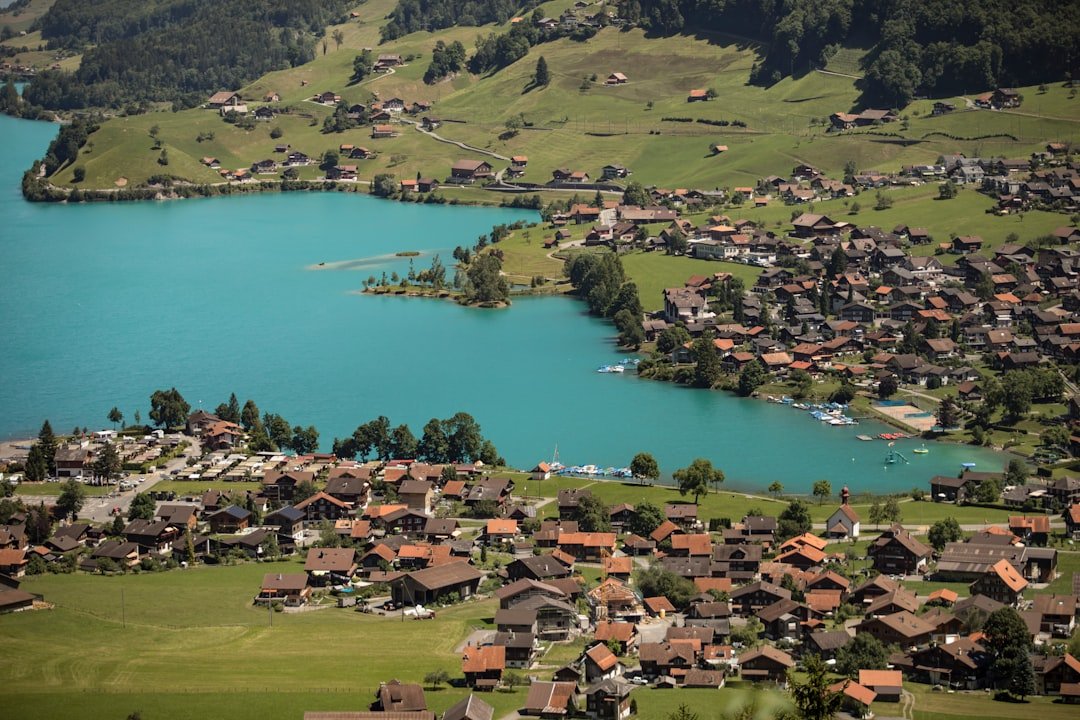
June is one of my favorite times to explore Switzerland because it sits between spring and full summer. Lakeside cities are green and lively, daylight is long, and many mountain excursions are operating. The important catch is altitude: a warm afternoon beside Lake Lucerne can happen on the same day that higher Alpine trails still have snow. Planning around those differences makes a June trip much easier.
Quick Answer
June is a very good month to visit Switzerland for sightseeing, lake trips, city breaks, cycling, and many lower- and mid-elevation hikes. Lowland areas are generally mild to warm, but high Alpine routes can still hold snow. Pack layers and rain protection, check mountain conditions, and reserve popular stays early.
Key Takeaways
- June brings long days and generally mild to warm conditions in Switzerland’s cities, valleys, and lake regions, but weather changes sharply with altitude.
- Higher Alpine trails can still have old snow, especially earlier in the month, so never assume a route is in summer condition.
- Lucerne, the Bernese Oberland, Zermatt, Lake Geneva, Ticino, Zurich, and Basel all work well for different types of June trips.
- Hiking, lake cruises, cycling, scenic trains, city sightseeing, and mountain excursions are among the easiest activities to combine.
- June can be busy in famous mountain towns and during major events, so advance reservations are useful for popular hotels and limited-capacity activities.
- Switzerland’s rail, bus, and boat network makes a car optional for many itineraries.
Is June a Good Time to Visit Switzerland?
For many travelers, yes. June gives me a useful mix of green scenery, active cities, lake excursions, mountain railways, and increasing access to walking trails. Switzerland Tourism specifically promotes summer activities such as hiking beside mountain lakes, biking, swimming, train journeys, and mountain-railway excursions.
The month does require some flexibility. Switzerland’s climate changes quickly with elevation, so “summer” does not mean the same thing in Zurich, Lauterbrunnen, Zermatt, and a 2,500-meter mountain pass. I plan lower or mid-elevation activities as backups whenever a high route has snow, low cloud, or storms.
June can feel like two seasons in one trip: summer beside the lakes and lingering spring or winter conditions high in the Alps.
Switzerland Weather in June
There is no single useful nationwide June temperature because Switzerland has large elevation differences. Lower cities and lake areas can feel mild or warm during the day, while mountain villages are cooler and high viewpoints can be cold even when the valleys are comfortable. MeteoSwiss notes that the warmest conditions occur in lower areas and that summer heatwaves can push temperatures above 30°C.
June is also among Switzerland’s sunnier periods, but sunshine does not guarantee a dry day. Summer thunderstorms can develop, particularly around the Alps. I check the MeteoSwiss forecast each morning before committing to a long hike or exposed mountain excursion.
Early June vs. Late June
Early June often has more signs of the seasonal transition in the mountains. Meadows may be green in the valleys while snow remains on higher paths, passes, or shaded slopes. By late June, more summer routes are normally usable, but conditions still depend on altitude, aspect, recent snowfall, and the weather that year.
Note: Never judge a mountain trail only by the weather in the valley. Check the route itself, local lift or tourism information, and the forecast before setting out.
Events and Festivals
June brings concerts, exhibitions, community events, and open-air activity across Switzerland, but event dates change every year. I always confirm the current calendar before building flights or hotel bookings around a festival.
For example, Art Basel took place from June 18 to 21 in 2026, making Basel especially busy during that period. Zurich Pride’s 2026 demonstration took place on June 20, with related events around Pride weekend.
One useful correction for June planning is the Montreux Jazz Festival. It is a famous Swiss summer event, but in 2026 it ran from July 3 to 18, not in June. Swiss National Day is also outside June: it is celebrated on August 1.
If a particular festival is important to your trip, I recommend checking the organizer’s official website rather than relying on a generic annual event list.
Outdoor Activities
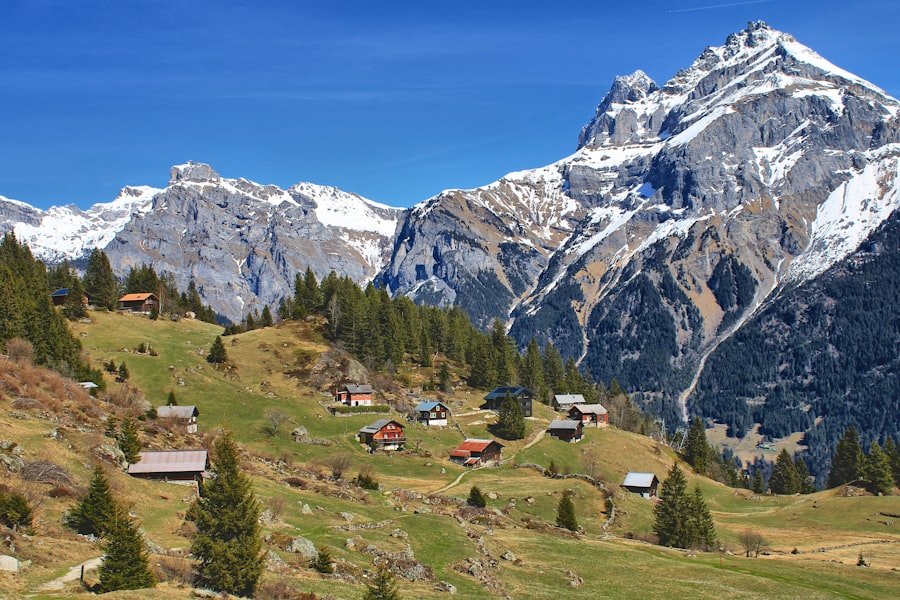
June opens up many outdoor possibilities. I can spend one day walking beside a lake, another riding a mountain railway, and another exploring an Alpine valley. Hiking is a major attraction, but I choose the route based on actual conditions rather than assuming every trail is ready for summer.
Hiking
Lower- and mid-elevation walks are often the easiest choices in June. Lakeside routes, valley walks, forest paths, and trails around inhabited mountain villages can provide excellent scenery without committing to high passes.
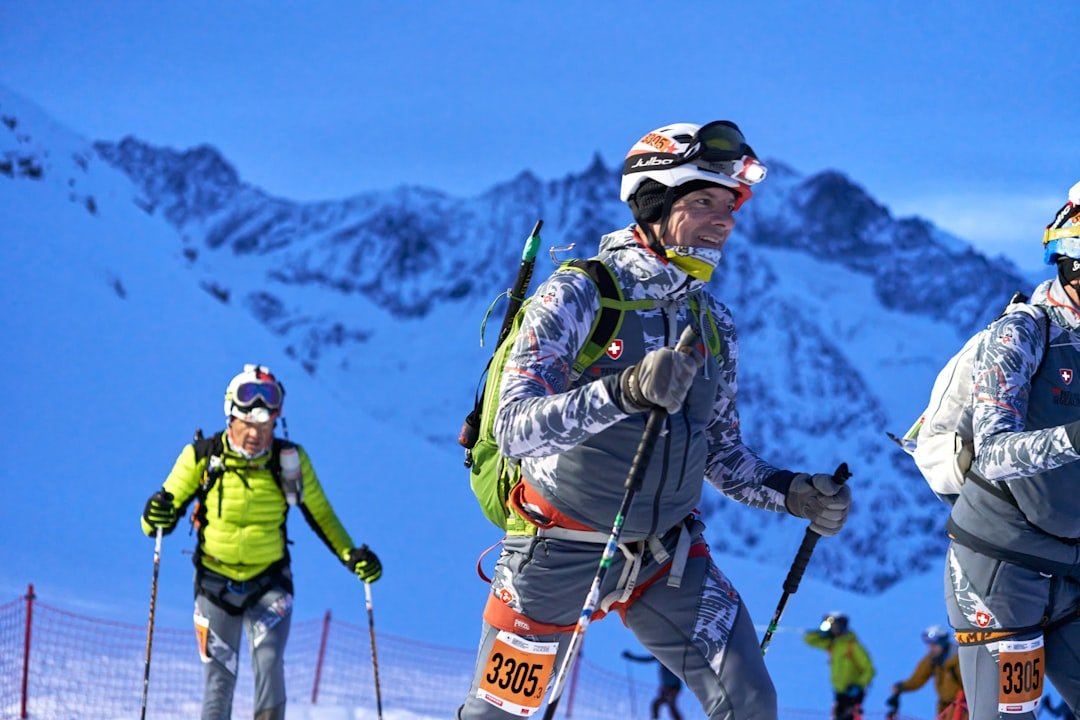
Higher routes need more care. The Swiss Alpine Club’s hiking-safety guidance warns visitors not to underestimate steep snowfields. Old snow can remain dangerous even when the surrounding landscape looks summery.
Warning: If a marked summer trail crosses steep snow and you do not have the skills or equipment for those conditions, turn back or choose a lower route. Mountain weather can also change quickly, so check the forecast before leaving.
Lake Activities
Switzerland’s lakes are especially appealing as the weather warms. Lake cruises are an easy sightseeing option on lakes such as Lucerne, Geneva, Zurich, and Thun. Swimming and paddling can also be possible where local conditions and designated access allow, although water can still feel cold early in the season.
Cycling and Mountain Excursions
Cycling works well around many lakes, river corridors, and lower valleys. For mountain scenery without a demanding hike, I often prefer a cable car, funicular, cog railway, or mountain train followed by a shorter walk. This also makes it easier to adjust the day if the weather changes.
Scenic Beauty
| Location | Best June Experience | June Planning Note |
|---|---|---|
| Lucerne & Lake Lucerne | Lake cruises, old-town sightseeing, Rigi or Pilatus excursions | Good mix of city, lake, and mountain activities |
| Bernese Oberland | Lauterbrunnen, Grindelwald, Interlaken, waterfalls, mountain views | Check high-trail snow and lift status |
| Zermatt | Matterhorn views, mountain railways, village walks | High-elevation conditions can remain wintry |
| Lake Geneva Region | Lausanne, Montreux, vineyards, lake views | Excellent for combining urban and outdoor sightseeing |
| Ticino | Lugano, Locarno, lakes, promenades, Italian-influenced atmosphere | Often feels different from the higher Alpine regions |
| Zurich & Basel | Museums, old towns, riverside life, June cultural events | Useful choices for wet-weather days as well as sunny ones |
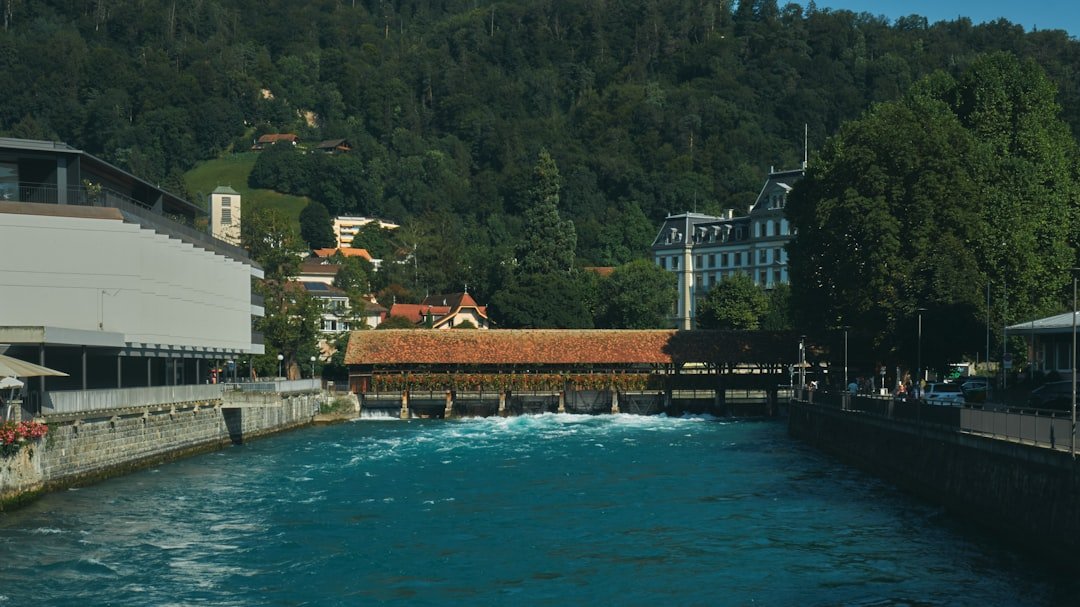
What I enjoy most about Switzerland in June is the contrast. Green valleys, waterfalls, lakes, vineyards, historic towns, and snow-streaked mountains can all appear in the same journey. In the Bernese Oberland, waterfalls are a major part of the scenery around Lauterbrunnen, while areas such as Lucerne give me mountain panoramas without giving up easy lake and city access.
Zermatt is the classic choice for Matterhorn views, while the Lake Geneva region combines water, vineyards, towns, and mountain backdrops. Ticino provides another visual change with lakeside promenades and an Italian-speaking atmosphere.
Culinary Delights
June is a good month to mix classic Swiss food with lighter seasonal meals. I look for regional cheeses, fresh bread, rösti, bakery items, salads, local fruit, and dishes that reflect the canton I am visiting rather than expecting one national menu everywhere.
Farmers’ markets can be useful places to see what is currently in season. Strawberries and other early-summer produce may appear depending on the region and growing conditions. In lake areas, restaurants may also serve local freshwater fish.
For hiking days, I usually carry simple travel food such as bread, cheese, fruit, nuts, or a sandwich. It is more practical than relying on finding a restaurant on every rural trail, and it gives me flexibility when the weather changes my schedule.
Cultural Experiences
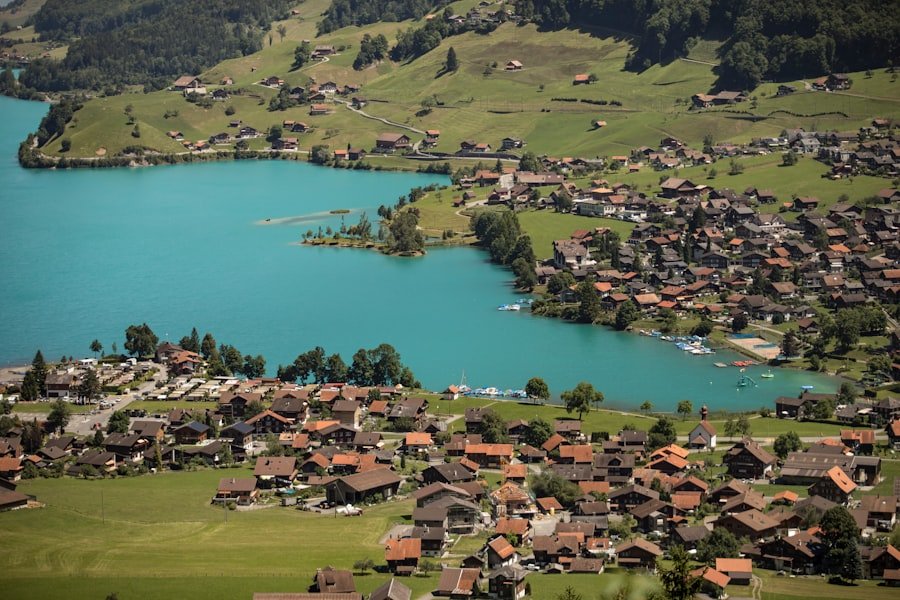
June is not only about mountains. Switzerland’s cities give me museums, architecture, old towns, galleries, concerts, markets, and multilingual regional culture. Basel is particularly attractive to art travelers in June because of Art Basel, while Zurich offers museums, lakefront life, nightlife, and Pride-related events.
Lucerne combines a compact historic center with easy access to Lake Lucerne and nearby mountain excursions. Lausanne and Geneva add French-speaking culture, while Lugano and Locarno offer an Italian-speaking setting south of the Alps.
I also leave space for ordinary local experiences rather than filling every day with headline attractions. A market, lakeside walk, neighborhood café, village bakery, or evening train through the countryside can reveal as much about Switzerland as another major sightseeing stop.
Transportation and Accessibility
Switzerland is particularly easy to plan by public transport. Trains connect major cities and many mountain gateways, while buses, boats, trams, funiculars, cable cars, and mountain railways fill in much of the rest of the journey.
I use the official SBB timetable for actual departure times instead of assuming that a service runs more frequently simply because it is summer. It covers connections across Switzerland and is especially useful when a trip requires a train-to-bus or train-to-boat transfer.
Visitors from abroad can also compare products such as the Swiss Travel Pass and Swiss Half Fare Card. Whether a pass saves money depends on the itinerary, so I compare the pass price with the individual journeys and mountain excursions I actually expect to take.
Pro Tip: Check the final mountain segment separately. A national rail pass does not automatically mean every cable car or mountain railway is fully included; some routes use discounts instead.
A rental car can still be useful for certain rural itineraries, but it is not necessary for many first-time routes through Zurich, Lucerne, Interlaken, Lauterbrunnen, Grindelwald, Zermatt, Lausanne, or Geneva. Zermatt itself is car-free, so rail is especially practical there.
Accommodation Options
June offers everything from hostels and guesthouses to apartments, boutique hotels, mountain lodges, and luxury resorts. I choose the base according to what I want to do rather than simply selecting the most famous town.
- Lucerne: strong choice for a first visit combining city, lake, and mountain excursions.
- Interlaken: practical transport base for exploring different parts of the Bernese Oberland.
- Lauterbrunnen or Grindelwald: better when mountain scenery is the main priority and I want to wake up close to the trails and lifts.
- Zermatt: best when the Matterhorn and mountain excursions are central to the trip.
- Zurich or Basel: useful for museums, dining, city experiences, and major June events.
- Lausanne or Montreux: good bases for Lake Geneva and nearby excursions.
Popular mountain destinations can fill quickly, and large events can tighten hotel availability in their host cities. I book earlier when my dates are fixed, particularly for weekends, special events, and rooms with specific views or family configurations.
Crowds and Booking in June
I do not treat June as a guaranteed quiet shoulder-season month. Demand depends on the destination, school calendars, weekends, weather, and events. Famous places such as Lucerne, Interlaken, Lauterbrunnen, Grindelwald, and Zermatt can already feel busy.
The easiest strategy is to reserve the accommodation that matters most and leave weather-sensitive mountain activities flexible whenever tickets or capacity allow. This prevents me from locking an entire itinerary around a mountain day that turns cloudy or stormy.
What to Pack for Switzerland in June
Layers are more useful than packing only summer clothing. Switzerland Tourism recommends items such as a sweater, good walking shoes, sunscreen, sunglasses, and light rain protection, while the Swiss Alpine Club also emphasizes weatherproof clothing and proper footwear for mountain hiking.
- Comfortable walking shoes for cities and easy trails
- Proper hiking shoes or boots for mountain routes
- Light shirts and comfortable daytime clothing
- Warm mid-layer or fleece
- Light waterproof or weather-resistant jacket
- Compact umbrella for urban sightseeing if preferred
- Sunscreen, sunglasses, and a hat
- Reusable water bottle
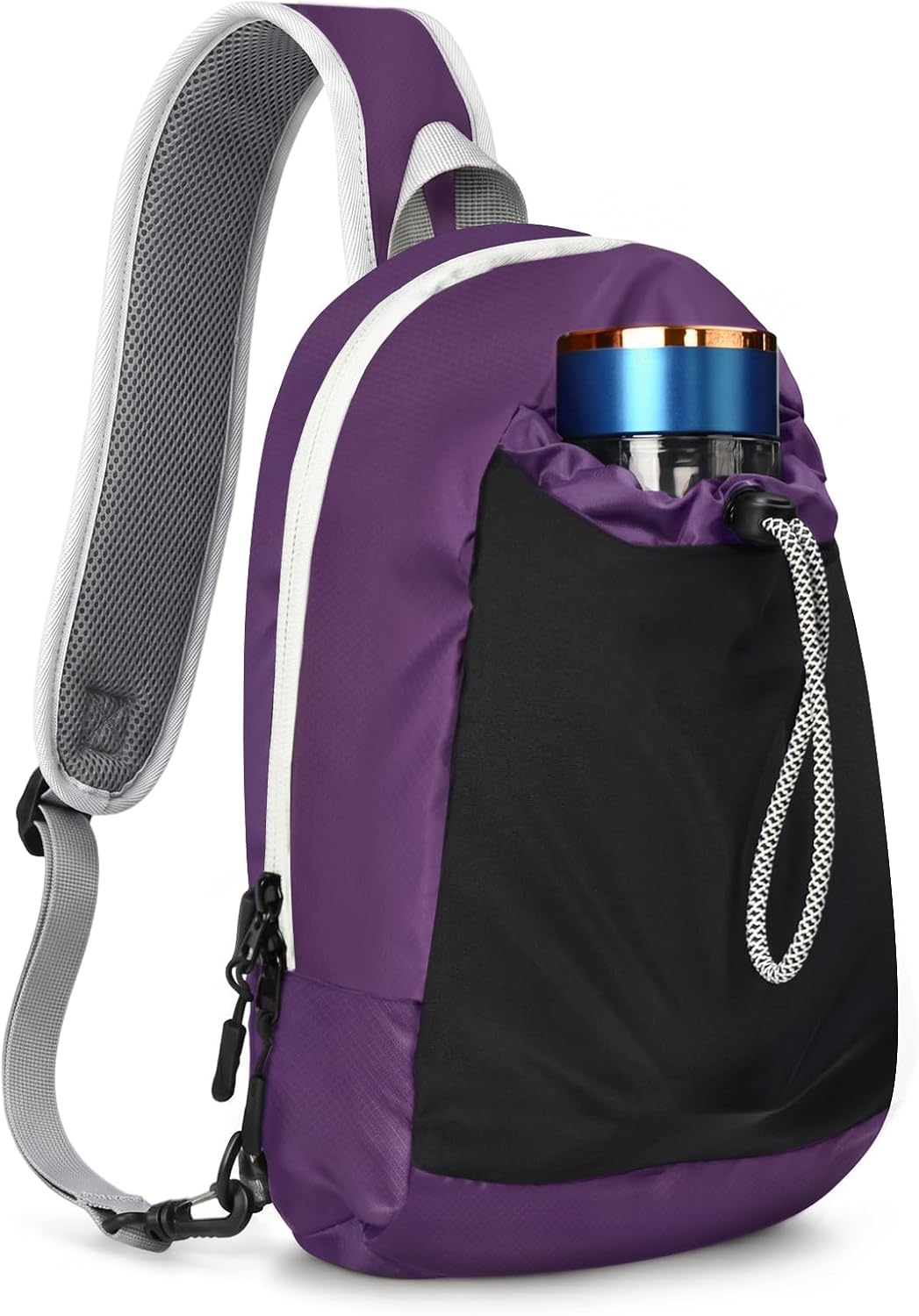
- Small daypack
- Portable phone charger
- Any specific equipment required for the route you plan to hike
I also keep one warm layer in my daypack during mountain excursions. Temperatures at altitude can feel very different from the town where the day began.
A Simple 7-Day Switzerland in June Itinerary
Days 1–2: Lucerne
Start with Lucerne’s old town and waterfront, then use the second day for a Lake Lucerne cruise or a mountain excursion such as Rigi or Pilatus if the weather is clear.
Days 3–5: Bernese Oberland
Travel toward Interlaken and base yourself there, in Lauterbrunnen, or in Grindelwald. Use these days for valley walks, waterfalls, lake excursions, mountain railways, and condition-appropriate hiking. Keep at least one day’s plan flexible in case high peaks are hidden by clouds.
Days 6–7: Zermatt
Finish with Zermatt for Matterhorn scenery and mountain excursions. If high-altitude conditions are poor, enjoy village walks and lower routes rather than forcing an exposed hike.
For travelers more interested in culture than mountains, I would replace Zermatt with Basel or Zurich. For a French-speaking route, Lake Geneva and Lausanne are easy alternatives.
Conclusion
Switzerland in June gives me one of the country’s most flexible travel combinations: green valleys, lively lakefronts, historic cities, mountain railways, waterfalls, cycling, hiking, and long days for sightseeing. The biggest mistake is assuming that every part of the country has the same summer conditions.
If I plan around elevation, check mountain weather and trail conditions, pack layers, and keep one or two days flexible, June works extremely well. I can enjoy warm afternoons beside a lake while still seeing snow on the high peaks, which is part of what makes this month so visually memorable.
Frequently Asked Questions
What is the weather like in Switzerland in June?
June weather varies strongly with altitude. Lowland cities, lake areas, and valleys are generally mild to warm, while mountain villages are cooler and high elevations can remain cold or snowy. Sunny periods are common, but rain and thunderstorms are also possible, so check MeteoSwiss during your trip.
What are the best places to visit in Switzerland in June?
Lucerne, the Bernese Oberland, Zermatt, Zurich, Basel, Lake Geneva, and Ticino are all strong choices. Lucerne is excellent for a city-lake-mountain mix, the Bernese Oberland for dramatic Alpine scenery, Zermatt for Matterhorn views, and Basel or Zurich for culture and events.
Are there special events in Switzerland in June?
Yes. Event calendars change yearly, but major June examples include Art Basel and Zurich Pride. In 2026, Art Basel ran June 18–21 and Zurich Pride’s demonstration took place June 20. Always verify the dates for the year you plan to travel.
Is the Montreux Jazz Festival in June?
Not necessarily. In 2026, the Montreux Jazz Festival ran from July 3 to 18, so a traveler visiting only in June would have missed it. Check the official festival calendar for your travel year instead of assuming fixed June dates.
Can I hike in the Swiss Alps in June?
Yes, but choose routes according to elevation and current conditions. Lower and mid-elevation trails may be in good shape while higher routes still cross old snow. Check local trail information and weather, and never cross a steep snowfield if you lack the necessary skills or equipment.
Is June a busy time for tourism in Switzerland?
It can be. Popular mountain destinations, famous lake towns, weekends, and major event dates may have strong demand. Booking accommodation ahead is sensible if your itinerary depends on a particular town, hotel, or event.
What should I pack for Switzerland in June?
Pack layers, comfortable walking shoes, a warm mid-layer, light rain protection, sunscreen, sunglasses, a hat, and a small daypack. Bring proper hiking footwear if you plan mountain trails. A warm layer remains useful even when valley temperatures feel summery.
Do I need a car to travel around Switzerland in June?
No. Many popular itineraries are easy by train, bus, boat, and mountain transport. A car can help with certain rural routes, but places such as Zurich, Lucerne, Interlaken, Lauterbrunnen, Grindelwald, Lausanne, Geneva, and Zermatt work well with public transport. Compare individual fares with visitor passes before buying.
Sources
- MeteoSwiss — Climate of Switzerland — climate, summer temperatures, regional variation, and weather context.
- Switzerland Tourism — Weather & Climate — visitor weather and packing guidance.
- Swiss Alpine Club — Safety When Hiking — Alpine hiking planning and snowfield safety.
- SBB — Travel for Guests from Abroad — Swiss public transport and visitor travel-pass information.
- Art Basel — official Basel event information and annual dates.
- Zurich Pride — official Pride event and demonstration information.