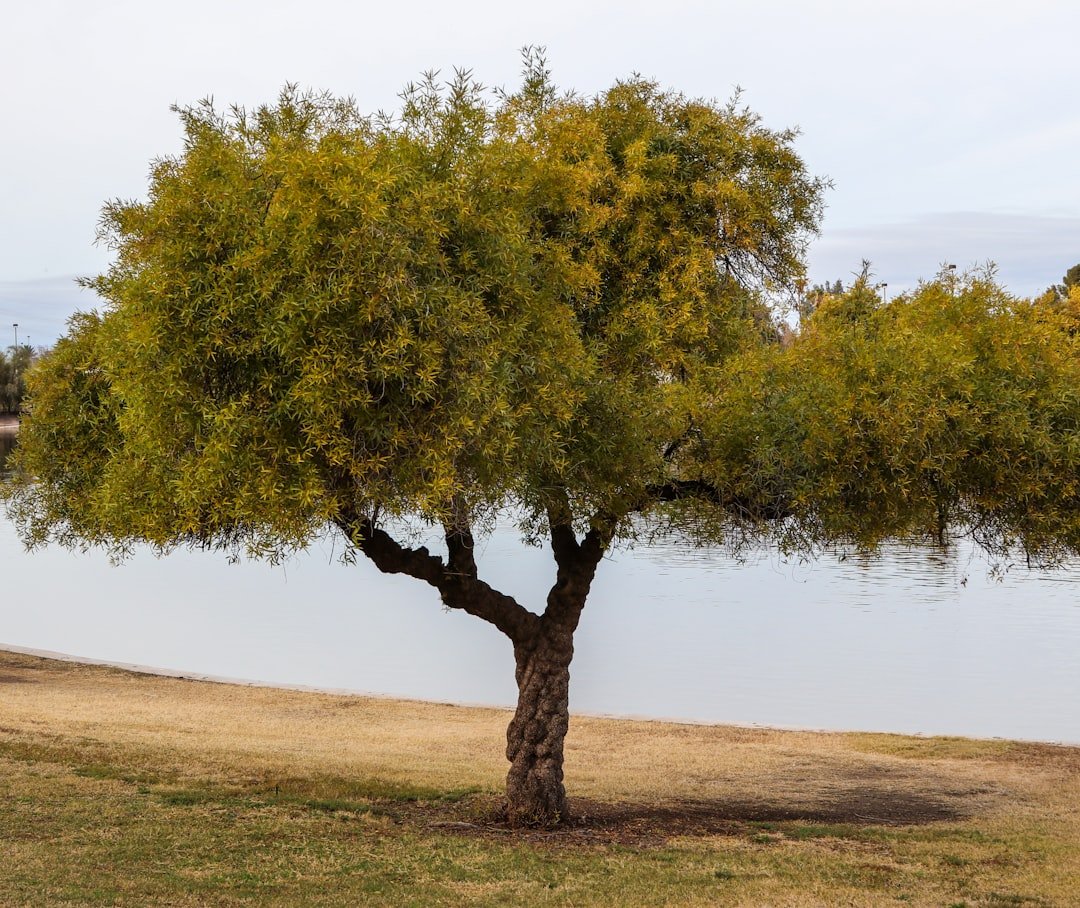
The benzoin tree, especially Styrax benzoin, is a tropical Asian tree valued for the fragrant resin that forms after its bark is injured. That resin has a warm, sweet, balsamic scent and has long been used in incense, perfumery, fragrance products, and traditional preparations. Modern research confirms a complex mixture of aromatic compounds, although many medicinal claims remain based on traditional use or laboratory studies rather than strong clinical evidence.
Quick Answer
Styrax benzoin is a Southeast Asian tree that produces aromatic benzoin resin after its bark is wounded. The resin is used mainly in incense, perfumery, fragrance products, and some traditional or pharmaceutical preparations. Research supports its complex chemistry and some laboratory activity, but many claimed health benefits are not proven clinical treatments.
Key Takeaways
- Commercial benzoin does not come from only one tree: Sumatra benzoin and Siam benzoin come from different Styrax species and have different chemical profiles.
- Resin production begins after controlled cuts or other injuries stimulate the tree to form aromatic resin in and around the damaged tissue.
- Incense and perfumery are among benzoin’s best-established uses, while traditional medicinal uses should not be confused with clinically proven treatments.
- Benzoin products can cause irritation or allergic contact dermatitis, especially in people sensitive to fragrances or related balsams.
- Responsible tapping and agroforestry management can provide resin without immediately cutting down productive trees.
What Is the Benzoin Tree?
The benzoin tree belongs to the genus Styrax in the Styracaceae family. Kew’s Plants of the World Online recognizes Styrax benzoin as an accepted species native across parts of South and Southeast Asia, including Bangladesh, Cambodia, Java, Laos, Malaysia, Myanmar, the Philippines, Sumatra, Thailand, and Vietnam.
Styrax benzoin can become a substantial forest tree. Singapore’s National Parks Board describes it as reaching up to 34 meters. Its leaves are simple and leathery, with pale, woolly hairs on the underside. The tree produces clusters of fragrant white flowers followed by rounded fruits containing one or two seeds.
The valuable material is not the fruit but the aromatic resin associated with injuries to the trunk. When the bark and underlying tissue are wounded, the tree forms resin that can collect beneath the bark or harden around tapping cuts.
Benzoin Tree vs. Benzoin Resin
The tree and its resin are related but are not the same thing. A benzoin tree is the living Styrax plant, while benzoin resin is the hardened aromatic material harvested from certain species.
Commercial naming can also be confusing. According to the FAO description of gum benzoin, Sumatra benzoin traditionally comes from Styrax benzoin and Styrax paralleloneurum, while Siam benzoin is obtained from Styrax tonkinensis. This distinction matters because the resins differ in aroma and chemistry.
History and Traditional Uses of Benzoin
Benzoin has a long history in Asian trade, incense, fragrance, and traditional medicine. Historical records are clearer for Southeast Asian production and trade with other parts of Asia and the Middle East than for some of the much earlier claims sometimes repeated about the resin.
FAO records note that Indonesian benzoin was traded through Arab networks centuries ago. It later became an established material for incense, perfumery, flavoring, and pharmaceutical preparations.
Traditional medical systems have also used benzoin-containing preparations for respiratory complaints, skin applications, and other purposes. These uses are historically important, but a traditional use does not by itself prove that the treatment is effective for a modern medical condition.
How Is Benzoin Resin Harvested?
Benzoin resin is commonly obtained by deliberately wounding suitable Styrax trees and allowing resin to form around the cuts. Tapping methods differ between producing regions, tree species, and local traditions.
In documented Southeast Asian systems, workers clean an area of bark, make controlled cuts, and return after the resin has accumulated and hardened. The FAO’s benzoin tapping research describes several methods used in Malaysia, Indonesia, and Laos.
- The bark is prepared. Moss, lichens, loose bark, or debris may be cleared from the tapping area.
- A controlled incision is made. The size and shape vary with local practice. Excessive injury can damage the tree.
- The tree responds to the wound. Resin begins forming in association with the injured tissue.
- The resin is allowed to harden. Depending on the production system, collection may take place several months after tapping.
- The hardened benzoin is removed and graded. Color, cleanliness, size, and source can affect its commercial grade.
FAO observations of Indonesian production describe resin collection about three to four months after tapping, with later collections producing additional grades. Harvesting practice therefore has a direct effect on both yield and resin quality.
What Does Research Say About Benzoin Resin?
Benzoin contains many aromatic and nonvolatile compounds. Laboratory research has identified benzoic acid, cinnamic acid, their esters, lignans, terpenoids, and other constituents. The exact chemical profile depends heavily on the botanical and geographic source of the resin.
A 2023 scientific review of benzoin resin reported dozens of identified constituents and summarized experimental research into antimicrobial, anti-inflammatory, antioxidant, and other biological activities. Much of this evidence comes from laboratory, chemical, cell, or animal research rather than large human clinical trials.
That distinction matters. Finding antibacterial activity in an extract in a laboratory does not show that raw benzoin resin can safely treat a skin infection, pneumonia, bronchitis, or another illness in a person.
Why Sumatra and Siam Benzoin Differ
The two major commercial types have noticeably different chemical patterns. Sumatra benzoin is especially associated with cinnamic acid and cinnamate compounds, while Siam benzoin contains more benzoic-acid-related compounds and benzoate esters.
Both types also contain numerous minor aromatic compounds. These differences help explain why perfumers may choose one type for a softer sweet note and another for a spicier balsamic character.
Benzoin in Aromatherapy and Fragrance
Benzoin is prized mainly for its warm, sweet, vanilla-like balsamic aroma. It is used in fragrance compositions, incense, room scents, massage products, and other aromatic preparations.
| Common Benzoin Aromatherapy Use | Practical Approach |
|---|---|
| Warm, balsamic room fragrance | Use a diffuser, incense, or fragrance product according to its directions |
| Relaxation or meditation rituals | Use the scent as part of a quiet breathing, meditation, or personal ritual |
| Massage products | Use only a properly formulated and diluted product intended for skin |
| Bath and body fragrance | Choose a finished product intended for that use and stop if irritation develops |
People often describe benzoin’s fragrance as comforting or grounding. Those descriptions are reasonable ways to describe a personal scent experience, but they should not be turned into promises that benzoin treats anxiety, depression, insomnia, or other medical conditions.
Benzoin in Skincare
Benzoin can appear in creams, lotions, fragranced products, and traditional topical preparations. Its resinous character also makes benzoin useful in some adhesive and protective formulations.
Older descriptions often credit benzoin with broad antiseptic, anti-inflammatory, moisturizing, wound-healing, and anti-aging effects. Research does show potentially useful biological activity in benzoin compounds, but there is not enough clinical evidence to treat all of those claims as established skincare benefits.
For everyday skincare, the product’s complete formulation matters more than the presence of benzoin alone. Fragrances and balsamic resins can also trigger dermatitis in sensitive users, so a benzoin-containing cosmetic is not automatically suitable for dry, irritated, acne-prone, or eczema-prone skin.
Benzoin in Traditional Medicine
Benzoin has been included in traditional remedies and medicinal preparations in several regions. Historical uses include preparations for respiratory complaints, topical applications, and aromatic formulations.
It is useful to distinguish the raw resin from manufactured tinctures. The 2023 scientific review describes simple tincture of benzoin as an alcohol preparation containing benzoin, while compound tincture of benzoin contains additional resins and plant-derived ingredients. Their safety and uses are therefore not identical to those of raw resin.
Traditional reports of benzoin for coughs, bronchitis, digestive discomfort, wounds, or skin complaints should be understood as historical or ethnomedical uses. They are not a substitute for diagnosis or evidence-based treatment.
Note: If you are considering benzoin for a medical problem, especially a wound, infection, breathing problem, or persistent skin condition, ask a qualified healthcare professional which product and treatment are appropriate.
Benzoin as an Antiseptic and Dressing Aid
Benzoin-containing tinctures have a history of medical use around dressings and adhesive tapes. Their resinous film can improve the grip of some tapes, which is different from proving that benzoin itself is a complete wound treatment.
Experimental studies have also found antibacterial activity in benzoin extracts. However, concentrations and preparations used in laboratory research may be very different from commercial skincare, incense, or raw resin.
For that reason, do not apply incense-grade resin, fragrance concentrates, or an unidentified benzoin product to an open wound. Use wound-care products according to their labels and seek medical care for deep wounds, spreading redness, pus, fever, severe pain, or other signs of infection.
Benzoin in Spiritual and Ritual Practices
Burning benzoin as incense is one of its most established cultural uses. Its sweet balsamic smoke has been used in homes, temples, churches, and ceremonial settings, either alone or blended with other aromatic materials.
The FAO’s review of benzoin markets and uses documents incense use among Muslim and Hindu communities, in Chinese temples, and in Catholic and Orthodox churches. Benzoin is also blended with materials such as frankincense, myrrh, and storax.
Some traditions associate the fragrance with cleansing, prayer, protection, meditation, or creating a sacred atmosphere. These are cultural and spiritual meanings rather than scientifically measurable medical effects.
Sustainable Harvesting and Conservation of Benzoin
Benzoin is a non-timber forest product, so a productive tree can potentially yield resin repeatedly instead of being harvested once for timber. Whether that system remains sustainable depends on tapping intensity, tree care, regeneration, land use, and whether growers receive enough economic value to maintain the trees.
In North Sumatra, benzoin has long been managed within traditional agroforestry systems. A CIFOR-ICRAF review of Sumatra benzoin describes Batak farmers managing benzoin trees in agroforests and notes that carefully managed trees can continue producing resin for many years.
Responsible harvesting means avoiding unnecessary damage, allowing adequate recovery, maintaining younger replacement trees, and protecting the surrounding forest structure. Buyers who care about sustainability can also look for suppliers that can explain the resin’s species, region of origin, and harvesting practices.
Potential Side Effects and Precautions When Using Benzoin
Benzoin should not be treated as harmless simply because it is natural. The main practical concern is skin sensitization or irritation, particularly with concentrated tinctures, fragrance materials, and products containing several aromatic resins.
Published reports of compound tincture of benzoin document allergic contact dermatitis. People with known fragrance allergies or sensitivity to related balsams and resins should be especially cautious.
Warning: Do not assume raw benzoin resin, incense, perfume material, or a concentrated tincture is safe to swallow or apply directly to damaged skin. Stop topical use if you develop burning, swelling, blistering, or a persistent rash, and seek medical advice for a significant reaction.
Smoke from burning resin can also irritate the eyes or airways, particularly in enclosed spaces. Use incense with ventilation and extra caution around anyone who is sensitive to smoke.
Safety information for concentrated benzoin preparations during pregnancy or breastfeeding is limited. If you are pregnant, nursing, treating a child, or managing a medical condition, discuss medicinal use with a healthcare professional rather than relying on a traditional recipe.
Harnessing the Healing Power of the Benzoin Tree
The benzoin tree is most remarkable as the source of a resin with centuries of cultural, aromatic, and commercial importance. Its strongest established roles are in incense, fragrance, traditional preparations, and specialized resin products.
Scientific studies are helping researchers understand its chemistry and biological activity, but laboratory findings should not be confused with proven treatments for infection, anxiety, respiratory disease, or skin disorders. The safest approach is to choose benzoin products made for your intended use, follow their directions, and respect both allergy risks and the long-term sustainability of the trees that produce the resin.
Frequently Asked Questions
What is a benzoin tree?
A benzoin tree is a resin-producing tree in the Styrax genus. Styrax benzoin is one important species used for Sumatra benzoin, although commercial benzoin resin also comes from other Styrax species.
What is benzoin resin used for?
Benzoin resin is used mainly in incense, perfumes, fragrance formulations, and some traditional or pharmaceutical preparations. It can add a sweet balsamic scent and can also act as a fragrance fixative.
How is benzoin resin extracted from the tree?
Benzoin resin is harvested by making controlled cuts in the tree’s bark and allowing resin to form and harden around the injured area. Harvesters later remove the hardened material, clean it, and sort it into commercial grades.
Does benzoin resin have proven medicinal benefits?
Some benzoin extracts and compounds show antimicrobial, anti-inflammatory, antioxidant, and other activity in experimental research. However, evidence from laboratory studies does not prove that raw benzoin resin can safely or effectively treat medical conditions in people.
Is benzoin resin safe to use?
Benzoin can be used safely in appropriately formulated products, but it can also irritate skin or cause allergic contact dermatitis. Use products only as directed, avoid applying incense or fragrance concentrates to wounds, and seek professional advice before medicinal use.
Sources
- Royal Botanic Gardens, Kew — Plants of the World Online: Taxonomy and native distribution of Styrax benzoin.
- Singapore National Parks Board — Styrax benzoin: Tree height, leaves, flowers, fruit, habitat, and ethnobotanical uses.
- FAO — Description of Gum Benzoin: Commercial types, plant sources, appearance, chemistry, and terminology.
- FAO — Tapping Methods and Improvement: Regional tapping methods, resin formation, and harvesting practices.
- Plants — Benzoin Resin Review: Production, phytochemistry, traditional use, quality control, and experimental biological activity.
- Journal of the American Academy of Dermatology: Reported allergic contact dermatitis associated with compound tincture of benzoin.
- FAO — Markets and End-Uses of Benzoin: Incense, perfumery, fragrance, flavor, and other commercial applications.
- CIFOR-ICRAF — Sumatra Benzoin: Traditional North Sumatran agroforestry, tapping, production, and long-term management.