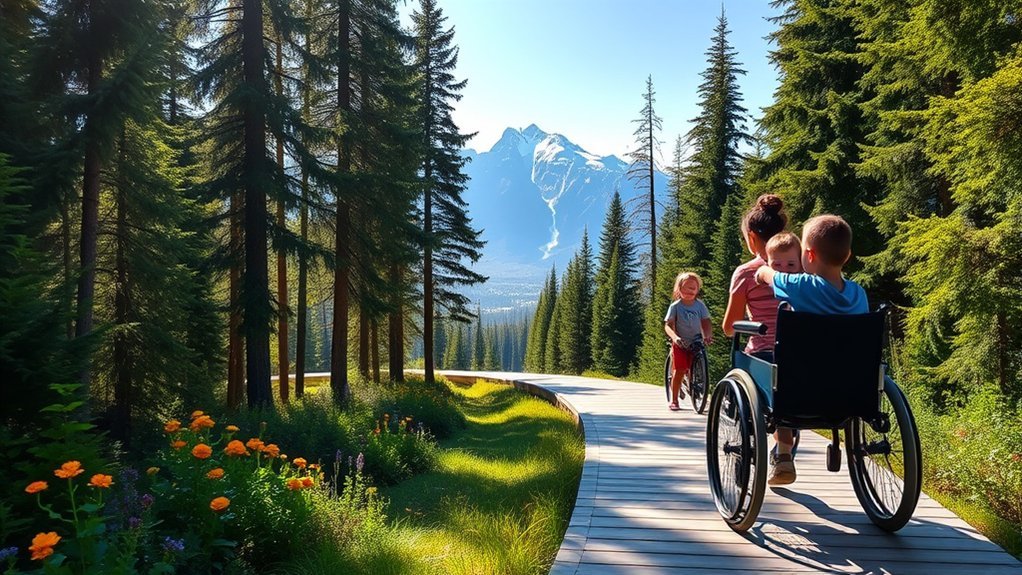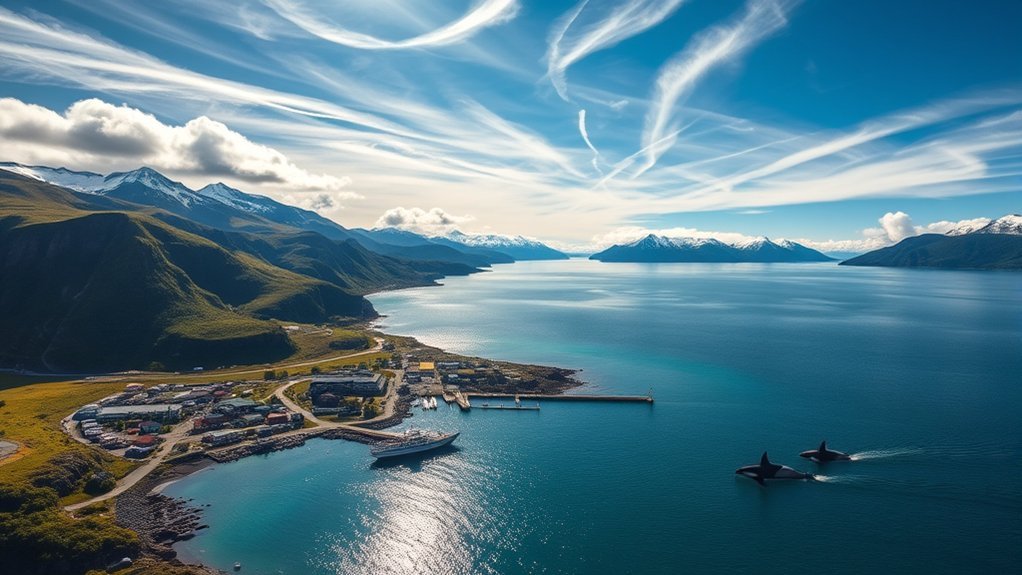
A 7-day Alaska itinerary can give you a rewarding mix of mountains, glaciers, marine wildlife, small towns, and Alaska Native culture, but only if the route is realistic. A practical first-time loop focuses on Anchorage, Seward and Kenai Fjords National Park, Denali National Park, and Talkeetna. That keeps the trip ambitious without spending every day racing between distant destinations.
Quick Answer
A realistic 7-day Alaska itinerary can combine Anchorage, Seward, Kenai Fjords National Park, Denali National Park, and Talkeetna. Skip Glacier Bay on this road loop because it has no highway connection. Spend two nights around Seward, travel north to Denali, enjoy a full park day, then return through Talkeetna before finishing in Anchorage.
Key Takeaways
- Use Anchorage, Seward, the Denali area, and Anchorage again as your main overnight bases.
- Save Homer and Kachemak Bay for a longer trip instead of trying to add them to your Seward day.
- Glacier Bay National Park is in Southeast Alaska and requires air or sea access, so it does not fit naturally into this road loop.
- For summer 2026, buses on the Denali Park Road cannot travel beyond Mile 43 because of the Pretty Rocks closure.
- Choose either a Kenai Fjords boat tour or an appropriate guided kayaking experience based on your comfort level, weather, and available time.
7-Day Alaska Route Overview
| Day | Main Plan | Overnight |
|---|---|---|
| 1 | Arrive and explore Anchorage | Anchorage |
| 2 | Drive the Kenai Peninsula to Seward | Seward |
| 3 | Kenai Fjords National Park | Seward |
| 4 | Travel from Seward to the Denali area | Denali area |
| 5 | Full day in Denali National Park | Denali area |
| 6 | Talkeetna and the Alaska Range, then Anchorage | Anchorage |
| 7 | Anchorage culture and departure | Departure or Anchorage |
Note: Alaska weather, road work, wildfire activity, marine conditions, and park operations can change quickly. Before each driving day, check Alaska DOT&PF traveler information and the current conditions page for each national park.
Day 1: Arrival in Anchorage
Use your first day to settle into Anchorage rather than immediately starting a long drive. After collecting your luggage and rental vehicle, check into your hotel and keep the rest of the day flexible, especially if you have arrived after a long flight.
Downtown Anchorage is compact enough for a relaxed introduction to the city. You can browse local galleries and shops, walk part of the downtown area, or enjoy seafood and other Alaska specialties without committing to a tightly scheduled afternoon.
If your arrival is early, consider a walk along part of the Tony Knowles Coastal Trail or another easy outdoor stop. Save the larger cultural attractions for Day 7, when you will have more time to enjoy them rather than rushing through after a flight.
Pro Tip: Buy groceries, snacks, and drinks in Anchorage before leaving for Seward. Having food in the vehicle is useful on long driving days and gives you more flexibility when stops take longer than expected.
Day 2: Explore the Kenai Peninsula and Drive to Seward
Day 2 takes you south from Anchorage onto the Kenai Peninsula. Rather than trying to visit Homer, Kachemak Bay, Seward, Kenai Fjords National Park, and Mount Marathon in one day, focus on the Seward side of the peninsula.
The road toward Seward follows Turnagain Arm before continuing through mountain scenery toward the coast. Allow extra time for viewpoints, wildlife slowdowns, construction, meals, and changing weather instead of treating the drive as a race.
Once you reach Seward, check into your lodging and explore the harbor and waterfront. If you arrive early enough and conditions are suitable, you can visit the Exit Glacier area of Kenai Fjords National Park or save it for another open block in your schedule.
Homer and Kachemak Bay are worthwhile destinations, but they belong in a longer Kenai Peninsula itinerary. Adding them here would create many additional hours of driving and reduce your time in both Seward and Denali.
Mount Marathon rises directly behind Seward and is closely associated with the town, but the steep mountain route should not be treated as a casual sightseeing walk. Choose hikes that match your fitness, experience, trail conditions, and available daylight.
Day 3: Adventure in Seward
Make Day 3 your main Kenai Fjords National Park day. Most visitors should choose one major water-based activity rather than trying to fit a full boat excursion and a long kayaking trip into the same day.
Kenai Fjords National Park
Much of Kenai Fjords National Park is best experienced from the water. The park protects a dramatic landscape of fjords, glaciers, mountains, and marine habitat along the Gulf of Alaska.
A commercial boat tour from Seward is one of the simplest options for a first-time visitor. According to the National Park Service, summer tours leave from Seward’s small boat harbor, with shorter trips concentrating on Resurrection Bay and longer trips traveling toward tidewater glaciers and more remote park waters.
Depending on conditions and luck, you may see sea otters, seals, sea lions, whales, puffins, other seabirds, or other marine wildlife. Treat every sighting as a possibility rather than a guarantee.
- Choose a longer cruise if seeing the park’s fjords and tidewater-glacier country is a priority.
- Choose a shorter Resurrection Bay trip if you prefer less time on open water.
- Bring warm layers and a waterproof outer layer even when the weather in Seward looks pleasant.
- Consider motion-sickness preparation if you know you are sensitive to boat movement.
- Reserve popular summer departures ahead of time when possible.
The National Park Service does not operate the commercial sightseeing cruises and does not recommend a specific company. Review current options through its Kenai Fjords boat-tour guidance.
Sea Kayaking Excursions
Sea kayaking offers a quieter way to experience the Seward area, but conditions in Kenai Fjords require respect. Cold water, wind, rain, exposed coastline, surf, and rapidly changing marine weather can turn a scenic trip into a serious situation.
Warning: The National Park Service does not recommend paddling directly from Seward into the remote national park coastline. It strongly recommends guides for inexperienced paddlers, and many kayakers reach suitable areas by guide service, water taxi, or charter boat.
If you are new to sea kayaking, look for an appropriate guided trip in or around Resurrection Bay rather than attempting a remote independent journey. Experienced paddlers considering longer routes should study NPS kayaking guidance, marine forecasts, landing options, cold-water protection, and emergency planning before departure.
Whichever option you choose, keep your distance from wildlife and glaciers and follow your guide’s safety instructions. Glacier calving can create dangerous waves, and wild animals should never be approached for photographs.
Day 4: Travel From Seward to Denali
Day 4 should be a transfer day from Seward toward Denali National Park. It is a long travel day, so leave early, take breaks, and plan to arrive near the park entrance with enough time to eat and settle in before your full Denali day.
You will pass back through the Anchorage area before continuing north. Keep optional sightseeing stops short because the priority is reaching your Denali-area lodging without turning the day into an exhausting late-night drive.
Why Glacier Bay National Park Does Not Fit This Road Loop
Glacier Bay National Park is spectacular, but it is not located along the highway between Seward and Denali. The National Park Service states that Glacier Bay lies west of Juneau and can only be reached from outside the area by plane or boat. The small local road system connects Gustavus with Bartlett Cove, but there is no road connection to Alaska’s main highway network.
That means you cannot simply drive from Seward to Glacier Bay for Day 4 and continue to Denali the following morning.
Note: If Glacier Bay is one of your highest priorities, build a separate Southeast Alaska itinerary around Juneau and Gustavus or replace part of this road trip with flights. Trying to combine Glacier Bay, Seward, and Denali in only seven days creates substantial transport time and increases the risk of missed connections.
Glacier Bay remains worth considering for a future trip. Visitors can experience glacial fjords, tidewater glaciers, marine wildlife, kayaking, and ranger interpretation, but the park deserves enough time to justify the additional flights or ferry connections.
Day 5: Denali National Park
Give Denali National Park a full day. Its enormous wilderness, wildlife habitat, tundra, and mountain scenery are very different from the marine landscapes you experienced around Seward.
Start by checking the current Denali National Park conditions. Bus reservations are strongly recommended during the summer season, and the type of bus you select will affect how you spend the day.
Warning: For summer 2026, the Denali Park Road remains closed at Mile 43 because of work associated with the Pretty Rocks landslide. Transit and tour buses travel no farther than East Fork Bridge. Do not plan your trip using older itineraries that describe access to Eielson Visitor Center or Wonder Lake.
Wildlife possibilities include bears, moose, caribou, Dall sheep, wolves, and many smaller animals, but sightings depend on season, weather, location, and luck. Bring binoculars so you can watch from a safe distance rather than approaching animals.
Denali National Park instructs visitors to remain at least 300 yards from bears and at least 25 yards from other wildlife, dens, and nests. Never feed animals or move closer simply to improve a photograph.
If you prefer hiking, ask a ranger about current trail conditions and wildlife closures. You can combine a shorter bus experience with an easy hike near the park entrance, or spend more of the day on a bus if wildlife viewing and scenery are your priorities.
In summer 2026, Mile 43 is the practical limit for Denali Park Road bus travel. Build your day around current access rather than older guidebooks or itineraries.
Day 6: Talkeetna and the Alaska Range
Leave the Denali area in the morning and travel south toward Talkeetna. The small community makes a useful stop between Denali and Anchorage and offers views toward the Alaska Range when the weather cooperates.
Your available time will depend on when you leave Denali, so choose one or two Talkeetna activities rather than filling the afternoon with a long list.
- Walk through the compact historic town area.
- Browse local galleries and small shops.
- Enjoy lunch or an early dinner before continuing south.
- Consider a river excursion if the schedule fits comfortably.
- Consider flightseeing over the Alaska Range if weather, budget, and your departure schedule allow.
Flightseeing can provide remarkable mountain views, but flights are weather-dependent. Do not schedule an optional flight so tightly that a delay threatens a later reservation or your return to Anchorage.
River trips and rafting experiences also vary by operator, water conditions, and season. Choose a trip that matches your comfort level and available time rather than assuming every activity runs every day.
Pro Tip: If you have an early flight from Anchorage on Day 7, continue to Anchorage on Day 6 and sleep near the city or airport. That gives you a buffer against road delays, weather, and activity cancellations.
Day 7: Cultural Experience in Anchorage
Finish your week with the cultural side of Anchorage. Instead of inventing a fixed evening performance, use institutions with published schedules and check their official calendars for programs happening on your exact travel date.
The Anchorage Museum brings together art, science, history, and perspectives from Alaska and the North. For May through September, its published hours are currently 10 a.m. to 6 p.m. daily, with extended First Friday hours.
The Alaska Native Heritage Center is another strong option for learning about Alaska Native cultures through exhibits, cultural interpretation, demonstrations, and programs. Summer 2026 hours and program schedules should be checked before your visit because seasonal operations change.
| Activity | Description | Suggested Time |
|---|---|---|
| Anchorage Museum | Explore Alaska-focused art, history, science, and Northern perspectives | 10:00 AM – 12:30 PM |
| Lunch and Downtown | Eat locally and browse shops or galleries | 12:30 PM – 2:00 PM |
| Alaska Native Heritage Center | Learn through cultural exhibits, interpretation, and scheduled programs | 2:00 PM – 5:00 PM when seasonal hours allow |
| Evening | Dinner or a current museum, music, arts, or cultural event | Check the official event calendar |
If your flight leaves earlier in the day, choose one cultural stop instead of rushing through both. If you have an additional night in Anchorage, you can spread these activities over a more relaxed schedule.
Planning and Safety Tips for This Alaska Road Trip
- Check road conditions daily: Construction, weather, crashes, and wildfire activity can affect travel times.
- Keep fuel in mind: Top up before long stretches instead of waiting until the tank is nearly empty.
- Expect changing weather: Carry waterproof outerwear and insulating layers even during summer.
- Keep wildlife wild: Never approach, surround, or feed an animal.
- Build in time buffers: Boat tours, flightseeing, and long drives are vulnerable to weather and operational delays.
- Book the hardest reservations first: Secure your Denali lodging and bus, Seward lodging and major marine activity, then fill in flexible stops around those reservations.
Frequently Asked Questions
What is the best time to visit Alaska for this 7-day itinerary?
June through August generally provides the broadest selection of summer tours, park services, long daylight hours, and transportation. Late May and September can also work, but some services operate on reduced or seasonal schedules. In 2026, Denali’s main summer season begins May 20 and runs through mid-September.
What should I pack for an Alaskan trip?
Pack layers that you can add or remove during the day. Useful items include a waterproof jacket, warm mid-layer, comfortable walking shoes or hiking boots, warm hat, light gloves, sunscreen, sunglasses, insect repellent, reusable water bottle, binoculars, and a small daypack. Bring extra warm and waterproof layers for boat trips.
Are there any health precautions for visiting Alaska?
For most travelers on this route, practical concerns include cold and wet weather, sun exposure during long summer days, dehydration, mosquitoes, motion sickness on boats, and the physical demands of hiking. Most standard sightseeing locations on this itinerary are not at elevations where altitude sickness is normally a routine concern. If you have a medical condition or plan strenuous remote activities, discuss your plans with your healthcare professional before the trip.
How do I get around Alaska without a car?
You can build a version of this trip around the Alaska Railroad, shuttles, tours, and local transportation, but you must follow fixed schedules. In 2026, the Coastal Classic connects Anchorage and Seward during the summer, while the Denali Star connects Anchorage, Talkeetna, Denali, and Fairbanks. Check the current Alaska Railroad schedule before booking hotels and tours.
What wildlife can I expect to see in Alaska?
Depending on location and luck, you may see moose, bears, caribou, Dall sheep, eagles, sea otters, seals, sea lions, whales, puffins, and other wildlife. No sighting is guaranteed. Use binoculars or a zoom lens rather than approaching animals, and follow each park’s required viewing distances.
Can I visit Glacier Bay National Park during this 7-day road trip?
Not conveniently. Glacier Bay has no road connection to Anchorage, Seward, or Denali. Visitors normally reach the Gustavus and Bartlett Cove area by air or sea. If Glacier Bay is a priority, plan a separate Southeast Alaska segment or replace several days of this road itinerary rather than trying to squeeze it between Seward and Denali.
Do I need to reserve activities in advance?
Advance reservations are a good idea for major summer activities and lodging, especially your Denali bus and lodging, Seward accommodations, Kenai Fjords cruise or guided kayaking trip, and any flightseeing experience. Keep smaller stops flexible so weather or road delays do not disrupt your entire itinerary.
Conclusion
A week in Alaska is enough to experience several very different landscapes without turning every day into a marathon. By focusing on Anchorage, Seward, Kenai Fjords National Park, Denali National Park, and Talkeetna, you get coastal scenery, glaciers, wildlife possibilities, the Alaska Range, and cultural experiences in one practical route.
The biggest improvement is knowing what to leave for another trip. Homer and Kachemak Bay deserve more time than Day 2 allows, while Glacier Bay requires separate air or sea access. Keep those destinations on your future list and give this seven-day loop enough breathing room to enjoy the places you actually reach.
Sources
- National Park Service – Denali Current Conditions – 2026 Park Road restrictions, summer operations, and bus-access limits.
- National Park Service – Glacier Bay Directions – air, sea, Gustavus, and Bartlett Cove access information.
- National Park Service – Kenai Fjords Boat Tours – summer boat-tour access and planning.
- National Park Service – Kenai Fjords Kayaking – sea-kayaking difficulty, guide recommendations, and route safety.
- Alaska Railroad – Train Schedules – 2026 Coastal Classic and Denali Star seasonal schedules.
- Anchorage Museum – Hours & Tickets – current operating hours and visitor information.