August in Alabama can work well for travelers who plan around the heat. You can combine mountain trails, Gulf Coast beaches, civil rights landmarks, family attractions, small-town festivals, and Southern food, but summer weather should shape your schedule. Start outdoor activities early, keep flexible indoor options for the hottest or stormiest hours, and verify event dates before making a long drive.
Quick Answer
Alabama in August is best for travelers who mix early-morning outdoor activities with museums, historic sites, water attractions, and evening events. Good options include Cheaha State Park, Gulf State Park, Little River Canyon, Birmingham and Montgomery history sites, Tropic Falls at OWA, and verified August festivals. Expect hot, humid weather and plan for changing summer conditions.
Key Takeaways
- Schedule hiking, sightseeing, and other strenuous outdoor activities for the cooler morning hours whenever possible.
- Cheaha and Gulf State Park are Alabama state parks; National Park Service destinations include Little River Canyon National Preserve and Birmingham Civil Rights National Monument.
- Festival dates change yearly, so verify the official calendar instead of relying on old event lists.
- For Gulf Coast trips, check beach flags, rip-current forecasts, thunderstorms, and tropical-weather information before entering the water or making a long coastal drive.
- Alabama is large enough that a regional trip usually works better than trying to cover Birmingham, Montgomery, the mountains, and Gulf Shores in one or two days.
What August Weather Is Like in Alabama
August is firmly part of Alabama’s hot and humid summer. The National Weather Service Birmingham climate overview notes that there is little temperature difference from mid-June through mid-August and that persistent humidity adds to summer discomfort.
That does not mean you need to stay indoors all day. It means timing matters. Use mornings for hikes, bike rides, historic walking districts, and other activities that expose you to direct sun. Museums, restaurants, indoor attractions, hotel breaks, and water-based attractions can fill the hotter part of the afternoon.
Warning: Heat illness can develop quickly during strenuous summer activity. Drink water regularly, slow your pace, take cooling breaks, and stop activity if you feel faint, weak, dizzy, nauseated, or unusually overheated. The CDC heat-safety guidance provides current recommendations and warning signs.
Summer thunderstorms can also change plans quickly. Check the local forecast before hiking, paddling, boating, or spending a full day at an exposed attraction.
If you are traveling to Gulf Shores, Orange Beach, Dauphin Island, or another coastal area, remember that August falls within Atlantic hurricane season. A seasonal outlook cannot tell you whether a specific trip will be affected, so use current National Weather Service and National Hurricane Center forecasts as your travel date approaches.
Pro Tip: Build one indoor or easily rescheduled activity into each day. That gives you somewhere useful to go if extreme heat, lightning, heavy rain, or other weather interrupts an outdoor plan.
Exploring Alabama’s State and National Park Sites
Alabama has both an extensive state-park system and several sites managed by the National Park Service. They are not the same system, so it helps to know which agency manages your destination before checking fees, hours, alerts, trail conditions, or camping information.
Cheaha State Park
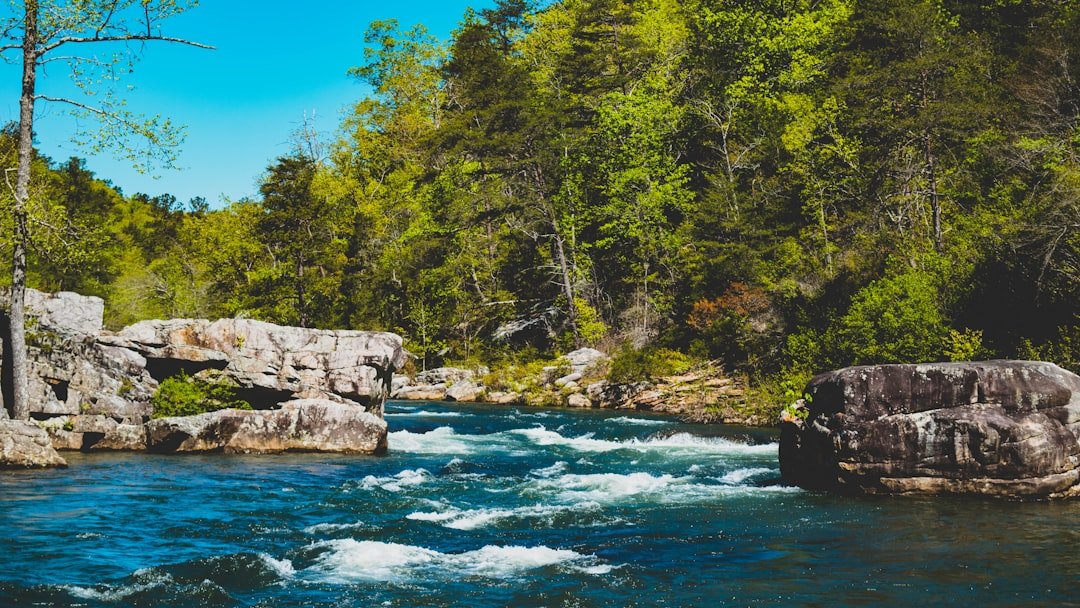
Cheaha State Park is Alabama’s oldest state park and contains the state’s highest point at 2,407 feet above sea level. Its mountain setting, overlooks, trails, camping options, and access to the surrounding Talladega National Forest make it a strong choice for a north-central Alabama outdoor day.
In August, start longer hikes early and carry more water than you would for a cool-weather walk. Check park and trail information before leaving because conditions, facilities, and operating details can change.
Gulf State Park
Gulf State Park is a coastal state park rather than an amusement park. Visitors come for beaches, lakes, camping, paddling, fishing, cycling, and trails. The Hugh S. Branyon Backcountry Trail system also provides more than 28 miles of paved multi-use trails through the park.
August beach visits can be rewarding, but water conditions matter more than the calendar. Check the National Weather Service Mobile/Pensacola beach forecast, follow posted warning flags, and choose lifeguarded swimming areas when available.
National Park Service Sites
The National Park Service’s Alabama page lists several protected historic and natural sites across the state. Options include:
- Little River Canyon National Preserve: forested uplands, canyon scenery, waterfalls, overlooks, and recreation in northeast Alabama.
- Birmingham Civil Rights National Monument: nationally significant places connected with the 1963 Birmingham civil rights campaign.
- Russell Cave National Monument: an important archaeological site documenting thousands of years of human history.
- Selma to Montgomery National Historic Trail: the route commemorating the 1965 voting-rights marches between Selma and Montgomery.
- Freedom Riders National Monument: a site preserving history associated with the 1961 Freedom Rides.
Check the individual NPS site page before visiting because visitor centers, tours, roads, trails, and operating hours can differ.
Hidden Gems: Charming Small Towns to Visit
Alabama’s smaller communities can add historic architecture, local restaurants, outdoor access, and seasonal events to a road trip. Instead of trying to see every region at once, choose towns that fit naturally between your main destinations.
Quaint Historic Districts
Eufaula is known for historic architecture and works well as a slower-paced stop in southeast Alabama. Selma offers a different experience, with major civil rights history tied to the Edmund Pettus Bridge and the Selma to Montgomery National Historic Trail.
Mentone in northeast Alabama makes a convenient base or stop for travelers interested in Lookout Mountain scenery, nearby waterfalls, and outdoor recreation. These places are most rewarding when you leave time to walk, eat locally, and visit one or two specific attractions instead of treating the town as a quick photo stop.
Local Festivals and Events
Small-town festivals can be a highlight of an August trip, but dates vary from year to year. Always verify an event with its organizer or the official Alabama tourism events calendar before booking accommodations around it.
For 2026, verified examples include the Franklin County Watermelon Festival in Russellville on August 14–15 and the Fyffe UFO Festival on August 22. The Watermelon Festival dates have already passed as of August 16, 2026, while the Fyffe event remains scheduled for later in the month.
Scenic Nature Trails
Trail choices range from short state-park walks to much longer backcountry routes. Sections of the Pinhoti Trail serve experienced hikers in eastern Alabama, while northeast Alabama offers mountain and canyon scenery around the Lookout Mountain region.
Do not select an August hike based only on mileage. Consider shade, elevation change, water availability, trail surface, your fitness level, and the day’s heat and storm forecast.
Festivals and Events You Can’t Miss
August does bring festivals and community events to Alabama, but the calendar changes every year. Three large events often associated with Alabama travel are commonly misplaced in August lists: Magic City Art Connection is a spring event, while the National Peanut Festival and Alabama National Fair take place in the fall.
For August 2026, examples of verified events include:
- Scottsboro Dragon Boat Race and Festival: held August 8, 2026, at Goose Pond Colony. This year’s event has already occurred.
- Franklin County Watermelon Festival: held August 14–15, 2026, in Russellville. This year’s event has already occurred.
- Fyffe UFO Festival: scheduled for August 22, 2026, in Fyffe.
- Alabama State Parks programs: individual parks schedule nature walks, kayaking programs, educational programs, and other activities throughout the month.
Note: Event dates, admission policies, parking arrangements, weather plans, and schedules can change. Check the organizer’s official page again shortly before making a long drive.
Culinary Adventures: Taste of the South
An Alabama trip is also a chance to explore Southern cooking and regional food traditions. Instead of searching for one statewide “must-eat” restaurant, look for well-reviewed local businesses near the places already on your route.
Foods you may encounter include:
- Shrimp and grits: especially appealing on a Gulf Coast itinerary, where seafood plays a larger role on local menus.
- Barbecue: Alabama has a strong barbecue tradition, with styles and sauces that can vary by restaurant and region.
- Peach cobbler and other fruit desserts: a classic Southern dessert option when available.
- Fresh Gulf seafood: coastal menus may feature shrimp, fish, oysters, and other seafood depending on season and availability.
- Farmers’ market produce: useful for travelers staying in cabins or vacation rentals with kitchens.
Vegetarian and vegan travelers can usually find options in larger cities and tourist areas, but menus vary widely. Check current menus before driving to a restaurant specifically for a plant-based meal.
Outdoor Activities for Adventure Seekers
Alabama offers paddling, hiking, mountain biking, fishing, climbing, zip lines, and beach recreation. August conditions make preparation especially important, so match the activity to the weather and your experience level.
| Activity | Location | August Planning Tip |
|---|---|---|
| Kayaking | Coosa River and other established paddling areas | Check water and weather conditions before launching and avoid thunderstorms. |
| Hiking | Cheaha State Park | Start early, carry water, and choose distance based on heat and fitness. |
| Zip-lining | Participating Alabama State Parks | Reserve with the operator and confirm weather-related operating rules. |
| Rock climbing | Established climbing areas in northeast Alabama | Use established access points and appropriate equipment; beginners should use qualified instruction. |
| Fishing | Lake Guntersville | Check current license requirements, regulations, and weather before fishing. |
| Cycling | Gulf State Park | Ride earlier in the day and carry adequate water. |
For coastal swimming, never assume calm-looking water is automatically safe. Rip currents can occur along beaches with breaking waves. Follow local beach patrol instructions and posted warning systems.
Historical Sites and Cultural Experiences
Some of Alabama’s strongest travel experiences are connected with American history, especially the Civil Rights Movement. These indoor and partly indoor attractions can also work well during the hottest part of an August day.
- Birmingham Civil Rights Institute: The Birmingham Civil Rights Institute explores civil and human rights through Birmingham’s history and the wider movement for equality. It sits within the Birmingham Civil Rights District.
- Birmingham Civil Rights National Monument: Nearby National Park Service sites preserve places associated with the 1963 Birmingham campaign.
- Alabama State Capitol: The Alabama Historical Commission provides current information about visiting the Capitol in Montgomery.
- Selma to Montgomery National Historic Trail: The 54-mile historic route commemorates the 1965 voting-rights marches and connects important locations between the two cities.
- Old Alabama Town: This Montgomery historic district presents restored structures and stories from Alabama’s past. Check its current operating schedule before visiting.
Allow enough time at civil rights sites to read exhibits rather than treating them as brief photo stops. The history is complex, and several Birmingham and Montgomery attractions can easily fill half a day or more.
Family-Friendly Attractions and Activities
Families can combine rides and water attractions with beaches, parks, museums, and shorter nature outings. In August, a mix of indoor, shaded, and water-based activities usually makes the day easier for children than a schedule built entirely around midday walking.
Amusement Parks and Rides
- Tropic Falls at OWA: Located in Foley, OWA Parks & Resort includes Tropic Falls Theme Park and water-park attractions. Check the operating calendar because individual rides or attractions may close temporarily.
- Adventureland: Adventureland in Dothan offers go-karts, mini-golf, bumper boats, and arcade games. Check current height, age, and operating requirements before visiting with younger children.
- Water-based family fun: Gulf Coast beaches and state-park lakes can be excellent additions when conditions are safe, but they should be treated as outdoor recreation rather than amusement rides.
Nature and Outdoor Adventures
At Cheaha State Park, families can choose shorter walks and overlooks instead of committing to a long, strenuous hike. Gulf State Park offers beach access, trails, lakes, and opportunities to learn about coastal ecosystems.
The Mobile-Tensaw Delta area is another option for families interested in wetlands, birds, and waterways. Meaher State Park provides a boardwalk, fishing pier, and access to the delta environment without requiring a long backcountry trip.
At Little River Canyon National Preserve, use established overlooks and trails and check current NPS conditions before exploring. Waterfalls, rocks, cliffs, and moving water require extra supervision with children.
Relaxing Retreats: Best Places to Unwind
If your goal is a slower August trip, choose one area and build the itinerary around it rather than spending hours driving across the state every day.
- Lake Martin: A cabin or vacation rental can work well for travelers who want boating, lake views, and a slower schedule. Confirm water access and property amenities before booking.
- The Grand Hotel Golf Resort & Spa: The Point Clear area offers a more resort-focused Gulf Coast stay with access to Mobile Bay and nearby coastal destinations.
- Little River Canyon and Lookout Mountain region: A good choice if you prefer mountain scenery, small communities, and outdoor stops instead of a beach trip.
- Gulf Shores and Orange Beach area: Useful for travelers who want beaches, restaurants, Gulf State Park, and Foley attractions within the same general region.
How to Plan an Alabama August Itinerary
Alabama stretches from Appalachian terrain in the northeast to the Gulf Coast in the south. Attractions that look close on a statewide list can require several hours of driving, so build each day around one region.
- Birmingham area: Birmingham Civil Rights Institute, Birmingham Civil Rights National Monument, museums, restaurants, and nearby parks.
- Montgomery and Selma: Alabama State Capitol, Old Alabama Town, civil rights sites, and the Selma to Montgomery historic corridor.
- Northeast Alabama: Little River Canyon, Lookout Mountain communities, Lake Guntersville, and mountain recreation.
- Gulf Coast: Gulf State Park, Gulf Shores, Orange Beach, Foley, Tropic Falls at OWA, and nearby coastal attractions.
- Southeast Alabama: Dothan, Adventureland, local food stops, and smaller communities in the Wiregrass region.
If you have only a weekend, choose one of these clusters. With five to seven days, you can combine two regions without turning most of the trip into highway time.
What to Pack for Alabama in August
- Lightweight, breathable clothing
- Comfortable walking shoes
- Refillable water bottle
- Sunscreen
- Hat and sunglasses
- Light rain protection
- Insect repellent for wooded or wetland areas
- Swimsuit and quick-drying clothing for coastal or water activities
- A light indoor layer if you get cold in strongly air-conditioned museums, restaurants, or hotels
- Phone charger or power bank for navigation and weather alerts
For hiking, paddling, fishing, or other specialized activities, bring the equipment and safety gear appropriate to the activity rather than relying on a general sightseeing packing list.
Frequently Asked Questions
What is the best time of day to explore Alabama in August?
Early morning is usually the most comfortable time for hiking, long walks, and other strenuous outdoor activities. Use the hotter part of the afternoon for museums, meals, water attractions, or a break. Late afternoon and evening can be pleasant, but temperatures may remain high, so check the day’s conditions instead of assuming it will be cool.
How hot is Alabama in August?
August is part of Alabama’s hot, humid summer season. Conditions vary across the state and from day to day, so check the local forecast for the city or park you are visiting. Heat index values can be more important than air temperature when planning outdoor activity.
Are there wildlife-viewing opportunities during late summer?
Yes. Alabama’s parks, wetlands, forests, lakes, and coast support many birds and other wildlife. What you see depends on habitat, weather, time of day, and luck. Observe animals from a safe distance, avoid feeding wildlife, and follow park rules.
What accommodations are available for large families?
Options include hotel suites, cabins, campgrounds, condos, and vacation rentals. For a large family, compare sleeping arrangements, kitchen access, parking, laundry facilities, pool access, and cancellation policies rather than looking only at the nightly price.
Can I find vegan or vegetarian options at local restaurants?
Yes, especially in larger cities and busy tourist areas, but choices vary by restaurant. Check current menus before traveling specifically for a meal, and call ahead if you have strict dietary requirements or allergy concerns.
What safety precautions should I take for outdoor activities in August?
Drink water regularly, reduce strenuous activity during the hottest hours, use sun protection, watch for heat-illness symptoms, and monitor thunderstorms. At the Gulf Coast, check rip-current forecasts and beach warnings before swimming. For hiking, boating, climbing, or paddling, follow the rules and safety requirements for that specific activity.
Should I worry about tropical weather on an August Gulf Coast trip?
August falls within Atlantic hurricane season, but seasonal outlooks cannot predict conditions for a specific vacation. Monitor National Hurricane Center and local National Weather Service forecasts as your trip approaches, and choose accommodations with cancellation terms that fit your risk tolerance.
Do Alabama’s August festivals happen on the same dates every year?
Not necessarily. Some festivals follow a recurring weekend pattern, while others change dates or schedules. Always verify the current year’s event page before booking a hotel or making a long drive.
Conclusion
Alabama in August offers beaches, mountain scenery, museums, civil rights landmarks, family attractions, food, lakes, and community events. The key is planning for summer conditions rather than treating August like a mild-weather sightseeing month. Choose one region at a time, schedule demanding outdoor activities early, keep a weather backup plan, and verify event and attraction information before you travel. With those steps, late summer can be a rewarding time to explore the state.
Sources
- Alabama Tourism Department: Festivals and Events — current statewide event listings and dates.
- U.S. National Park Service: Alabama — official National Park Service sites and visitor information in Alabama.
- Alabama State Parks — official state-park destinations, activities, events, and operating information.
- National Weather Service Birmingham: Climate Overview — Alabama summer temperature and humidity context.
- CDC Heat and Your Health — hydration, heat-illness symptoms, and hot-weather safety guidance.
- National Weather Service Mobile/Pensacola Beach Forecast — coastal Alabama surf, rip-current, and beach-safety information.