Fairbanks gives you a rare mix of Alaska history, wildlife, outdoor adventure, museums, hot springs, dog mushing, and some of the best-known northern lights viewing in the state. The experience changes dramatically by season, so the best things to do depend on when you visit. Use this guide to choose activities that fit your dates, interests, transportation, and weather conditions.
Quick Answer
The best things to do in Fairbanks include seeing the northern lights, riding with a dog team, visiting the Museum of the North, soaking at Chena Hot Springs, cruising the Chena River, seeing the Trans-Alaska Pipeline, exploring local history, and visiting the World Ice Art Championships during its winter season.
Key Takeaways
- Fairbanks’ official Aurora Season runs from August 21 through April 21, although clear, dark skies and auroral activity are still required.
- Summer is especially good for Riverboat Discovery, the Denali Star train, gardens, wildlife viewing, and long daylight hours.
- Many famous Fairbanks-area experiences are outside the city center, so transportation planning matters.
- Winter visitors should prepare for severe cold and changing road conditions, especially when driving to remote aurora-viewing locations at night.
Explore the Aurora Ice Museum
The Aurora Ice Museum is at Chena Hot Springs Resort rather than in central Fairbanks. It is a year-round ice attraction filled with illuminated sculptures, carved rooms, an ice chapel, and an ice bar.
The standard guided experience lasts about 45 minutes. Because the interior stays cold throughout the year, bring gloves and a warm hat even if you visit during summer. Parkas are available for the tour.
One of the museum’s best-known features is its ice bar. Adult visitors can purchase the resort’s signature drink served in a carved ice glass.
The museum makes the most sense as part of a larger Chena Hot Springs trip because you can combine the ice sculptures with the resort’s geothermal pools and other seasonal activities.
Pro Tip: Reserve your ice-museum time and hot-springs visit together when possible. Chena Hot Springs is well outside central Fairbanks, so combining activities prevents an unnecessary second drive.
Visit the University of Alaska Museum of the North
The University of Alaska Museum of the North is one of the best places to understand Alaska before exploring more of the state. Located on the University of Alaska Fairbanks campus, the museum combines natural history, Alaska Native material culture, art, research collections, and regional history.
The Gallery of Alaska introduces the state’s five geographic regions through objects covering people, wildlife, geography, and history. The Rose Berry Alaska Art Gallery spans about 2,000 years of Alaska art, including traditional and modern work.
| Area | What You Can Explore |
|---|---|
| Gallery of Alaska | Alaska’s people, wildlife, geography, natural history, and regional history |
| Rose Berry Alaska Art Gallery | Traditional and modern Alaska art, including Alaska Native objects, paintings, photographs, and sculpture |
| Collections Gallery | Rotating displays connected to museum research and collections |
| Family Room | Books, maps, and hands-on activities for families |
Another unusual installation is The Place Where You Go to Listen, a sound-and-light environment influenced by natural rhythms such as daylight, darkness, lunar cycles, seismic activity, and the aurora.
Check the museum’s official website before visiting for current admission prices, hours, exhibitions, and program schedules.
Experience the Trans-Alaska Pipeline
The Trans-Alaska Pipeline System is one of Alaska’s most recognizable engineering projects. The roughly 800-mile system runs between Alaska’s North Slope and the marine terminal at Valdez.
Near Fairbanks, you can get a close look at an above-ground section of the pipeline and gain a better sense of its scale. Interpretive information helps explain the engineering challenges involved in moving oil through remote terrain, river crossings, mountain ranges, permafrost zones, and earthquake-prone areas.
It is a relatively short sightseeing stop compared with Fairbanks’ museums or full-day excursions, so it works well when combined with other attractions north of town.
For a more structured gold-rush experience that also includes pipeline interpretation, consider Gold Dredge 8 later in this guide.
Take a Riverboat Discovery Tour
A Riverboat Discovery trip gives you a structured introduction to Interior Alaska from the Chena River. The tour lasts about three hours and operates seasonally, generally from mid-May to mid-September.
During the trip, guides connect the river to Fairbanks history and the lives of early prospectors and river families. One of the signature experiences is a bush-pilot demonstration, although weather or other unsafe flying conditions can cause the demonstration to be canceled.
The boat also passes Trail Breaker Kennel, associated with four-time Iditarod champion Susan Butcher, where visitors learn about sled dogs and mushing.
Another major part of the experience focuses on Alaska Native culture and traditional life in Interior Alaska. Instead of treating the cruise simply as wildlife sightseeing, plan on it as a combination of river travel, storytelling, dog-mushing history, aviation, and cultural interpretation.
Note: The bush-pilot demonstration depends on safe flying conditions. Severe wind, fog, ice, or other weather can change the program.
Discover the Fountainhead Antique Auto Museum
The Fountainhead Antique Auto Museum pairs an impressive vintage automobile collection with period fashion, photographs, accessories, archival video, and exhibits about the early automotive age.
Unique Automotive Collection
The collection focuses heavily on automobiles from the years before World War II. Instead of seeing only polished vehicles lined up in rows, you can trace changes in engineering, body design, transportation, and American life across several decades.
Car enthusiasts can study the mechanical and design differences between early models, while visitors who are less interested in engineering still have plenty to see through the museum’s broader social-history presentation.
Exhibits Beyond the Cars
Period clothing is one of the museum’s strongest companion collections. The fashion displays help place the automobiles in their original historical context and show how clothing, transportation, technology, and social life changed together.
Photographs, accessories, interpretive displays, and archival videos add context without relying on unsupported claims about simulators or other interactive attractions.
Check the museum’s official website shortly before visiting because entrances, parking arrangements, hours, and construction access can change.
Enjoy Chena Hot Springs Resort
Chena Hot Springs Resort is a popular day trip or overnight escape from Fairbanks. The geothermal water is the main attraction, but the resort also offers the Aurora Ice Museum and a range of seasonal tours and activities.
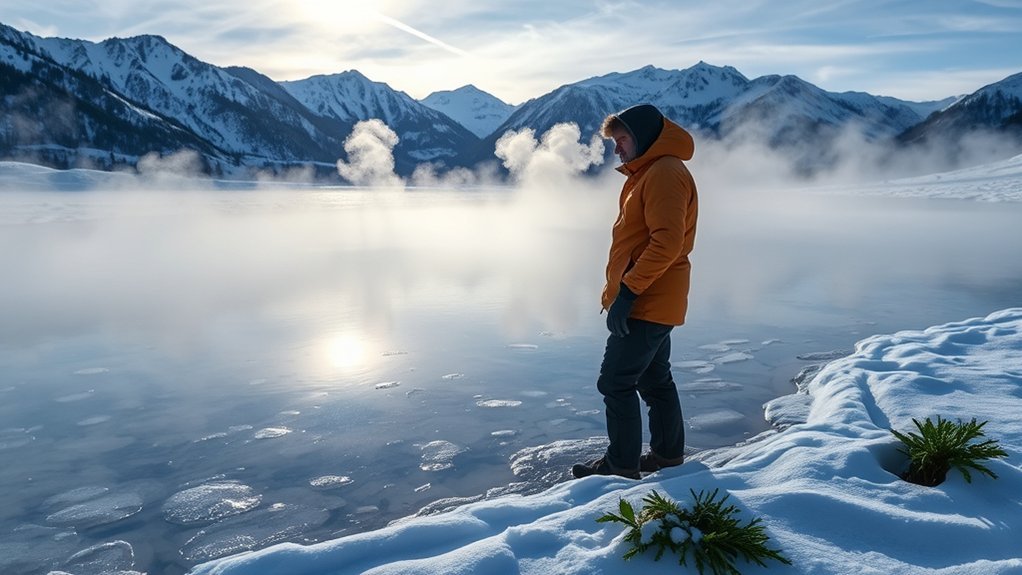
Soaking outside while cold air surrounds you can be one of the most memorable winter experiences near Fairbanks. During Aurora Season, you may also have a chance to see the northern lights if the sky is dark, clear, and active enough, but aurora sightings are never guaranteed.
Before visiting, review the current Pool House rules and hours, particularly if you are traveling with children. Pool areas have different age and supervision requirements.
If you are staying for several hours, you can combine the pools with the Aurora Ice Museum instead of making separate trips from Fairbanks.
Warning: Follow the resort’s current age, supervision, and pool-safety rules. The outdoor hot-springs experience is not appropriate for every visitor, and winter travel to and from the resort can involve very cold temperatures and icy roads.
Go Dog Sledding
Dog mushing is deeply connected to Interior Alaska, and Fairbanks gives you opportunities to experience it beyond simply watching a team in a race.
Winter tours may use traditional sleds on snow, while some operators use wheeled carts or kennel experiences during snow-free months. The exact program depends on the provider and season.
Experience a Dog Sled Ride
On a winter ride, a dog team can take you along snow-covered forest trails while a musher explains how the dogs train, work together, and respond to commands.
The experience is not only about speed. Good tours also help you understand the dogs’ care, personalities, training, and the relationship between the team and musher.
- Dress in layers suitable for the day’s actual temperature and wind.
- Follow the musher’s boarding and safety instructions.
- Ask whether outerwear or cold-weather gear is provided.
- Confirm whether the experience is a passenger ride, kennel tour, hands-on lesson, or a combination.
Learn Dog Sled Basics
Some operators offer more hands-on instruction, which may include harnessing dogs, preparing a team, learning basic verbal commands, or trying controlled driving under supervision.
Commands and procedures can differ among mushers, so treat your guide’s instructions as the authority instead of assuming every kennel uses exactly the same system.
Walk the Trails at Creamer’s Field Migratory Waterfowl Refuge
Creamer’s Field Migratory Waterfowl Refuge gives you easy access to wildlife habitat without traveling far from Fairbanks.
The roughly 2,000-acre refuge has about three miles of nature trails crossing boreal forest, seasonal wetlands, bogs, and open fields. Observation areas provide places to stop and scan for birds and other wildlife.
Bird activity changes by season. Ducks, geese, cranes, and other migrants are especially noticeable during migration periods, while mammals such as moose, foxes, hares, and other Interior Alaska species also use the refuge.
- Walk slowly and keep your distance from wildlife.
- Use observation platforms instead of approaching animals.
- Bring binoculars for birding.
- Check seasonal visitor-center and guided-walk information before your trip.
Creamer’s Field can also work as an accessible in-town aurora location during the dark season when conditions are favorable.
Visit the Fairbanks Community Museum
The Fairbanks Community Museum focuses on the stories that shaped the city and the surrounding Interior.
It is especially useful if you want more local history after visiting the larger Museum of the North.
| Exhibit Theme | What It Covers |
|---|---|
| Winter in Fairbanks | Life and adaptation in Interior Alaska’s winter climate |
| Flood of 1967 | The major flood and its place in Fairbanks history |
| Gold Rush and Early Fairbanks | Klondike-era material, early community history, and a miner’s cabin |
| Dog Mushing | Mushing history, notable mushers, the Yukon Quest, the Iditarod, and related displays |
Admission is currently listed as free, with donations accepted. Seasonal hours can change, so confirm the current schedule before arriving.
Experience the Northern Lights
For many visitors, seeing the Northern Lights is the main reason to come to Fairbanks during the darker part of the year.
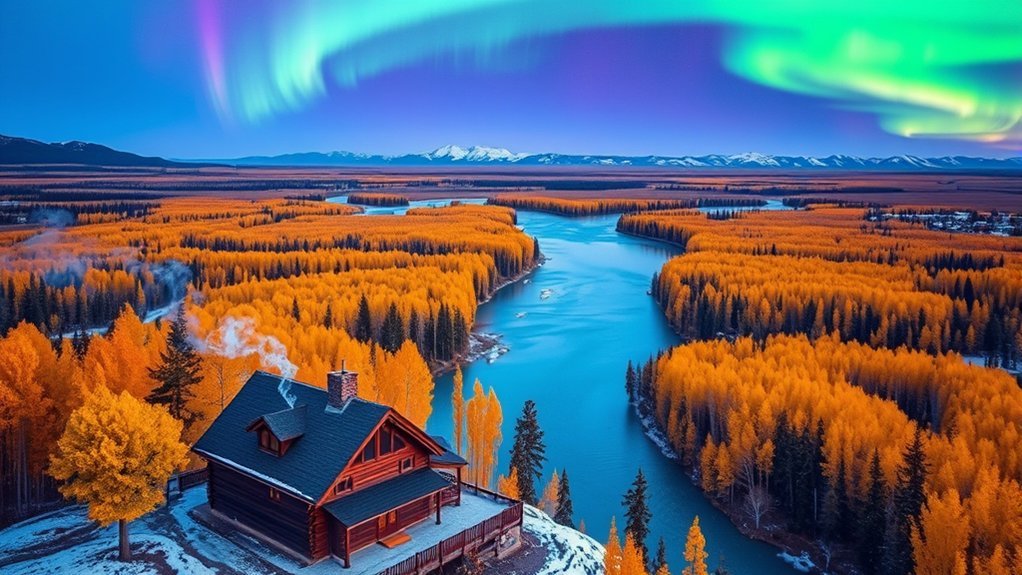
Explore Fairbanks defines Aurora Season as August 21 through April 21. The aurora exists beyond those dates, but Fairbanks does not have enough darkness around midsummer for normal viewing.
Fairbanks’ official Aurora Season runs from August 21 through April 21, but an individual night’s visibility still depends on darkness, cloud cover, and auroral activity.
Best Viewing Locations
You do not need to travel hundreds of miles to find dark skies around Fairbanks. Useful options include:
- Creamer’s Field: A convenient option within Fairbanks with open views in suitable areas.
- Chena Lake Recreation Area: Open surroundings away from central city lighting.
- Murphy Dome: A higher, darker location outside the urban core that is popular with aurora watchers.
- Chena River State Recreation Area: A broader recreation corridor with darker skies away from central Fairbanks.
Remote viewing sites can involve icy roads, limited services, wildlife, and weak cellular coverage. Check conditions before leaving town and do not stop on an unsafe roadside simply because the aurora appears.
Ideal Seasonal Timing
Start with the August 21 to April 21 viewing season, then look for a night with a favorable aurora forecast and clear skies.
Around the spring and autumn equinoxes, geomagnetic conditions can be favorable for aurora activity. However, no calendar date guarantees a display. Cloud cover can hide a strong aurora completely.
The NOAA Space Weather Prediction Center is a useful source for aurora forecasts and viewing guidance.
Photography Tips & Techniques
Photographing auroras is easier when you prepare before going outside. Cold fingers and darkness make camera adjustments harder once the display begins.
- Use a tripod: It keeps the camera stable during longer exposures.
- Use manual controls when possible: Automatic night settings may not handle a moving aurora well.
- Include foreground scenery: Trees, cabins, snow, or mountains can add scale and context.
- Carry spare batteries: Cold temperatures can shorten battery life.
- Practice before the trip: Learn how to change focus, exposure, and ISO in the dark.
Explore Alaska by Railroad
The Alaska Railroad connects Fairbanks with Denali and destinations farther south, making the journey itself part of the experience.
During summer, the Denali Star connects Fairbanks with Denali, Talkeetna, Wasilla, and Anchorage. For the 2026 season, the train operates between mid-May and mid-September, so do not assume the same daily service exists year-round.
In winter, the Aurora Winter Train links Anchorage and Fairbanks primarily on weekends, with selected additional departures.
Rail travel is especially appealing when you want to see broad Interior and Southcentral Alaska landscapes without concentrating on driving. Depending on the train and service class, onboard amenities and viewing arrangements vary.
If Denali National Park is part of your itinerary, the Fairbanks-to-Denali segment can be a practical way to combine transportation with sightseeing.
Go Fishing in the Tanana River Area
Fairbanks sits within the much larger Tanana River drainage, which supports several sport-fishing opportunities. However, the river itself and the broader management area should not be treated as if they offer the same fish in every location.
According to the Alaska Department of Fish and Game, commonly targeted species across the Tanana River Management Area include king and coho salmon, Arctic grayling, burbot, lake trout, and northern pike.
For the Tanana River itself, ADF&G’s current opportunity table identifies species including burbot, northern pike, and sheefish. Other streams, lakes, and tributaries in the wider drainage offer different opportunities.
That makes local knowledge valuable. A guide can help you choose the correct water, season, access point, and tackle for the species you want to target.
Note: Alaska fishing rules can change through regulations and emergency orders. Check the current ADF&G regulations for the exact water and species before fishing, even if you have fished the same area before.
Discover Pioneer Park (Alaskaland)
The Fairbanks North Star Borough’s historic theme park is in a naming transition. Long known as Pioneer Park, the borough’s current website uses Alaskaland branding, with the official name change taking effect in September 2026.
The 44-acre park preserves Fairbanks-area history through historic buildings, artifacts, museums, family attractions, and seasonal businesses. There is no general admission fee simply to enter the grounds, although individual attractions may charge.
Historical Attractions Overview
Instead of looking for Riverboat Discovery or downtown’s Golden Heart Plaza here, focus on the historical attractions that actually belong to the park.
- Historic buildings and artifacts: Walk among structures and displays connected to early Fairbanks.
- Pioneer Museum: Explore local history and artifacts from Interior Alaska.
- Gold Rush Town: See a collection of historic-style and preserved buildings that evoke Fairbanks’ frontier era.
- Railroad history: The park preserves links to the Tanana Valley Railroad and Fairbanks’ early transportation story.
Seasonal Highlights
The park grounds are open beyond summer, but the fullest visitor experience is seasonal.
From around Memorial Day weekend through Labor Day, the borough lists shops, restaurants, museums, a train, miniature golf, carousel rides, and community events among the available activities.
Outside the summer season, you can still explore the grounds, but many commercial attractions operate reduced schedules or close. Check the borough calendar instead of assuming a particular festival is held there every year.
Family-Friendly Activities
Families can combine history with playground time and seasonal attractions such as the carousel, train, and miniature golf.
The park also has outdoor recreation spaces and the Bear Gallery, so you can make the visit as structured or relaxed as your schedule allows.
Visit the Georgeson Botanical Garden
The Georgeson Botanical Garden at the University of Alaska Fairbanks shows what can grow under Interior Alaska’s unusual combination of a short growing season and extremely long summer days.
The main summer visitor season runs from Memorial Day through Labor Day, when the garden is filled with actively growing displays and is open daily for visitors.
You can see ornamental plants, vegetables, herbs, flowers, trees, and other varieties connected to high-latitude horticultural research and education.
The garden is still accessible outside its main summer period, although beds may be dormant and the experience changes considerably after the growing season.
UAF also hosts seasonal programs and events at the garden, so check the current calendar if you want to combine your visit with a concert, educational program, or special event.
Attend the World Ice Art Championships
Fairbanks becomes a major ice-sculpture destination each winter during the World Ice Art Championships.
Ice artists create large, detailed sculptures from massive blocks of clear ice. Competition categories and schedules vary, with events such as single-block, double-block, and multi-block sculpting appearing in the program.
The broader Ice Alaska season generally takes place from mid-February into March, with exact competition and park dates changing each year and weather affecting operations.
Visit during daylight if you want to study carving detail, then consider returning after dark when lighting can give finished sculptures a very different appearance.
- Check the current year’s competition schedule before booking your trip.
- Dress for extended periods outdoors in severe cold.
- Allow extra time if you want to photograph both daytime and illuminated sculptures.
- Remember that event dates and outdoor operating conditions can change with weather.
Ice Alaska reported more than 30,000 visitors during its 2026 season, making this a significant Fairbanks winter event without relying on the unsupported claim that annual attendance exceeds 100,000.
Plan Your Fairbanks Trip by Season
Fairbanks changes so dramatically through the year that your travel dates should shape your attraction list.
| Season | Best For | Planning Notes |
|---|---|---|
| Late May to August | Riverboat tours, gardens, wildlife, railroad trips, hiking, long daylight | Aurora viewing is limited or impossible near midsummer because skies remain too bright. |
| August 21 to September | Early aurora viewing, fall color, some late-summer activities | Seasonal attractions may begin reducing schedules. |
| October to January | Aurora viewing, snow, dog mushing as conditions allow, winter atmosphere | Expect limited daylight and potentially severe cold. |
| February to March | Aurora, dog mushing, ice art, longer daylight than midwinter | One of the strongest periods for combining major winter activities. |
| April | Late aurora season and increasing daylight | Snow and spring conditions can vary quickly. |
Getting Around Fairbanks
You can visit several museums, downtown attractions, and University of Alaska Fairbanks destinations without making a long road trip, but many signature Fairbanks experiences are spread out.
The Fairbanks North Star Borough operates MACS Transit bus routes within the urban area. Check current maps and schedules because routes and service levels can change.
A rental car gives you more flexibility for places outside the main urban area, but it is not your only choice. Commercial tours and shuttles can work well for visitors who do not want to drive in winter.
You should plan transportation separately for destinations such as Chena Hot Springs and remote aurora-viewing areas. A location that looks close on a map may require a substantial drive in winter conditions.
Warning: Winter driving around Fairbanks can involve extreme cold, ice, darkness, wildlife, limited roadside services, and areas with weak cellular reception. Check weather and road conditions, carry proper winter clothing, and avoid remote night drives if you are not comfortable with the conditions.
Two More Fairbanks Stops Worth Adding If You Have Time
The 15 attractions above cover the article’s main list, but two additional stops fill important cultural and historical gaps.
Morris Thompson Cultural and Visitors Center
The Morris Thompson Cultural and Visitors Center is an excellent first stop for a new visitor.
Its free 9,000-square-foot exhibit hall introduces Interior Alaska’s people, wildlife, landscapes, and seasons. You can also pick up maps and brochures, ask local staff questions, and get current information about transportation, weather, events, and attractions.
Pro Tip: Visit the Morris Thompson Center near the beginning of your trip. Current local advice can help you adjust plans for weather, aurora conditions, road access, and seasonal closures.
Gold Dredge 8
Gold Dredge 8 adds hands-on gold-rush history to a Fairbanks itinerary.
The seasonal two-hour experience includes a ride on a replica of the Tanana Valley Railroad, interpretation of Fairbanks-area mining history, a gold-panning demonstration, a chance to try panning, and time around the historic dredge and mining exhibits.
It is a particularly useful addition if the Trans-Alaska Pipeline and Fairbanks’ gold-rush story are both high on your list.
Frequently Asked Questions
What is the best time of year to visit Fairbanks?
There is no single best month. Visit from late spring through summer for long daylight, gardens, Riverboat Discovery, hiking, and regular Denali Star service. Visit between August 21 and April 21 for dark enough skies during Aurora Season. February and March are especially useful if you want to combine aurora viewing with dog mushing and major ice-art activities.
Are there local festivals or events in Fairbanks?
Yes. Fairbanks has events throughout the year, including the World Ice Art Championships during winter and numerous summer and community events. Dates change, so check the current Explore Fairbanks and individual attraction calendars instead of relying on a previous year’s schedule.
What are average winter temperatures in Fairbanks?
Fairbanks winters are extremely cold, but saying the average is always between -15°F and -30°F is misleading. NOAA’s 1991-2020 normals for Fairbanks International Airport show a January normal daily high around 0.6°F, low around -17.2°F, and mean around -8.3°F. Individual cold spells can fall much lower, so prepare for the actual forecast rather than the monthly average.
Is public transportation available in Fairbanks?
Yes. MACS Transit operates local bus service in the Fairbanks area. It can help with some in-town destinations, but it does not replace a car, shuttle, or organized tour for every remote attraction. Check current routes and schedules before planning a trip around transit.
What accommodations are recommended for visitors in Fairbanks?
Choose your location around your itinerary. Downtown can be convenient for visitor services and central attractions, the University of Alaska Fairbanks side of town works well for several museums and west-side destinations, and staying at Chena Hot Springs makes sense when the resort itself is a major part of your trip. Compare current transportation, parking, and cancellation policies before booking.
How many days do you need in Fairbanks?
For a first visit, three to four days is a practical starting point. That gives you time for central Fairbanks attractions plus one or two longer outings such as Chena Hot Springs, Riverboat Discovery, dog sledding, or a railroad trip. Add nights during Aurora Season if seeing the northern lights is a major priority because clouds and aurora activity are unpredictable.
Do you need a car in Fairbanks?
Not necessarily. You can combine public transit, taxis, shuttles, and organized tours if you concentrate on central attractions. A rental car becomes more useful when you want an independent schedule for outlying attractions and aurora locations. Winter visitors who are uncomfortable driving on snow and ice may prefer guided transportation.
What are some free things to do in Fairbanks?
Good free options include walking Creamer’s Field, visiting the Morris Thompson Cultural and Visitors Center, and exploring the grounds of Pioneer Park/Alaskaland. The Fairbanks Community Museum is also currently listed with free admission, although donations are accepted. Always verify current admission policies before visiting.
Conclusion
Fairbanks is most rewarding when you plan around the season instead of trying to follow the same itinerary year-round. Summer brings long daylight, river tours, gardens, wildlife, and rail travel, while the darker months bring northern lights, dog mushing, snow, hot springs, and winter ice art. Mix major attractions with local history, allow extra time for weather, and check current operating schedules before heading to seasonal or remote destinations.
Sources
- Explore Fairbanks: Aurora Season – official Fairbanks aurora-season dates and viewing information
- University of Alaska Museum of the North – current museum galleries and exhibit information
- Chena Hot Springs Resort – Aurora Ice Museum tour details and visitor information
- Alaska Railroad – current Fairbanks train routes and seasonal schedules
- Alaska Department of Fish and Game – Tanana River Management Area fishing opportunities, regulations, and emergency-order guidance
- Ice Alaska – World Ice Art Championships schedules and event information