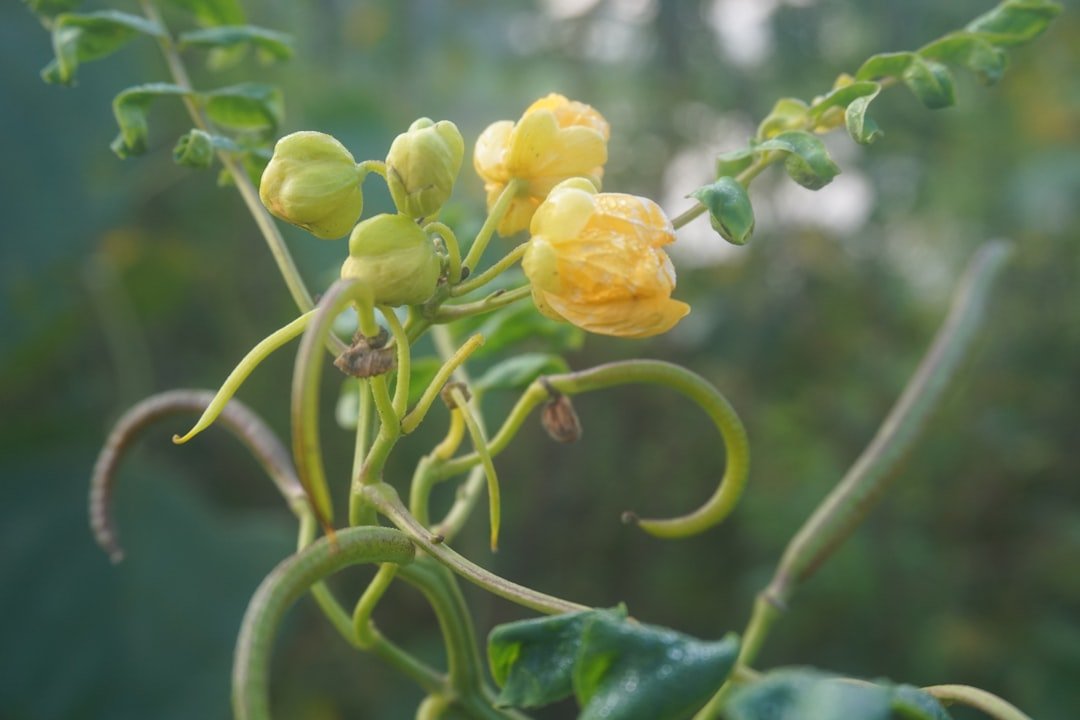
The golden berry plant (Physalis peruviana) is a warm-climate fruiting plant in the nightshade family, Solanaceae. Native to the Andean region of South America, it produces round yellow-orange berries inside papery, lantern-like husks. You may also see the fruit sold as cape gooseberry, Inca berry, Peruvian ground cherry, or aguaymanto. Its ripe fruit has a distinctive sweet-tart flavor and can be eaten fresh, dried, or added to both sweet and savory foods.
Quick Answer
Golden berries provide fiber, vitamin C, carotenoids, and other plant compounds. They can be a nutritious part of a balanced diet, but many claims about cancer, heart disease, immunity, and other conditions come mainly from laboratory or early research. Eat only fully ripe fruit and avoid unripe berries.
Key Takeaways
- Golden berry is the fruit of Physalis peruviana, a South American plant also called cape gooseberry or Inca berry.
- The fruit provides dietary fiber, vitamin C, carotenoids, potassium, phosphorus, and other nutrients, although exact amounts vary by cultivar and growing conditions.
- Golden berries contain polyphenols, carotenoids, withanolides, and other compounds studied for antioxidant and biological activity.
- Vitamin C and fiber have established roles in normal immune function, collagen formation, digestion, and general health, but this does not mean golden berries treat disease.
- Cancer-fighting, cholesterol-lowering, eye-protection, and similar claims remain much less certain than many online articles suggest.
- Only eat fully ripe berries. Unripe fruit and other parts of the plant should not be treated as ordinary edible food.
Evidence Note: Golden berries are nutritious foods, not proven treatments for cancer, infections, high cholesterol, diabetes, eye disease, or skin conditions. Much of the research on specific therapeutic effects is laboratory or animal research, and human studies remain limited.
The plant is perennial in suitable frost-free climates but is commonly grown as an annual where winters are cold. Depending on conditions, it can grow around 3 feet tall and may become taller or more spreading when supported. It develops small bell-shaped flowers followed by green berries that mature to yellow or orange inside a papery husk.
Nutritional Value of Golden Berry
Golden berries provide a mixture of carbohydrates, dietary fiber, vitamins, minerals, and plant compounds. Their exact nutrient content varies with cultivar, ripeness, soil, climate, storage, and laboratory method, so nutrition figures should be treated as representative rather than universal.
A 2025 laboratory analysis of fresh Physalis peruviana reported the following values per 100 grams:
| Energy | 67.8 kcal |
| Protein | 1.37 g |
| Fat | 0.49 g |
| Carbohydrates | 11.9 g |
| Dietary fiber | 5.16 g |
| Vitamin C | 32 mg |
| Potassium | 253 mg |
| Phosphorus | 45 mg |
| Magnesium | 19.9 mg |
| Iron | 0.53 mg |
| Zinc | 0.22 mg |
The same research measured 2.34 mg of tocopherols per 100 grams. Other analyses have also identified carotenoids and several B vitamins in golden berries. The fruit can therefore add useful nutrients to the diet, although it should not be described as a major source of every vitamin or mineral.
Antioxidant Properties of Golden Berry
Golden berries contain several classes of phytochemicals, including phenolic compounds, flavonoids, carotenoids, physalins, and withanolides. Laboratory studies have shown that fruit extracts can demonstrate antioxidant activity, meaning they can interact with reactive molecules under experimental conditions.
A large review of Physalis peruviana phytochemistry identified hundreds of compounds across different parts of the plant, with terpenes and phenolic compounds among the major groups studied.
That finding is scientifically interesting, but antioxidant activity measured in a test tube should not be interpreted as proof that eating golden berries prevents heart disease, cancer, diabetes, or other chronic illnesses. Digestion, absorption, metabolism, dose, and overall diet all influence what happens in the human body.
Golden berries contain antioxidant compounds, but their presence is better viewed as one feature of a nutritious fruit than as proof of disease prevention.
Immune-Supporting Nutrients in Golden Berry
Golden berries contain vitamin C, an essential nutrient with established roles in normal immune function. According to the National Institutes of Health Office of Dietary Supplements, vitamin C also functions as an antioxidant and is required for collagen formation and the absorption of nonheme iron.
| Immune-Related Nutrients and Evidence | |
|---|---|
| Vitamin C | Supports normal immune function; a 2025 fruit analysis measured 32 mg per 100 g. |
| Carotenoids and polyphenols | Bioactive plant compounds studied for antioxidant activity. |
| Iron and zinc | Present in relatively modest amounts in the 2025 analysis, so golden berries should not be presented as concentrated sources. |
| Disease prevention | Eating golden berries has not been shown to prevent respiratory infections or other illnesses. |
Vitamin C deficiency can impair immune function, so eating vitamin-C-containing foods helps support adequate nutrition. However, describing a food as “immune boosting” can be misleading. A varied diet, adequate sleep, vaccination when appropriate, physical activity, and other health factors also influence immune function.
Digestive Health Benefits of Golden Berry
Dietary fiber is one of the more straightforward nutritional benefits of golden berries. The 2025 analysis measured about 5.16 grams of fiber per 100 grams of fresh fruit.
Fiber can add bulk to stool and support regular bowel movements. The U.S. Food and Drug Administration also recognizes physiological benefits of dietary fiber that can include improved laxation and beneficial effects on blood glucose or cholesterol, depending on the type of fiber.
Claims that golden berries are a proven prebiotic should be treated more cautiously. In a small study of 18 healthy adult men who ate golden berries for three weeks, researchers found changes in some biomarkers but did not observe one consistent gut-microbiome response across all participants. The authors said that larger controlled studies are needed.
Note: Golden berries can contribute dietary fiber, but current evidence does not establish them as a treatment for constipation, diabetes, digestive disorders, or microbiome imbalance.
Potential Cancer-Related Research on Golden Berry
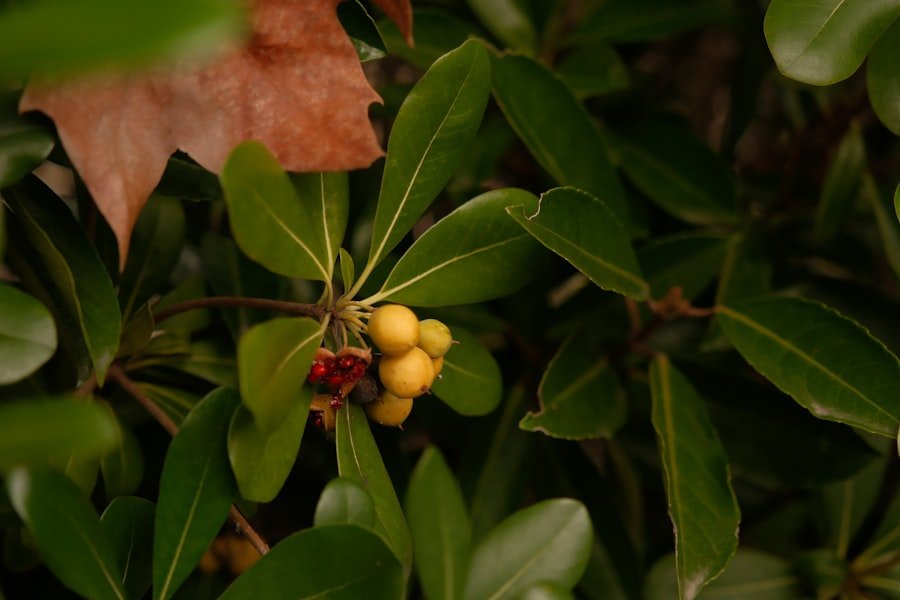
Golden berries have attracted cancer-research interest because the plant contains withanolides, physalins, phenolic compounds, and other biologically active substances. Some extracts and isolated compounds have inhibited the growth of cancer cells in laboratory experiments.
For example, the 2025 goldenberry fruit and calyx study reported antiproliferative activity against human colorectal adenocarcinoma and non-small-cell lung carcinoma cells in laboratory testing. Other researchers have studied isolated Physalis compounds in breast-cancer cell models.
Warning: These are preclinical findings. They do not show that eating golden berries prevents, treats, shrinks, or cures cancer in people, and golden berries should never replace cancer screening or medical treatment.
Laboratory activity is often the first stage of scientific investigation. Human clinical trials are needed before researchers can determine whether a compound is effective, what dose might work, and whether it is safe in a medical setting.
Golden Berry and Heart Health
Golden berries can fit into a heart-supportive eating pattern because they provide fiber and plant compounds while being relatively low in fat. Dietary fiber is associated with several useful physiological effects, and fruits are generally encouraged as part of balanced dietary patterns.
However, it is too strong to say that golden berries themselves have been proven to lower LDL cholesterol, raise HDL cholesterol, improve blood-vessel function, or prevent heart disease.
A small human goldenberry intervention has explored markers related to oxidative stress and cardiometabolic health, but the study involved only 18 men and lacked the scale needed to establish disease-prevention effects. Researchers themselves called for controlled trials.
The most defensible approach is to view golden berries as one nutritious fruit among many. Cardiovascular health depends on the overall dietary pattern as well as physical activity, smoking status, sleep, blood pressure, cholesterol, blood sugar, genetics, and appropriate medical care.
Golden Berry and Eye Health
Golden berries contain carotenoids, including beta-carotene and related compounds. Beta-carotene can be converted by the body into vitamin A, which is required for normal vision and many other functions.
Goldenberry and other Physalis research has also identified lutein and zeaxanthin, carotenoids that occur naturally in eye tissues. These nutrients are widely studied in relation to age-related eye disease.
That does not mean ordinary servings of golden berries have been proven to prevent age-related macular degeneration or cataracts. The well-known National Eye Institute AREDS and AREDS2 trials tested specific high-dose supplement combinations in people with particular stages of AMD. Those results should not be applied directly to golden berries or other individual foods.
Eating a varied diet that includes colorful fruits and vegetables remains a reasonable way to obtain carotenoids and other nutrients required for normal eye health.
Golden Berry and Skin Health
The strongest nutrition-based connection between golden berries and skin is vitamin C. The body requires vitamin C to make collagen, an important structural protein in skin and connective tissue.
Golden berries also supply plant compounds with antioxidant activity, but evidence does not establish that eating the fruit protects skin from ultraviolet radiation or treats acne, eczema, wrinkles, or other skin disorders.
Likewise, topical goldenberry extracts should not automatically be assumed to have the same effects as eating the fruit. Cosmetic products use different concentrations and formulations, and their benefits must be evaluated separately.
How to Grow a Golden Berry Plant
Golden berry plants have growing requirements similar in several ways to tomatoes. They perform best in warm conditions and are sensitive to frost.
Start With Seeds or Transplants
Golden berries can be started from seed or purchased as young transplants. North Carolina State University Extension recommends starting plants indoors roughly six to eight weeks before the last spring frost when they will be grown as annuals.
Give Them Plenty of Sun
Choose a location with full sun. Six or more hours of direct sunlight is a useful target for strong growth and fruit production.
Use Well-Drained Soil
The plants prefer moist but well-drained soil. Avoid locations where water remains around the roots for long periods. Excessively rich conditions can also encourage leafy growth at the expense of flowering and fruiting.
Allow Room for Spreading Growth
Golden berry plants develop a branched, spreading habit. Home-garden guidance commonly allows roughly 2 to 3 feet between plants. Taller or sprawling plants may benefit from staking or other support.
Watch for Pests and Diseases
Because golden berries are members of the nightshade family, they can experience some of the same pest and disease problems seen in tomatoes and related crops. Extension trials have reported problems including three-lined potato beetles, caterpillars, root diseases, and other pests.
Pro Tip: Check plants regularly rather than waiting for severe leaf damage. Keeping foliage open, avoiding chronically waterlogged soil, and supporting sprawling branches can make plants easier to inspect and harvest.
How to Harvest Golden Berries
Wait until the fruit is fully ripe. Depending on the cultivar, a mature berry becomes yellow to orange and the surrounding husk dries to a pale, papery texture. Ripe fruit may also drop naturally from the plant.
University extension trials report that the first harvest can begin roughly two-and-a-half to three months after planting under favorable conditions, although weather, variety, planting date, and local climate can change the timing.
Remove the papery husk before eating the fruit and wash the berry. Discard fruit that is moldy, badly damaged, or still clearly immature.
How to Incorporate Golden Berry into Your Diet
Fresh golden berries can be eaten on their own once the papery husk has been removed and the fruit has been washed. Their tart-sweet flavor also pairs well with many everyday foods.
- Add fresh berries to yogurt, oatmeal, or cottage cheese.
- Mix them into fruit salads or leafy green salads.
- Blend them into smoothies with other fruits.
- Use chopped golden berries in salsa, chutney, or grain bowls.
- Cook ripe berries into sauces, preserves, or jams.
- Add dried golden berries to granola, trail mixes, muffins, or baked goods.
Dried golden berries are more concentrated than fresh fruit because much of their water has been removed. Check packaged versions for added sugar if that matters for your dietary needs.
Precautions and Potential Side Effects of Golden Berry
The most important food-safety rule is to eat only fully ripe golden berries. North Carolina State University Extension specifically advises against consuming immature fruit.
Golden berry belongs to the nightshade family. Toxicology literature has raised concerns about alkaloids in unripe fruit and non-edible parts of the plant. Human toxicity data remain limited, so leaves, stems, flowers, and unripe berries should not be treated as ordinary edible foods.
Warning: Do not eat green, unripe golden berries. If you develop significant nausea, vomiting, abdominal symptoms, dizziness, neurological symptoms, or another concerning reaction after eating an unfamiliar plant or fruit, seek medical advice or contact your local poison-control service.
A 2013 animal toxicology study of lyophilized Physalis peruviana fruit juice found no genetic, liver, kidney, or blood toxicity at the tested doses, although markers suggesting cardiac toxicity appeared in male rats at the highest repeated dose. Animal doses cannot be translated directly into normal food servings, but the findings reinforce the need to avoid treating concentrated goldenberry preparations as proven therapeutic products.
If you have had an allergic reaction to golden berries or another Physalis species, avoid the fruit. People who are pregnant, breastfeeding, taking medications, or managing a medical condition should also avoid using concentrated goldenberry extracts or supplements as treatments without discussing them with a qualified healthcare professional.
Frequently Asked Questions
What is a golden berry plant?
A golden berry plant is Physalis peruviana, a fruiting member of the nightshade family. It produces small yellow-orange berries enclosed in papery husks and is also commonly called cape gooseberry, Inca berry, or Peruvian ground cherry.
How do you grow a golden berry plant?
Grow golden berries in a sunny location with moist, well-drained soil. They can be started from seed or transplants. In cooler climates, seeds can be started indoors about six to eight weeks before the last frost and transplanted outside after cold conditions have passed.
What are the health benefits of golden berries?
Golden berries provide fiber, vitamin C, carotenoids, minerals, and several plant compounds. These nutrients can support normal functions such as digestion, collagen formation, and immune function. Research into additional effects is promising but does not yet prove that the fruit prevents or treats major diseases.
How do you harvest golden berries?
Harvest when the berry has developed its mature yellow-orange color and the husk has become pale and papery. Fully ripe berries may also fall from the plant naturally. Remove the husk and wash the fruit before eating.
Are golden berries easy to grow?
They can be relatively easy to grow when they receive enough warmth, sunlight, drainage, and space. They can grow in the ground or large containers, but frost, sprawling growth, pests, and root diseases can create problems.
Can you eat unripe golden berries?
No. Immature green fruit should not be eaten. Wait until the berry has fully developed its yellow or orange ripe color and the surrounding husk has become papery.
Are golden berries and cape gooseberries the same fruit?
Cape gooseberry and golden berry are widely used common names for Physalis peruviana. Common names within the Physalis genus can overlap, however, so checking the botanical name is useful when buying seeds or plants.
Sources
- Plants — Nutrients, Phytochemicals, and In Vitro Biological Activities of Goldenberry — nutritional composition, phytochemicals, and laboratory biological activity.
- NIH Office of Dietary Supplements — Vitamin C Fact Sheet — vitamin C, immune function, antioxidant activity, collagen formation, and iron absorption.
- North Carolina State University Extension — Cape Gooseberry / Physalis — sunlight, soil, plant size, propagation, mature-fruit safety, and general cultivation.
- National Eye Institute — AREDS and AREDS2 — evidence and limitations surrounding lutein, zeaxanthin, and age-related macular degeneration.
- Acute and Subchronic Toxic Effects of the Fruits of Physalis peruviana L. — experimental toxicology and safety evidence.