If busy galleries, bright lights, or loud exhibit sounds make museum visits hard for you or someone you care for, sensory-friendly museum hours can help. Alabama museums that offer quiet-hours-style access lower sensory input, give visitors more room to pause, and make exhibits easier to enjoy at your own pace. This guide explains what sensory-friendly museum experiences usually include, how to plan your visit, and what to ask before you go.
What’s in This Article
- Understanding Sensory-Friendly Spaces
- Why Quiet Hours Matter for Museum Visitors
- How Alabama Museums Can Use Quiet Hours
- Museums in Alabama to Check for Sensory-Friendly Programs
- Features of Sensory-Friendly Museum Experiences
- How Community Feedback Improves Accessibility
- Activities and Programs During Quiet Hours
- Tips for Visiting Sensory-Friendly Museums
- Questions to Ask Before You Visit
- How to Support Sensory-Friendly Initiatives
- The Future of Inclusive Museum Experiences
- Frequently Asked Questions
- Conclusion
Quick Answer
Sensory-friendly museum hours give visitors a calmer way to explore exhibits. Museums may lower sound, soften lighting, reduce crowd levels, offer quiet spaces, and provide sensory tools. Before visiting, check the museum’s current accessibility page or call ahead, since schedules and services can change.
Key Takeaways
- Quiet hours help visitors explore museums with less noise, crowding, and sensory stress.
- Sensory-friendly features may include calm rooms, dimmed lights, sensory kits, and trained staff.
- Alabama museums may offer programs at different times, so you should confirm details before you go.
- Families can plan better visits by checking maps, rules, food policies, and break areas in advance.
- Community feedback helps museums build programs that match real visitor needs.
Understanding Sensory-Friendly Spaces
When you explore sensory-friendly spaces, you’ll notice how small changes can make a big difference. These spaces support visitors who feel stress from bright lights, loud sounds, strong smells, crowds, or sudden activity.
Museums may use calming colors, soft lighting, and lower noise levels to help you feel more at ease. They may also provide designated areas for breaks, quiet reflection, or self-regulation.
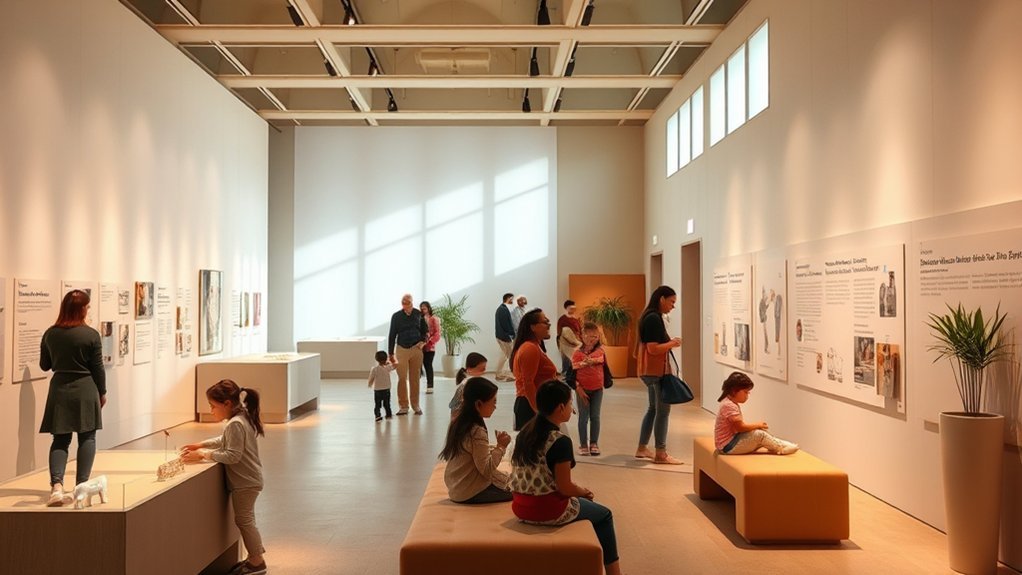
Sensory-friendly spaces use calmer lighting, lower sound, and quiet areas to help visitors reset during a museum visit.
These changes also help families, caregivers, and groups move through exhibits with less pressure. When museums design for different sensory needs, they create a more respectful and welcoming visit for everyone.
Why Quiet Hours Matter for Museum Visitors
Quiet hours give you a more comfortable way to enjoy exhibits without as much sensory input. They can also make museums feel easier to enter, especially if busy public spaces often feel stressful.
Reducing Sensory Overload
As you move through a museum, crowds, echoing rooms, flashing screens, and hands-on exhibits can compete for your attention. Quiet hours reduce those stress points so you can focus on what you came to see.
During these scheduled times, museums may dim lights, lower sound, limit attendance, or pause loud demonstrations. These changes help you explore at your own pace without feeling rushed.
Enhancing Visitor Experience
A quieter museum setting can help you connect more deeply with art, science, history, or nature. You can pause longer, notice details, and enjoy exhibits without as much pressure from crowds.
This inclusive approach recognizes that visitors experience public spaces in different ways. It gives you more control over your visit and helps museums serve a wider community.
How Alabama Museums Can Use Quiet Hours
Quiet-hours programs in Alabama can help museums create calmer, more welcoming environments for visitors with sensory sensitivities. These programs work best when museums share clear schedules, explain what changes during the event, and train staff to support visitor needs.
You may see sensory-friendly hours offered as monthly events, special family programs, or accessibility-focused mornings. Since schedules can change, check each museum’s website or contact the visitor services team before you plan your trip.
Purpose of Quiet Hours
Quiet Hours give you a chance to explore museums in a calmer environment, with fewer barriers linked to noise, crowds, and bright stimulation. They support visitors with sensory sensitivities, including many autistic visitors, people with anxiety, and people who prefer lower-stimulation settings.
These designated times can make art, science, and cultural exhibits easier to enjoy. They also show that museums value access, comfort, and belonging.
What Participating Museums May Offer
Museums that host sensory-friendly hours often focus on practical support. You may find these common features:
- Dedicated quiet spaces: Areas where you can rest and reduce sensory input.
- Trained staff: Team members who understand basic sensory needs and visitor support.
- Clear visit information: Maps, schedules, social narratives, or event details before arrival.
- Inclusive programming: Activities designed for different comfort levels and communication styles.
Activities During Quiet Hours
During sensory-friendly hours, you may find guided art explorations, quiet exhibit walks, hands-on stations, or low-noise workshops. These activities should let you engage without pressure or rushed pacing.
Some museums also offer calming spaces with softer lighting and seating. Others may provide creative expression activities, tactile materials, or sensory stations that invite you to explore through sound, texture, and sight.
Note: Confirm each museum’s current schedule and accommodations before you visit, since quiet hours can change by season or staffing.
Museums in Alabama to Check for Sensory-Friendly Programs
If you’re looking for a welcoming experience that supports diverse sensory needs, start by checking Alabama museums that already focus on families, education, science, art, or natural history. These venues often have visitor services teams that can answer accessibility questions.
Consider contacting these museums before your visit:
- Birmingham Museum of Art: Ask about quiet galleries, accessibility resources, and low-crowd visit times.
- McWane Science Center: Ask about sensory-friendly sessions, exhibit noise levels, and hands-on activity options.
- Alabama Museum of Natural History: Ask about calm exhibit areas, group timing, and visitor support.
- Children’s Hands-On Museum: Ask about family-friendly sensory accommodations and quieter visit windows.
These museums can help you plan a visit that fits your comfort level. You should also ask whether advance registration, special admission, or caregiver support policies apply.
Features of Sensory-Friendly Museum Experiences
Sensory-friendly museum experiences focus on your comfort, access, and choice. They help you engage with exhibits without feeling overwhelmed.
Common features include reduced lighting and sound levels, quieter entry times, and lower attendance. You may also find quiet spaces, sensory kits, fidget tools, or noise-reducing headphones.
Lower lighting, softer sound, quiet rooms, and sensory tools can help you explore with more comfort and confidence.
Interactive exhibits may use lower volume, fewer sudden effects, or clear instructions. Staff members may also receive training so they can answer questions and support your needs with care.
How Community Feedback Improves Accessibility
Sensory-friendly museum experiences work best when museums listen to visitors. Families, caregivers, educators, disabled visitors, and advocacy groups can all point out barriers that staff may miss.
Visitor feedback can shape better signage, clearer maps, quieter layouts, and more useful staff training. It also helps museums decide which programs feel helpful and which ones need change.
- Families can share what made a visit easier or harder.
- Visitors with sensory sensitivities can describe what support they need most.
- Community groups can help museums reach more people.
- Staff can use feedback to improve future events.
Your feedback can turn one quiet-hours event into a stronger long-term access program. It also helps museums build trust with the communities they serve.
Activities and Programs During Quiet Hours
During quiet hours, you may join thoughtfully designed activities that support different sensory needs. These programs should feel flexible, calm, and easy to leave or rejoin.
You might enjoy interactive art sessions, guided sensory walks, or quiet exhibit tours. You may also find calming workshops focused on mindfulness, creativity, and hands-on learning.
Some museums add tactile stations with safe materials that let you explore texture and form. Each activity should help you connect with exhibits in a way that feels comfortable.
Tips for Visiting Sensory-Friendly Museums
Good planning can make a sensory-friendly museum visit smoother. Before you go, gather the details that affect comfort, timing, and breaks.
- Visit during posted quiet hours or lower-crowd times when possible.
- Bring noise-reducing headphones, sunglasses, fidgets, or comfort items.
- Review the museum map before you arrive so you can find exits and rest areas.
- Ask staff about quiet rooms, food rules, sensory kits, and re-entry policies.
- Plan a shorter first visit if you’re unsure how the space will feel.
Pro tip: Call before you visit and ask what sounds, lights, or exhibits may still run during quiet hours.
Questions to Ask Before You Visit
Before you commit to a visit, ask direct questions so you know what to expect. Clear answers can help you avoid surprises and plan the right supports.
- Do you limit attendance during sensory-friendly hours?
- Which exhibits still use loud sounds, flashing lights, or strong motion?
- Do you provide sensory kits, headphones, or social narratives?
- Can visitors bring food, drinks, comfort items, or mobility tools?
- Where can visitors take breaks if the museum feels overwhelming?
You can also ask whether staff members have training in sensory-friendly support. A short call or email can save stress on the day of your visit.
How to Support Sensory-Friendly Initiatives
You can help sensory-friendly initiatives grow by supporting local museums and community groups. Your time, feedback, and advocacy can improve access for many visitors.
Community Collaboration Opportunities
Community collaboration helps museums design programs that reflect real needs. If you have lived experience, professional knowledge, or family insight, your input can guide better choices.
- Share your experience: Explain what helped and what created stress during your visit.
- Organize workshops: Help teach the community about sensory-friendly practices.
- Build partnerships: Connect museums with advocacy groups, schools, or service providers.
- Encourage feedback: Support easy ways for families to share needs and preferences.
Volunteer and Advocate Support
Volunteering and advocacy can make sensory-friendly programs stronger. You can ask local museums how they use volunteers for events, guest support, or outreach.
You can also share program details with friends, schools, support groups, and local organizations. Clear community awareness helps more visitors find spaces that fit their needs.
Fundraising for Programs
Effective fundraising efforts can help museums buy sensory tools, train staff, and create calmer spaces. Even small local efforts can support better access.
- Organize community events that raise awareness and funds.
- Ask local businesses to sponsor sensory-friendly exhibits or activity supplies.
- Create a crowdfunding campaign for sensory kits or quiet-room materials.
- Encourage donations that support inclusive museum access.
Every useful resource helps museums create spaces where more people can explore, learn, and connect. Your support can help visitors feel welcome from the moment they arrive.
The Future of Inclusive Museum Experiences
Museums continue to improve access by designing exhibits, events, and services for a wider range of visitors. Sensory-friendly hours represent one part of a broader shift toward more inclusive public spaces.
Here’s what stronger inclusive museum experiences may include:
| Feature | Description |
|---|---|
| Quiet Hours | Designated times with reduced noise, crowding, and light |
| Sensory Kits | Tools that help visitors manage sensory input |
| Trained Staff | Team members prepared to support sensory-related needs |
| Interactive Spaces | Areas designed for hands-on learning without overstimulation |
| Community Input | Regular feedback from visitors, families, and advocacy groups |
When museums plan with access in mind, they help more visitors feel safe, curious, and included.
Frequently Asked Questions
What Are the Age Restrictions for Visiting During Quiet Hours?
Most sensory-friendly museum hours welcome visitors of all ages, but each museum can set its own rules. Check the event details before you go, especially if the program targets children, teens, adults, or families.
Are There Any Fees for Attending Quiet Hours Events?
Some quiet-hours events may use regular admission, while others may offer free or reduced-cost entry. Contact the museum before your visit so you know whether you need tickets, registration, or a timed entry slot.
Can I Bring My Own Sensory Tools or Comfort Items?
Many museums allow personal sensory tools, comfort items, and noise-reducing headphones. You should still check the museum’s rules for food, liquids, large bags, and items that may affect exhibits.
Is Food Allowed During Quiet Hours at the Museums?
Food policies vary by museum and exhibit area. Ask ahead about snack areas, allergy rules, water bottles, and whether you can step outside and re-enter.
How Can I Volunteer for Sensory-Friendly Programs?
Start by contacting local museums and asking whether they need help with sensory-friendly events, visitor support, outreach, or fundraising. You can also connect museums with schools, advocacy groups, or community organizations that support accessibility.
Conclusion
Sensory-friendly museum hours can make art, science, and history easier to enjoy for visitors who need calmer spaces. Before you go, confirm the schedule, ask what supports the museum offers, and bring the tools that help you feel comfortable.
When you support these programs, you help create museums where more people can explore at their own pace. A more thoughtful visit can become a more welcoming community experience for everyone.