Mobile Bay gives you room for relaxed day sailing, organized racing, lessons, and longer coastal routes, but it is not a place to sail without preparation. Shallow areas, maintained ship channels, changing wind, thunderstorms, currents, and commercial traffic can affect even a short trip. This guide explains where to start, how to find boat access, and what to check before leaving the dock.
Quick Answer
Mobile Bay offers lessons, club sailing, racing, marina access, and scenic day trips for different skill levels. Beginners should start with an instructor or experienced skipper rather than assume a bareboat rental is available. Before every sail, check the marine forecast, tides and currents, NOAA charts, safety equipment, and commercial-vessel traffic.
Key Takeaways
- Choose between a public commercial marina, a private yacht club, a lesson, or an organized sailing program based on your access needs.
- Do not assume that walk-up sailboat rentals, specific boat models, or bareboat charters are available. Confirm the current fleet and checkout requirements directly.
- Use the National Weather Service marine forecasts for North or South Mobile Bay and NOAA water-level and current guidance before departure.
- Stay clear of commercial ships and avoid impeding vessels that must remain in a maintained channel.
- Carry the safety equipment required for your boat and make sure every person has a properly sized, accessible life jacket.
What’s in This Article
- What Makes Mobile Bay a Good Sailing Area?
- What Should You Check Before Sailing?
- Marinas and Sailing Clubs to Check
- Sailing Schools and Lesson Options
- Sailboat Rental and Access Options
- Wind, Tide, Current, and Storm Planning
- Safety Tips and Alabama Requirements
- Local Sailing Events and Regattas
- Wildlife and Scenic Areas
- Community Resources
- Frequently Asked Questions
Note: This guide provides general planning information. It does not replace a current NOAA chart, official marine forecast, Notice to Mariners, race instructions, marina directions, Coast Guard guidance, or Alabama boating law.
What Makes Mobile Bay a Good Sailing Area?
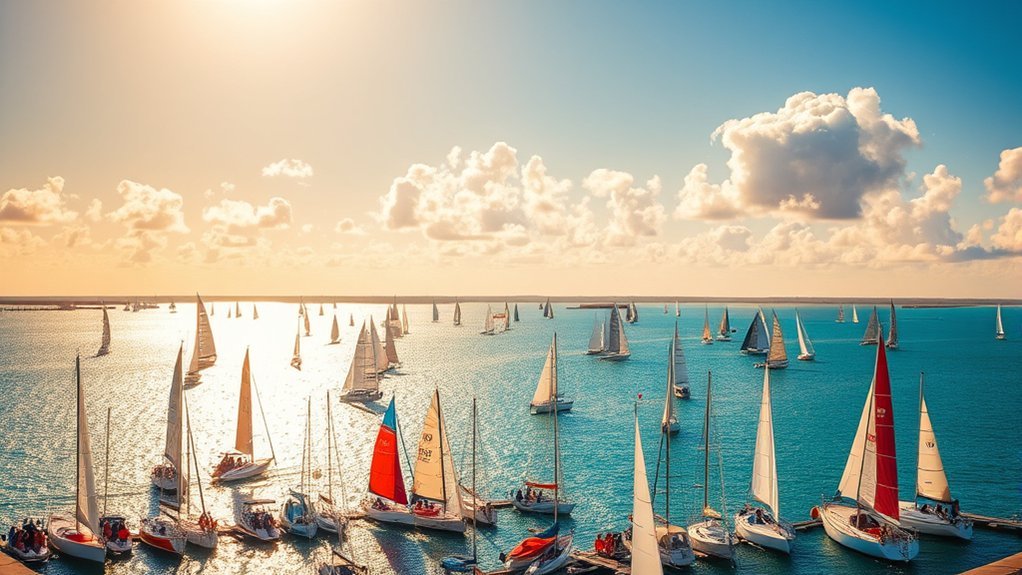
Mobile Bay combines broad open water, protected approaches near some harbors, active yacht clubs, youth and adult instruction, and a long local racing tradition. Depending on your experience and boat, you can practice basic sail handling, join a club race, enjoy a short day sail, or connect with coastal cruising routes.
The bay also demands careful navigation. Water outside the maintained channels can become shallow, while commercial vessels using the shipping channels may have little room to turn or stop. Wind direction, river discharge, atmospheric pressure, tide, and thunderstorms can change the conditions you experience.
The best Mobile Bay sail is not defined by the calendar alone. It starts with a suitable boat, an honest assessment of your crew, and current weather, water-level, and navigation information.
Beginners do not need to own a boat to get involved. You can take a lesson, join a youth program, ask about an introductory sail, volunteer as race crew, or learn through a club. These options usually provide more support than renting an unfamiliar boat and sailing independently.
What Should You Check Before Sailing Mobile Bay?
Start planning before you choose a launch point or marina. The northern and southern parts of Mobile Bay can have different wind, visibility, wave, and storm conditions, so a forecast for the city of Mobile alone is not enough.
- Choose an appropriate boat and access method: Decide whether you need a lesson, an experienced skipper, club authorization, a crewed outing, or independent access.
- Review the correct marine zone: Use the National Weather Service Mobile marine-zone page and check North Mobile Bay, South Mobile Bay, or the coastal zone that matches your route.
- Check water levels and currents: Review NOAA tide information and the Mobile Bay Marine Channels Forecast.
- Study a current chart: Use the NOAA nautical chart service to identify channels, shoals, aids to navigation, obstructions, and restricted areas.
- Inspect the boat: Check rigging, steering, sails, auxiliary engine, fuel, battery, anchor, bilge system, lights, communication equipment, and required safety gear.
- Create a float plan: Give a trusted person your boat description, crew list, route, departure point, destination, expected return time, and instructions for what to do if you are overdue.
Warning: Do not cross close ahead of a ship, tug, tow, or other large vessel using a maintained channel. A large vessel may appear slow but can cover distance quickly and may be unable to leave the channel or stop in time.
Marinas and Sailing Clubs to Check
The right starting point depends on whether you need public transient dockage, long-term storage, repairs, fuel, lessons, racing, or private-club facilities. A yacht club is not automatically a public marina, and access to docks, ramps, boats, dining, or events may be limited to members, registered guests, competitors, or visitors from reciprocal clubs.
| Facility | Best for | Important access note |
| Dog River Marina | Transient or monthly dockage, fuel, repairs, haul-out work, marine supplies, and larger-boat service | Contact the marina for reservation availability, current depth, vessel limits, rates, and arrival directions. |
| Grand Mariner Marina | Transient and monthly dockage, fuel, pump-out service, repairs, shore power, and boater amenities | Confirm current marina hours, fuel availability, approach depth, and slip dimensions. |
| Dockside Marina | Daily or monthly dockage in a protected Dog River harbor | Ask about slip availability, lift limits, power service, depth, and any vessel-specific restrictions. |
| Fairhope Yacht Club | Adult and youth sailing, racing, club activities, boat storage, and eastern-shore access | It is a private club. Its published visiting docks are intended for boats from reciprocal clubs, and club-owned boats require authorization. |
| Mobile Yacht Club | Club racing, cruising, youth instruction, wet slips, dry storage, and a protected harbor near Dog River | It is a yacht club rather than a general public rental operation. Contact it before planning guest access, launching, dockage, or event participation. |
Note: Published amenities do not guarantee that a slip fits your boat or that a facility accepts your reservation. Confirm draft, beam, mast height, shore power, fuel, pump-out access, security, storm policies, and cancellation terms directly.
Sailing Schools and Lesson Options
Lessons are the safest starting point if you are new to sailing, have not sailed recently, or do not know Mobile Bay. Choose a program that matches the student’s age, the type of boat, and the skills you want to build.
Adult sailing instruction
Fairhope Yacht Club advertises adult sailing lessons, including summer instruction and shorter introductory sessions. Its club-owned boats are for authorized members, so ask whether a lesson is open to nonmembers and what access is included.
For an adult course, ask whether instruction covers:
- Boat parts, rigging, knots, and sail controls
- Points of sail, tacking, and jibing
- Leaving and returning to a dock
- Reefing and reducing sail
- Man-overboard recovery
- Weather and marine-forecast interpretation
- Navigation rules and commercial traffic
- Anchoring and auxiliary-engine use
Youth sailing instruction
Mobile Bay Sailing School, based at Mobile Yacht Club, currently advertises a summer program for young sailors. Its 2026 program information describes instruction using 420 dinghies and Optimists, with age and session requirements that vary by class.
Fairhope Junior Yacht Club also publishes youth programs using Optimists, C420s, and Fevas. Some sessions may accept nonmembers, but registration dates, age limits, weight guidance, required equipment, and availability should be checked before enrollment.
Questions to ask before booking a lesson
- Is the class open to the public or limited to members?
- What ages, weights, and experience levels does it accept?
- Is the instructor certified through a recognized sailing organization?
- How many students share each boat and instructor?
- Are life jackets and other safety items provided?
- What happens during thunderstorms or unsafe wind?
- Does the price include boat use, course materials, certification, and rescheduling?
- Will the lesson take place on Mobile Bay or in a more protected area?
Pro Tip: A short refresher on docking, reefing, man-overboard recovery, and local traffic can be more useful than renting a larger boat immediately after a long break from sailing.
Sailboat Rental and Access Options
Do not assume that Mobile Bay has a large supply of walk-up bareboat rentals. Public inventory, boat models, rental periods, insurance rules, and checkout requirements can change. In many cases, access comes through a lesson, private club, authorized use of a club boat, membership program, racing crew position, or an outing with an experienced skipper.
Boat Types You May Encounter
Training programs in the area currently advertise small boats such as Optimists, 420s, Fevas, and Flying Scots. These boats serve different purposes and are not automatically available for public rental.
- Optimist: A small singlehanded youth dinghy commonly used for introductory instruction.
- 420 or C420: A two-person dinghy used for training and school racing.
- Feva: A two-person youth dinghy used for instruction and racing.
- Flying Scot: A stable daysailer used for lessons, recreation, and racing. Fairhope Yacht Club lists club-owned Flying Scots for authorized members.
- Cruising keelboat: A larger boat that may provide more cockpit space, ballast, auxiliary power, and equipment for longer outings.
Exact boat choice matters less than whether the boat fits your experience, crew, weather, route, and authorization. A responsive dinghy can teach sail trim quickly, but it can also capsize. A keelboat may feel steadier, but its draft, momentum, systems, and docking needs create different risks.
How Sailboat Access Is Priced
There is no dependable bay-wide rental price. Cost may be based on a lesson, camp session, club membership, boat-share agreement, crewed charter, event entry, or independent rental. Providers may also charge for instruction, certification, deposits, insurance, damage waivers, fuel, cleaning, late return, or weather rescheduling.
Before paying, ask for the complete written cost and confirm:
- The exact boat and sailing area
- The experience or certification required
- Whether a practical checkout is required
- Who pays for accidental damage
- Whether towing or assistance is included
- The cancellation and severe-weather policy
- The latest return time
- Whether overnight use is permitted
Choose the Right Boat for the Conditions
Small dinghies provide immediate feedback when you move your weight, steer, or adjust the sail. They work well for supervised learning but require capsize awareness and suitable flotation gear.
Keelboats offer more stability and carrying capacity, but you must understand their draft, turning circle, stopping distance, auxiliary engine, electrical system, anchoring equipment, and emergency procedures.
Multihulls can provide deck space and limited heeling, but their beam, windage, righting characteristics, and docking requirements differ from monohulls. Do not treat a catamaran as automatically safer simply because it feels flatter under sail.
Wind, Tide, Current, and Storm Planning
Mobile Bay conditions should be checked for the exact day and route rather than predicted from a simple seasonal wind rule. Shoreline heating, fronts, thunderstorms, open-water exposure, and local geography can all change wind speed and direction.
Use the correct marine forecast
The National Weather Service Mobile marine forecast page separates North Mobile Bay and South Mobile Bay into different zones. Review the full zone forecast, not only a weather-app icon or a point forecast on land.
Pay attention to:
- Sustained wind and gusts
- Wind direction and expected shifts
- Thunderstorm probability
- Marine advisories, watches, and warnings
- Visibility
- Wave conditions
- Heat and sun exposure
Tide predictions are only part of the picture
A tide table estimates astronomical tide, but the actual water level can also be affected by wind, atmospheric pressure, river flow, and storms. NOAA’s Mobile Bay Marine Channels Forecast provides additional guidance for water level, current, wind, waves, precipitation, visibility, and hazards at locations along the bay’s marine channels.
Compare your boat’s draft with charted depth and expected water level. Leave a safety margin for waves, squat, inaccurate soundings, silting, and route error rather than planning to use every inch of available depth.
Thunderstorms and tropical weather
Summer heat and moisture can support rapidly developing thunderstorms. A storm may bring lightning, a sudden wind shift, strong gusts, heavy rain, and poor visibility even when the earlier part of the day was calm.
The official Atlantic hurricane season runs from June 1 through November 30. Tropical systems can affect water level, wind, marina operations, and navigation well before the center reaches the coast. Check the National Hurricane Center during tropical-weather season.
Warning: Lightning, a fast-growing dark cloud line, a sudden temperature drop, or an unexpected gust front is a reason to shorten sail and head for safe harbor. Do not wait for the storm to reach the boat before acting.
Pro Tip: Reef before the boat becomes difficult to control. Reducing sail early is easier than trying to reef after the crew is overloaded and the deck is wet.
Safety Tips and Alabama Requirements
A safe trip begins with a boat that is suitable for the route and a crew that understands the plan. Complete a full check before every departure, even if you sailed the same boat recently.
Equipment Check Essentials
The Alabama Law Enforcement Agency boat-equipment checklist explains current state requirements by vessel type and length. Requirements can differ according to size, construction, propulsion, operating area, and time of day.
Important requirements and checks include:
- One properly sized, U.S. Coast Guard-approved wearable life jacket for every person aboard
- A securely fastened life jacket worn by each child under eight, except while inside an enclosed cabin or sleeping space
- One readily accessible throwable flotation device on vessels 16 feet or longer
- Required navigation lights for night or restricted visibility
- A horn, whistle, or other required sound-producing device
- Required visual distress signals for the vessel and operating area
- Fire extinguishers where required
- An engine cut-off switch and attached lanyard where required for an auxiliary motor
- Registration, documentation, and operator credentials that apply to the boat and skipper
Inspect the sails, standing rigging, running rigging, steering, centerboard or keel, anchor, rode, bilge pump, auxiliary engine, fuel, batteries, electrical system, navigation lights, and tools. Repair chafed lines, loose fittings, fuel leaks, steering problems, and electrical faults before departure.
Inflatable life jackets require correct maintenance and may need to be worn to count toward carriage requirements. Check the approval label, cylinder, inflator, status indicators, age restriction, and activity limitations.
Navigation and Commercial Traffic
Review the U.S. Coast Guard Navigation Rules before sailing independently. The rules require a proper lookout, safe speed, collision assessment, and early action to avoid danger.
A sailboat does not have unlimited right of way. It must not impede a vessel that can safely navigate only within a narrow channel or fairway. Tugs, tows, ships, dredges, and vessels restricted in their ability to maneuver may need far more space than their appearance suggests.
- Cross a channel only when you have enough time and visibility.
- Use a clear and predictable course.
- Do not linger, tack repeatedly, stop, or anchor in a navigation channel.
- Watch both ahead and astern for fast-moving traffic.
- Do not rely on another vessel seeing you.
- At night, verify that your lights are operating and not blocked by sails or equipment.
Weather Awareness Practices
- Check more than one official product: Review the marine-zone forecast, radar, advisories, current observations, water levels, tides, and tropical outlook when relevant.
- Set a conservative limit: Choose a maximum wind, gust, storm risk, visibility, and wave condition that fits the least experienced person aboard.
- Keep watching conditions: Monitor cloud growth, water texture, gust lines, temperature changes, radio reports, and visibility throughout the sail.
- Know your safe harbors: Identify at least one practical return or shelter option before departure.
- Protect the crew from heat: Carry drinking water, sun protection, suitable clothing, and medication needed by anyone aboard.
Emergency Procedures and Communication
Before leaving, show every person where to find life jackets, the throwable device, fire extinguisher, first aid supplies, anchor, radio, emergency engine controls, and distress equipment. Explain how to stop the boat and call for help if the skipper becomes unable to act.
A marine VHF radio is generally more useful than a phone for contacting nearby vessels and the Coast Guard. VHF Channel 16 is the distress, safety, and calling frequency. A phone is still useful, but reception, battery life, water damage, and the inability to alert nearby boats can limit it.
Practice a man-overboard recovery before you need it. Keep the person in sight, throw flotation, control the sails, return under control, and stop propulsion before bringing the person close to the stern or propeller.
If the auxiliary engine fails, keep control under sail when possible. Anchor before you drift into a channel, shoal, bridge, shoreline, or other hazard. Call for assistance early if the situation is moving beyond your crew’s ability.
Warning: In immediate danger, put on life jackets, state “Mayday” on VHF Channel 16, give your position and the nature of the emergency, describe the vessel and people aboard, and follow Coast Guard instructions. Call 911 when that is the fastest available method.
Local Sailing Events and Regattas
Mobile Bay has an active racing community. Fairhope Yacht Club, Mobile Yacht Club, Buccaneer Yacht Club, and other Gulf Yachting Association clubs organize one-design, handicap, youth, distance, and social sailing events.
The Dauphin Island Race is one of the bay’s best-known distance events. The 66th race was held April 24–26, 2026, so readers planning a future trip should use the organizer’s current page rather than rely on an old date.
Check these sources for current information:
- Gulf Yachting Association event schedule
- Fairhope Yacht Club event calendar
- Buccaneer Yacht Club regatta schedule
- Mobile Yacht Club
You may not need your own boat to participate. Some events and clubs maintain crew boards or connect skippers with volunteers. Be honest about your experience, arrive prepared, and ask what clothing, life jacket, shoes, food, and personal equipment you should bring.
- Build practical skills: Racing teaches sail trim, starting, communication, traffic awareness, and coordinated maneuvers.
- Meet local sailors: Events can help you find instructors, mentors, crew positions, and future sailing partners.
- Learn the bay: Experienced local sailors can explain channels, shoals, storm patterns, and marina approaches that are difficult to learn from a general guide.
Wildlife and Scenic Areas
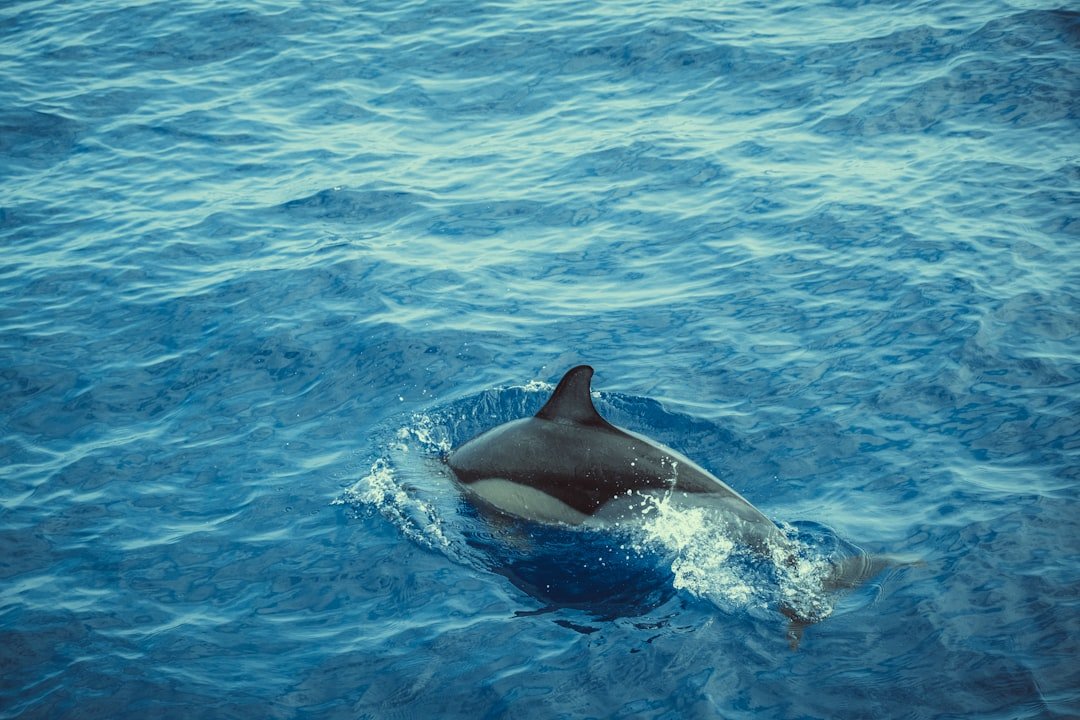
A slow sail may give you views of dolphins, pelicans, herons, egrets, ospreys, and other coastal wildlife. Keep enough distance to avoid changing an animal’s direction, feeding, resting, or nesting behavior.
Scenic views can include the eastern shoreline near Fairhope and Point Clear, the Middle Bay Lighthouse from the water, lower-bay views toward Fort Morgan and Dauphin Island, and protected creeks or estuary edges suitable for boats with the right draft.
These are not universal routes for every sailboat. Check charted depth, channel markers, bridge clearance, tides, currents, private-property limits, wildlife restrictions, and your marina’s local advice before entering shallow or unfamiliar water.
Do not land on private property, tie to an aid to navigation, block a channel, or approach a protected structure without permission. Pack out trash, control loose plastic and fishing line, and never discharge fuel, oil, sewage, or waste into the bay.
For a nearby land-based wildlife visit, Bon Secour National Wildlife Refuge protects coastal habitat on the Fort Morgan Peninsula. Its boating and access rules vary by refuge area, so review current U.S. Fish and Wildlife Service guidance before visiting.
Community Resources for Sailors in Mobile Bay
Local clubs, schools, marina staff, race organizers, and experienced skippers can help you understand Mobile Bay more quickly than general online advice alone.
- Join or contact a yacht club: Fairhope Yacht Club, Mobile Yacht Club, and Buccaneer Yacht Club support sailing, racing, cruising, or community activities, although access and membership rules differ.
- Take a structured lesson: Use adult or youth instruction appropriate for the sailor’s age, boat, and goals.
- Ask about crewing: A crew position can provide supervised experience without requiring immediate boat ownership.
- Use official planning tools: Save the NWS marine forecast, NOAA charts, NOAA tide and current tools, ALEA equipment checklist, and Coast Guard Navigation Rules.
- Request a vessel safety check: The Coast Guard Auxiliary offers voluntary safety examinations that can help identify missing or unsuitable equipment.
Advice from a local sailor is valuable, but compare it with the current chart, forecast, law, and official notice. Water depth, aids to navigation, marina operations, and event instructions can change.
Frequently Asked Questions
What is the best time of year to sail in Mobile Bay?
Spring and fall may provide more comfortable temperatures, but there is no guaranteed best month. The marine forecast, storm risk, visibility, water level, boat, and crew matter more than the season. Summer can bring heat and thunderstorms, while Atlantic tropical-weather season officially runs from June 1 through November 30.
Can a beginner sail on Mobile Bay?
Yes, but a beginner should start with an instructor, supervised program, or experienced local skipper. Mobile Bay includes commercial traffic, channels, shallow areas, and changing weather, so it is not a good place to learn alone in an unfamiliar boat.
Can you rent a sailboat on Mobile Bay?
Availability varies and casual bareboat rentals may be limited. Access may instead come through lessons, private-club authorization, membership, a crewed outing, or sailing as crew. Confirm the current boat, price, insurance, checkout, sailing area, and experience requirements directly with the provider.
Are there sailing clubs around Mobile Bay?
Yes. Fairhope Yacht Club, Mobile Yacht Club, and Buccaneer Yacht Club are established local sailing organizations. They offer different combinations of racing, cruising, instruction, storage, and social activities. Review each club’s current membership and guest policies before visiting.
Can I anchor overnight in Mobile Bay?
Overnight anchoring may be possible in suitable locations, but there is no blanket guarantee that every area is safe or legal. Use a current chart, stay outside channels and prohibited areas, check depth and bottom type, allow swing room, display the required anchor light, monitor weather, and confirm local restrictions.
What regulations should I check before sailing?
Check Alabama registration and operator rules, required safety equipment, life-jacket requirements, navigation lights, distress signals, engine cut-off rules, no-wake areas, anchoring limits, and federal Navigation Rules. Also review current charts, Local Notices to Mariners, marina instructions, and event rules.
Do I need a VHF radio on Mobile Bay?
A VHF radio is not required on every recreational sailboat, but it is strongly useful for weather information, nearby vessel communication, and emergencies. Channel 16 is used for distress, safety, and calling. A waterproof handheld or fixed radio can be more dependable than a phone alone.
Can you rent sailing gear without renting a boat?
Some schools, clubs, or providers may include or lend life jackets and training equipment, but policies differ. Confirm what is provided and whether you must bring a properly sized life jacket, closed-toe shoes, gloves, sun protection, water, or foul-weather clothing.
Sailing Mobile Bay works best when you combine curiosity with conservative planning. Choose a verified marina, club, school, or skipper; study the chart and marine forecast; inspect your equipment; and respect large vessels, shallow water, changing weather, wildlife, and your crew’s limits. Each carefully planned trip can improve your skill and confidence on the bay.
Sources
- National Weather Service Mobile Marine Zone Forecasts — official forecasts for North Mobile Bay, South Mobile Bay, and nearby coastal waters
- NOAA Mobile Bay Marine Channels Forecast — water level, current, wind, waves, precipitation, visibility, and hazard guidance
- Alabama Law Enforcement Agency Boat Equipment Checklist — life jackets, lights, distress signals, fire extinguishers, and other state requirements
- U.S. Coast Guard Navigation Rules — lookout, safe speed, collision avoidance, sailing-vessel rules, lights, and narrow-channel responsibilities
- NOAA Nautical Charts — charted channels, depths, aids to navigation, obstructions, and route-planning information
- National Hurricane Center Tropical Cyclone Climatology — official Atlantic hurricane-season dates and tropical-weather context