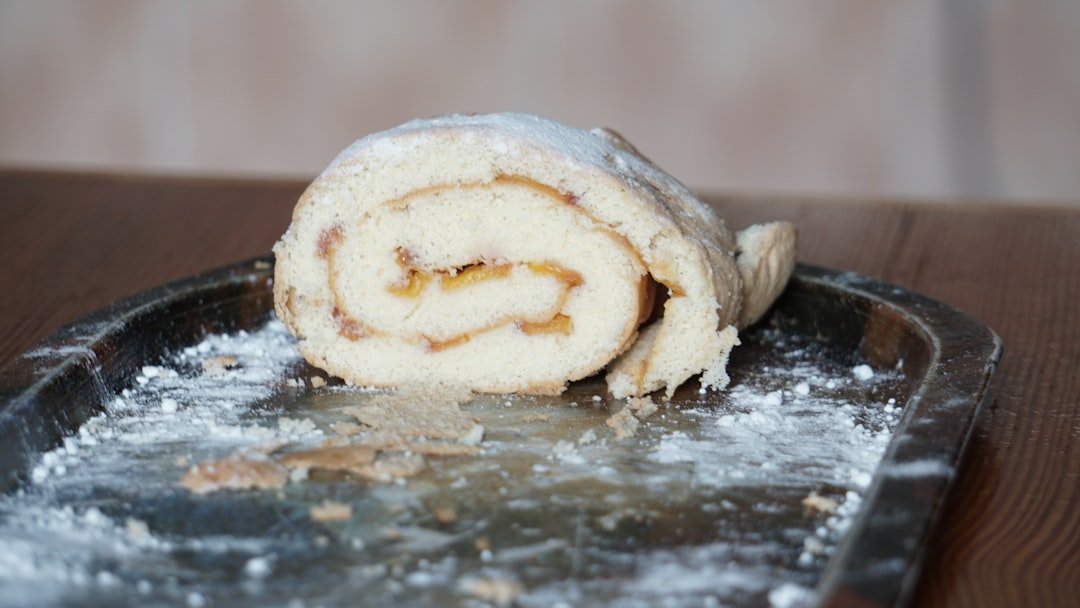
A cinnamon rolls frosting recipe without cream cheese gives you a smooth, sweet topping with simple pantry ingredients. Powdered sugar, melted butter, vanilla, salt, and a little milk or cream make a glaze that can be thick enough to spread or thin enough to drizzle. The key is adding the liquid gradually and frosting the rolls while they are warm rather than piping hot.
Quick Answer
Make cinnamon roll frosting without cream cheese by mixing confectioners’ sugar with melted butter, vanilla, salt, and enough milk or cream to make a smooth glaze. Use less liquid for a thick spread and more for a drizzle. Spoon it over warm, not piping-hot, rolls so it softens without disappearing.
At a Glance
| Difficulty | Easy |
| Tools Needed | Mixing bowl and whisk or flexible spatula |
Ingredients for Cinnamon Rolls Frosting Without Cream Cheese
A basic no-cream-cheese icing needs only a few ingredients. Confectioners’ sugar provides sweetness and structure, while butter adds richness. Milk or cream controls the consistency, vanilla supplies flavor, and a small amount of salt keeps the sweetness from tasting flat.
For about eight large cinnamon rolls, you can use the proportions found in King Arthur Baking’s vanilla cinnamon-roll icing as a reliable starting point:
- 1 1/2 cups confectioners’ sugar, sifted if lumpy
- 1 1/2 tablespoons melted butter
- 1/2 teaspoon vanilla extract
- A small pinch of salt
- 1 to 2 tablespoons milk, heavy cream, or buttermilk, added as needed
Milk makes a lighter glaze, while heavy cream gives the icing more body and richness. Buttermilk is useful when you want a little tang without adding cream cheese.
If you prefer an especially simple glaze, you can also omit the butter and mix powdered sugar with vanilla and just enough milk to make it pourable. The result will be thinner and less rich than a butter-based frosting.
How to Make Cinnamon Roll Frosting Without Cream Cheese
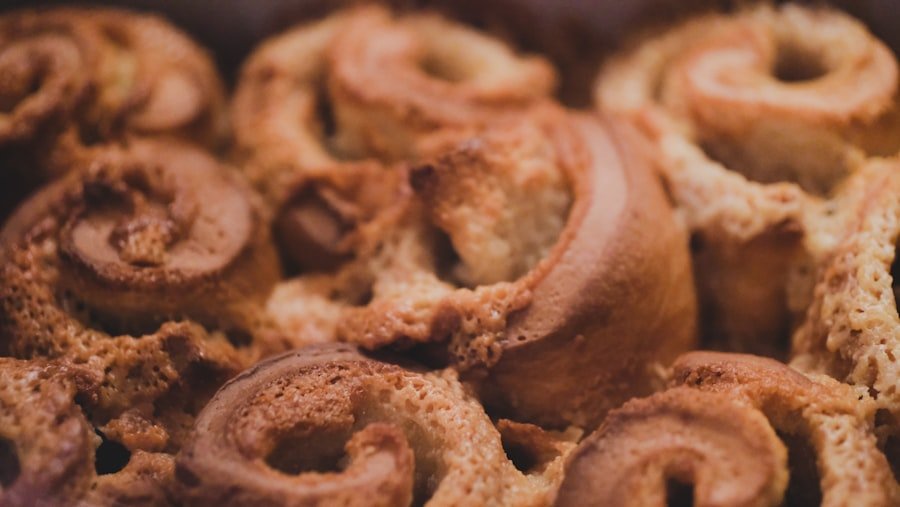
The method is simple, but adding the liquid slowly matters. Too much milk at once can turn a thick frosting into a runny glaze that is harder to correct.
- Sift the powdered sugar if needed. Breaking up lumps now makes the finished icing smoother.
- Combine the sugar, melted butter, vanilla, and salt. Stir with a whisk or flexible spatula. The mixture may look very thick at first.
- Add the milk or cream gradually. Start with the smaller amount and mix until smooth before adding more.
- Check the consistency. For spreadable frosting, it should fall slowly from the spoon. For a drizzle, add a little more liquid until it flows in a smooth ribbon.
- Frost slightly cooled rolls. Let very hot rolls cool briefly before adding the icing. Warm rolls soften the frosting and help it settle into the spirals without making all of it run off.
If the frosting becomes too thin, mix in more powdered sugar a little at a time. If it is too thick, add milk or cream in very small amounts and stir thoroughly before adding more.
Pro Tip: Decide whether you want a white, visible layer or a thinner glaze before frosting the rolls. Warmer rolls melt the icing more, while cooler rolls help it stay thicker and more opaque.
Tips for a Smooth, Creamy Cinnamon Roll Frosting
A good cinnamon roll frosting should be smooth rather than gritty or lumpy. Ingredient temperature, gradual mixing, and careful control of the liquid make the biggest difference.
| Tip | Description |
|---|---|
| Room Temperature Ingredients | Avoid very cold milk when mixing it with butter because similar ingredient temperatures make blending easier. |
| Gradual Mixing | Add the liquid gradually so you can stop as soon as the frosting reaches the texture you want. |
| High-Quality Ingredients | Use vanilla and butter whose flavor you enjoy because both are noticeable in such a simple icing. |
| Whipping Time | Whisk until no dry pockets or visible sugar lumps remain. A thicker butter-based version can be beaten longer for a lighter texture. |
| Adjusting Consistency | Add more sugar to thicken the frosting or a small amount of milk or cream to thin it. |
Sifting the powdered sugar is especially useful if it has formed hard lumps in storage. Start mixing gently so dry sugar does not scatter out of the bowl, then mix more firmly once the ingredients are moistened.
A common mistake is trying to fix thick frosting with too much milk at once. Add only a little, mix completely, and check again. Small adjustments give you much more control.
Variations and Additions
The basic vanilla frosting is easy to customize. Keep the sugar-to-liquid balance in mind when adding any new ingredient, especially liquids.
Maple or Almond Frosting
Replace some or all of the vanilla flavoring with maple or almond extract if you want a different aroma. Almond extract can taste strong, so add it conservatively and taste before adding more.
Citrus Frosting
A small amount of lemon or orange zest can brighten a very sweet glaze without making it noticeably thinner. Citrus juice can also add tang, but because it is liquid, reduce the milk accordingly.
Chocolate or Coffee Frosting
Cocoa powder can turn the vanilla icing into a chocolate topping. Espresso powder can add coffee flavor. Because dry additions can thicken the mixture, you may need a little more milk afterward.
Nutty or Textured Frosting
Finely chopped pecans, walnuts, or other nuts can be sprinkled over the frosted rolls. Adding them on top instead of mixing them into a thin glaze gives you more even coverage and keeps the icing easier to spread.
Classic Cream Cheese Version
If you decide you do want traditional cream cheese frosting, the original recipe used 8 ounces of softened cream cheese, 4 tablespoons of unsalted butter, 2 cups of powdered sugar, 1 teaspoon of vanilla, and about 1 to 2 tablespoons of milk or heavy cream.
Beat the cream cheese and butter until smooth, add the powdered sugar gradually, then mix in vanilla and enough liquid to reach the consistency you want. This version is richer and tangier than the no-cream-cheese glaze.
Serving Cinnamon Rolls with Frosting
Fresh cinnamon rolls are best frosted after the harshest oven heat has faded but while the rolls are still warm. The warmth softens the icing, helping it flow into the swirls and edges.
If you want the frosting to remain thick and clearly visible, let the rolls cool longer before spreading it on. If you prefer a thin glaze that sinks into the surface, apply it sooner.
Cinnamon rolls pair naturally with coffee, tea, or milk. For a brunch platter, fruit can add color and a fresh contrast to the sweet rolls. Chopped nuts can also provide extra crunch.
For a neater presentation, spread a thicker icing with a small spatula. For a casual drizzle, let the icing fall from a spoon in thin lines across the rolls.
How to Store Frosted Cinnamon Rolls
Storage depends partly on the frosting. Unfrosted rolls are simpler to keep at room temperature, while rolls topped with dairy-based frosting should be handled more cautiously.
FoodSafety.gov advises refrigerating perishable foods within two hours and keeping the refrigerator at 40°F (4°C) or below. If your icing contains milk, cream, cream cheese, yogurt, or another perishable dairy ingredient, refrigerating leftovers is the safer choice.
Warning: Do not leave cinnamon rolls with perishable dairy frosting sitting at room temperature for extended periods. Refrigerate leftovers promptly, especially in a warm kitchen.
Cover refrigerated rolls well so they do not dry out or absorb refrigerator odors. When you want to serve them again, warm the rolls gently rather than overheating the frosting.
For longer storage, freezing unfrosted rolls is usually more convenient. Wrap the cooled rolls well, freeze them, then thaw and warm them before adding fresh frosting. This also gives you better control over the icing texture.
Other Cream Cheese-Free Frosting Options
Skipping cream cheese does not limit you to one style of topping. You can choose a glaze, butter-based frosting, yogurt mixture, nut-butter topping, or coconut-based option depending on the flavor and texture you want.
Greek yogurt mixed with a sweetener can create a tangy topping, although it will taste lighter and less buttery than standard frosting. Because yogurt is perishable, keep finished rolls refrigerated when they are not being served.
Almond or cashew butter can be blended with powdered sugar, vanilla, and enough liquid to make a spreadable topping. This produces a noticeably nutty flavor, so it works best when that taste suits the cinnamon filling.
For a dairy-free option, use a suitable plant-based butter with non-dairy milk in the basic frosting. Coconut cream can also be whipped into a soft topping, though it will add its own coconut flavor.
A simple powdered-sugar glaze made with plant milk is often the closest dairy-free match to the basic recipe because it keeps the flavor focused on vanilla, sugar, and cinnamon.
A Short History of Cinnamon Rolls and Frosting
Cinnamon-flavored sweet breads have a long history, but the modern cinnamon bun is strongly associated with Sweden. According to Visit Sweden’s history of the kanelbulle, the cinnamon bun appeared after the First World War and became much more widely popular during the 1950s as ingredients became easier to obtain.
The heavily frosted American-style cinnamon roll should not be treated as identical to the traditional Swedish bun. Visit Sweden’s traditional kanelbullar recipe, for example, finishes the buns with egg wash and sugar rather than a thick frosting.
The exact moment when frosting became a standard cinnamon-roll topping is harder to document reliably. Instead of assigning it a doubtful date, it is more accurate to view vanilla glaze and cream cheese frosting as later styles that became closely associated with cinnamon rolls in North America.
Key Takeaways
- You do not need cream cheese to make rich cinnamon roll frosting; powdered sugar, butter, vanilla, salt, and milk or cream are enough.
- Add liquid gradually because changing the consistency is easier before the frosting becomes too thin.
- Frost warm rolls for a softer glaze or cooler rolls for a thicker, more visible layer.
- Refrigerate rolls topped with perishable dairy frosting rather than leaving them out for long periods.
Frequently Asked Questions
What is a cinnamon rolls frosting recipe without cream cheese?
A cinnamon rolls frosting recipe without cream cheese is a sweet icing made without cream cheese. A basic version combines powdered sugar, butter, vanilla, salt, and enough milk or cream to create a smooth consistency that can be spread or drizzled over warm cinnamon rolls.
What ingredients do you need for cinnamon roll frosting without cream cheese?
The basic ingredients are powdered sugar, butter, vanilla extract, salt, and milk or cream. The sugar forms the body of the icing, butter adds richness, and the liquid lets you adjust the texture from thick and spreadable to thin enough for drizzling.
How do you make cinnamon roll frosting without cream cheese?
Mix powdered sugar with melted butter, vanilla, and a pinch of salt, then add milk or cream gradually until smooth. Stop adding liquid when the icing reaches your preferred thickness. Spread or drizzle it over cinnamon rolls after the rolls have cooled slightly.
Can you make the frosting dairy-free?
Yes, you can make the frosting dairy-free by using a plant-based butter and a non-dairy milk such as oat, soy, almond, or coconut milk. Add the milk slowly because different products have different thicknesses, which can change how quickly the icing becomes pourable.
How do you thicken or thin cinnamon roll icing?
Add more powdered sugar to thicken cinnamon roll icing and add a small amount of milk or cream to thin it. Make each adjustment gradually and mix completely before adding more. This prevents the icing from swinging from too thick to too runny.
Should you frost cinnamon rolls while they are warm?
Yes, slightly warm cinnamon rolls work well because the icing softens and settles into the surface. Very hot rolls can make a thin frosting melt too quickly. Let the rolls cool longer if you want a thicker, whiter layer that stays clearly visible on top.
Enjoying Cinnamon Rolls with the Right Frosting
A simple no-cream-cheese frosting lets you control both flavor and texture without adding many ingredients. Start with powdered sugar, butter, vanilla, salt, and a small amount of milk, then adjust the consistency gradually.
For a soft glaze, frost the rolls while they are still warm. For a thicker layer, give them more time to cool. Once you know how to control those two variables, you can easily adapt the same basic frosting with maple, citrus, chocolate, nuts, or dairy-free ingredients.
Sources
- King Arthur Baking: No-cream-cheese cinnamon-roll icing ingredients, consistency, and application method.
- FoodSafety.gov: Refrigeration temperature and two-hour guidance for perishable foods.
- Visit Sweden: History and development of the Swedish cinnamon bun.
- Visit Sweden Cinnamon Buns Recipe: Traditional kanelbullar ingredients, preparation, and sugar topping.