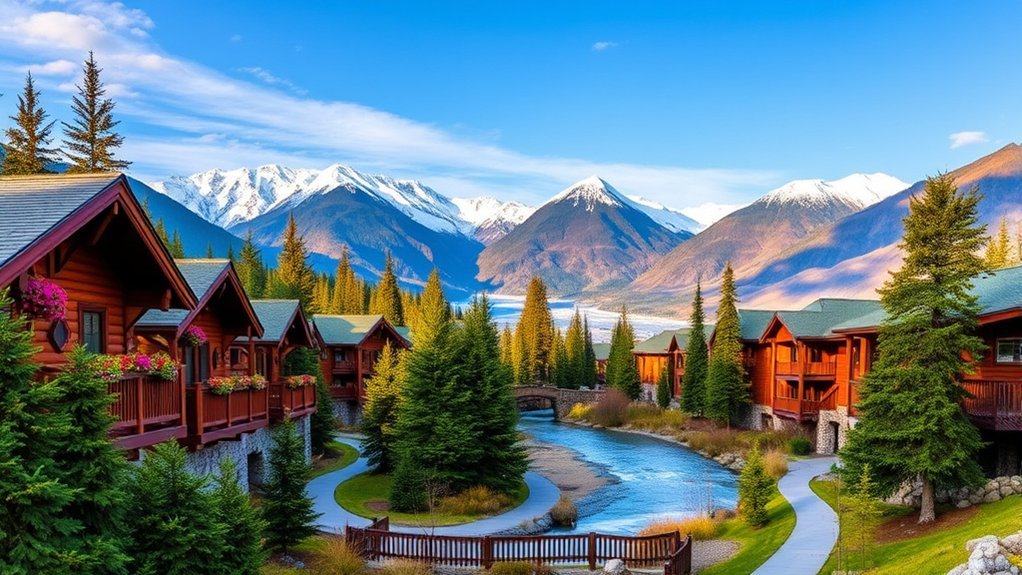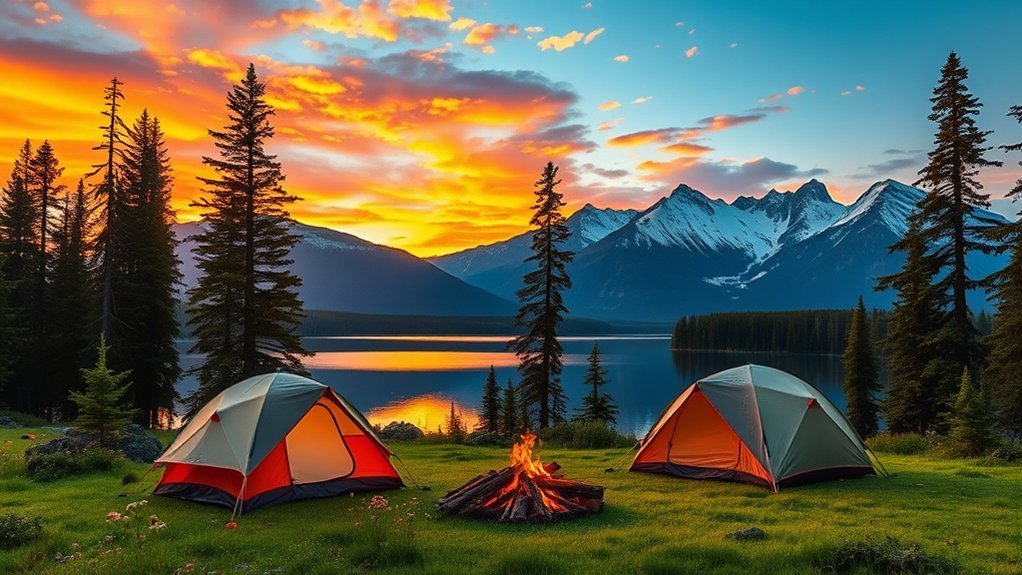
Camping in Alaska can mean pulling an RV into a developed campground, carrying a tent into trail-less tundra, or arriving at a coastal campsite by water taxi or kayak. Denali, the Kenai Peninsula, Wrangell-St. Elias, Katmai, and other destinations all offer very different experiences. The key is matching your campsite to your experience level, checking current access and regulations, and preparing for wildlife, cold water, fast-changing weather, and limited cell service.
Quick Answer
The best places for camping in Alaska range from road-accessible Denali and Kenai Peninsula campgrounds to remote sites in Wrangell-St. Elias, Katmai, and Gates of the Arctic. Summer is easiest for most visitors, but rules, permits, food-storage requirements, road access, and fire restrictions vary by park, so always check the managing agency before leaving.
Key Takeaways
- For easier first-time camping, choose an established campground such as Riley Creek in Denali or Quartz Creek on the Kenai Peninsula.
- Backcountry permit rules are not uniform: Denali requires permits for overnight backcountry trips, while several other Alaska national parks do not.
- Bear-resistant food storage, weatherproof clothing, treated drinking water, navigation tools, and a reliable emergency communication plan are essential in remote areas.
- Many developed campgrounds operate mainly from late spring through mid-September, while shoulder-season and winter camping demand more experience and self-sufficiency.
- Always check current road, campground, fire, wildlife, and weather conditions immediately before your trip.
How to Choose an Alaska Campground
Start by deciding how remote you really want to be. Alaska has everything from campgrounds near stores and paved roads to wilderness with no trails, toilets, potable water, or dependable phone service.
| Camping Style | Best For | What to Expect |
|---|---|---|
| Developed campground | Families, RV travelers, first-time Alaska campers | Defined sites and some combination of toilets, water, tables, fire rings, or nearby services |
| Walk-in or primitive campground | Campers comfortable carrying gear and using fewer amenities | Limited facilities, longer walks, and more responsibility for water and food storage |
| Boat-access coastal camping | Experienced paddlers or travelers using water taxis | Tides, cold water, changing marine weather, limited landing sites, and wildlife concerns |
| Backcountry wilderness camping | Experienced, self-sufficient travelers | Few or no facilities, difficult navigation, limited rescue access, and park-specific food-storage and permit rules |
Pro Tip: Do not choose a campsite only because it looks remote or scenic. Check the access method, road conditions, water source, food-storage rules, reservation system, and emergency communication options first.
Top Campgrounds in Denali National Park
Denali National Park offers several developed campgrounds with very different levels of access. According to the National Park Service campground guide, Riley Creek, Savage River, and Teklanika River can accommodate tents and RVs, while Sanctuary River and Igloo Creek are tent-only summer campgrounds reached by bus.
- Riley Creek Campground: Located near the park entrance and open year-round, it is the easiest Denali choice for visitors who want convenient access to the entrance area, buses, and nearby services. It accepts both tents and RVs.
- Savage River Campground: A summer campground farther along the park road that accepts tents and RVs. Wildlife can occasionally cause temporary closures, so check current conditions before arrival.
- Teklanika River Campground: A deeper park-road experience at Mile 29. Campers who drive their own vehicle to Teklanika must follow special vehicle restrictions, and a minimum three-night stay applies when driving to the campground.
- Sanctuary River and Igloo Creek: Smaller, tent-only options for travelers who want a quieter experience and are comfortable relying on bus access and more limited amenities.
2026 Note: Denali Park Road remains closed to visitor traffic beyond East Fork Bridge at Mile 43 during summer 2026 because of the Pretty Rocks project, and Wonder Lake Campground is closed. Check the current Denali conditions page before building your itinerary around park-road access.
Denali campground facilities also differ. The park states that none of its campgrounds have RV water or electrical hookups. Potable water is available at most open campgrounds, but Sanctuary River and Igloo Creek require campers to provide or treat their own water. Campfires are permitted only in established fire grates at certain campgrounds, including Riley Creek, Savage River, and Teklanika River.
Exploring the Kenai Peninsula: Campground Highlights
The Kenai Peninsula combines glacier-fed lakes, forests, coastal scenery, fishing areas, and road-accessible campgrounds. It is one of the easier parts of Alaska for visitors who want dramatic scenery without committing immediately to deep backcountry travel.
The Kenai Peninsula gives campers an unusually broad choice: developed forest campgrounds, waterfront camping near Seward, and boat-access wilderness around Kachemak Bay.
- Quartz Creek Campground: This Chugach National Forest campground sits between Kenai Lake and Quartz Creek near Cooper Landing. It provides established sites for tents and RVs, drinking water, toilets, picnic facilities, and boat access. See the Chugach National Forest campground information.
- Kachemak Bay State Park: There is no road access. Visitors generally arrive by boat, water taxi, or aircraft from the Homer area. Camping ranges from shoreline and backcountry sites to public-use cabins. Alaska State Parks warns that much of the park is undeveloped and that cell service may be unavailable. Check the official Kachemak Bay State Park page before traveling.
- Seward municipal campgrounds: These are useful for travelers who want waterfront scenery while remaining close to restaurants, fuel, stores, and other town services. Reservations and campground policies can change, so confirm them with the City of Seward before arrival.
Other Forest Service options around Kenai Lake include Trail River, Primrose, and Ptarmigan Creek. Choosing among them depends on your RV size, desired facilities, reservation availability, and whether you want immediate lake, trail, or river access.
The Best Camping Options in Wrangell-St. Elias National Park
Wrangell-St. Elias is not organized around a simple network of six developed campgrounds. Instead, campers encounter a mix of one established NPS campground, primitive roadside camping areas, walk-in NPS camping areas, private campgrounds, public-use cabins, and an enormous backcountry.
- Kendesnii Campground: Located along Nabesna Road, this NPS campground has ten campsites, picnic tables, fire rings, and vault toilets. The park describes it as first-come, first-served and free. It is one of the simplest choices for visitors who want an established site inside the park.
- Nabesna Road primitive sites: Several roadside areas provide primitive camping opportunities, but facilities vary and road conditions can deteriorate. Creek crossings farther along Nabesna Road can become difficult after prolonged rain or during runoff.
- Jumbo Creek Campground: This primitive NPS camping area is reached on foot beyond Kennecott. It has no conventional campground amenities, although bear boxes are available. Natural water must be treated before drinking.
- McCarthy and Kennecott area: Private businesses offer camping along McCarthy Road and near the Kennicott River Bridge. Do not assume a site labeled “McCarthy campground” is an NPS-operated campground.
- Root Glacier area: Primitive camping opportunities exist near the Root Glacier access area, but the glacier and moraine environment requires caution. Conditions near glaciers can change quickly.
Backcountry camping is a major part of the Wrangell-St. Elias experience. A standard backcountry camping permit is not required, but the park recommends leaving a detailed itinerary with a responsible person. Bear-resistant food containers are required for backcountry camping. Review the Wrangell-St. Elias permit information and current backcountry guidance before departure.
Warning: Wrangell-St. Elias contains extremely remote terrain with limited cell coverage, few maintained backcountry trails, difficult river crossings, and long emergency-response times. A map and GPS should not be your only communication plan; consider a satellite messenger or personal locator beacon for remote trips.
Family-Friendly Camping Options in Alaska
Family camping in Alaska is easiest when you choose established sites with predictable access, toilets, nearby drinking water, and short activities. A remote wilderness trip that works well for experienced adults may not be appropriate for young children.
Top Family Campgrounds
- Denali National Park: Riley Creek is convenient for families because it is close to the entrance area, while summer ranger programs can add structured wildlife, history, and nature activities.
- Kenai Peninsula: Developed Forest Service campgrounds such as Quartz Creek provide easier vehicle access and facilities while keeping families close to lakes, trails, and wildlife-viewing opportunities.
- Denali State Park: K’esugi Ken offers developed RV and walk-in sites, trails, and an interpretive area, making it a practical alternative for families traveling the Parks Highway.
- Chugach-area campgrounds: Alaska State Parks and Chugach National Forest operate several road-accessible campgrounds where families can combine camping with short hikes, picnics, or fishing.
Kid-Friendly Activities
Short hikes, ranger programs, wildlife viewing from safe distances, lakeside picnics, nature journaling, and supervised fishing can give children plenty to do without turning every day into a strenuous backcountry expedition. Keep activities flexible because rain, wind, cold temperatures, smoke, wildlife activity, or trail conditions can change plans quickly.
Stargazing can be excellent once darker nights return, but midsummer daylight lasts late into the night across much of Alaska. If seeing stars or the aurora is an important goal, plan around seasonal darkness rather than assuming every summer camping trip will include a dark night sky.
Safety Tips for Families
- Stay together: Children should remain close to adults in bear and moose country, around rivers, and near steep terrain.
- Store food and scented items correctly: Follow the campground or park’s required bear-storage method. Food, trash, toiletries, and other scented items should never be left unsecured in a tent.
- Dress in layers: Carry insulating layers and waterproof outerwear even when the day starts warm.
- Use life jackets around cold water: Alaska’s lakes, rivers, and coastal waters can be dangerously cold even in summer.
- Carry first-aid supplies: Include medications, blister care, wound supplies, and any child-specific essentials.
Remote Camping: Off the Beaten Path
Remote camping in Alaska can deliver extraordinary solitude, but it also removes many of the safety nets available at developed campgrounds. Some destinations have no designated campsites, maintained trails, road access, or reliable cell service. Backcountry travelers should be comfortable navigating, treating water, storing food securely, managing weather exposure, and changing plans when conditions deteriorate.
| Location | Key Features |
|---|---|
| Wrangell-St. Elias | Huge wilderness, glaciers, primitive routes, limited services |
| Kenai Fjords | Coastal kayak camping, fjords, landing beaches, tides and cold water |
| Gates of the Arctic | No designated campsites, trail-less tundra, highly self-sufficient travel |
| Katmai | Brown-bear country, volcanic landscapes, wilderness camping |
| Denali State Park | Roadside campgrounds plus backcountry hiking and Alaska Range views |
Gates of the Arctic deserves special attention because the National Park Service states that there are no designated campsites. Visitors are encouraged to receive a backcountry orientation before entering the park. Kenai Fjords presents a different challenge: much of its backcountry camping is along remote coastal fjords, where suitable landing beaches, tides, wind, cold water, and food storage all influence campsite choice.
Essential Gear for Camping in Alaskan Wilderness
Alaska’s weather, wildlife, cold water, and long distances make reliability more important than packing the lightest possible kit. Your exact equipment will depend on whether you are car camping, backpacking, boating, or traveling on glaciers, but the following items cover the basics.
- Weather-resistant shelter: Use a tent suitable for expected wind, rain, and temperatures, with a dependable rainfly and secure stakes.
- Insulated sleep system: Bring a sleeping bag or quilt appropriate for the expected nighttime temperatures plus an insulated sleeping pad.
- Water treatment: Carry a filter, purifier, boiling method, or approved treatment appropriate to your destination. Do not assume clear-looking surface water is safe to drink.
- Waterproof layers: Pack a rain jacket, rain pants, insulating layers, dry socks, gloves, and a warm hat.
- Navigation tools: Carry an appropriate map and know how to use it. GPS is useful but should not replace route planning or backup navigation.
- Emergency communication: A satellite messenger or personal locator beacon can be valuable where cell service is absent.
- Bear-safe food storage: Carry the container or storage system required by the park or land manager.
- Bear spray where permitted and appropriate: Keep it immediately accessible and learn how to deploy it before entering bear country.
- First-aid and repair supplies: Include enough equipment to manage common injuries and basic gear failures until help is available.
- Insect protection: Head nets and repellent can make a significant difference during mosquito-heavy periods.
Note: A phone with an offline map is useful, but it is not a dependable emergency device in areas without cellular coverage. Keep critical route details, emergency contacts, and navigation information available offline.
Wildlife Encounters: What to Expect While Camping
Wildlife is one of the biggest attractions of camping in Alaska, but species vary greatly by region. Campers may see moose, black bears, brown bears, caribou, Dall sheep, wolves, eagles, sea otters, seals, and other wildlife depending on the destination.
Watch animals from a safe distance rather than approaching for photographs. A moose can become dangerous if it feels crowded, especially around calves. Bears may defend food, cubs, or carcasses. Never place yourself between an adult animal and its young, and never approach a carcass that may have a bear nearby.
Bear spray is designed as an emergency defensive tool against an aggressive or attacking bear. The National Park Service bear-safety guidance recommends EPA-approved bear spray where appropriate and emphasizes that it is not a general repellent. Do not spray it on your tent, clothing, or body.
Safety Tips for Camping in Alaska
Safe Alaska camping depends on preparation rather than simply carrying more equipment. Wildlife, river crossings, cold water, rough roads, limited communications, wildfire, and rapidly changing weather can all alter a trip.
Wildlife Encounters Preparedness
- Learn which bears and other large animals live in the area before your trip.
- Keep food, trash, toiletries, and other scented items secured according to local regulations.
- Make your presence known when traveling through brush or areas with poor visibility rather than surprising wildlife at close range.
- Keep bear spray accessible instead of buried inside a backpack when traveling where it is recommended and legal.
- Give bears and moose room to move away. Never deliberately approach wildlife for a photograph.
- Know that bear-attack responses differ by species and circumstances; review current park-specific guidance before entering bear country.
Warning: Never keep food or scented toiletries unsecured inside your sleeping tent in bear country. Some Alaska parks require approved bear-resistant containers, and requirements can be stricter than ordinary campground practice.
Weather and Environment Awareness
Prepare for rain, wind, cold nights, and sudden temperature changes even during summer. Dress in layers, keep insulation dry, and carry waterproof outer layers. Check the local forecast and official park conditions before leaving, then continue watching the sky and terrain while traveling.
Coastal campers also need to understand tides and landing conditions. River travelers should be cautious around swift, silty, glacier-fed water. Glaciers, snowfields, steep scree, and unbridged streams can require specialized skills that ordinary campground experience does not provide.
Leave a trip plan with a responsible person for any remote outing. Include your route, campsite or general travel area, transportation provider if relevant, emergency contacts, and the time when someone should seek help if you fail to return.
Campfire Cooking Tips for Outdoor Chefs
Campfire cooking can be one of the pleasures of camping, but a fire is not permitted everywhere in Alaska. Local restrictions can change with wildfire danger, and some campgrounds prohibit fires entirely. A camp stove is often more reliable and creates less impact.
Good camp cooking starts with planning: know the fire rules, control food odors, and choose meals that are simple to prepare and clean up.
- Use cast-iron cookware where practical: It handles steady heat well for car camping, though its weight makes it unsuitable for most backpacking trips.
- Prepare ingredients ahead of time: Pre-portioning meals reduces food scraps, cooking time, and cleanup at camp.
- Use one-pot meals: They simplify washing and reduce the amount of scented cooking equipment that must be stored securely afterward.
- Keep a camp stove available: Do not depend on an open fire as your only cooking method.
- Clean immediately: Secure leftovers, packaging, garbage, cookware, and other scented items according to local bear-storage rules.
Best Times to Camp in Alaska: Seasonal Insights
For most visitors using developed campgrounds, late May through early September is the most practical camping period. Exact opening dates vary by location, snowmelt, staffing, road access, water systems, and weather.
- Late May to June: Long daylight hours make hiking and driving easier. Some higher trails may still hold snow, nights can be cold, and mosquitoes begin becoming active in many areas.
- July to August: This is the main camping season across much of the state, with the broadest campground access and visitor services. Popular campgrounds may require advance reservations.
- September: Cooler temperatures, fewer visitors, autumn color, and darker nights can be attractive, but campground services begin shutting down and snow is possible in some areas.
- October through spring: Developed-campground availability becomes much more limited. Winter and early-spring camping require stronger cold-weather skills, careful access planning, and equipment suited to freezing temperatures and snow.
Do not assume that a park being “open year-round” means its roads, campgrounds, visitor centers, water systems, buses, and other services operate year-round. Check the specific facility rather than relying only on the park’s overall operating status.
Reservations, Permits, and Campground Rules
Camping rules in Alaska depend on who manages the land. National parks, national forests, state parks, municipal campgrounds, wildlife refuges, and private operators can all have different reservation systems and stay limits.
- Denali: Developed campground reservations are strongly recommended during summer, and a free permit is required for overnight backcountry trips.
- Wrangell-St. Elias: Ordinary backcountry hiking and camping do not require a backcountry permit, although some large-group and other activities have additional rules.
- Gates of the Arctic: No permit is required simply to enter the park, but NPS recommends a backcountry orientation and voluntary trip registration.
- Katmai: Wilderness camping outside the Brooks Camp restricted zone generally does not require a wilderness camping permit, while Brooks Camp Campground operates under its own reservation system.
- Alaska State Parks: Some sites are reservable while others are first-come, first-served. Check the specific campground and current open-status page.
Pro Tip: Recheck your campground’s official page a few days before departure and again when you have service near the destination. Wildlife activity, fire danger, flooding, road damage, construction, or staffing can change access after you make a reservation.
Leave No Trace and Protecting Alaska Campsites
Remote Alaska environments can recover slowly from repeated camping. Use established campsites where required or available, avoid creating new fire rings, pack out trash, and follow local rules for disposing of human waste. In tundra and other fragile environments, choose durable surfaces rather than crushing vegetation.
Do not feed wildlife intentionally or accidentally. Food-conditioned bears and other animals can become dangerous to future visitors as well as to themselves. Keep camp clean, secure scented items, and inspect the area for food scraps before leaving.
Frequently Asked Questions
What permits are required for camping in Alaska’s national parks?
There is no single Alaska-wide national-park rule. Denali requires a free permit for overnight backcountry camping, while ordinary backcountry camping in Wrangell-St. Elias does not require a permit. Gates of the Arctic does not require a permit to enter, and Katmai generally does not require a permit for wilderness camping outside the restricted Brooks Camp area. Always check the specific park before departure.
Are campfires allowed in all campgrounds across Alaska?
No. Fire rules depend on the campground and current wildfire conditions. Even within Denali, fires are allowed in established grates at some campgrounds and prohibited at others. Check posted rules and current fire restrictions, and carry a camp stove rather than depending on an open fire for cooking.
What wildlife safety precautions should I take while camping?
Store food, garbage, toiletries, and other scented items according to local bear-storage rules. Give bears and moose plenty of space, make your presence known in areas with poor visibility, and learn current park-specific bear guidance. Where bear spray is allowed and recommended, keep it accessible and know how to use it.
How do weather conditions vary across different regions of Alaska?
Conditions vary greatly with latitude, elevation, and distance from the ocean. Coastal areas can be wet, windy, and cool, while Interior Alaska experiences larger temperature swings. Mountains can create colder and more severe local conditions. Check the forecast for your exact destination rather than relying on a statewide forecast.
Can I camp year-round in Alaska, or are there seasonal restrictions?
Backcountry or walk-in camping is possible year-round in some places, but many developed campgrounds, roads, water systems, and visitor services are seasonal. Winter camping can involve deep snow, extreme cold, limited daylight, and difficult road access, so it requires appropriate skills and equipment.
Do I need to reserve Alaska campgrounds in advance?
It depends on the campground. Popular Denali and municipal sites can fill during summer, while some Alaska State Parks and primitive campgrounds remain first-come, first-served. If your schedule is fixed, reserve eligible sites early and verify the cancellation and check-in rules.
Is cell service reliable at Alaska campgrounds?
No. Service can be weak or completely absent outside towns and major highways. Download maps and essential information before leaving service, leave a trip plan with someone responsible, and consider a satellite messenger or personal locator beacon for remote travel.
Can I drink water directly from Alaska lakes and streams?
Do not assume untreated surface water is safe simply because it looks clean. Use potable campground water where available, or treat natural water using an appropriate filter, purifier, boiling method, or treatment system recommended for your destination.
Sources
- National Park Service — Denali Campgrounds — campground access, facilities, fire rules, RV restrictions, and seasonal operation.
- National Park Service — Denali Current Conditions — 2026 Park Road closure, bus access, and Wonder Lake Campground status.
- National Park Service — Wrangell-St. Elias Permits and Reservations — backcountry permit requirements and public-use cabin information.
- Alaska State Parks — Kachemak Bay State Park — access, camping, wildlife, activities, and remote-travel considerations.
- National Park Service — Staying Safe Around Bears — bear encounters and bear-spray guidance.
- National Park Service — Gates of the Arctic Camping — wilderness camping and the absence of designated campsites.