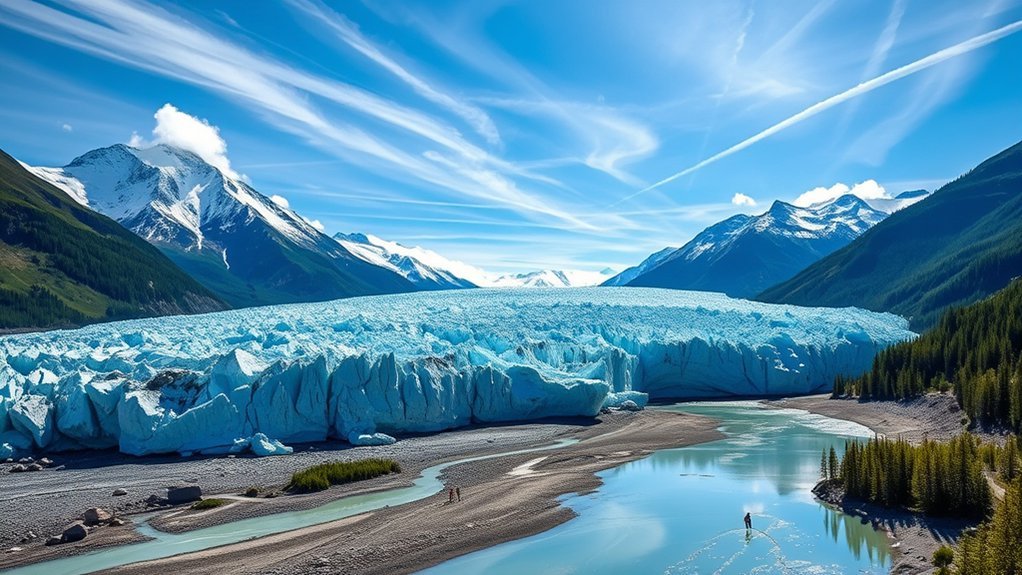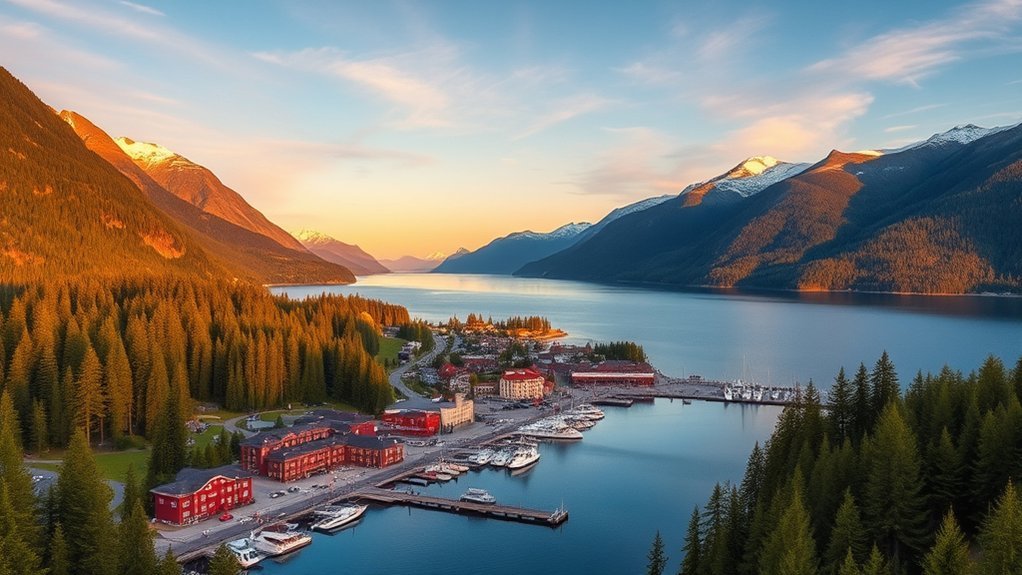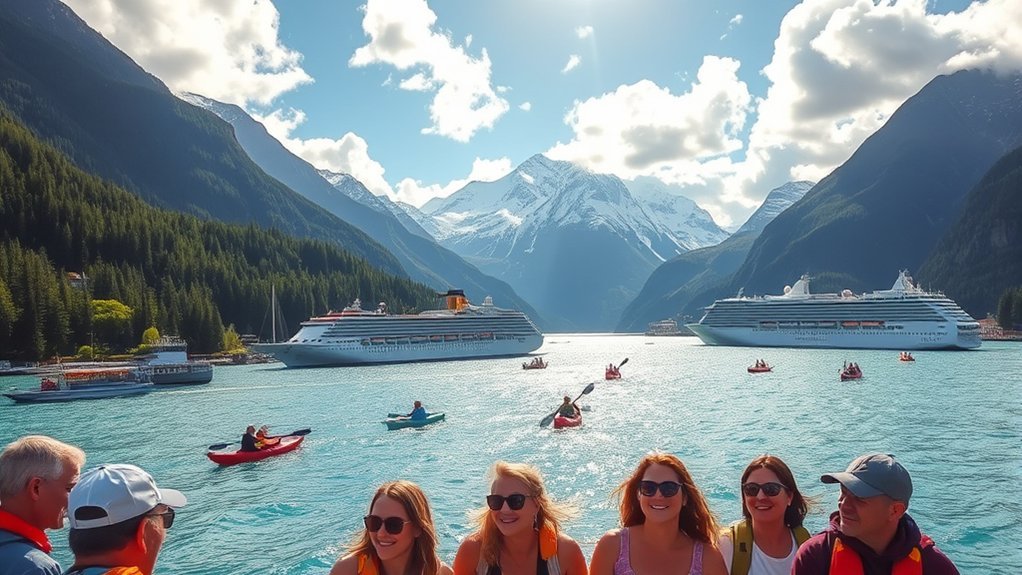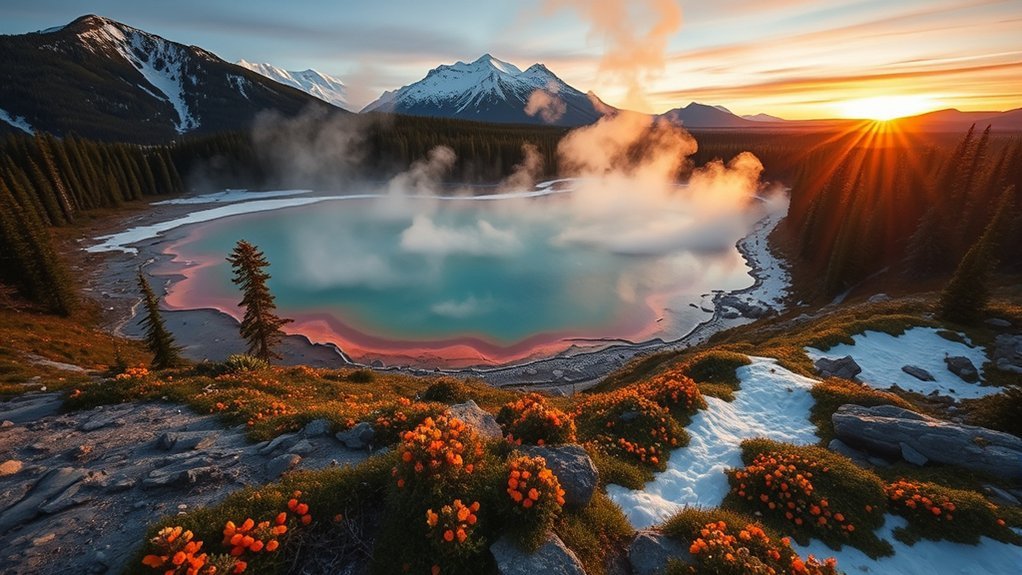
Alaska’s hot springs range from a developed resort near Fairbanks to isolated bathhouses reached only by trail, boat, snowmobile, or small plane. Chena is the easiest choice for most visitors, while Manley, Tolovana, Serpentine, and Goddard offer increasingly remote experiences. The right destination depends on your season, transportation, budget, and backcountry skills.
Quick Answer
Chena Hot Springs is the best all-around Alaska hot spring because you can drive or take a shuttle from Fairbanks and use developed facilities year-round. Choose Manley for a quieter road trip, Tolovana for a demanding trail adventure, Serpentine for an expedition, or Goddard for a boat-access coastal soak.
Key Takeaways
- Chena Hot Springs is the most accessible option and has pools, showers, changing facilities, food, lodging, and a Fairbanks shuttle.
- Manley Hot Springs is a private destination about 156 miles by road from Fairbanks; confirm soaking access before driving there.
- Tolovana Hot Springs requires reservations or paid day access and a roughly 10-mile backcountry trip each way.
- Serpentine and Goddard have no ordinary road access and require careful air or water transportation planning.
- Hours, prices, trail conditions, charters, and facility rules can change, so verify every part of a remote trip before leaving.
Overview of Alaska’s Hot Springs
Alaska’s geothermal springs are spread across a vast area. Some feed managed pools with changing rooms and lodging, while others have only a basic bathhouse or an informal soaking area. “Natural” does not always mean untouched: several destinations use spring water in constructed tubs to provide safer or more comfortable soaking.
Warm water may help you relax after a long drive or hike, but mineral water should not be treated as a proven cure for pain or illness. Water chemistry, temperature, sanitation, ownership, and operating rules differ at every site.
At a Glance
| Chena Hot Springs | Best for first-time visitors and families. Drive or reserve a shuttle from Fairbanks. Developed pools, lodging, food, showers, and changing rooms are available. |
| Manley Hot Springs | Best for a quieter Interior Alaska road trip. About 156 miles from Fairbanks at the end of the Elliott Highway. Private access must be confirmed. |
| Tolovana Hot Springs | Best for experienced hikers and winter travelers. A 10.1-mile trail leads to rustic cabins and tubs. Reservations or paid day use are required. |
| Serpentine Hot Springs | Best for a fully planned expedition. Located in Bering Land Bridge National Preserve and reached by foot, boat, small plane, or snowmobile. |
| Goddard Hot Springs | Best for a coastal adventure from Sitka. The city-owned site is about 16 miles south of Sitka and requires boat or floatplane arrangements. |
Best Hot Springs in Alaska
Chena Hot Springs: Best for Easy Access
Chena Hot Springs Resort is approximately 60 road miles from Fairbanks. You can drive there or use the resort’s reservable shuttle. The trip normally takes about 1.5 to 2 hours, depending on weather and road conditions.
The official Pool House page listed daily hours of 7:00 a.m. to 11:45 p.m. when checked in September 2026. Listed day-pass prices were $20 for adults ages 18–59, $18 for seniors, $17 for children ages 6–17, and free for children five and younger. Prices and hours can change, so check again before traveling.
The outdoor natural hot-springs lake is restricted to guests 18 and older. Families can use the indoor heated pool and designated hot tubs, subject to current supervision rules. Facilities include showers, changing areas, lockers, and optional towel service. The resort also has lodging, dining, activities, and a year-round ice museum.
Note: Day visitors do not need to stay overnight at Chena. If you do not want to drive, reserve the Fairbanks–Chena shuttle early because seats and pickup times are limited.
Manley Hot Springs: Best for a Quiet Road Trip
Manley Hot Springs sits at the end of the Elliott Highway, about 156 miles by road from Fairbanks. According to Travel Alaska, the community is known for privately managed, spring-fed soaking facilities and its historic roadhouse.
This is not a public roadside pool. Contact the current operator and confirm soaking availability, price, arrival time, lodging, food service, and house rules before making the long drive. Bring fuel, food, water, and an emergency kit because services become limited beyond the main Fairbanks area.
Tolovana Hot Springs: Best for Backcountry Adventure
Tolovana offers rustic cabins and soaking tubs in a remote Interior Alaska setting. Its main access route is a 10.1-mile trail from near Mile 93 of the Elliott Highway. Reaching the springs and returning to the trailhead creates a trip of more than 20 miles.
The trail includes long climbs and descents. Summer travelers may encounter wet, boggy ground, while winter visitors can face deep cold, wind, poor visibility, and changing snow conditions. People travel by foot, skis, snowshoes, skijoring teams, or snowmachines when conditions and rules allow. Air access may also be arranged.
Cabin use requires advance booking and payment. Day visitors must also arrange and pay for access before arriving. Review current rules through Tolovana Hot Springs reservations.
Pro Tip: Treat Tolovana as an overnight backcountry journey, even if you plan to return the same day. Carry emergency shelter, extra insulation, food, water, navigation tools, and a satellite communication device.
Serpentine Hot Springs: Best for an Expedition
Serpentine Hot Springs lies inside Bering Land Bridge National Preserve on the Seward Peninsula. There is no normal road connection. The National Park Service lists access by foot, boat, small airplane, or snowmobile.
The site has a bathhouse, bunkhouse, and outhouse, but visitors must be self-sufficient. Small-plane travel depends on weather, pilot judgment, communication, and the physical condition of the airstrip. Delays are normal in remote Alaska, so carry extra supplies and avoid building a tight same-day schedule around a charter flight.
Goddard Hot Springs: Best Coastal Option
Goddard Hot Springs is on Baranof Island, roughly 16 miles south of Sitka. The City and Borough of Sitka owns the property, which has two cedar bathhouses with soaking tubs. There is no road from Sitka, so visitors normally arrange a boat, water taxi, or floatplane.
Confirm transportation in both directions, including pickup times and weather-cancellation terms. Coastal wind, fog, waves, and mechanical trouble can delay a return. Bring dry layers, rain protection, food, water, and enough emergency supplies to wait safely.
How to Get There: Access and Transportation
- Commercial flight: Fairbanks is the usual gateway for Chena, Manley, and Tolovana. Sitka is the gateway for Goddard, while Nome is a common starting point for Serpentine arrangements.
- Rental vehicle: A vehicle works for Chena and Manley and takes you to the Tolovana trailhead. Confirm whether the rental agreement permits travel on gravel or remote highways.
- Resort shuttle: Chena operates scheduled transportation from selected Fairbanks locations with advance booking.
- Air charter: Remote sites may require a small-plane operator familiar with local landing conditions.
- Boat or water taxi: Coastal hot springs require marine transportation and flexible weather planning.
- Trail travel: Tolovana and other backcountry sites require suitable navigation, clothing, emergency equipment, and realistic turnaround times.
Before driving, review live closures, warnings, and surface reports through Alaska 511. Tell someone where you are going, how you are traveling, who is with you, and when they should request help if you do not return.
Best Time to Visit Alaska Hot Springs
There is no single best month for every spring. Choose your season according to access and the experience you want:
- Late May through early September: Longer daylight makes road trips, marine travel, and most hiking easier. Some backcountry routes remain wet or boggy.
- Late August through March: Darker nights can improve aurora-viewing opportunities in Interior and northern Alaska, but cold, snow, and limited daylight increase risk.
- Midwinter: Steam, snow, and dark skies create a memorable setting at developed sites such as Chena. Remote travel requires genuine winter experience and redundant equipment.
- Spring breakup and autumn freeze-up: Mud, unstable ice, storms, and rapidly changing trails can make remote access difficult.
The best season is the one that matches your transportation and outdoor skills—not simply the month with the warmest forecast.
What to Pack
At a developed resort, bring a swimsuit, sandals, towel, water bottle, and warm clothes for the walk back indoors. Remote destinations require much more:
- Warm, waterproof layers and a complete dry clothing set
- Extra food, drinking water, and a way to treat additional water
- Offline maps, compass, headlamp, and spare batteries
- First-aid kit and personal medication
- Emergency shelter, fire-starting supplies, and repair tools
- Bear-safe food storage and locally appropriate wildlife protection
- Satellite messenger or personal locator beacon
- Trash bags so everything you carry in can be carried out
Tips for a Memorable Experience
Confirm the destination’s status shortly before departure, even if you made a reservation months earlier. Ask about water temperature, age restrictions, changing facilities, towels, food, payment methods, and whether soaking is shared or scheduled.
At remote springs, keep your visit simple. Avoid soaps, shampoos, lotions, and glass near the water. Do not move rocks, block water channels, damage plants, carve structures, or leave food and trash behind. Keep voices low and give other visitors reasonable personal space.
Photography is welcome only when it respects other bathers. Ask before including strangers in a photo, and keep phones or cameras away when privacy could be compromised.
Safety and Etiquette Guidelines
Warning: The CDC advises that hot-tub water should not exceed 104°F (40°C). Chena currently reports that its outdoor lake averages about 106°F. Ask staff about conditions, use a cooler facility when necessary, take short breaks, and leave immediately if you feel dizzy, weak, nauseated, confused, or unusually sleepy.
- Avoid alcohol and drugs: They can increase drowsiness, poor judgment, overheating, and drowning risk.
- Ask a clinician when appropriate: Pregnant visitors and people with heart, blood-pressure, circulation, or heat-sensitivity concerns should seek medical advice before using very hot water. Some medications also affect heat tolerance.
- Supervise children continuously: Rules differ by site. Young children overheat faster, and Chena’s outdoor hot-springs lake is restricted to adults 18 and older.
- Stay hydrated: Drink water before and after soaking, but do not rely on hydration to prevent all heat illness.
- Do not soak alone: This is especially important at an unstaffed or remote site.
- Protect broken skin: Do not enter untreated water with open cuts, infected skin, or a recent surgical wound.
- Keep your head above untreated water: Do not swallow spring water, and keep water out of your nose and mouth.
- Test before entering: Natural pools may contain dangerously hot areas. Check the temperature and follow every posted rule.
- Shower where facilities are provided: A pre-soak shower helps keep developed pools cleaner.
- Pack out all waste: Food scraps, wipes, and biodegradable products still damage remote sites.
Frequently Asked Questions
What is the best time of year to visit Alaska’s hot springs?
Visit from late May through early September for long daylight and generally easier road, boat, and trail travel. Choose late August through March if aurora viewing is a priority, but prepare for cold and changing winter conditions. Always match the season to the specific destination and access route.
Which Alaska hot spring is easiest to visit?
Chena Hot Springs is the easiest for most travelers. It is about 60 road miles from Fairbanks and offers a reservable shuttle, day passes, changing facilities, showers, food, and lodging.
Are there entrance fees for Alaska hot springs?
It depends on the destination. Chena sells day passes, Tolovana requires a reservation or paid day-use access, and privately managed Manley facilities set their own terms. A spring without an entrance fee can still require costly transportation, lodging, or charter services.
Can I bring food or drinks to the hot springs?
Do not assume that food is allowed beside a pool. Check the operator’s rules, use designated eating areas, and never bring glass near the water. At backcountry sites, store food safely, protect it from wildlife, and pack out every scrap.
Are children allowed in Alaska’s hot springs?
Rules vary. Chena allows children in its family facilities with adult supervision, but its outdoor natural hot-springs lake is limited to guests 18 and older. Confirm the exact age, temperature, and supervision policy with every operator before visiting.
What amenities are available?
Chena has changing rooms, showers, lockers, pools, lodging, dining, and activities. Manley and Tolovana offer more limited private or rustic facilities. Serpentine has a bathhouse, bunkhouse, and outhouse, while other remote springs may have no staff, potable water, phone service, or emergency assistance.
Can I visit an Alaska hot spring from Anchorage in one day?
Not conveniently. The best-known hot springs are far from Anchorage and often require a flight to Fairbanks, Sitka, or Nome followed by driving, marine transportation, trail travel, or a charter. Plan at least one overnight stay and more time for remote destinations.
Sources
- Chena Hot Springs Resort Pool House — current hours, prices, facilities, temperatures, and age rules.
- Chena Hot Springs Transportation — distance, travel time, reservations, and Fairbanks shuttle service.
- Travel Alaska: Manley Hot Springs — location, road distance, private pools, and local facilities.
- Tolovana Hot Springs Access — trail distance and permitted travel methods.
- National Park Service: Serpentine Hot Springs — access methods, facilities, and airstrip considerations.
- Centers for Disease Control and Prevention — hot-tub temperature and water-safety guidance.