Alaska Car Rental Tips
What’s in This Article
- Understanding Vehicle Availability in Alaska
- Choosing the Right Rental Company
- Essential Insurance Options for Renters
- The Case for 4WD Vehicles in Alaska
- Navigating Alaska’s Unique Driving Conditions
- Tips for Fueling and Maintenance on the Road
- Exploring Popular Routes and Destinations
- Frequently Asked Questions
Alaska rewards good planning, but it can punish a rushed car rental choice fast. Rental cars often book up in busy travel months, and long drives can include gravel roads, wildlife, rain, snow, and little cell service. Use this guide to choose the right vehicle, review insurance options, plan fuel stops, and drive with more confidence.
Quick Answer
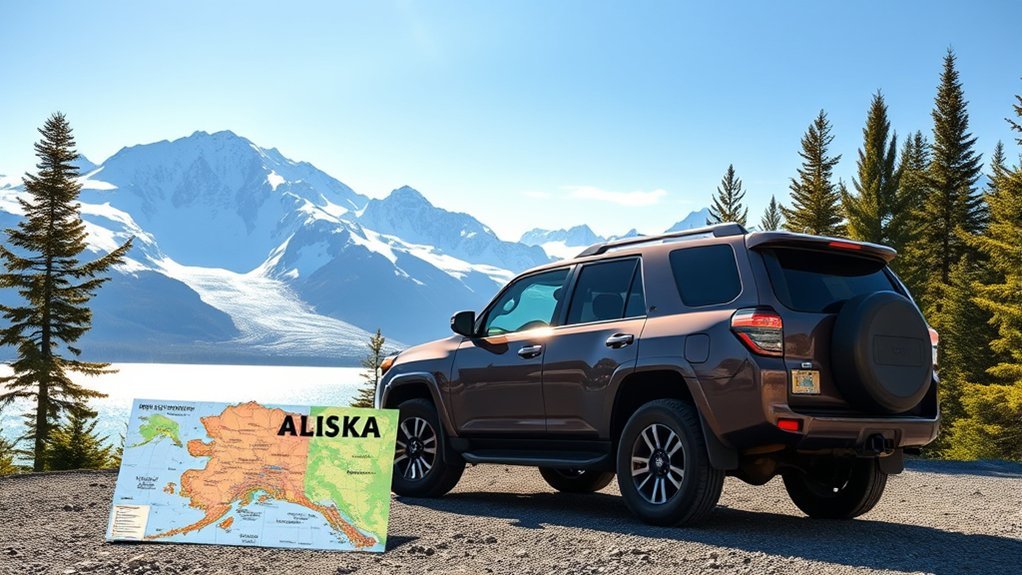
Book your Alaska rental car early, especially if you plan to travel during peak visitor months. Choose a vehicle that matches your route, not just your budget. A standard car can work for city and highway trips, but a sport utility vehicle or 4-wheel drive vehicle may help on rougher roads, snowy routes, or remote drives.
Key Takeaways
- Reserve your rental car early if you need a larger vehicle or a 4-wheel drive model.
- Read the rental agreement before you drive on gravel roads or into remote areas.
- Check insurance choices with your rental company, credit card provider, and personal auto policy.
- Fuel up before long rural drives because gas stations can sit far apart.
- Pack for weather changes, wildlife delays, and areas with weak cell service.
Understanding Vehicle Availability in Alaska
Vehicle availability can shape your whole Alaska trip. Rental cars can face high demand during peak visitor months, so book early when your dates, route, and group size are set.
Anchorage and Fairbanks usually give you more choices than smaller towns and remote pickup points. You may find fewer large sport utility vehicles, vans, and specialty vehicles in places with limited rental fleets.
Your route should guide your choice. If you’ll stay on paved highways near major towns, a standard car may work well. If you’ll drive in snow, visit rougher areas, or carry outdoor gear, a larger vehicle may make the trip easier.
Choosing the Right Rental Company
Start by comparing rental companies that serve your exact pickup and drop-off points. Check customer reviews for vehicle condition, billing clarity, shuttle service, and roadside help.
Don’t choose by the lowest daily rate alone. Look for what the price includes, such as mileage terms, extra driver rules, roadside support, airport fees, and cancellation terms.
Read the fuel, deposit, and late-return policies before you book. Ask direct questions if your route includes gravel roads, ferries, remote towns, or national park access.
Pro tip: Save your rental confirmation, roadside help number, and rental agreement offline before you leave the city.
Essential Insurance Options for Renters
Insurance options can feel confusing, but you should review them before you sign. Your personal auto policy or credit card may offer some rental coverage, but terms can vary by vehicle type, road type, and location.
Choosing the right rental company and coverage can reduce stress during your Alaska drive.
- Collision Damage Waiver (CDW): This can reduce what you owe if the rental vehicle gets damaged.
- Liability Insurance: This helps cover damage or injury claims involving other people, vehicles, or property.
- Personal Accident Insurance: This can help cover medical costs for you and your passengers after a rental-car accident.
- Personal Effects Coverage: This may cover some items stolen from the rental car, subject to limits and exclusions.
Ask the rental company what each option covers and excludes. Pay close attention to gravel-road rules, off-road restrictions, windshield damage, tire damage, underbody damage, and towing costs.
The Case for 4WD Vehicles in Alaska
A 4-wheel drive vehicle can help in parts of Alaska, but you don’t need one for every trip. Match the vehicle to your season, route, comfort level, and rental contract.
Many paved routes work well with a standard car in good weather. A sport utility vehicle or 4-wheel drive vehicle can help when you expect snow, steep grades, rough parking areas, muddy pullouts, or long gravel stretches.
Terrain Challenges
Alaska roads can shift from smooth pavement to gravel, frost heaves, potholes, and construction zones. A capable vehicle can give you better clearance and traction on tougher routes.
- Mud and Slush: Wet surfaces can reduce grip and make braking less predictable.
- Rocky Roads: Uneven surfaces can stress tires, wheels, and low vehicle parts.
- Remote Areas: Some scenic roads sit far from repair shops, fuel stations, and cell coverage.
Check your rental agreement before driving on unpaved roads. Some companies restrict certain highways, gravel roads, beaches, or off-road areas.
Weather Conditions
Alaska weather can change fast, even during a single drive. Rain, fog, wind, snow, and ice can reduce visibility and make road surfaces harder to judge.
A 4-wheel drive vehicle can improve traction, but it doesn’t shorten stopping distance on ice. Drive slower than normal, leave more space, and avoid sudden steering or braking.
Warning: Never treat 4-wheel drive as permission to drive faster in snow, rain, fog, or ice.
Navigating Alaska’s Unique Driving Conditions
Alaska’s scenic drives can still demand patience and focus. Watch for wildlife, road work, gravel, narrow shoulders, frost heaves, and sudden weather changes.
- Slow down near wildlife crossing areas, especially around dawn and dusk.
- Watch for ice patches in shaded spots, mountain areas, and early or late season travel.
- Download maps because remote areas may have weak or no cell service.
- Keep headlights on when weather reduces visibility.
- Leave more following distance behind trucks, buses, and recreational vehicles.
Don’t rush long drives. Alaska distances can feel longer than they look on a map because weather, wildlife, road repairs, and photo stops can slow you down.
Tips for Fueling and Maintenance on the Road
Fuel planning matters on Alaska road trips. Gas stations can sit far apart outside major towns, and some rural stations may keep shorter hours.
Try to refuel before the tank drops below one-quarter full. This simple habit gives you more margin if weather, road work, or closures delay your route.
Fuel Types Explained
Most rental cars use regular unleaded gasoline, while some trucks, vans, and larger vehicles may use diesel. Check the fuel cap, dashboard label, or rental agreement before you fill up.
- Regular Unleaded: Most standard rental cars use this common fuel type.
- Premium Gasoline: Some higher-performance vehicles require it, so confirm before fueling.
- Diesel Fuel: Some trucks and larger sport utility vehicles use diesel, not gasoline.
Using the wrong fuel can damage the vehicle and create costly delays. If you’re unsure, call the rental company before you pump.
Routine Maintenance Checklist
You don’t need to service a rental car yourself, but you should still watch for basic problems. Report warning lights, tire issues, fluid leaks, cracked glass, or strange sounds right away.
| Maintenance Task | When to Check | What to Do |
|---|---|---|
| Tire Pressure | Before long drives | Ask the rental company if a tire looks low |
| Warning Lights | Every time you start the car | Call the rental company before driving farther |
| Windshield Wipers | Before wet or snowy routes | Request help if they streak or skip |
| Fuel Level | Each day | Refuel before the tank drops below one-quarter full |
Exploring Popular Routes and Destinations
Alaska gives you many memorable drives, but each route needs a plan. Check road conditions, weather, park access, and fuel stops before you leave.
Consider these popular destinations:
- Seward Highway: This route follows Turnagain Arm and gives you mountain, water, and glacier views.
- Denali National Park: This park offers mountain views, wildlife viewing, hiking, and bus-based access into protected areas.
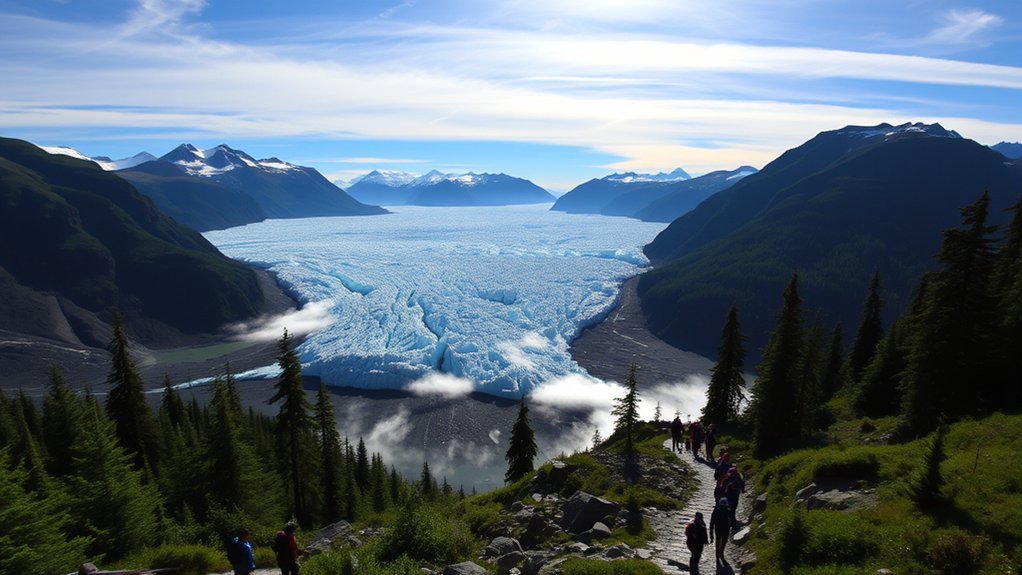
- Glacier Bay National Park: Many visitors experience this area by boat or cruise because road access remains limited.
Stop often, take photos from safe pullouts, and give yourself time for delays. The best Alaska rental car trip balances freedom with careful planning.
Note: Some national parks and remote areas use shuttle, bus, boat, or flight access instead of normal rental-car access.
Frequently Asked Questions
What Is the Minimum Age to Rent a Car in Alaska?
Many rental companies require drivers to be at least 21 years old. Some companies charge young-driver fees for renters under 25, so check the exact policy before booking.
Can I Rent a Car One-Way in Alaska?
Many rental companies offer one-way rentals between select Alaska locations. Expect limited availability and possible drop-off fees, especially during busy travel periods.
Are There Any Additional Fees for Young Drivers?
Young-driver fees often apply to renters under 25. The fee can vary by company, vehicle class, and pickup location, so review the full price before you reserve.
Is It Possible to Add an Extra Driver to My Rental?
Yes, most rental companies allow extra drivers. The extra driver usually needs a valid driver’s license and may need to appear at the counter.
What Should I Do if My Rental Car Breaks Down?
Move to a safe place, turn on your hazard lights, and contact the rental company’s roadside assistance number. Don’t attempt major repairs yourself unless the rental company tells you to do so.
Can I Drive a Rental Car on Gravel Roads in Alaska?
Some rental companies allow certain gravel roads, while others ban them or restrict specific routes. Read your agreement before you drive because violations can affect coverage and fees.
Insurance and Safety Disclaimer: This article is for informational purposes only and does not provide professional insurance, legal, or safety advice. Always review your rental contract and speak with your rental company, insurer, or credit card provider before making coverage decisions.
The best Alaska rental car choice starts with your route, season, and comfort level. Book early, read the rental terms, and choose a vehicle that fits the roads you plan to drive. Keep fuel, weather, and cell coverage in mind before long rural stretches. With a clear plan, you’ll spend less time worrying and more time enjoying Alaska’s wide-open views.