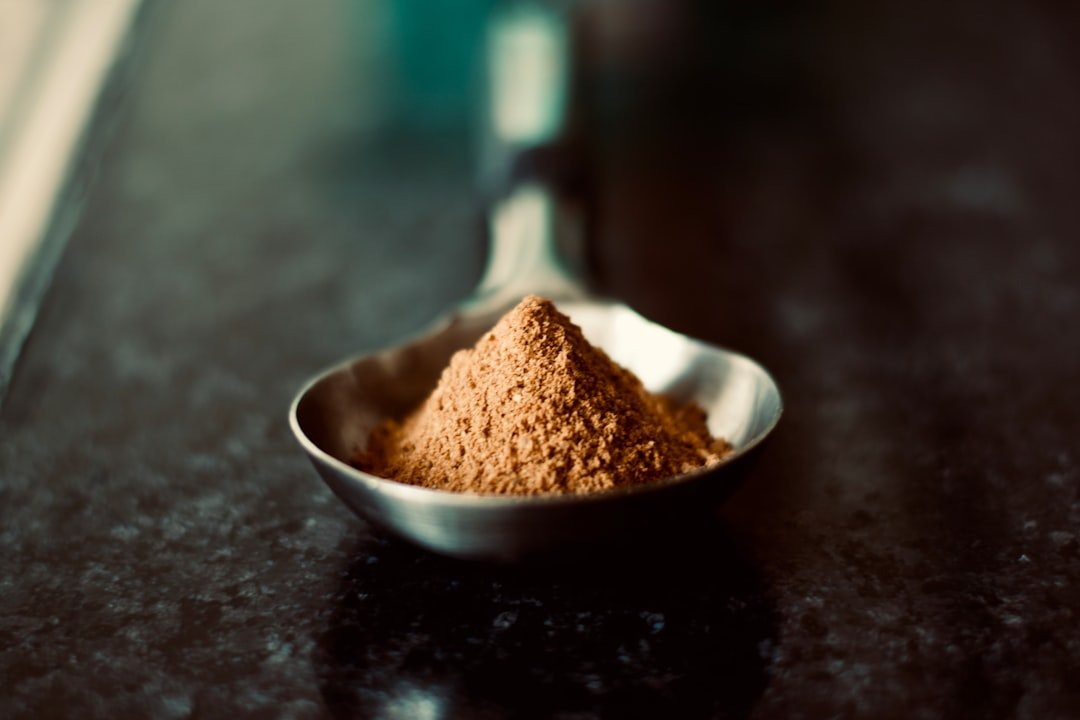
White cocoa powder sounds like a pale version of regular cocoa powder, but the name is not that simple. “White cocoa powder” is not a single standardized cocoa product, and sellers may use the phrase for powdered white chocolate, cocoa butter powder, or a flavored drink mix. The ingredient list therefore matters more than the marketing name.
Quick Answer
White cocoa powder is not a single standardized cocoa product. In practice, the label may refer to powdered white chocolate, a sweet drink mix, or pure powdered cocoa butter. Those products behave very differently from regular cocoa powder, so check the ingredient list before baking, making drinks, or choosing a substitute.
Last checked: October 2, 2026. Dates and figures were verified against official sources.
Key Takeaways
- Regular cocoa powder is made from cocoa cake and contains the dark, flavorful nonfat cocoa solids associated with chocolate.
- White chocolate powder normally contains cocoa butter, sugar, and milk ingredients rather than ordinary cocoa powder.
- Pure powdered cocoa butter is mostly fat and cannot replace regular cocoa powder cup for cup.
- Nutrition varies sharply between products, so antioxidant, mineral, and weight-loss claims should not be assumed from the words “white cocoa powder.”
- For baking or drinks, follow the ingredient list and the manufacturer’s directions instead of relying on the product color alone.
What Is White Cocoa Powder?
White cocoa powder is best understood as a non-standard marketing term rather than one defined type of cocoa. The name can appear on products with very different ingredients, so two packages labeled similarly may behave differently in a recipe.
Standard cocoa powder is made from cocoa cake after part of the cocoa butter has been separated from cocoa mass. The international Codex standard for cocoa powders defines cocoa powder as a product obtained by turning cocoa cake into powder. That process leaves the dark cocoa solids responsible for much of cocoa’s color and flavor.
The term “white cocoa powder” does not appear as a separate cocoa-powder category in that standard. In stores, the name may instead describe white chocolate that has been powdered, a beverage mix designed to taste like white chocolate, or cocoa butter that has been processed into a powder.
White Cocoa Powder vs Regular Cocoa Powder
The main difference is composition. Regular cocoa powder contains nonfat cocoa solids, while products described as white cocoa powder may contain cocoa butter, milk solids, sugar, flavorings, or a combination of these rather than conventional cocoa powder.
Under the U.S. standard of identity for cocoa, cocoa contains at least 10% but less than 22% cacao fat by weight. White chocolate follows a separate standard and contains cacao fat without the nonfat cacao solids that give ordinary cocoa its dark color.
| Product Label | What It Means for Cooking |
|---|---|
| Regular cocoa powder | Provides dark color, concentrated cocoa flavor, cocoa solids, and some cocoa butter. |
| White chocolate powder | Usually supplies sweetness, cocoa-butter richness, and milk flavor rather than the bitter cocoa flavor of regular powder. |
| Powdered cocoa butter | Primarily contributes fat and cocoa-butter properties, not the cocoa solids needed for ordinary chocolate flavor. |
| White chocolate drink mix | May contain sugar, milk ingredients, starches, flavorings, vegetable fat, or real white chocolate, depending on the brand. |
| “White cocoa powder” | Read the ingredients first. The name alone does not tell you whether the product is white chocolate, cocoa butter, or a flavored mix. |
How to Use White Cocoa Powder in Baking
How you use white cocoa powder depends entirely on what the package contains. A sweetened white chocolate powder can add sweetness and creaminess, while pure powdered cocoa butter mainly adds fat and changes texture.
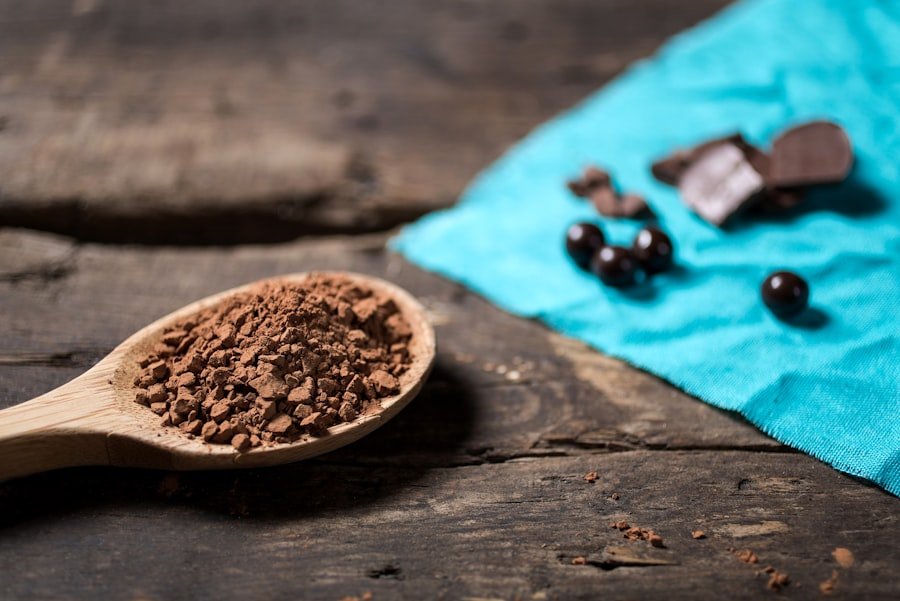
For that reason, do not automatically replace regular cocoa powder with a white product in equal amounts. Regular cocoa powder contributes dry cocoa solids, bitterness, color, and structure that white chocolate powder or cocoa butter powder may not provide.
- For cakes and cookies: use a white chocolate powder only when the recipe can accommodate its added sugar, milk solids, and fat.
- For frostings and fillings: a white chocolate powder may work well because sweetness and creamy flavor are usually desirable.
- For chocolate tempering: use a product specifically sold as powdered cocoa butter rather than a beverage mix.
- For color-sensitive desserts: a pale white chocolate powder can add white-chocolate flavor without the brown color of conventional cocoa.
For example, Callebaut Mycryo is 100% cocoa butter in micro-powder form. Callebaut recommends it for chocolate tempering as well as cooking applications, which makes it very different from a sweetened white chocolate drink powder.
Does White Cocoa Powder Have Health Benefits?
There is no single health profile for white cocoa powder because the term covers products with very different formulas. A cocoa-butter powder, a sugar-heavy beverage mix, and powdered white chocolate can have completely different amounts of fat, sugar, protein, minerals, and cocoa compounds.
Research on cocoa flavanols should not automatically be applied to white chocolate powders. A review of cocoa-flavanol research notes that flavanol levels vary widely among cocoa products and can change during processing.
That distinction matters because U.S. regulations define white chocolate as containing at least 20% cacao fat, at least 14% total milk solids, and at least 3.5% milkfat, while containing no nonfat cacao solids. Those nonfat solids are where many cocoa flavanols are found.
Note: If you are choosing a product for diabetes management, food allergies, heart-health goals, or another medical reason, use the Nutrition Facts panel and ingredient list rather than relying on the product name. A registered dietitian or other qualified clinician can help with individual dietary needs.
Where to Buy White Cocoa Powder
You may find products labeled white cocoa powder at specialty baking stores, café suppliers, confectionery shops, online marketplaces such as Amazon, and some larger grocery stores. Availability varies because the name is not tied to one standardized formulation.
Before buying, check the first few ingredients. Sugar and milk powder near the top usually indicate a sweetened white chocolate or beverage product. Cocoa butter as the only ingredient points to powdered cocoa butter, while vegetable fat, starches, creamers, and flavorings suggest a formulated drink mix.
Also check allergen information. Many white chocolate powders contain milk, and some are manufactured on equipment that also handles soy, nuts, or other allergens.
White Cocoa Powder vs Dark Chocolate
White cocoa powder and dark chocolate are not direct alternatives. Dark chocolate contains nonfat cocoa solids plus cocoa butter, while white-chocolate-based powders rely mainly on cocoa butter, milk ingredients, and sugar for their flavor and texture.
This is why dark chocolate tastes more intensely chocolatey and is usually brown, while white chocolate has a creamy, buttery, milk-forward flavor. The exact nutrition difference depends on the products being compared, especially their cocoa percentage, sugar content, and serving size.
If your goal is strong chocolate flavor, regular cocoa powder or dark chocolate is the better match. If you want a pale color and a sweeter cocoa-butter flavor, a genuine white chocolate powder may make more sense.
Recipes to Try Using White Cocoa Powder
White cocoa powder works best in recipes that match the particular product you own. Sweetened white chocolate powder is most useful in desserts and drinks, while pure cocoa butter powder serves a more technical role in chocolate work and cooking.

White Chocolate Macadamia Cookies
A sweetened white chocolate powder can reinforce the creamy flavor of white chocolate in macadamia cookies. Because the powder may already contain sugar and milk solids, adjust an existing recipe only when you know the product’s composition rather than replacing flour or cocoa powder blindly.
White Chocolate Frosting
White chocolate powder can work well in buttercream or cream-cheese frosting when the product is designed for culinary use. Add it gradually and taste before adding extra sugar, since many powders are already heavily sweetened.
White Chocolate Mousse
A genuine powdered white chocolate product can bring cocoa-butter and milk flavor to mousse. However, a flavored beverage mix may contain starches or stabilizers that change the final texture, so use the manufacturer’s directions when possible.
The History Behind White Cocoa and White Chocolate
The history of these products begins with cacao rather than with a special white cocoa bean. The Smithsonian’s history of chocolate traces cacao cultivation and chocolate use to Mesoamerica, where cacao beans were valued for food, drink, trade, and ceremony.
Modern white chocolate developed much later. Nestlé records the launch of Milkybar in 1936, an early mass-market white chocolate made around cocoa butter and milk ingredients rather than dark cocoa solids.
In the United States, the FDA established a formal standard of identity for white chocolate in 2002, with the rule taking effect in 2004. That history helps explain the modern distinction: cocoa powder comes from cocoa cake and retains cocoa solids, while white chocolate is built around cocoa butter without nonfat cacao solids.
Tips for Storing White Cocoa Powder
Storage depends on the actual formulation, but most dry chocolate powders benefit from being sealed tightly and kept cool and dry. Moisture can cause clumping, while heat can damage texture and shorten quality.
Keep the original package instructions because products with milk powder, sugar, cocoa butter, starches, or vegetable fats may have different shelf-life requirements. Avoid storing an opened powder near strongly scented foods because fat-containing powders can pick up unwanted odors.
Do not assume that every white powder has the same shelf life as regular cocoa. Use the printed best-before or expiration date and discard the product if it develops an unusual odor, visible moisture, mold, or other signs of spoilage.
White Cocoa Powder in Drinks and Beverages
White chocolate powders are widely used in hot chocolates, mochas, frappes, smoothies, and other café-style drinks. They usually dissolve more easily when first mixed with a small amount of warm liquid before the rest of the milk or water is added.
A Barry Callebaut product specification for Van Houten Ground White Chocolate for Drinks, for example, lists sugar, whole milk powder, cocoa butter, skimmed milk powder, and natural vanilla flavoring. Its directions use 35 g of powder with 200 ml of milk and specify milk no hotter than 70°C.
That formula illustrates why the ingredient label matters. A white chocolate drink powder is a prepared confectionery ingredient, not simply regular cocoa with its color removed.
How to Choose a White Cocoa Powder Product
The best product is the one that matches what you are making. Instead of shopping by the phrase “white cocoa powder” alone, identify whether you need white chocolate flavor, a café drink mix, or pure cocoa butter.
- For white mochas and hot drinks: choose a product specifically formulated as white chocolate powder or drinking chocolate.
- For baking: look for an ingredient list that fits the recipe’s sugar, milk, and fat balance.
- For tempering chocolate: choose pure powdered cocoa butter such as a product specifically sold for tempering.
- For allergies or dietary restrictions: read both the ingredients and precautionary allergen statements.
The original distinction between brands also needs care. Callebaut’s documented Mycryo product is powdered cocoa butter, while Barry Callebaut’s Van Houten line includes a powdered white chocolate drink product. Those are different ingredients with different uses, even though both are pale cocoa-derived powders.
Frequently Asked Questions
What is white cocoa powder?
White cocoa powder is not one standardized type of cocoa powder. The term may describe powdered white chocolate, a white chocolate drink mix, or powdered cocoa butter. Check the ingredient list to identify the product before using it in a recipe.
How is white cocoa powder made?
There is no single manufacturing method because the name can refer to different products. Powdered white chocolate is made from white-chocolate ingredients, while powdered cocoa butter is processed cocoa butter. Regular cocoa powder, by contrast, is made by grinding cocoa cake after part of the cocoa butter has been removed.
What are the uses of white cocoa powder?
Uses depend on the formulation. White chocolate powders can flavor hot drinks, mochas, frostings, cookies, mousses, and other desserts, while pure powdered cocoa butter is better suited to chocolate tempering and fat-based cooking applications.
Is white cocoa powder the same as regular cocoa powder?
No. Regular cocoa powder contains dark nonfat cocoa solids and some cocoa butter, while a product sold as white cocoa powder may contain white chocolate, cocoa butter, milk ingredients, sugar, or flavorings. Their taste, color, fat level, sweetness, and baking behavior can therefore be very different.
Can white cocoa powder replace regular cocoa powder?
Usually not as a direct one-to-one substitute. Regular cocoa powder supplies dry cocoa solids, bitterness, color, and structure, while white chocolate powders often add sugar, milk solids, and fat. Use a substitution only when the recipe or product manufacturer specifically supports it.
Sources
- Electronic Code of Federal Regulations, 21 CFR 163.113: U.S. standard of identity and cacao-fat range for cocoa.
- Codex Standard for Cocoa Powders and Dry Mixtures of Cocoa and Sugars: definition and composition categories for cocoa powder.
- Electronic Code of Federal Regulations, 21 CFR 163.124: U.S. composition requirements for white chocolate.
- PubMed: Cocoa Flavanols Review: variability of flavanol content and evidence relating to cocoa-derived products.
- Callebaut Mycryo: composition and uses of powdered cocoa butter.
- Van Houten Ground White Chocolate Product Specification: ingredients, drink directions, nutrition, and storage information.
- Nestlé Milkybar: documented 1936 launch and white-chocolate history.
- Smithsonian Institution: The Power of Chocolate: historical background on cacao and chocolate in Mesoamerica.