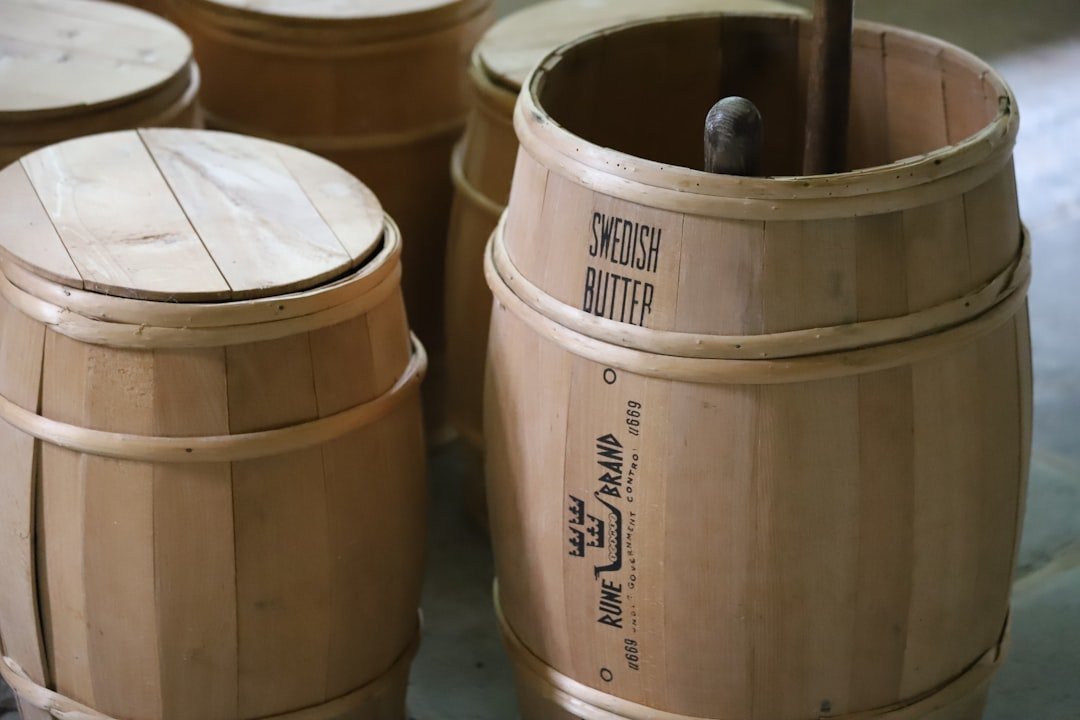
Two gallon pots are a useful middle ground for container gardening. They are compact enough for patios, balconies, windows, and small yards, yet they hold enough growing medium for many herbs, flowers, leafy vegetables, and selected compact crops. Their main limitation is root space, so choosing plants that actually fit the container is just as important as watering or fertilizing them correctly.
Quick Answer
A 2-gallon pot works best for compact herbs, many annual flowers, leafy greens, beans, carrots, peas, and some small-fruited or compact vegetables. Use a lightweight potting mix, make sure the container has drainage holes, water thoroughly when the upper mix begins to dry, and move vigorous plants into larger pots when roots become crowded.
Key Takeaways
- A pot sold as a nursery “2 gallon” or #2 container may not hold exactly two U.S. gallons.
- Compact plants are better matches than standard tomatoes, cucumbers, or other large, thirsty crops.
- Drainage holes matter; a gravel layer under the potting mix does not improve drainage.
- Small containers dry and lose nutrients faster than garden beds, so moisture and feeding need regular attention.
- When roots become densely crowded or growth slows despite good care, the plant may need a larger pot.
What Is a 2 Gallon Pot, and Why Use One?
A true 2-gallon container holds about 7.57 liters because one U.S. gallon equals 3.785412 liters. However, the label on a nursery pot does not always describe its exact liquid capacity.
The American Standard for Nursery Stock explains that nursery container classes cover ranges of acceptable volumes rather than one exact gallon measurement. If exact soil volume matters, check the manufacturer’s stated capacity instead of relying only on a “2 gallon” or “#2” label.
For gardeners, the main advantage is convenience. Two gallon pots are easier to move than large planters, so you can reposition them for light, weather protection, or a new garden layout. They also fit spaces where an in-ground bed or large container would be impractical.
The extra growing medium compared with very small pots gives roots more room and provides a larger moisture reserve. Even so, a 2-gallon pot is still a relatively small root zone. Large or fast-growing plants can become root-bound, dry out quickly, or produce less than they would in a larger container.
Choosing the Right Soil for 2 Gallon Pots
Use a lightweight container growing mix rather than dense garden soil. Good potting media must hold moisture while leaving enough pore space for air and drainage.
The University of Maryland Extension notes that commercial soilless mixes commonly contain materials such as sphagnum peat moss, perlite, vermiculite, composted bark, compost, or coconut coir. These materials create a lighter root environment than ordinary garden soil.
Peat moss, coir, vermiculite, and compost can help retain moisture. Perlite and coarse bark help maintain air spaces. The exact mix does not need to contain every ingredient, but it should feel loose rather than heavy, sticky, or compacted.
Before filling the pot, moisten very dry potting mix so water can penetrate it evenly. Add the mix loosely instead of packing it down. Leave some space below the rim so you can water thoroughly without washing growing medium over the edge.
Compost can contribute nutrients and improve moisture retention, but container plants may still need fertilizer as the season progresses. If the packaged mix already contains fertilizer, read its label before adding more.
Selecting the Best Plants for 2 Gallon Pots
The best plants for 2 gallon pots have relatively modest root systems or compact growth habits. Herbs, salad crops, small annual flowers, and selected vegetables generally make better use of this space than large, vigorous crops.
Container-size recommendations vary somewhat among extension services because cultivar, climate, container depth, and growing conditions affect how much root space a plant needs. For dependable results, it makes sense to use conservative minimums for demanding crops.
Plants That Fit Well
Good candidates include compact herbs such as basil, cilantro, thyme, mint, oregano, tarragon, and marjoram. Many marigolds, petunias, and other compact annual flowers also adapt well to containers this size.
For vegetables, a 2-gallon container can work for bush beans, carrots, peas, leafy greens, radishes, and Swiss chard, depending on the planting depth and number of plants. Cherry or compact tomatoes may also be possible when the cultivar is suited to containers.
The University of Maryland Extension container-size guide lists 2 gallons as a minimum for bush beans, carrots, and cherry tomatoes. It recommends larger containers for many heavier-feeding crops.
Plants That Usually Benefit From More Space
Standard tomatoes, cucumbers, peppers, eggplants, cabbage, and summer squash generally perform more reliably in larger containers. A larger root volume holds more water and nutrients and gives vigorous plants room to develop.
This distinction matters because a plant may survive in a small container without performing well. If your goal is strong growth and a useful harvest, choose the container for the mature plant rather than for the small seedling you start with.
Providing Adequate Drainage in 2 Gallon Pots
| Drainage Check | What to Look For |
|---|---|
| Drainage Holes | Open holes that let excess water escape |
| Potting Mix | Loose, airy media rather than compact garden soil |
| Bottom Layer | No gravel or stones beneath the growing mix |
| After Watering | Excess water exits instead of pooling around roots |
Every conventional 2-gallon pot should have a way for excess water to drain. Without drainage, air spaces in the growing medium can remain filled with water, depriving roots of oxygen and increasing the risk of root problems.
If a plastic or suitable wooden container has no drainage opening, add drainage holes before planting. Decorative containers without holes are better used as outer cachepots, with the plant kept in a draining inner pot that can be removed for watering.
Do not put gravel, stones, or broken pot pieces under the potting mix to improve drainage. Illinois Extension’s container drainage guidance explains that a coarse bottom layer can leave a saturated zone in the potting mix above it rather than making water drain faster.
If a drainage hole is large enough for growing medium to wash through, cover the hole with a piece of porous screen or similar material. The covering should hold the mix in place without blocking water flow.
Watering Techniques for 2 Gallon Pots
Water based on the plant and the moisture in the pot, not on a fixed calendar. A 2-gallon container can dry much faster than a garden bed, especially in hot sun, wind, or porous terracotta.
Use a watering can, hose wand, or other gentle flow that lets you wet the potting mix without blasting it out of the container. Apply enough water to moisten the whole root zone and allow excess water to drain from the bottom.
Illinois Extension recommends checking the growing medium by touch. For many container plants, if roughly the first inch feels dry, it is time to consider watering. Plants that naturally prefer drier or wetter conditions may need a different threshold.
Do not wait routinely for severe wilting. Repeated drought stress can reduce growth, flowering, and fruit production. At the same time, constantly wet potting mix can damage roots.
A moisture meter can provide another reading, but it should not replace checking the plant and the potting mix. You can also learn the weight of the container after watering and compare it with the lighter feel of a pot that is drying out.
Fertilizing Strategies for 2 Gallon Pots
Plants in 2 gallon pots have access to a limited nutrient reserve. Regular watering also carries dissolved nutrients out through drainage holes, so container plants often need supplemental feeding during active growth.
One option is a slow-release fertilizer mixed into or applied over the growing medium according to its label. These products release nutrients gradually instead of supplying the entire amount at once.
Another option is a water-soluble or liquid fertilizer. Illinois Extension’s container fertilizing guidance recommends following product directions and applying soluble fertilizer to moist rather than completely dry growing medium to reduce the chance of root injury.
Avoid assuming that more fertilizer means faster growth. Excess salts can accumulate in containers and injure roots. The right product and frequency depend on the plant, the potting mix, and whether the mix already contains fertilizer.
Watch overall growth rather than reacting to one leaf. Persistent pale foliage, weak growth, or poor flowering can have several causes, including nutrient problems, excess water, insufficient light, root crowding, or pests.
Managing Temperature and Sunlight for 2 Gallon Pots
Match light exposure to the plant you are growing. Many vegetables grown for fruit need strong direct sun, while leafy greens and some herbs can produce acceptably with less.
Warm-season crops such as tomatoes and peppers generally need more direct light than lettuce, spinach, and similar leafy vegetables. If one side of the plant receives most of the light, rotating the pot periodically can help growth remain more balanced.
Small containers respond quickly to temperature changes. Dark pots in intense sun can heat the growing medium and dry it faster, while terracotta loses moisture through its porous walls. Plastic and glazed containers generally retain moisture longer.
During extreme heat, watch moisture closely and consider moving vulnerable pots out of the strongest afternoon exposure if the plant tolerates partial shade. During cold weather, portable pots can be moved to a protected location when the plant is sensitive to low temperatures.
Pruning and Training Plants in 2 Gallon Pots
Pruning should keep a container plant healthy and manageable without removing useful growth unnecessarily. Remove dead, broken, or diseased plant material and follow pruning practices appropriate for the species you are growing.
Some plants need physical support even when the roots fit the container. Compact tomatoes, peas, beans, and other upright or climbing crops may benefit from a small stake, cage, or trellis.
Install supports early whenever possible. Pushing a large stake through a mature root ball later can damage roots, and a tall unsupported plant can make a small container top-heavy.
Do not prune tomato suckers automatically just because a tomato is growing in a pot. Whether pruning helps depends on the tomato’s growth habit, support system, climate, and cultivar. The more important goal is to keep the plant adequately supported and avoid removing so much foliage that growth suffers.
Preventing Pests and Diseases in 2 Gallon Pots
Container plants can still develop the same pest and disease problems as plants in the ground. Inspect leaves, stems, growing tips, and the undersides of leaves regularly so you can respond before a small problem becomes widespread.
Aphids, spider mites, and whiteflies are among the pests that may appear on container plants. Isolating an affected pot from nearby plants can help limit spread while you identify the problem.
Good spacing also improves air movement around leaves. Remove badly diseased plant material instead of leaving it in or beside the pot, and avoid splashing contaminated growing medium from one container to another.
Overwatering can encourage root and seedling diseases. If a plant developed a serious soilborne disease, do not automatically reuse that growing medium for another susceptible plant the next season.
Where appropriate, beneficial insects can contribute to pest control outdoors. However, pest management works best when you first identify the pest and choose a control method suitable for that particular insect and plant.
Transplanting and Repotting in 2 Gallon Pots
A 2-gallon pot is not necessarily a plant’s permanent home. When roots densely fill the pot, circle the root ball, emerge heavily through drainage holes, or the plant repeatedly dries out soon after watering, it may be time to move up in size.
Growth that remains stunted despite suitable light, water, and nutrition can also indicate root restriction. Before repotting, gently slide the plant out and inspect the root ball rather than judging by the top growth alone.
Choose a larger container with drainage holes and fresh, suitable potting mix. UGA Extension’s repotting guidance notes that an excessively oversized pot can also create problems because a large volume of unused growing medium may stay wet longer.
Support the root ball while removing the plant instead of pulling hard on the stem. If roots are tightly circling the outside, gently loosen the outer root mass before placing the plant at the proper depth in its new container.
Water after repotting so the growing medium settles around the roots. Then return the plant to conditions suitable for its species and monitor moisture carefully while new roots grow into the fresh mix.
Maximizing Yield and Harvest in 2 Gallon Pots
The best way to increase harvest from a small container is to match the crop to the available root space. A healthy compact plant usually gives better results than several crowded plants competing for the same water and nutrients.
Follow recommended spacing even when the container looks empty at planting time. Seedlings grow quickly, and overcrowding can increase competition, reduce air movement, and make watering more difficult.
Succession planting is especially useful for quick crops such as lettuce, spinach, radishes, and other greens. Instead of sowing everything at once, make smaller plantings at intervals so harvests are spread over a longer period.
For crops that are harvested repeatedly, pick mature leaves or fruits promptly. This prevents usable produce from becoming overmature and makes it easier to monitor the plant for pests, nutrient problems, and water stress.
Two-gallon containers also make seasonal rotation easy. When one crop finishes, remove its roots and debris, assess the condition of the growing medium, replenish or replace it as needed, and plant the next suitable crop.
Frequently Asked Questions
What is a 2 gallon pot?
A true 2 U.S. gallon pot holds about 7.57 liters. Nursery containers labeled “2 gallon” or #2 may have a different actual capacity because nursery container classes are size ranges rather than exact liquid-volume measurements, so check the manufacturer’s specifications if precise volume matters.
What are 2 gallon pots used for?
Two gallon pots are commonly used for compact herbs, annual flowers, leafy vegetables, root crops, small-fruited vegetables, and young plants. Their moderate size works well on patios, balconies, and other limited spaces while remaining light enough to reposition more easily than large planters.
What are the advantages of using a 2 gallon pot?
A 2 gallon pot gives you more control over growing medium, watering, drainage, light exposure, and plant placement than an in-ground bed. It also provides more root room and moisture capacity than very small pots while remaining portable enough for many home-gardening situations.
How do I choose the right 2 gallon pot for my plants?
Choose a pot with drainage holes, enough depth for the plant’s roots, and a material suited to your watering habits and climate. Plastic and glazed pots retain moisture longer, while unglazed terracotta dries faster. Also make sure the mature plant is suitable for the available root volume.
How often should I water plants in a 2 gallon pot?
There is no single watering schedule for every 2 gallon pot. Check the growing medium regularly and water according to the plant’s needs, weather, pot material, and sunlight. For many plants, the first inch of mix drying is a useful signal to check whether watering is needed.
Can I use a 2 gallon pot for indoor gardening?
Yes, a 2 gallon pot can work indoors for plants whose mature root systems fit the container. Use a pot with drainage, protect floors and furniture from runoff, and place the plant where it receives the light it needs. Indoor watering usually differs from outdoor watering because evaporation conditions are different.
Are 2 gallon pots big enough for tomatoes?
A 2 gallon pot can be enough for some cherry, patio, or compact tomato varieties, but standard tomatoes generally perform better with more root volume. Larger pots dry more slowly, provide a bigger nutrient reserve, and give vigorous tomato roots more room to support fruit production.
Should I put gravel in the bottom of a 2 gallon pot?
No, you should not add gravel simply to improve drainage. Water can remain in the finer potting mix above the coarse layer, reducing usable root depth. Use drainage holes and a well-aerated potting mix instead, and keep the holes clear so excess water can leave the container.
Sources
- AmericanHort — American Standard for Nursery Stock: container-class volumes and true-size terminology.
- University of Maryland Extension — Growing Vegetables in Containers and Salad Tables: plant container-size guidance and planting practices.
- Illinois Extension — Container Drainage Options: drainage-hole guidance and the gravel-layer explanation.
- University of Maryland Extension — Growing Media for Containers: potting-mix ingredients, aeration, drainage, and media reuse.
- Illinois Extension — Watering: checking moisture and watering container plants thoroughly.
- Illinois Extension — Fertilizing: slow-release and soluble fertilizer practices.
- UGA Extension — Repotting Container Plants for Long-Term Health: root-bound plants, container sizing, and repotting.
- National Institute of Standards and Technology — SI Conversion Factors: U.S. gallon-to-liter conversion.