Choosing the right side dishes for chicken tenders can turn a simple plate of crispy chicken into a complete meal. Classic fries, creamy coleslaw, mac and cheese, roasted potatoes, corn, salads, and vegetables all work because they add either crunch, creaminess, freshness, or a mild flavor that complements the chicken.
Quick Answer
The best side dishes for chicken tenders include classic fries, creamy coleslaw, mac and cheese, roasted potatoes, corn on the cob, side salad, and mixed vegetables. For a balanced plate, pair one comfort side such as fries or mac and cheese with a fresh vegetable side such as coleslaw, salad, corn, or roasted vegetables.
Key Takeaways
- Fries, roasted potatoes, mashed potatoes, and mac and cheese are dependable comfort-food pairings.
- Coleslaw, side salad, corn, and mixed vegetables add freshness and contrast to breaded or fried chicken tenders.
- Baking or roasting potatoes and vegetables gives you crisp edges without requiring deep frying.
- For a varied plate, combine one rich or starchy side with one lighter, colorful vegetable side.
How to Choose Side Dishes for Chicken Tenders
The best pairing depends on whether you want a classic comfort meal, something lighter, or a mix of both. Because chicken tenders are usually mild and savory, they work with creamy, tangy, sweet, crunchy, or roasted sides.
For a traditional diner-style plate, choose fries, onion rings, mac and cheese, or mashed potatoes. If the chicken is already fried and you want more contrast, serve it with coleslaw, a side salad, corn, or a vegetable medley.
For family meals, a simple formula works well: chicken tenders + one starch + one vegetable. That might mean tenders with mashed potatoes and green vegetables, fries and coleslaw, or mac and cheese with a crisp salad.
Classic Fries
Classic fries are one of the most familiar sides for chicken tenders. Their salty, crisp exterior and fluffy center match the crunchy coating of the chicken while giving the meal a simple, familiar feel.
Russet potatoes work especially well for homemade fries because their higher starch and lower moisture help produce a fluffy center and crisp surface. The Idaho Potato Commission’s fry guidance recommends even cutting, soaking cut potatoes in cold water, and using a two-stage frying method for extra crispness.
If you soak fresh-cut fries, dry them thoroughly before they touch hot oil. For a crispier result, cook them once at a lower temperature to cook the centers, let them cool, and fry them again at a higher temperature until golden.
Season fries as soon as they come out of the oil. Plain salt keeps the pairing classic, while pepper, paprika, Parmesan, or garlic seasoning can give the side more character. Ketchup, honey mustard, barbecue sauce, ranch, or aioli can serve both the fries and the chicken tenders.
Garlic Parmesan Roasted Potatoes
Garlic Parmesan roasted potatoes give you the crisp edges of a potato side without making another deep-fried item. They are especially useful when your chicken tenders are already fried and you want a hearty but less repetitive texture.
Baby potatoes or Yukon Golds work well because they become creamy inside while browning on the outside. Wash and halve the potatoes, then coat them with olive oil, minced garlic, grated Parmesan, salt, pepper, and herbs such as rosemary or thyme.
Spread the potatoes in a single layer so hot air can reach as much surface as possible. Crowding the pan traps steam and makes browning harder. Roast until the centers are tender and the cut surfaces are deeply golden.
The salty Parmesan and roasted garlic pair well with plain, spicy, or herb-seasoned chicken tenders. These potatoes also hold up well on a buffet compared with thin fries, which tend to soften quickly.
Sweet Potato Fries
)
Sweet potato fries bring natural sweetness and a softer flavor contrast to savory chicken tenders. They can be baked, air-fried, or deep-fried, so whether they are a lighter choice than regular fries depends largely on the cooking method and how much oil is used.
Sweet potatoes are part of the red and orange vegetable subgroup in USDA MyPlate’s vegetable guidance. Their naturally sweet flavor works particularly well with smoky, spicy, barbecue, or Cajun-seasoned chicken.
Cut the sweet potatoes into similar-size strips so they cook evenly. Toss them lightly with oil and seasonings such as paprika, black pepper, garlic powder, cinnamon, or cayenne, depending on whether you want a savory, smoky, or sweet-spicy result.
For baked fries, leave space between the pieces rather than piling them together. Sweet potato fries pair well with ketchup, spicy mayonnaise, honey mustard, ranch, or a yogurt-based dip.
Coleslaw
| Ingredient | Amount |
|---|---|
| Cabbage | 1 head, shredded |
| Carrots | 2, grated |
| Mayonnaise | 1/2 cup |
| Vinegar | 2 tablespoons |
| Sugar | 2 tablespoons |
| Salt | 1/2 teaspoon |
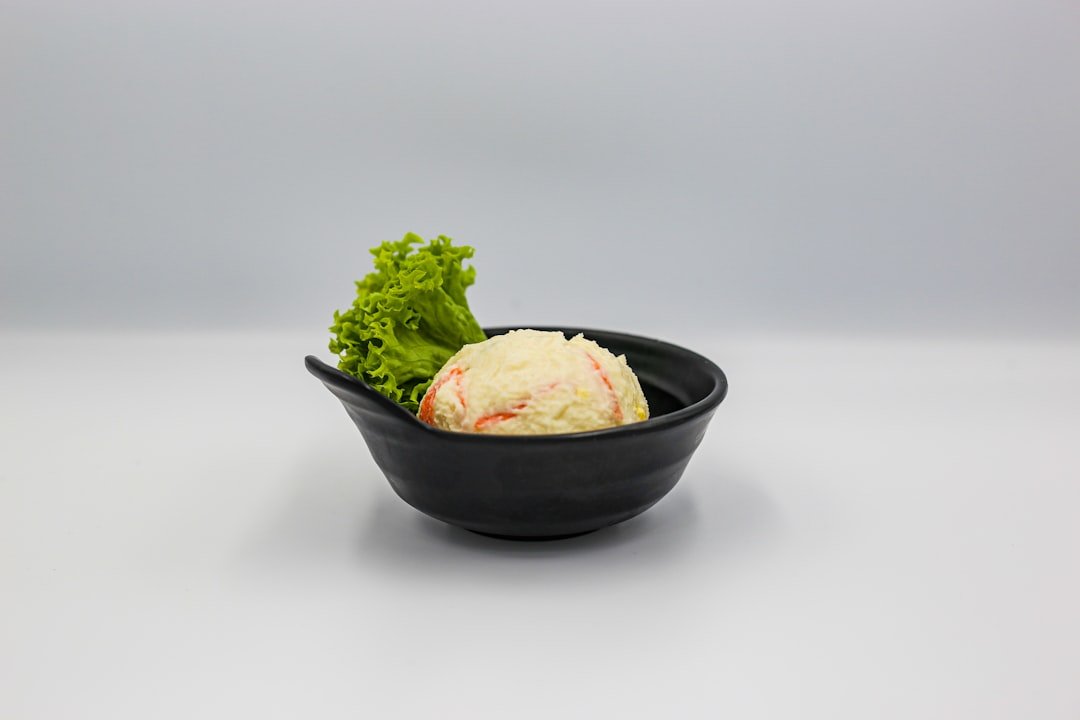
Coleslaw is one of the best contrasts for hot, crispy chicken tenders. Cool cabbage and carrots add crunch, while a creamy or vinegar-based dressing supplies acidity that cuts through a rich breaded coating.
A traditional version combines shredded cabbage and carrots with mayonnaise, vinegar, sugar, and salt. You can also add red cabbage for color, thinly sliced onion for sharper flavor, or apple for a sweeter crunch.
For the best texture, toss the vegetables with the dressing before serving and give the flavors some time to blend. If you prefer a lighter, sharper slaw, use a vinegar-forward dressing instead of a mayonnaise-heavy one.
Warning: Coleslaw and other perishable sides need safe temperature control at picnics and parties. USDA FSIS leftovers guidance says perishable food should be refrigerated within 2 hours, or within 1 hour when the temperature is above 90°F.
Mac and Cheese
Mac and cheese is a rich, creamy side that turns chicken tenders into a full comfort-food meal. The soft pasta and smooth cheese sauce create a strong contrast with crisp breading.
For stovetop mac and cheese, cook the pasta until just tender and fold it into a creamy cheese sauce. Cheddar is a familiar choice, but blended cheeses can add extra sharpness, creaminess, or stretch.
Baked mac and cheese gives you another texture because the top can brown and crisp while the pasta underneath stays creamy. Breadcrumbs can add extra crunch, while broccoli, peas, or spinach can add vegetables without changing the comfort-food character of the dish.
This side is especially satisfying with plain, peppery, barbecue, or spicy tenders. Because both foods are rich, adding coleslaw, salad, or vegetables can keep the overall plate from feeling too heavy.
Corn on the Cob
)
Corn on the cob adds sweetness, juiciness, and a different kind of crunch to chicken tenders. It is especially suited to summer meals, cookouts, and casual family dinners.
You can boil, grill, or roast corn. Boiling keeps the flavor simple and clean, while grilling gives the kernels browned spots and a smokier taste that works particularly well with barbecue-seasoned chicken.
Butter and salt are enough for a classic version. For more flavor, add black pepper, chili powder, paprika, herbs, lime juice, or grated cheese.
Corn is also easy to serve beside fries, slaw, potato salad, or other cookout sides when you are feeding a larger group.
Garlic Bread
Garlic bread works well when you want a warm, savory bread side instead of potatoes. Its crisp edges, soft center, butter, and garlic pair naturally with plain or Italian-seasoned chicken tenders.
Start with French or Italian bread and spread it with softened butter mixed with minced garlic and parsley. Toast or bake it until the edges are crisp and the butter has soaked into the surface.
You can add oregano or basil for an herby version. Mozzarella or Parmesan can turn it into cheesy garlic bread, which makes the side richer and more filling.
Garlic bread is particularly useful when chicken tenders are being served with marinara, tomato-based pasta, or a side salad. It can also be sliced into smaller pieces for a party platter.
Onion Rings
Onion rings are a crunchy alternative to fries for a diner-style chicken-tender meal. Sweet, tender onion inside a crisp coating gives you both savory flavor and a slight natural sweetness.
Large mild or sweet onions work well because the rings are easy to separate and their flavor does not overpower the chicken. Coat them with seasoned flour, batter, breadcrumbs, or a combination before frying until crisp and golden.
Because both onion rings and breaded chicken tenders can be rich, they pair especially well with a tangy dipping sauce. Ranch, spicy ketchup, barbecue sauce, honey mustard, or a vinegar-forward sauce can add contrast.
If you are already deep-frying the chicken, onion rings are convenient because they fit the same casual meal style. For more variety on the plate, add coleslaw or salad as a second side.
Side Salad
A side salad is one of the easiest ways to add freshness to a plate of chicken tenders. Crisp greens and raw vegetables provide a cool, light contrast to warm breaded chicken and heavier sides.
Use romaine, spinach, mixed greens, or arugula as the base. Tomatoes, cucumbers, carrots, bell peppers, onions, or shredded cabbage can add color and crunch.
A simple vinaigrette keeps the salad bright and tangy. Ranch, blue cheese, or another creamy dressing works too, especially if you want one dressing that can also be used as a dip for the chicken.
You can add fruit, nuts, seeds, chickpeas, or cheese if you want more texture. If chicken tenders are already the main protein, the salad does not need many extra ingredients to feel complete.
Mashed Potatoes
Mashed potatoes are a soft, creamy side that works especially well when you want a traditional comfort-food plate. Their mild flavor lets the seasoning and sauce on the chicken tenders remain the focus.
Russet potatoes produce a light, fluffy mash, while Yukon Golds give you a naturally creamier texture. Boil the potatoes until tender, drain them well, and mash with butter and warm milk or cream.
Season with salt and pepper, then add roasted garlic, herbs, sour cream, cream cheese, or grated cheese if you want a richer version. Avoid excessive mixing because overworking cooked potatoes can make the texture gummy.
Mashed potatoes are especially useful when chicken tenders are served with gravy. Add green beans, broccoli, carrots, or another vegetable to bring color and freshness to the plate.
Vegetable Medley
A vegetable medley is a flexible side for chicken tenders when you want more color and variety than a single vegetable provides. Broccoli, carrots, zucchini, bell peppers, cauliflower, snap peas, or green beans can all work.
Roasting creates browned edges and concentrated flavor, while steaming keeps the vegetables tender and straightforward. Sautéing is useful when you want a quick side and prefer vegetables with a little bite.
Season simply with olive oil, salt, pepper, garlic, and herbs. Lemon juice or vinegar added near the end can make the vegetables taste brighter beside rich or fried chicken.
Try to cut vegetables with similar cooking times into similar-size pieces. If you combine quick-cooking vegetables with harder ones such as carrots, start the firmer vegetables first so everything finishes at the right texture.
Frequently Asked Questions
What are some popular side dishes for chicken tenders?
Popular side dishes for chicken tenders include French fries, coleslaw, mac and cheese, roasted potatoes, mashed potatoes, corn on the cob, side salad, and mixed vegetables. Choose a rich starch for a comfort-food meal or pair the tenders with a crisp vegetable side when you want more freshness.
Are there healthier side options for chicken tenders?
Yes. Side salad, roasted or steamed vegetables, coleslaw with a lighter dressing, corn, baked sweet potatoes, or a whole-grain side can add vegetables, fiber, and variety. The overall meal also depends on how the chicken and side dishes are cooked and how much oil, cheese, dressing, or sauce is used.
Can I make homemade side dishes for chicken tenders?
Yes. Homemade fries, potato wedges, roasted vegetables, coleslaw, mashed potatoes, salads, corn, and garlic bread all pair well with chicken tenders. Homemade sides also let you control the seasoning, cooking method, amount of dressing, and portion size to match the rest of your meal.
What are some vegetarian side dishes for chicken tenders?
Vegetarian sides include roasted vegetables, corn on the cob, coleslaw, garden salad, mashed potatoes, sweet potato fries, vegetable stir-fry, mac and cheese, and garlic bread. Check cheese, dressings, sauces, and other packaged ingredients if you need the entire side dish to meet a specific vegetarian standard.
Are there gluten-free side dishes for chicken tenders?
Yes. Plain rice, potatoes, corn, fresh vegetables, many salads, and naturally gluten-free vegetable sides can work, but ingredients and cross-contact still matter. For packaged foods, the FDA gluten-free labeling rule requires any unavoidable gluten in foods carrying that claim to be below 20 ppm. The chicken tenders themselves must also be prepared with gluten-free breading and safe handling if needed.
What side dishes go well with spicy chicken tenders?
Cool and creamy sides work especially well with spicy chicken tenders. Try coleslaw, mac and cheese, mashed potatoes, cucumber salad, corn, or a simple green salad with a creamy dressing. Sweet potato fries can also balance heat with their natural sweetness.
What are good make-ahead sides for chicken tenders?
Coleslaw, chilled salads, and some roasted or mashed potato dishes are practical make-ahead choices. Keep cold perishable dishes refrigerated until serving, then reheat hot sides thoroughly when needed. Fries and onion rings are less suitable for advance preparation because they lose crispness as they sit.
Sources
- Idaho Potato Commission: Russet potato characteristics, soaking, and two-stage frying guidance.
- USDA MyPlate Vegetable Group: Vegetable categories, including sweet potatoes, corn, cabbage, and other vegetables.
- USDA Food Safety and Inspection Service: Safe holding and refrigeration times for perishable foods.
- U.S. Food and Drug Administration: Federal gluten-free labeling requirements and cross-contact guidance.