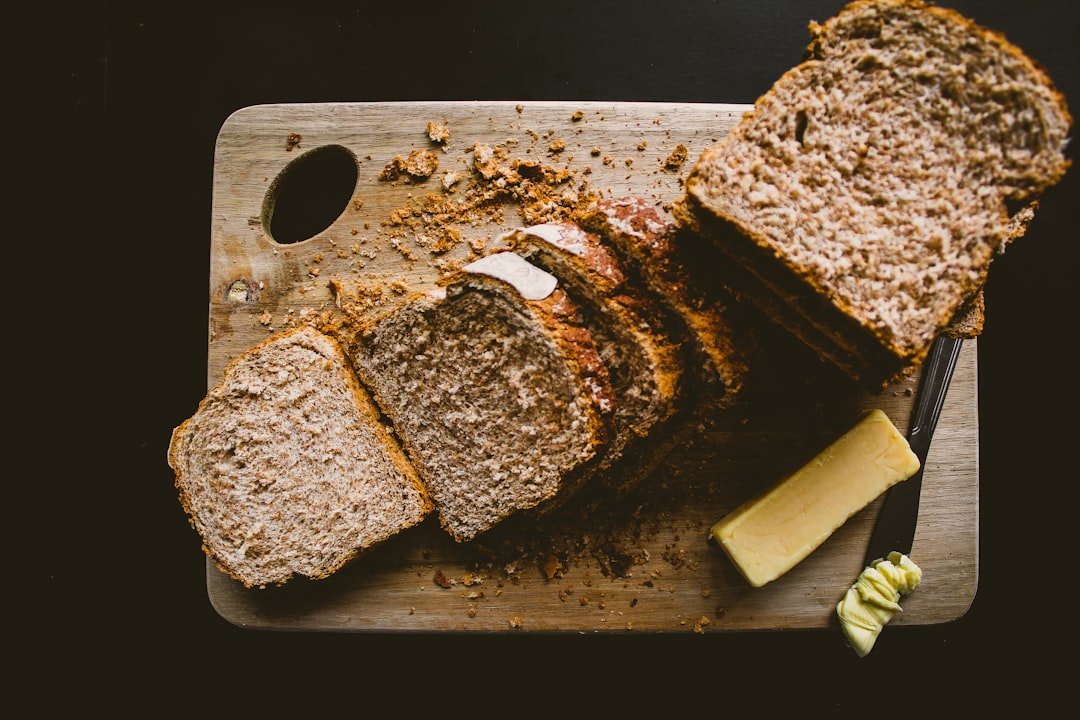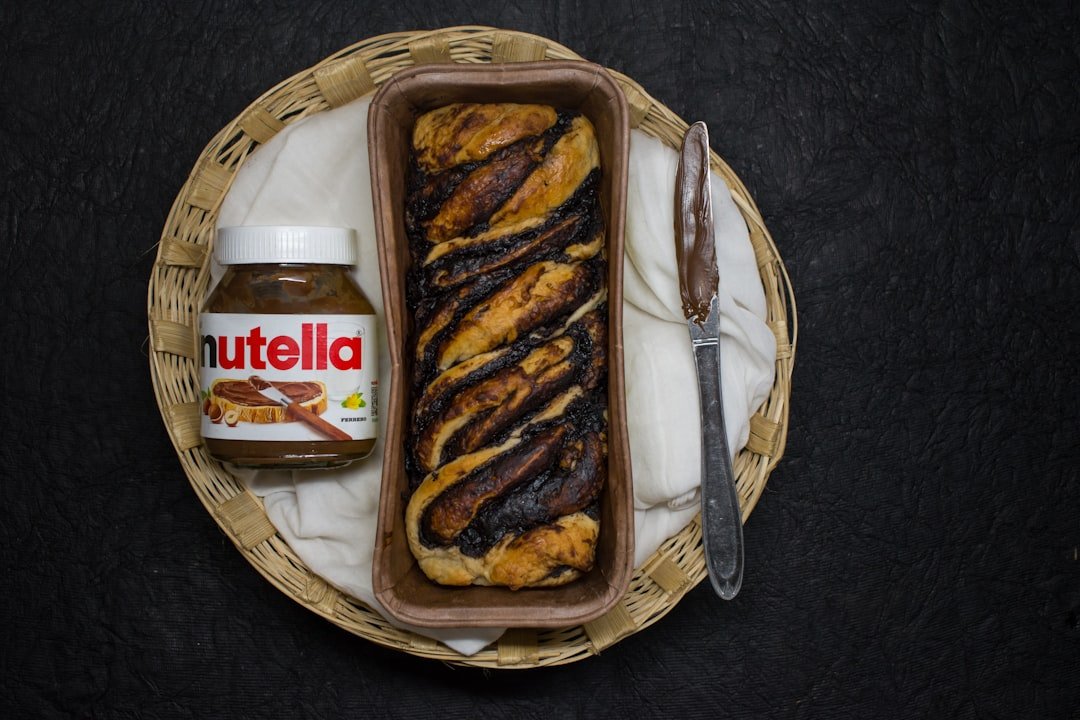
Nutella bread is a simple sweet dish made by pairing bread with Nutella hazelnut cocoa spread. The easiest version is warm toast with a smooth layer of Nutella, but the idea also includes French toast, stuffed pastries, banana bread, and other baked variations. Nutella itself grew from Ferrero’s 1946 Giandujot hazelnut-cocoa paste in Piedmont, Italy, before the first jar carrying the Nutella name appeared in 1964, according to Nutella’s official history.
Quick Answer
Nutella bread is bread topped or filled with Nutella, usually served as toast, French toast, a stuffed pastry, or a sweet loaf variation. For the simplest version, toast thick bread until crisp, spread Nutella while the bread is warm, and add fruit, nuts, yogurt, or a pinch of salt if you like.
Last checked: October 2, 2026. Dates and figures were verified against official sources.
Key Takeaways
- The basic dish needs only bread and Nutella; toasting adds a crisp contrast to the creamy spread.
- Brioche and challah make a soft, rich version, while sourdough and whole-grain bread give more chew and contrast.
- Bananas, berries, yogurt, chopped nuts, cinnamon, and a small pinch of salt are easy ways to change the flavor and texture.
- French toast, croissants, banana bread, bread pudding, and crepes can all carry the same chocolate-hazelnut flavor in different forms.
- Classic Nutella contains hazelnuts and milk, and the U.S. label also identifies soy, so anyone with food allergies should check every ingredient carefully.
How to Make Nutella Bread
The simplest Nutella bread is toasted bread spread with Nutella while still warm. You do not need to make a yeast dough unless you specifically want a baked Nutella-filled loaf.
1. Prepare the Bread
Start by slicing your bread into sturdy pieces, ideally around one inch thick if the loaf allows it. A thicker slice gives you a crisp outside and enough structure to hold the spread and toppings without becoming limp.
Brioche and challah give the richest result because they are soft and slightly sweet. Sourdough adds tang and chew, while whole-grain bread creates a nuttier, less dessert-like base.
Toast the bread until the surface is lightly crisp. A toaster, skillet, grill pan, or oven can all work. Nutella also features toast-based preparations in its official sourdough toast recipe.
2. Add the Nutella
Spread Nutella over the bread while the toast is warm but not scorching hot. The warmth softens the spread and makes it easier to distribute from edge to edge.
Use enough for an even layer rather than a mound in the center. This gives every bite a similar balance of bread and chocolate-hazelnut flavor.
3. Add Texture and Serve
For added texture, top the Nutella with sliced banana, strawberries, raspberries, chopped hazelnuts, almonds, or another ingredient you enjoy. A light sprinkle of cinnamon or a very small pinch of salt can also contrast with the sweetness.
If you want the bread warmer, it is usually easier to toast the bread first and add Nutella afterward. If you briefly place topped bread under a broiler, watch it continuously because sugary toppings can scorch quickly.
Warning: The current U.S. Nutella label lists hazelnuts, milk, and soy, while many breads contain wheat. The FDA’s food-allergy guidance recommends carefully reading labels and avoiding foods that contain an allergen you need to avoid.
Tips for Making the Best Nutella Bread
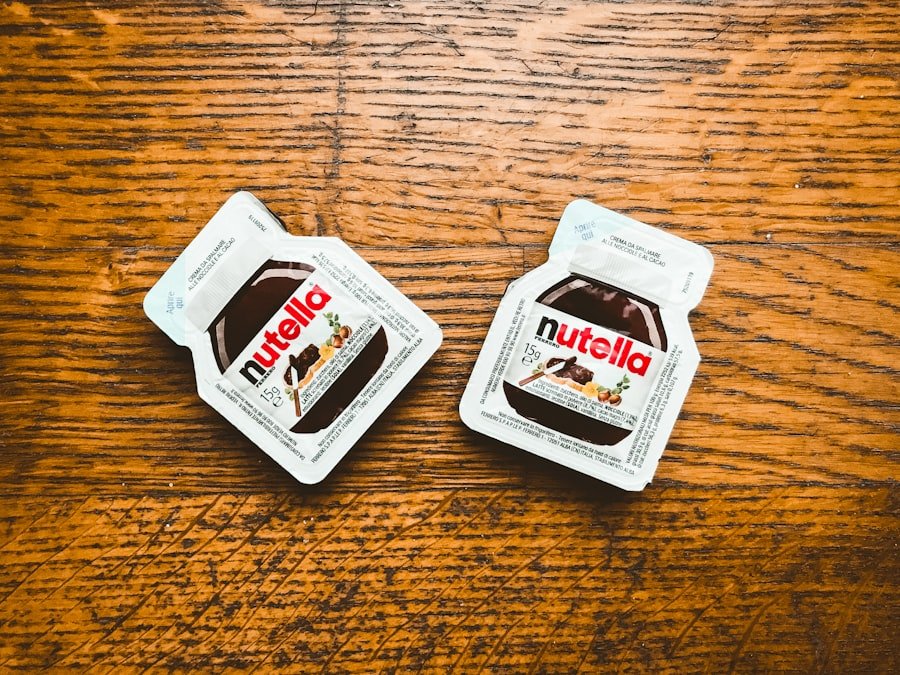
The best Nutella bread balances three things: crisp or tender bread, a smooth layer of spread, and toppings that add contrast without overwhelming it. Fresh bread gives the best texture, but slightly stale brioche or challah can work especially well for French toast because it absorbs liquid without falling apart as quickly.
If your Nutella has become firm, avoid assuming that more heat is always better. Nutella’s official U.S. FAQ says refrigeration or storage below 65°F can make it harder to spread and recommends keeping it at an ambient 65–75°F to soften.
Pro Tip: Toast the bread before adding Nutella when you want the strongest contrast between a crisp surface and creamy spread. For a softer dessert-like result, use brioche, challah, or a croissant instead.
Do not overlook presentation. Diagonal halves, narrow toast fingers, or small shapes cut with a cookie cutter can make the same ingredients feel more suitable for brunch, children’s parties, or a dessert platter.
Nutella Bread Variations to Try
Nutella bread can range from a two-ingredient piece of toast to French toast, croissants, pastries, or sweet loaves. The best variation depends on whether you want something quick, filling, crisp, soft, or dessert-like.
| Bread Variation | Ingredients | Preparation |
|---|---|---|
| Classic Nutella Toast | Bread, Nutella | Toast the bread, then spread Nutella evenly over the warm surface |
| Nutella Banana Bread | Bread, Nutella, Bananas | Spread Nutella on bread, then add sliced banana |
| Nutella French Toast | Bread, Nutella, Eggs, Milk | Dip the bread in an egg-and-milk mixture, cook until golden, then serve with Nutella |
| Nutella Stuffed Croissant | Croissant, Nutella | Split the croissant and spread Nutella inside |
Banana toast is one of the easiest variations. Spread Nutella over warm toast, arrange ripe banana slices on top, and finish with chopped nuts or cinnamon if you want more texture.
French toast is richer. You can make the bread in the usual egg-and-milk mixture and add Nutella when serving, or turn it into a filled sandwich before cooking. Nutella’s own recipe collection includes a croissant French toast variation with yogurt, raspberries, and chopped hazelnuts.
Nutella also works with baked sweet bread. An official Nutella banana bread recipe uses the spread as a topping after the loaf has baked and cooled. Puff-pastry squares filled with Nutella offer another flaky option.
Pairing Nutella Bread with Other Ingredients
Nutella pairs best with ingredients that provide freshness, tartness, crunch, or a mild salty contrast. You do not need many toppings; one or two well-chosen additions usually keep the bread from becoming overly rich.
- Fresh fruit: Bananas add soft sweetness, while strawberries, raspberries, and blueberries provide a fresher, slightly tart contrast.
- Yogurt or soft cheese: Plain Greek yogurt, mascarpone, or cream cheese adds creaminess and a tangy counterpoint.
- Nuts: Chopped hazelnuts or almonds add crunch and reinforce the nutty flavor.
- Spices: Cinnamon and nutmeg work especially well with warm bread and French toast.
- Sweet finishes: Powdered sugar, caramel, honey, or maple syrup can make the dish more dessert-like, though Nutella already provides considerable sweetness.
- Sweet-and-salty combinations: A mild cheese or crisp bacon can appeal to people who enjoy contrasting savory and sweet flavors.
If you are serving several people, place fruit, nuts, yogurt, and other toppings in separate bowls. That lets everyone adjust the richness, sweetness, and texture to their preference.
Nutella Bread for Breakfast, Lunch, and Dinner

Nutella bread fits most naturally at breakfast, brunch, snack time, or dessert, but you can adapt it to other meals. What changes is the portion and what you serve beside it.
For breakfast, pair Nutella toast with fresh fruit, plain yogurt, milk, eggs, or another food that makes the meal more substantial. Fruit and yogurt also provide a fresh contrast to the rich spread.
At lunch, you can turn it into a sweet sandwich with sliced strawberries, banana, cream cheese, or mascarpone. A sweet-and-salty version can include a small amount of goat cheese or crisp bacon if that combination suits your taste.
At dinner, Nutella bread generally makes more sense as a sweet finish than as a side for savory meat or vegetables. Serve a small warm slice after the main course, or use one of the dessert variations below.
Nutella Bread as a Dessert Option
Nutella bread works well as dessert because you can build on the same bread-and-spread combination without complicated pastry work. Bread pudding, crepes, croissants, and filled toast all turn it into a more substantial sweet course.
For Nutella bread pudding, cube slightly stale bread and prepare it with the usual mixture of eggs, milk, sugar, and vanilla. Nutella can be spooned through the mixture before baking so pockets of chocolate-hazelnut flavor run through the finished pudding.
Nutella-filled crepes offer a lighter presentation. Spread warm crepes with Nutella, fold them, then add berries, banana, whipped cream, or chopped nuts. Fresh fruit is especially helpful when you want to balance a rich filling.
You can also split a warm croissant and spread Nutella inside, or make a Nutella-filled French toast sandwich. These options work well when you want a plated dessert without making a full cake.
Nutella Bread for Special Occasions
Nutella bread is easy to adapt for birthdays, brunches, holidays, and family gatherings because the basic recipe is simple and the presentation can change. Small portions and make-your-own topping stations are especially practical for groups.
For a birthday, use Nutella between cake layers or as part of a frosting rather than limiting it to toast. Mini Nutella sandwiches cut with cookie cutters are another simple option for children’s parties.
For Valentine’s Day, heart-shaped toast with strawberries can create a themed breakfast or dessert. For Easter or another spring gathering, a braided or shaped sweet bread with Nutella can work as a centerpiece, with decorations added separately after baking where appropriate.
For brunch, arrange toasted bread, croissants, sliced fruit, yogurt, nuts, and Nutella so guests can assemble their own combination. This also makes it easier to accommodate different preferences without preparing several separate recipes.
Nutella Bread for Gifting and Sharing
A baked Nutella loaf or pastry is more suitable for gifting than ordinary Nutella toast because toast is best eaten soon after preparation. Let baked goods cool completely before wrapping them so trapped steam does not soften the crust or create condensation.
You can package a loaf in decorative paper or a food-safe box and include a handwritten serving suggestion. A banana bread or braided sweet loaf also travels more easily than toast covered with fresh fruit or cream.
For a party or potluck, serve several small formats rather than full slices. French-toast fingers, mini croissants, small sandwiches, or pieces of sweet bread give guests a chance to try more than one topping without committing to a large portion.
Nutella Bread as a Versatile Snack
Nutella bread makes a quick snack because the basic version requires almost no preparation beyond toasting and spreading. You can keep it simple or make it more filling with fruit, yogurt, whole-grain bread, or nuts.
For context, the current U.S. Nutella label lists a serving size of 2 tablespoons, or 37 grams, with 200 calories, 21 grams of total sugars, and 19 grams of added sugars. That information can help you decide how much spread fits the snack or dessert you are preparing.
A thinner layer of Nutella with sliced fruit gives a different balance from a heavily spread dessert toast. Whole-grain bread can also add more chew and a less sweet flavor than brioche or challah.
For another snack format, Nutella can be incorporated into oat-based no-bake bites. You can also serve breadsticks, pretzels, apple slices, or other dippers alongside a small portion of the spread when you want something other than toast.
Nutella Bread: A Delicious Treat for Any Occasion
Nutella bread can be as simple as warm toast with a chocolate-hazelnut spread or as elaborate as French toast, pastries, bread pudding, and sweet loaves. The basic idea works because soft or crisp bread gives structure while Nutella supplies a creamy, sweet filling or topping.
Start with a bread you already enjoy, toast it to the texture you prefer, and add one or two toppings that provide contrast. Fruit adds freshness, nuts add crunch, yogurt or soft cheese adds tang, and spices such as cinnamon can make the flavor warmer without turning a simple snack into a complicated recipe.
Frequently Asked Questions
What is Nutella bread?
Nutella bread is bread served with Nutella as a topping, filling, or swirl. The simplest version is Nutella spread over toast, while broader variations include French toast, croissants, banana bread, pastries, and sweet yeast breads filled or topped with the chocolate-hazelnut spread.
How is Nutella bread made?
Nutella bread can be made by toasting a slice of bread and spreading Nutella over it while warm. For more elaborate versions, Nutella can be used inside French toast, croissants, pastries, or sweet breads. Fruit, nuts, yogurt, cinnamon, or a small pinch of salt can be added for contrast.
What bread is best with Nutella?
Brioche and challah are good choices when you want soft, rich Nutella bread, while sourdough provides a chewy, tangy contrast. Whole-grain bread has a nuttier flavor and works well for a less dessert-like snack. Thick slices are useful when you plan to add fruit, nuts, or other toppings.
Can Nutella bread be made at home?
Yes, Nutella bread is easy to make at home. The simplest method needs only bread, a toaster or pan, and Nutella. You can also make homemade French toast, banana bread, croissants, crepes, or yeast bread and use Nutella as a filling or topping depending on the recipe.
What are some popular Nutella bread variations?
Popular variations include Nutella banana toast, Nutella French toast, Nutella-filled croissants, Nutella-topped banana bread, and filled puff pastries. You can also use the spread with crepes or bread pudding. Fresh berries, sliced banana, yogurt, nuts, cinnamon, and mascarpone are useful toppings or accompaniments.
Is Nutella bread a breakfast food or a dessert?
Nutella bread can be either breakfast, a snack, or dessert. Simple toast with fruit fits easily into breakfast or brunch, while croissants, bread pudding, crepes, or heavily topped versions feel more like dessert. The bread, portion size, and toppings determine how rich the finished dish becomes.
Is Nutella bread suitable for people with nut allergies?
No, classic Nutella is not suitable for someone who must avoid hazelnuts because hazelnuts are a main ingredient. Its U.S. label also identifies milk and soy, while ordinary bread may contain wheat or other allergens. Anyone with a food allergy should check the current packaging for every ingredient before eating it.
Should Nutella be refrigerated before making Nutella bread?
Nutella does not need refrigeration for this recipe, and refrigeration can make it harder to spread. Nutella’s U.S. FAQ recommends keeping the product at an ambient temperature of 65–75°F. If it has become firm in a colder environment, allowing it to soften at room temperature makes spreading easier.
Sources
- Nutella: Our Heritage: Supports the 1946 Giandujot history and the creation of Nutella in 1964.
- Nutella Classic: Supports the current U.S. ingredients, allergen information, serving size, calories, and sugar figures.
- Nutella Sourdough Toast Recipe: Supports toast as an official Nutella serving format.
- Nutella Croissant French Toast Recipe: Supports the French-toast and croissant variation.
- Nutella Banana Bread Recipe: Supports banana bread as a Nutella variation.
- Nutella U.S. FAQs: Supports ambient storage guidance and the effect of refrigeration on spreadability.
- U.S. Food and Drug Administration: Food Allergies: Supports food-allergen labeling and avoidance guidance.