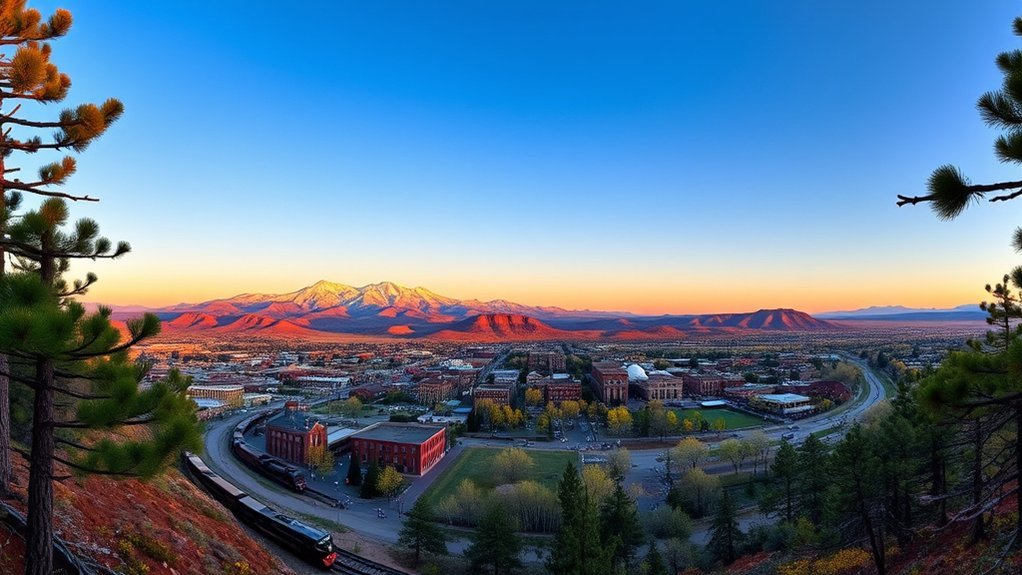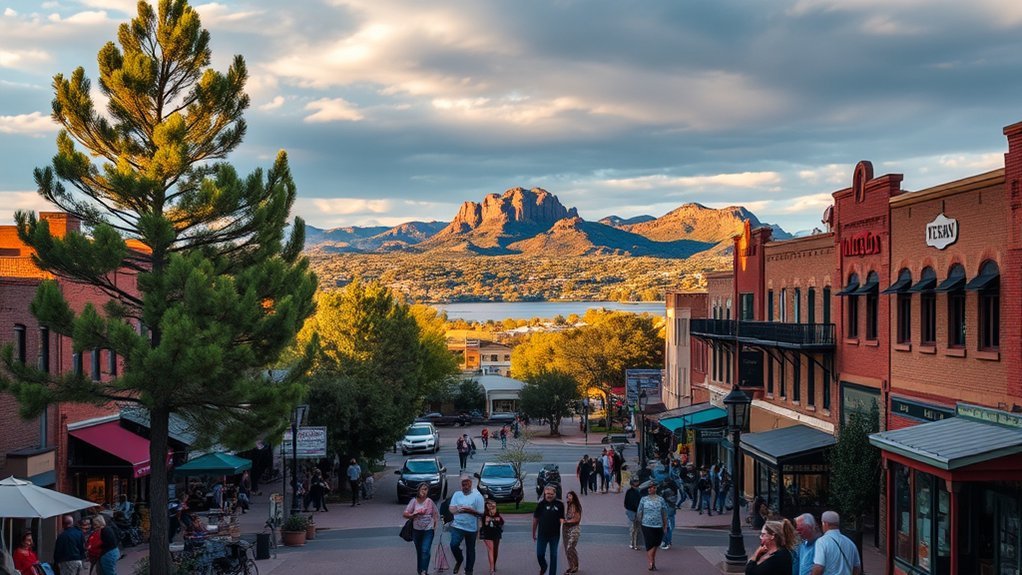
Prescott blends Old West history, pine-covered high country, granite formations, lakes, museums, galleries, and a busy calendar of community events. You can walk around the historic Courthouse Plaza in the morning, paddle through the Granite Dells at Watson Lake, hike near Thumb Butte, explore Western and Indigenous art, and finish the day with live music or dinner downtown. The key is choosing verified attractions and checking current conditions before you go.
Quick Answer
The best things to do in Prescott, Arizona, include exploring Courthouse Plaza and Whiskey Row, hiking the Granite Dells and Thumb Butte area, kayaking Watson Lake, visiting Sharlot Hall Museum and the Museum of Indigenous People, riding the Peavine Trail, and timing your trip for Prescott’s Western, arts, or holiday events.
Key Takeaways
- Downtown is the easiest place to start: Courthouse Plaza, Whiskey Row, galleries, restaurants, Sharlot Hall Museum, and the Elks Theatre are close together.
- For scenery, prioritize the Granite Dells: Watson Lake, Constellation Trails, the Peavine Trail, and nearby Willow Lake offer very different ways to experience the rock formations.
- Check conditions before hiking: heat, thunderstorms, winter weather, wildfire restrictions, and seasonal wildlife closures can affect trails and forest roads.
- Several attractions have changed: the former Smoki Museum is now the Museum of Indigenous People, and Sharlot Hall Museum’s Governor’s Mansion is closed for rehabilitation until early 2027.
- Events are a major part of Prescott: rodeo week, summer concerts, arts festivals, the farmers market, 4th Friday Art Walk, and winter celebrations can shape your itinerary.
Plan Your Prescott Visit Before You Go
Prescott sits at high elevation, so conditions can feel very different from lower-elevation Arizona cities. Pack water, sun protection, and layers even on a warm day. Summer thunderstorms can arrive quickly, while winter may bring snow or icy roads. Before heading into Prescott National Forest, check the Prescott National Forest for closures, fire restrictions, and current recreation notices.
If you are spending most of your day downtown, walking is often easier than repeatedly moving your car. The City of Prescott operates the Garage on Granite one block from Courthouse Plaza, and other public parking is available around downtown. For lakes and several city trailheads, parking fees may apply, so check the City of Prescott recreation parking information before setting out.
Pro Tip: Build one day around walkable downtown attractions and a second around the Granite Dells, lakes, and trails. That reduces driving and gives you more flexibility when afternoon weather changes.
Warning: Desert and high-country weather can change quickly. Carry water, avoid exposed ridges during thunderstorms, obey seasonal trail closures, and never enter closed areas. Swimming and full-body submersion are prohibited at Watson Lake.
Walk Around the Courthouse Plaza
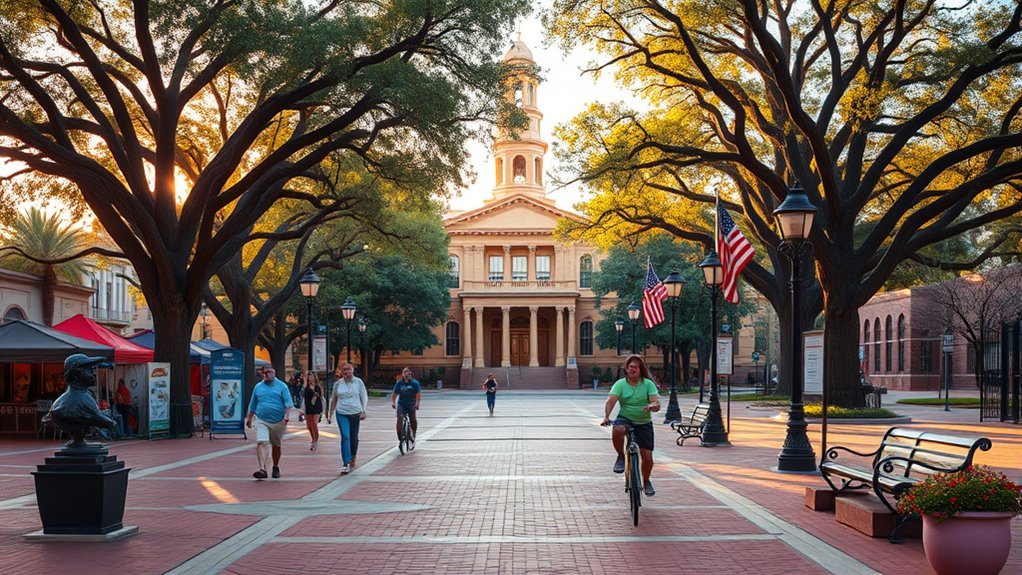
Start in the historic heart of Prescott at Yavapai County Courthouse Plaza. The tree-shaded public square sits opposite Whiskey Row and is surrounded by restaurants, shops, galleries, historic buildings, and event spaces. The current courthouse dates to the 1916–1918 period and is known for its Classical Revival architecture, broad steps, granite exterior, and prominent place in Prescott civic life.
Walk the paths beneath mature trees, look for the Buckey O’Neill monument and other historical markers, then explore the streets surrounding the square. Unlike the earlier Prescott courthouse, the current building should not be described as having the old courthouse’s prominent clock tower.
The plaza is especially lively during scheduled arts shows, concerts, parades, and seasonal celebrations. Event vendors appear during those special programs, but Prescott Farmers Market’s current primary summer market is held elsewhere at 900 Iron Springs Road.
Give yourself at least 30 to 60 minutes for the plaza alone, or several hours if you combine it with Whiskey Row, downtown galleries, shopping, a museum, and lunch.
Hike the Granite Dells
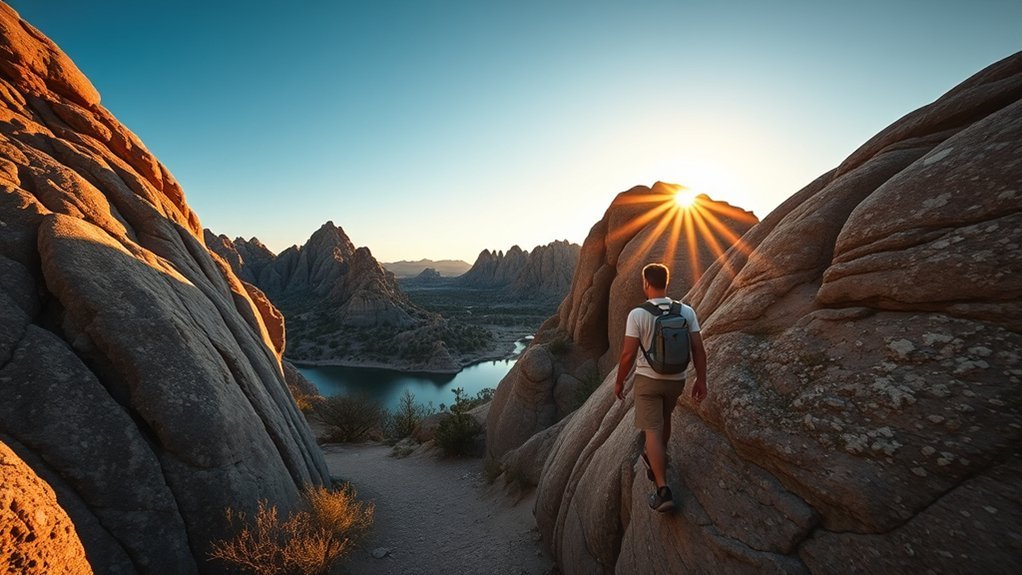
The Granite Dells are one of Prescott’s defining landscapes. Rounded granite formations surround Watson and Willow lakes and create a network of hiking and mountain-biking possibilities ranging from relatively smooth paths to rough, rocky routes.
Instead of treating every nearby mountain trail as part of the Dells, focus on verified city trail systems. Constellation Trails offer numerous connected routes through the rocks, while the Peavine and Iron King trails provide easier grades near Watson Lake. Other Dells routes around Watson and Willow lakes become considerably rockier and demand careful footing.
Bring sturdy shoes, water, sun protection, and an offline map. Granite can become slick when wet, and exposed sections offer little shelter from thunderstorms or strong sun. Early morning is usually the most comfortable time during warm months.
| Trail Area | General Character | Highlight |
|---|---|---|
| Constellation Trails | Easy to moderate options | Granite formations and interconnected loops |
| Peavine Trail | Generally easier grade | Watson Lake and Granite Dells views |
| Iron King Trail | Easy to moderate | Rail-trail scenery and open views |
| Watson/Willow Dells routes | Varies; rocky sections | Close-up granite terrain |
Explore Whiskey Row
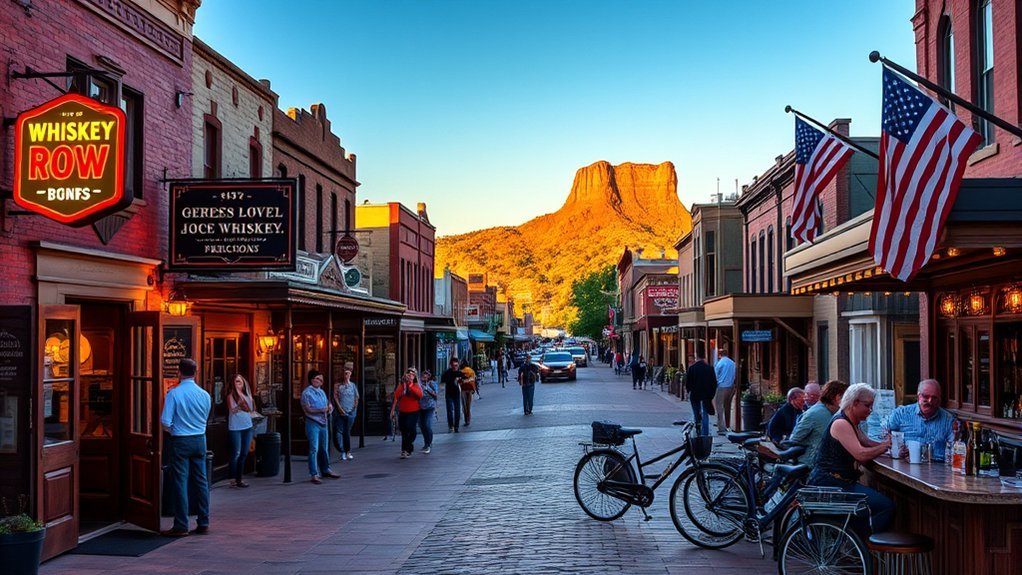
Cross from Courthouse Plaza to Whiskey Row, the historic stretch of South Montezuma Street associated with Prescott’s saloon and frontier history. The block mixes historic architecture with modern restaurants, bars, shops, galleries, and live entertainment.
You can stop for a meal, look through Western-themed shops, browse local art, or simply study the historic storefronts. Several establishments interpret the row’s past through old photographs, furnishings, plaques, and stories connected with fires, rebuilding, ranching, mining, and Arizona’s territorial era.
Whiskey Row becomes considerably busier during major downtown events and weekend evenings. If you are interested mainly in architecture and history, visit in the morning. For dining and live music, late afternoon and evening provide more activity.
If alcohol is part of your visit, leave the car parked and walk between downtown stops, use a designated driver, or arrange a ride.
Visit the Sharlot Hall Museum
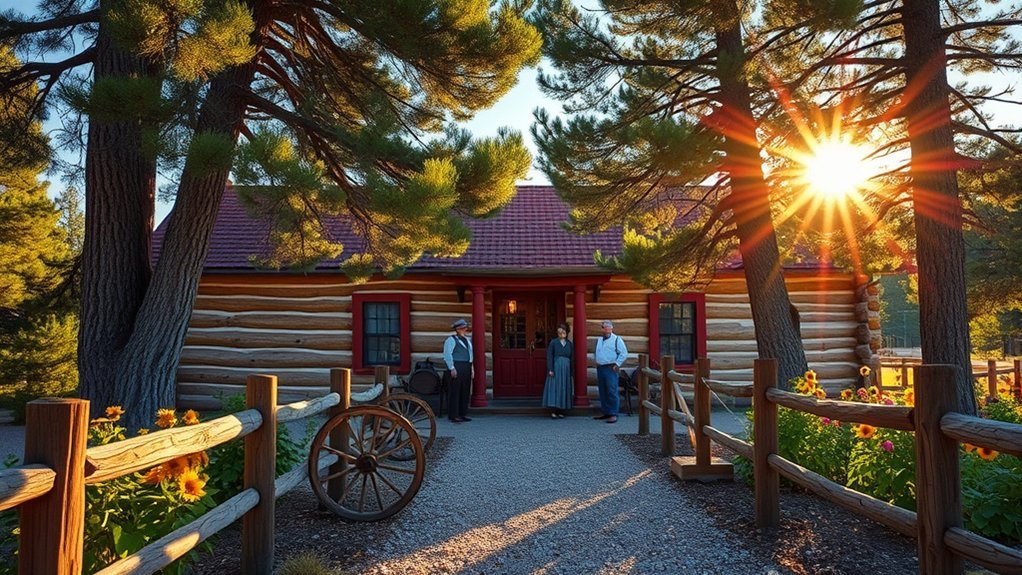
Sharlot Hall Museum, a short walk west of Courthouse Plaza, is one of Prescott’s most useful stops for understanding Arizona’s territorial history. The open-air campus combines historic buildings, exhibits, collections, gardens, and changing programs rather than presenting history through a single gallery.
Note: As of August 2026, the museum’s 1864 Governor’s Mansion is closed for rehabilitation and is expected to reopen in early 2027. Check the museum’s historic-buildings page before planning your visit.
Historic Territorial Buildings
The museum campus preserves and interprets several buildings connected with different periods of Prescott history. The best-known is the Governor’s Mansion, a log structure built in 1864 as a home and office for territorial officials. Other structures include the Fremont House, Bashford House, Ranch House and additional buildings moved to or preserved on the campus.
Rather than expecting a recreated frontier street full of interchangeable buildings, read the individual signs and exhibits. Each structure has its own history, construction date, function, and preservation story.
- The 1864 Governor’s Mansion, currently under rehabilitation.
- Historic residences that show changing domestic life in Prescott.
- Period furnishings and exhibits tied to territorial Arizona.
- Gardens and outdoor spaces connecting the buildings across the campus.
Arizona Cultural Exhibits
The museum’s broader collections explore central Arizona history through objects, documents, photographs, archaeology, community stories, and rotating exhibitions. Indigenous history is part of that story, but visitors interested specifically in Native cultures should also visit the Museum of Indigenous People later in this guide.
| Experience | Focus | What to Expect |
|---|---|---|
| Historic buildings | Territorial Prescott | Architecture and period settings |
| Museum galleries | Regional history | Artifacts, documents and photographs |
| Collections | Central Arizona | Material culture and community stories |
| Programs | Public history | Talks, demonstrations or events when scheduled |
| Special exhibits | Rotating themes | Changing displays throughout the year |
Drive to the Thumb Butte Recreation Area, Then Hike
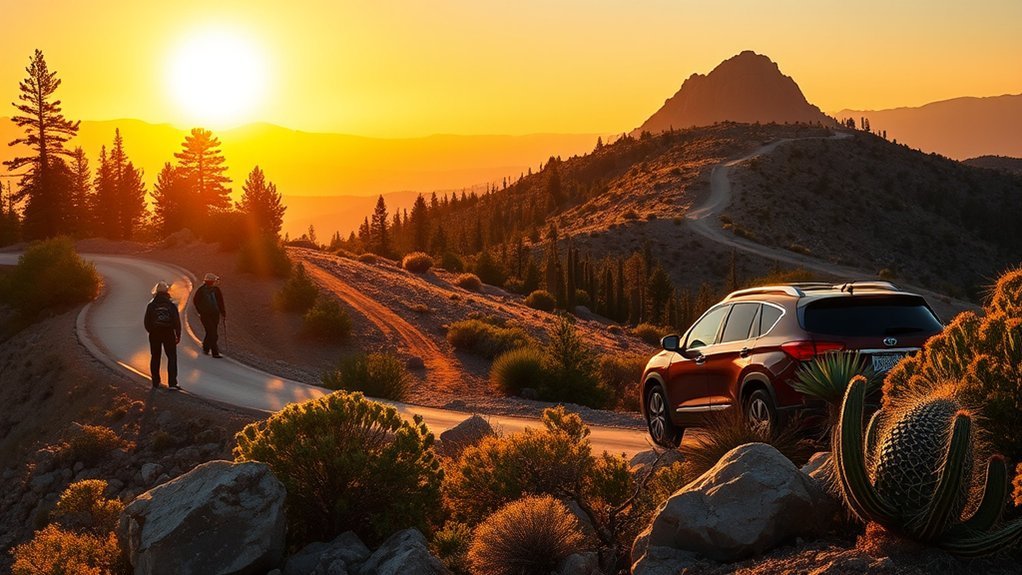
Thumb Butte rises west of downtown and is one of Prescott’s most recognizable landmarks. You can drive to the Thumb Butte Recreation Area and trailhead, but the higher viewpoints are reached on foot rather than by driving to the summit.
Trail #33 climbs steeply through forest and exposed terrain, with the Forest Service describing an elevation gain of roughly 600 feet in a little more than a mile on the main climb. Conditions, route access, and seasonal closures can change, so check the Prescott National Forest Thumb Butte page before starting.
Trail Overview
The recreation area is about four miles west of Prescott and provides access to Trail #33 and nearby routes. Expect a sustained climb, rocky sections, ponderosa forest, pinyon-juniper vegetation, and increasingly broad views as you gain elevation.
Do not assume the actual summit is always open. Prescott National Forest uses seasonal closures in parts of the Thumb Butte area to protect nesting peregrine falcons, and boundaries can change from year to year.
- Rocky sections where supportive footwear helps.
- Forest shade mixed with exposed sunny slopes.
- Views back toward Prescott and surrounding mountains.
- Seasonal wildflowers and bird activity when conditions are favorable.
Hiking Tips
Start early during warm weather, carry enough water, and turn around if thunder develops. Mountain weather can change quickly even when downtown looks calm. In winter, shaded areas may hold snow or ice.
Trail #33 is primarily a hiking experience. If you want lower-effort scenery, drive Thumb Butte Road to the recreation area, enjoy the forest setting and picnic facilities, then choose a short walk rather than attempting the full climb.
| Option | Best for |
|---|---|
| Recreation-area visit | Forest scenery and lower effort |
| Trail #33 hike | Steep exercise and elevated views |
| Nearby connecting trails | Longer or more flexible outings |
Stroll Through Heritage Park Zoological Sanctuary
Heritage Park Zoological Sanctuary is a nonprofit wildlife sanctuary focused on caring for animals and supporting conservation education. Its collection includes mammals, birds, reptiles and other wildlife in habitats spread across the grounds.
Rather than treating the sanctuary like a large conventional zoo, allow time to read the individual animal stories and educational signs. Many residents cannot return to the wild and have distinct backgrounds that explain why they live at the sanctuary.
- Follow the walking paths through the sanctuary’s animal habitats.
- Read identification and conservation information rather than rushing between exhibits.
- Check the day’s activity schedule for any keeper talks or special programs.
- Use shaded seating areas when you need a break, especially during warm afternoons.
Hours, admission and programs can change, so check Heritage Park Zoological Sanctuary before visiting.
Paddle or Kayak on Watson Lake
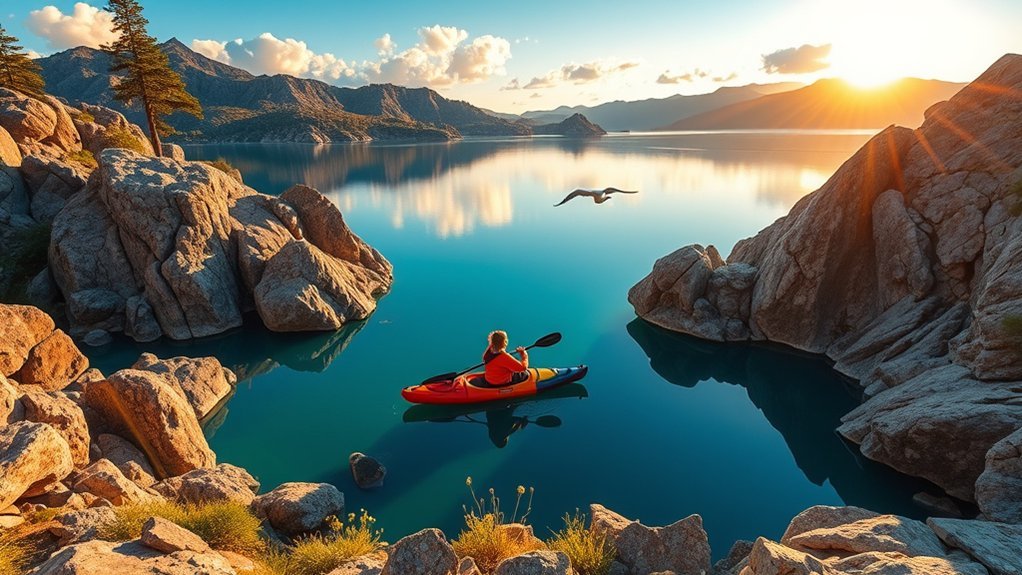
Watson Lake is one of Prescott’s signature outdoor destinations. The reservoir sits among the Granite Dells about four miles from downtown and supports kayaking, canoeing, boating, fishing, hiking, rock climbing, picnicking and seasonal camping.
Paddling is especially memorable because the shoreline twists around large granite formations. Calm mornings can be excellent for exploring protected-looking coves, but wind and storms can change conditions rapidly. Wear a properly fitted life jacket and stay aware of other watercraft.
The city lists two boat launches and canoe/kayak rental options. Nearby Watson Woods Riparian Preserve also makes the area worthwhile for birdwatching.
Warning: Watson Lake is not a swimming lake. City planning documents state that swimming and full-body submersion are prohibited. Enjoy the water from an approved watercraft and follow posted lake rules.
Check current recreation information on the City of Prescott Watson Lake page.
Add Goldwater Lake or Lynx Lake
If Watson Lake is busy or you want a different setting, add another Prescott-area lake. Goldwater Lake sits among ponderosa forest south of town and is popular for picnics, fishing and outdoor recreation. Lynx Lake, in Prescott National Forest, provides another forested setting for fishing, hiking, boating and quiet time near the water.
Each lake has different rules, fees, boating restrictions and seasonal conditions, so check the managing agency before bringing a boat, planning to fish or relying on a specific facility being open.
Tour the Phippen Museum of Western Art
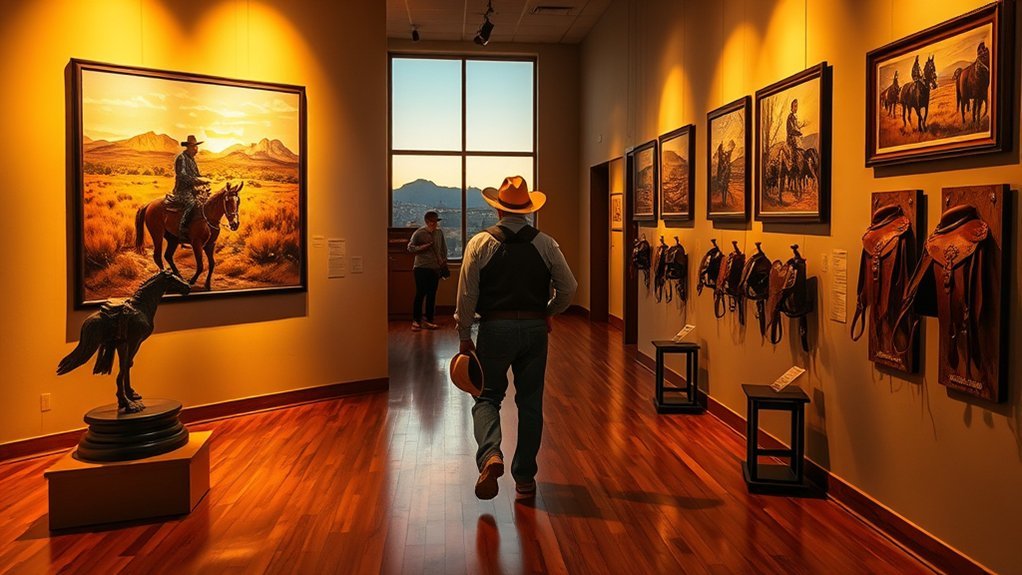
The Phippen Museum of Western Art & Heritage showcases paintings, sculpture, artifacts and changing exhibitions connected with the American West. It is not on Whiskey Row. The museum is located at 4701 Highway 89 North, across from the Constellation Trails area.
Current official hours list Tuesday through Saturday from 10 a.m. to 4 p.m. and Sunday from 1 p.m. to 4 p.m., with Monday closed. Holiday closures and special-event schedules can alter those hours, so verify them before leaving downtown.
Western Art Highlights
Inside, expect Western paintings, bronzes and other works exploring ranching, landscapes, horses, working life and regional history. Rotating exhibitions can change the balance between historic material and contemporary Western art.
- Western landscape paintings and regional scenes.
- Bronze sculpture depicting people, animals and working life.
- Historic objects connected with ranching and Western culture.
- Changing exhibitions by regional and national artists.
Visiting Information
Allow roughly an hour or more depending on the current exhibitions and how closely you read interpretive material. Group tours may be available under specific requirements and generally need advance arrangements rather than being assumed as an everyday walk-in service.
Visit the Phippen Museum’s official visitor page for admission, hours, accessibility information and temporary closures.
Bike the Prescott Circle Trail
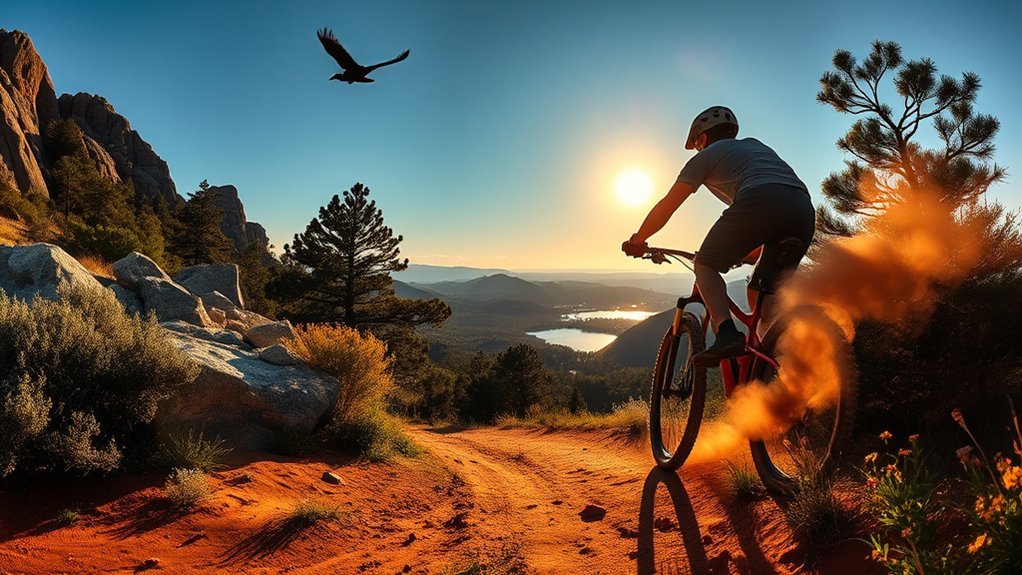
The Prescott Circle Trail is currently described by the City of Prescott as a 56-mile loop made from a network of non-motorized trails around the city. It connects very different landscapes, including forest, open ridges, granite terrain and lake areas.
You do not need to ride the entire loop. Most visitors are better served by choosing a section that matches their ability, available daylight and weather. Surfaces range from smoother trail to rocky climbs and technical sections.
Prescott’s official Circle Trail now forms a roughly 56-mile non-motorized loop around the city, but individual sections work well for shorter rides and hikes.
- Choose a manageable segment instead of assuming you must complete all 56 miles.
- Carry more water than you expect to use, especially on exposed sections.
- Bring a repair kit and know how to fix a basic tire problem.
- Download the latest route information because intersections and trail work can change.
Use the City of Prescott Circle Trail page for current mapping and information.
Attend the Prescott Farmers Market
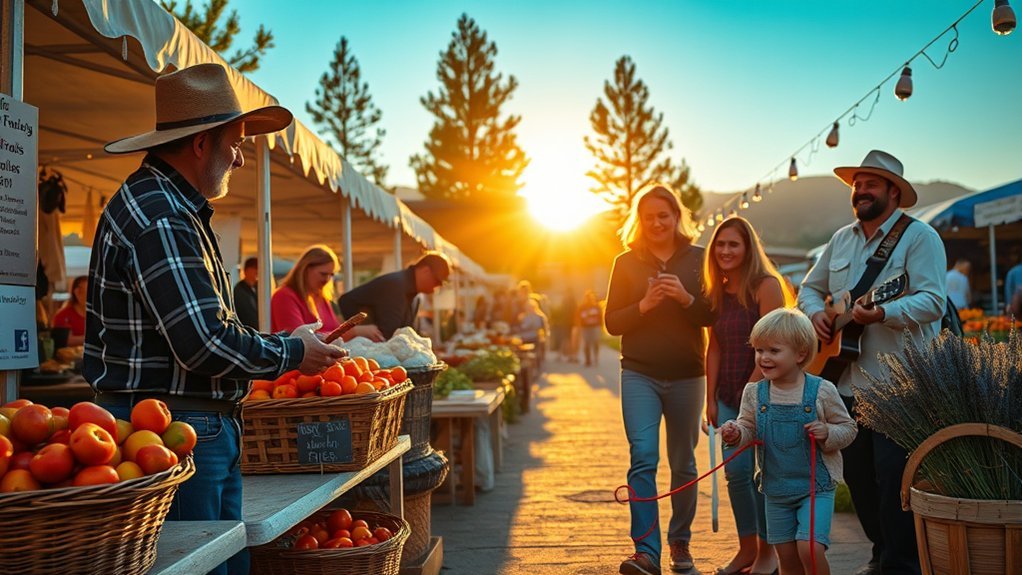
Prescott Farmers Market is a good way to sample food grown or produced in the region while meeting local vendors. As of summer 2026, the main Saturday market operates from 7:30 a.m. to noon at 900 Iron Springs Road in the Dignity Health YRMC Miller Valley parking lot.
The market’s schedule and seasonal location can change, so confirm details on Prescott Farmers Market’s official site instead of assuming it takes place at Courthouse Plaza.
Seasonal Fresh Produce
What you find depends on the growing season and individual farmers. Arriving early generally gives you the widest selection. Bring reusable bags and, if you plan to keep shopping afterward, a cooler for produce, dairy products or other temperature-sensitive purchases.
- Seasonal vegetables and fruit from regional growers.
- Fresh herbs and greens when available.
- Baked goods and other locally prepared foods.
- Products that change as Arizona’s growing seasons shift.
Local Food and Artisan Goods
The market is not simply a produce stand. Depending on the day’s vendor lineup, you may also find baked goods, preserves, locally made foods and selected artisan products. Vendor participation changes, so avoid arriving with one specific souvenir in mind.
Take time to ask growers and producers where their products come from and how they are made. Those conversations provide more useful local context than generic souvenir shopping.
Community Programs and Events
Special programming varies by date. Instead of assuming live music occurs every market day, check the official market calendar for demonstrations, food tours, health programs, community events or other scheduled activities.
Also note the current market rule that pets and support animals are not permitted, while trained ADA service dogs are allowed.
Catch a Show at the Elks Theatre
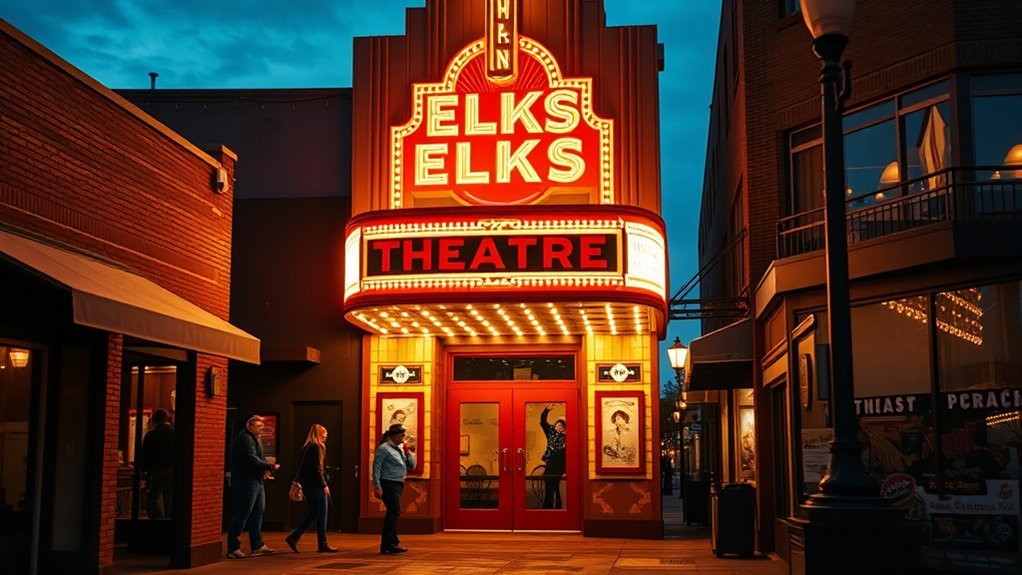
The Prescott Elks Theatre and Performing Arts Center gives you a chance to experience a historic downtown venue rather than simply looking at old buildings from the street. The original opera house was completed in 1905 and is listed on the National Register of Historic Places.
Programming changes throughout the year and can include concerts, theatrical performances, community events and classes. Check the Elks Theatre’s official calendar before building an evening around a performance.
| What to Know | Tip |
|---|---|
| Tickets | Buy ahead for popular performances |
| Parking | Use downtown street, lot or garage parking and allow extra time during events |
| Accessibility | Contact the venue if you need a specific seating arrangement |
Arrive early enough to look at the restored architecture before the performance begins.
Build Your Own Prescott Brewery and Taproom Trail

Prescott has breweries, taprooms, historic saloons and other craft-beverage stops, but you do not need a formal “beer trail” to explore them. Build a short self-guided route based on the places that are currently open and the atmosphere you prefer.
Downtown options let you keep the car parked, while other breweries are farther from the square. The city’s tourism office maintains a current bars and breweries directory, which is more reliable than an old static list.
- Choose two or three stops close together instead of trying to visit every brewery.
- Order smaller pours or tasting sizes if you want to compare styles.
- Eat and drink water during the outing.
- Walk, use a designated driver or arrange transportation if you consume alcohol.
A relaxed crawl works best when the focus is local flavor and conversation rather than the number of stops.
Take a Scenic Drive on Prescott National Forest Roads
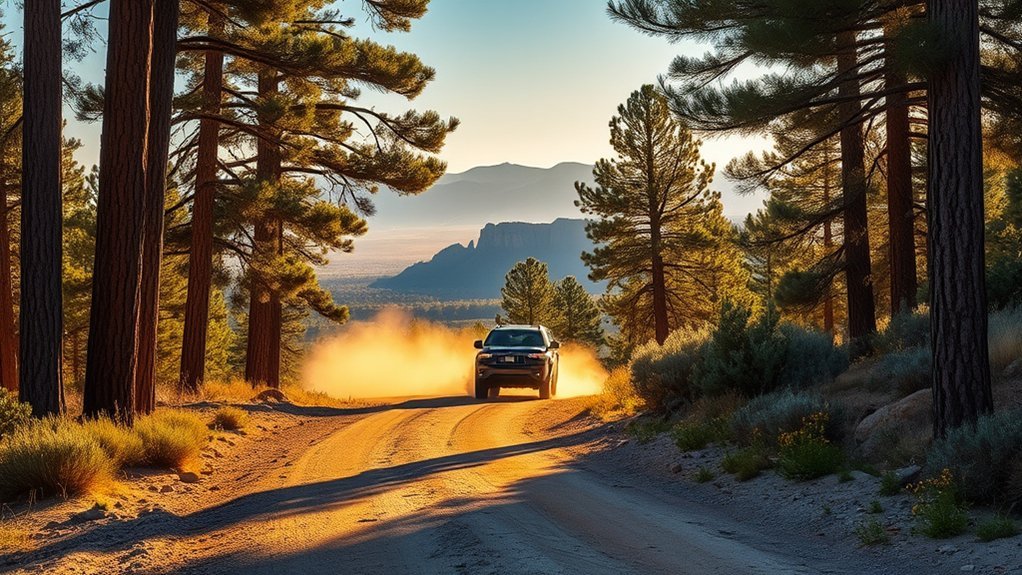
Prescott National Forest surrounds the city with paved highways, maintained roads and rougher forest routes that lead through ponderosa forest, oak country, meadows and mountain terrain. A scenic drive can be a good alternative when you want views without committing to a long hike.
Scenic Forest Routes
Do not assume every forest road is suitable for a passenger car. Surface quality, snow, washouts, monsoon damage, fire restrictions and seasonal gates can all change access. Pick your route from current Forest Service information instead of relying only on navigation apps.
- Choose a road appropriate for your vehicle.
- Download an offline map before leaving reliable cell coverage.
- Carry water and basic emergency supplies even on a short drive.
- Turn around rather than forcing a passenger car onto deteriorating terrain.
Overlook and Picnic Stops
Developed recreation sites and designated pullouts are better choices for picnics than stopping on narrow road shoulders. Bring all the water you need and pack out trash. Fire rules change with conditions, so never assume a fire ring means fires are currently permitted.
Late afternoon can produce beautiful light, but plan enough daylight for the drive back, especially on unfamiliar dirt roads.
Wildlife Viewing
Forest roads can provide opportunities to see deer, birds and other wildlife, particularly around dawn and dusk. Sightings are never guaranteed. Slow down, stay on designated routes and give animals room to move away.
- Use binoculars instead of approaching wildlife.
- Never feed animals from a roadside stop.
- Remain in your vehicle when that is the safest option.
- Avoid blocking roads while photographing wildlife.
Visit the Museum of Indigenous People
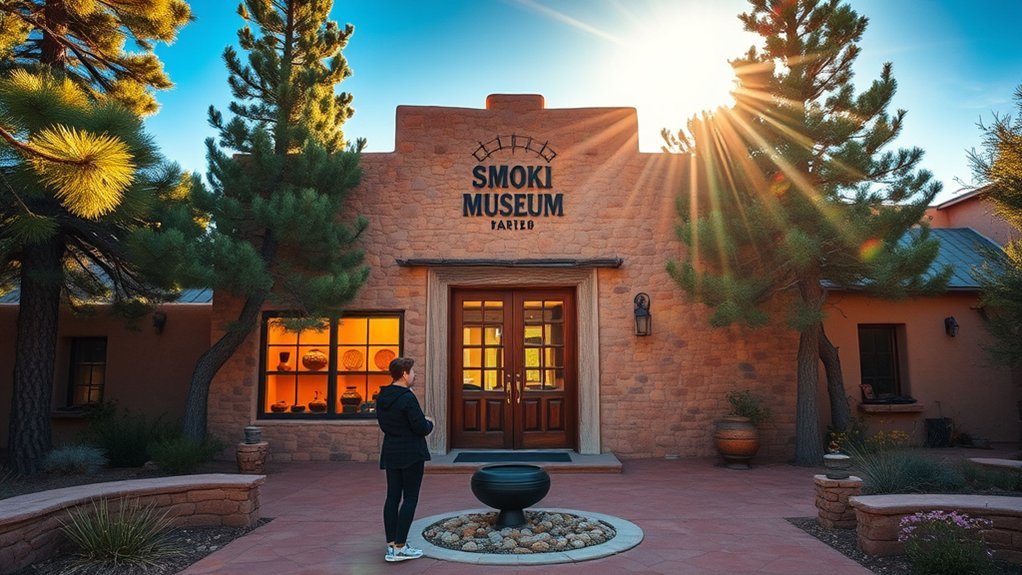
The institution formerly called the Smoki Museum is now the Museum of Indigenous People. The museum changed its name in February 2020 as part of a broader effort to better reflect the cultural resources it holds and the Native communities it serves.
Its collections and exhibits address Indigenous languages, history, art and cultures of the Southwest, with particular relevance to the peoples of central Arizona. The museum also acknowledges that it stands on the traditional lands of the Yavapai, or Yavpe, people.
Look for pottery, baskets, jewelry, textiles, carved works, contemporary art and interpretive material. Avoid treating ceremonial objects simply as decorative curiosities; read the museum’s contextual information and follow its photography rules.
Check current hours, programs and exhibitions through the Museum of Indigenous People.
Play Golf at a Local Course
Prescott’s elevation, mountain views and four-season climate give local golf a different feel from Arizona’s lower-desert courses. Public and private options in the area range from traditional tree-lined layouts to more open high-desert designs.
If golf is a priority, reserve your tee time directly with the course rather than relying on a general travel schedule. Frost delays, tournaments, maintenance and seasonal demand can change availability.
- Book early for popular weekend morning times.
- Use sun protection even when the temperature feels cool.
- Carry a light layer because wind and temperature can change quickly.
- Check individual course dress codes, rental availability and cart policies.
For casual travelers, a nine-hole outing can fit more easily alongside downtown sightseeing or an afternoon museum visit.
Explore Courthouse Plaza Events and Festivals
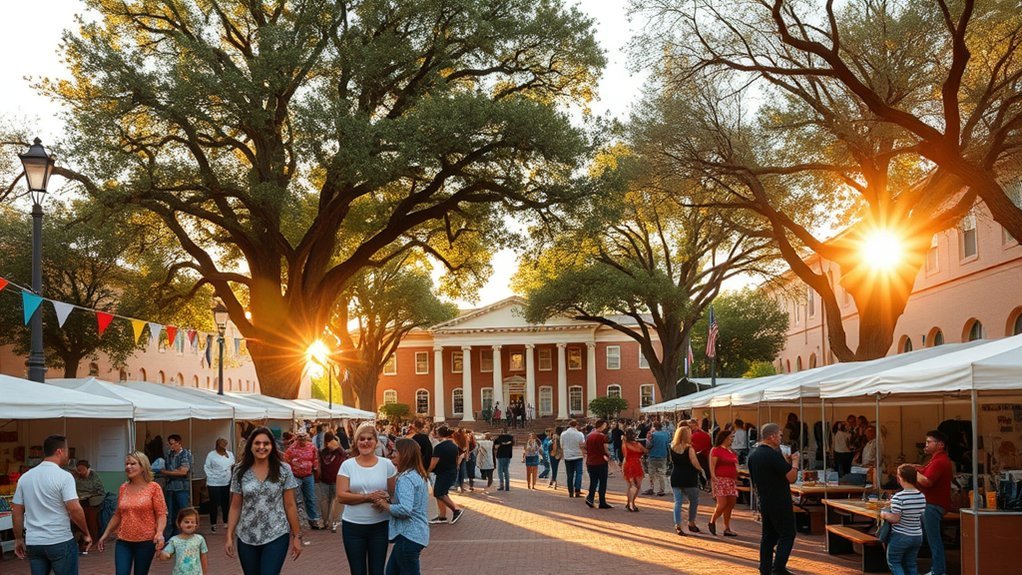
Courthouse Plaza functions as a major gathering place for Prescott’s concerts, arts shows, parades and seasonal celebrations. The exact calendar changes annually, which makes checking current dates essential.
For the remainder of 2026, the City of Prescott calendar includes events such as Labor Day arts and crafts programming, fall shows, the Veterans Day Parade, holiday events and the December Courthouse Lighting. The 72nd Annual Courthouse Lighting is scheduled for December 5, 2026.
Summer also brings concerts and major Western events, while arts organizations use the plaza for recurring fairs and sales. During large events, nearby streets and parking areas may close.
Use the City of Prescott Special Events calendar before traveling specifically for a festival.
Ride a Horse Near Prescott
Horseback riding fits naturally with Prescott’s ranching heritage and surrounding forest landscape. Guided riding opportunities may be available around the greater Prescott area, but operators, trail locations, minimum ages and schedules change.
Before booking, ask about the length of the ride, rider experience requirements, weight or age restrictions, helmets, closed-toe footwear, weather cancellation policies and whether the route uses public or private land.
- Choose a beginner ride if you have little or no saddle experience.
- Wear long pants and closed-toe shoes.
- Bring water and sun protection unless the operator provides them.
- Follow the guide’s spacing and handling instructions around other horses.
Prescott’s official tourism resources list horseback riding among the area’s outdoor activities, but you should verify the individual outfitter before building it into a fixed itinerary.
Photograph Thumb Butte at Sunrise or Sunset
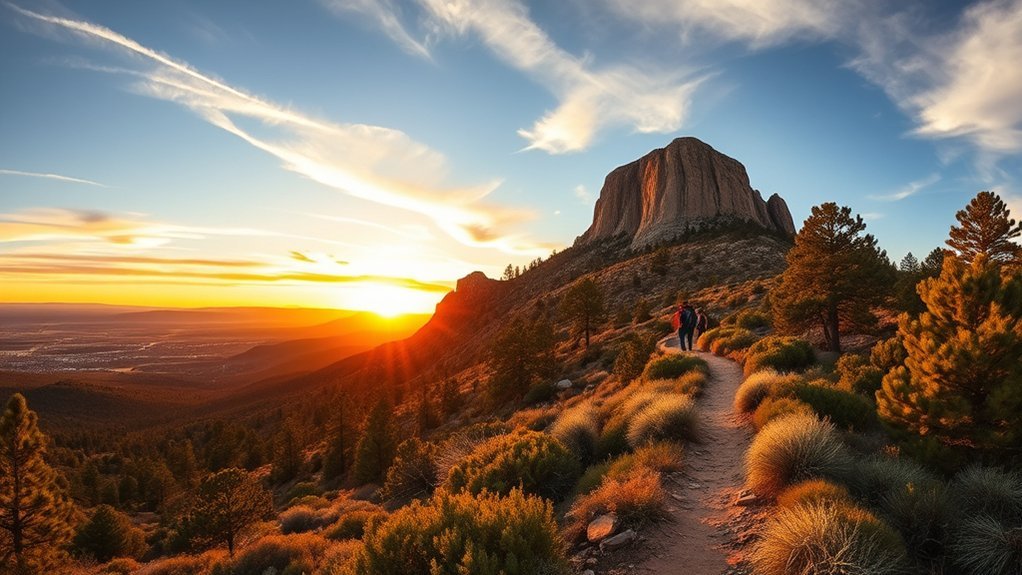
Thumb Butte is a strong photography subject because its profile can be seen from many parts of Prescott. You do not need to climb it to make a good image. Acker Park, city streets, designated roadside viewpoints and open areas around town can provide useful angles.
If you photograph from the Thumb Butte recreation area, stay on legal roads and trails. Do not cross seasonal closure boundaries for a composition.
A tripod helps in low light, while a longer lens can isolate the butte against changing sky. A wider lens works better when you want ponderosa pines, pinyon-juniper vegetation, granite or the surrounding city in the foreground.
Sunset is often easier logistically because you can scout in daylight. For sunrise, arrive early enough to park and walk safely without creating your own trail in the dark.
Ride or Hike the Peavine Trail
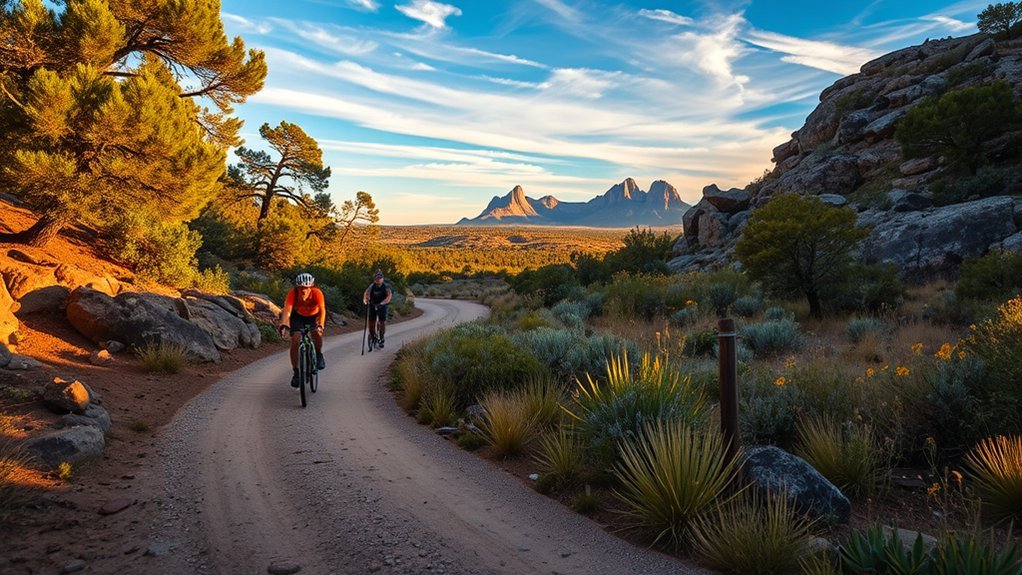
Instead of the unverified “Pete’s Hike and Bike Trail,” choose the established Peavine Trail. The rail-trail route approaches the Granite Dells near Watson Lake and is one of Prescott’s better options for an easier walk, run or bike ride.
The relatively gentle grade makes it useful when you want dramatic scenery without the steeper climbing found on many mountain trails. The Peavine also connects with other trails, including the Iron King system, allowing you to adjust the distance.
For an accessible introduction to Prescott’s trail network, the Peavine combines a generally easier rail-trail grade with close views of Watson Lake and the Granite Dells.
- Start with an out-and-back distance that matches your available time.
- Watch for cyclists, runners, walkers and other trail users.
- Carry water because much of the route is exposed.
- Combine it with Watson Lake for a half-day outdoor itinerary.
Current maps are available through the City of Prescott trail system.
Follow Prescott’s Heritage Trail and History Hunt
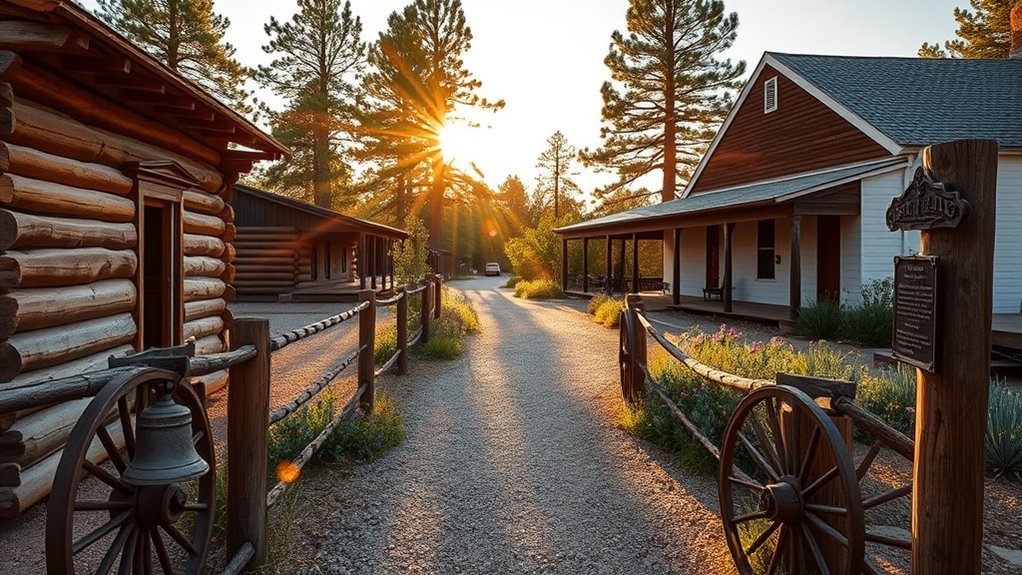
Rather than looking for an attraction called “Prescott History Park,” explore Prescott’s verified historic resources through the downtown Heritage Trail and History Hunt, historic plaques, preserved buildings and museums.
History in the Streets
Prescott’s downtown works well as an outdoor history lesson because historic commercial blocks, the Courthouse Plaza district, Whiskey Row and museums sit close together. Look for markers instead of relying only on storefront appearance to tell you what is original and what has been altered or rebuilt.
- Start around Courthouse Plaza and read the historical markers.
- Walk Whiskey Row and compare surviving architecture with historical photographs.
- Continue to Sharlot Hall Museum for deeper territorial context.
- Add the Museum of Indigenous People so the region’s history is not told only through settler narratives.
Historic Buildings
Prescott contains hundreds of historically significant structures, especially around downtown. Architectural styles, construction dates and uses vary widely, so a self-guided heritage walk is more accurate and interesting than treating the district as one recreated frontier environment.
Notice masonry storefronts, civic buildings, former hotels, theaters and commercial blocks. Some survived major downtown fires; others were rebuilt as Prescott changed through the territorial and early statehood periods.
Guided and Self-Guided Options
You can explore independently using historical markers and visitor information or book a local history tour. Private tour schedules and routes change, so verify the operator, duration, accessibility and cancellation terms before paying.
- Courthouse Plaza for civic history.
- Whiskey Row for commercial and saloon history.
- Sharlot Hall Museum for territorial history.
- Downtown plaques and heritage resources for architectural context.
Go Birdwatching in the Surrounding Woodlands
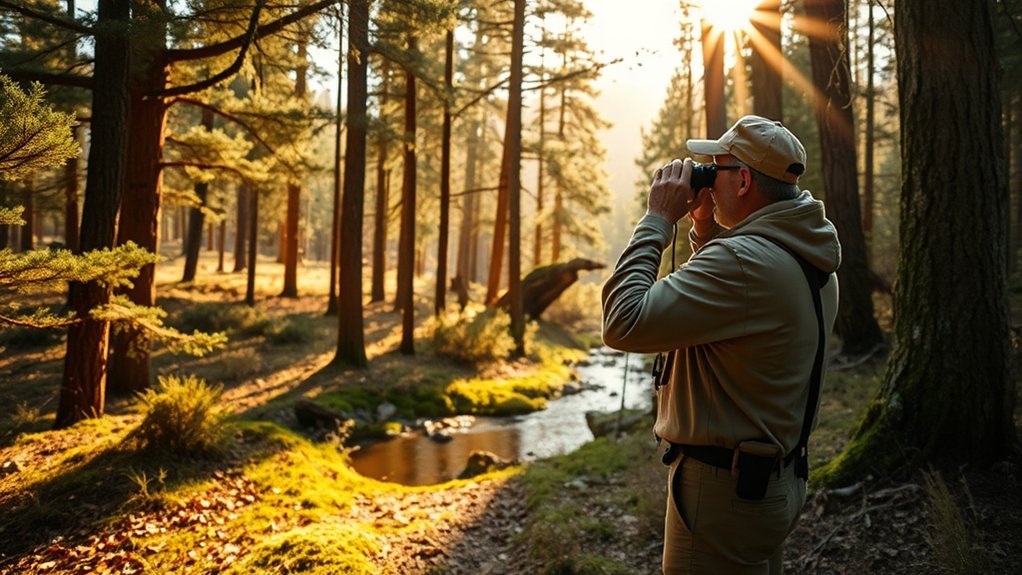
Prescott’s combination of ponderosa forest, pinyon-juniper woodland, lakes, riparian habitat and open country supports varied birdlife. Watson Woods Riparian Preserve is particularly useful because it combines water and vegetation close to the Granite Dells.
Early morning is usually the easiest time to listen for calls and find active birds. Bring binoculars and move slowly rather than trying to approach closely for photographs.
Other possibilities include Prescott National Forest trails, Willow Lake, Lynx Lake and nature-center grounds. Species change with season and habitat, so a current regional checklist or birding app is more useful than expecting one fixed set of birds.
Stay away from nests, do not use excessive playback, and keep dogs under control where they are permitted.
Visit the Highlands Center for Natural History
The Highlands Center for Natural History is a worthwhile addition for families, casual walkers and anyone who wants to understand the ecology of Arizona’s Central Highlands. The nonprofit nature center operates within Prescott National Forest and offers trails, Discovery Gardens, educational programs and seasonal events.
Its trails and gardens are currently free to visit, although programs and special events may have separate registration or fees. Check Highlands Center for Natural History for current hours and program information.
Tour Local Art Galleries in Historic Downtown

Prescott’s verified gallery scene is concentrated around historic downtown, not a clearly defined Miller Valley Road gallery strip. You can walk between cooperative galleries, artist studios and exhibition spaces near Courthouse Plaza, Cortez Street, Gurley Street and Whiskey Row.
Works range from Western landscapes and sculpture to jewelry, photography, ceramics, mixed media and contemporary art. Several galleries participate in Prescott’s 4th Friday Art Walk, a monthly event that has been part of the city’s arts scene since 2004.
- Browse galleries around Courthouse Plaza and nearby downtown streets.
- Look for changing exhibitions rather than expecting the same artists year-round.
- Visit during a 4th Friday Art Walk if you want receptions and special programming.
- Ask before photographing artwork inside individual galleries.
Use the official Prescott gallery directory to see current participants.
Take a Day Trip to Jerome or Sedona
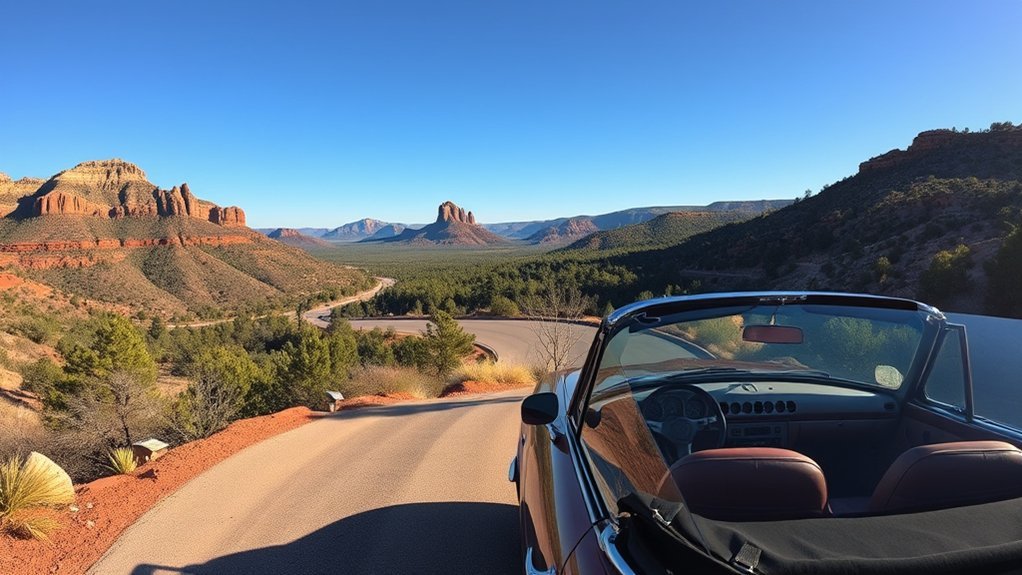
Prescott is well positioned for a day trip into the Verde Valley or Sedona area. Jerome offers a compact historic mining-town setting on a steep hillside, while Sedona is built around red-rock scenery, trails, galleries and scenic drives.
In Jerome, walk the historic streets, visit museums and galleries, and take in broad Verde Valley views. The Jerome Historical Society Mine Museum and Jerome State Historic Park provide more reliable historical context than relying only on ghost-town stories.
In Sedona, choose one or two priorities rather than trying to cover every famous trail in one afternoon. Bell Rock, scenic viewpoints, galleries, and short hikes can fit into a day, but parking and traffic can consume more time than expected during busy periods.
Jerome and Sedona can also be combined only if you are comfortable with a long day. For a slower trip, give each destination its own outing.
Enjoy Winter Hiking, Snow Play, and Seasonal Snowshoeing
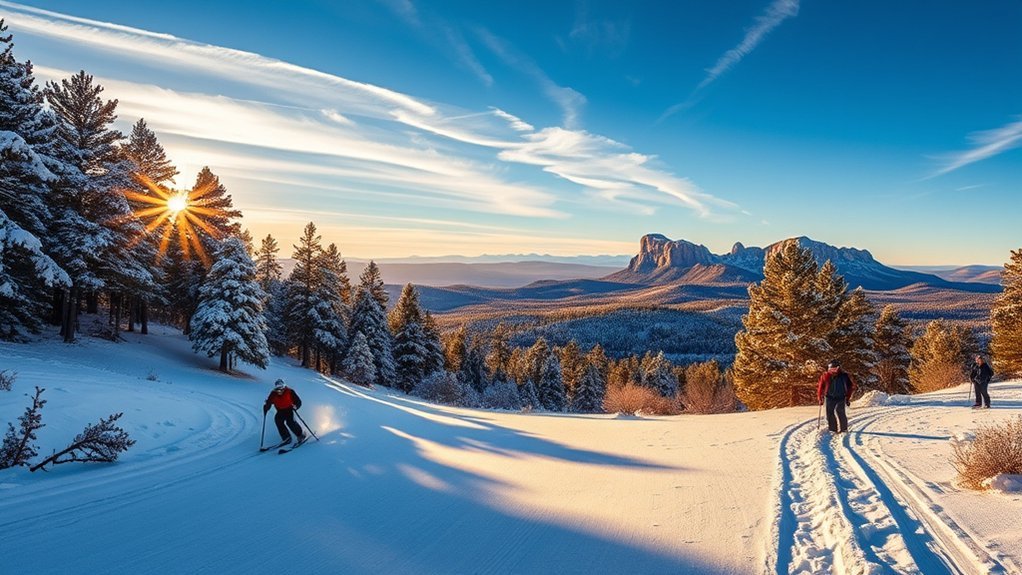
Prescott does receive winter weather, but do not plan the trip around an assumed local downhill ski resort. Winter recreation here is more dependent on natural snow conditions and can include hiking, snow play, snowshoeing and occasional cross-country skiing opportunities in suitable forest areas.
Some winters produce useful snow cover; other periods remain dry. Conditions can also vary sharply by elevation and sun exposure.
- Walk familiar trails after light snow only when footing is safe.
- Use traction devices if packed snow or ice is present.
- Try snowshoes or cross-country equipment only where depth and terrain are suitable.
- Check road conditions before driving into higher forest areas.
Do not drive around a seasonal gate or assume a snow-covered forest road is passable. Check Prescott National Forest notices and local road updates first.
Attend a Rodeo or Western-Themed Event

Prescott’s best-known Western event is Prescott Frontier Days and the World’s Oldest Rodeo, a local tradition dating to 1888. The 2026 rodeo ran from June 29 through July 5 at the Prescott Rodeo Grounds, with events including bareback riding, roping, saddle bronc riding, barrel racing and bull riding.
The surrounding celebration can also include downtown activities, dances, a parade and other Western-themed events. Because exact dates change each year, use the official World’s Oldest Rodeo website for future schedules and tickets.
| Event Type | When to Look | What to Expect |
|---|---|---|
| World’s Oldest Rodeo | Around late June/early July | Professional rodeo competition |
| Western festivals | Varies by calendar | Music, vendors and heritage programming |
| Parades | Major holiday/event dates | Floats, horses and community groups |
| Arts and crafts events | Multiple seasons | Regional artists and vendors |
Frequently Asked Questions
What is the best time of year to visit Prescott for mild weather?
Spring and fall are popular choices because daytime weather is often comfortable for walking and hiking. Conditions vary by year and elevation, however, so check the forecast before your trip. Summer offers the busiest event calendar but brings stronger sun and thunderstorms, while winter can bring freezing temperatures and snow.
Are there pet-friendly hotels and activities in Prescott?
Yes. Some Prescott hotels, patios, parks and trails allow pets, but policies differ by property and location. Confirm lodging fees and restrictions before booking, keep dogs leashed where required, and check trail or market rules individually. Prescott Farmers Market, for example, does not allow pets or support dogs, although trained ADA service dogs are permitted.
How accessible are Prescott attractions for visitors with mobility limitations?
Accessibility varies considerably. Courthouse Plaza and many downtown businesses have paved approaches, while historic buildings can have architectural limitations and Granite Dells trails may be rough or rocky. Museums and venues publish or provide accessibility information, so contact the specific attraction when you need accessible parking, seating, restrooms or step-free entry.
What public transportation is available in Prescott?
YAV Connect currently provides on-demand shared public transit in Prescott and Prescott Valley. Yavapai Regional Transit also operates scheduled regional routes connecting communities including Chino Valley and Prescott. Service areas, operating days, fares and accessibility options can change, so check the provider before relying on transit for a time-sensitive trip.
Are there guided ghost or history tours after dark?
Yes. Private operators offer Prescott history and haunted-history tours, particularly around the historic downtown area. Routes, age recommendations, accessibility and schedules vary, so confirm details with the operator rather than assuming a tour runs every night.
Can you swim in Watson Lake?
No. Swimming and full-body submersion are prohibited at Watson Lake. Kayaking, canoeing and other permitted boating activities are available, but visitors should follow current City of Prescott lake rules and posted safety information.
What are the best free things to do in Prescott?
Good free options include walking Courthouse Plaza and Whiskey Row, browsing downtown galleries, following historic markers, joining the 4th Friday Art Walk, exploring selected trails, visiting the Highlands Center grounds, and attending free community events when scheduled. Parking or special-program fees may still apply at some recreation areas.
Conclusion
Prescott works best when you mix its walkable historic center with the landscapes just beyond town. Spend time around Courthouse Plaza and Whiskey Row, then choose a trail, lake or Granite Dells outing that fits your ability and the day’s weather. Add Sharlot Hall Museum, the Museum of Indigenous People, Phippen Museum, local galleries or the Elks Theatre when you want history and culture between outdoor adventures.
Most importantly, plan around current conditions rather than old travel descriptions. Trail closures, museum access, event dates, transit services and lake rules change. With those details checked, Prescott gives you an unusually easy combination of Western history, forest trails, granite scenery, local art and community events in one compact Arizona destination.
Sources
- City of Prescott Recreation Areas — official information for Prescott trails, lakes and recreation sites.
- Prescott National Forest, U.S. Forest Service — trail access, forest recreation, closures and safety information.
- Sharlot Hall Museum — historic buildings and current Governor’s Mansion rehabilitation status.
- Museum of Indigenous People — current museum identity, mission and Indigenous cultural exhibits.
- Phippen Museum of Western Art & Heritage — current location, exhibitions, admission and visiting information.
- City of Prescott Special Events — current festival, parade, arts, rodeo-week and holiday-event scheduling.