Quick Answer
Asian pears are a low-fat, fiber-rich fruit that can support bowel regularity, contribute potassium and vitamin C, and help make meals more filling. A 122-gram raw Asian pear provides about 51 calories and 4.4 grams of fiber. They are nutritious, but they do not prevent or treat disease on their own.
Key Takeaways
- Asian pears provide about 3.6 grams of fiber per 100 grams and contain very little fat.
- Their fiber can support regular bowel movements, while their water content contributes to daily fluid intake.
- Potassium, vitamin C, and polyphenols add nutritional value, but human evidence for disease-specific benefits from Asian pears is still limited.
- People with IBS may find Asian pears trigger symptoms because nashi pears contain excess fructose and sorbitol.
Nutritional Value of Asian Pears
Asian pears are light in calories and notable for fiber rather than large amounts of vitamins or minerals. University of Rochester Medical Center nutrition data lists 51.2 calories, 4.39 grams of fiber, 8.6 grams of sugar, 147.6 milligrams of potassium, and 4.64 milligrams of vitamin C in a 122-gram raw Asian pear.
| Nutrient | Per 100 g | Per 122 g fruit |
|---|---|---|
| Calories | 42 kcal | 51.2 kcal |
| Fiber | 3.6 g | 4.39 g |
| Total sugars | 7.05 g | 8.6 g |
| Potassium | 121 mg | 147.6 mg |
| Vitamin C | 3.8 mg | 4.64 mg |
Serving size matters because Asian pears vary widely in size. A large fruit can contain more than twice the calories, carbohydrates, and fiber of the 122-gram reference fruit, so using weight is more accurate than calling one pear “small,” “medium,” or “large.”
Health Benefits of Asian Pears
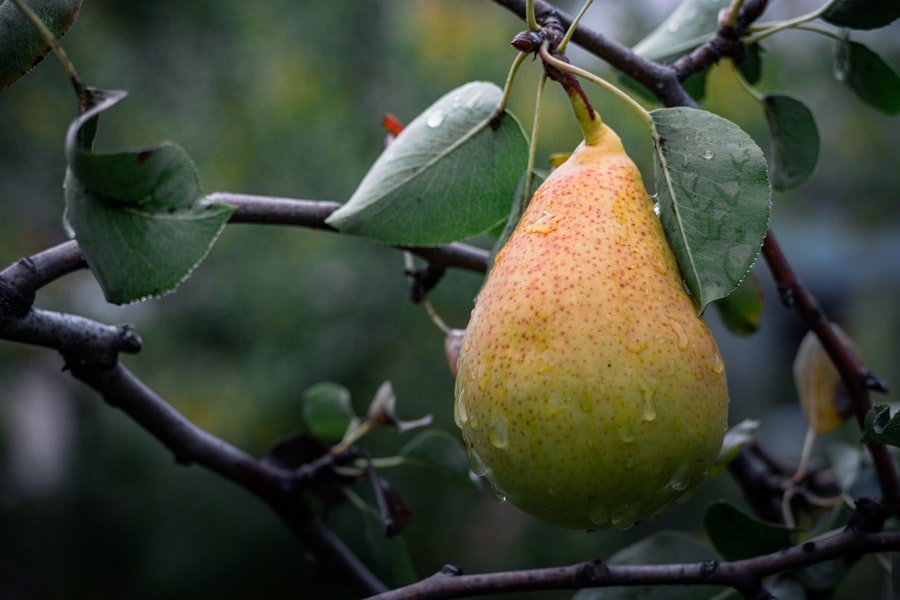
Asian pears can contribute to a healthy diet, but the evidence is stronger for their nutrients than for claims that the fruit directly prevents disease. A 2025 review of Asian pear research describes fiber and polyphenols as important components, while also calling for more research on their mechanisms and health effects.
Can Asian pears help with blood sugar control?
Asian pears contain natural sugar and carbohydrate, so they can raise blood glucose. However, eating the whole fruit also provides fiber. The American Diabetes Association includes fresh fruit among healthy choices for people with diabetes and notes that fruit carbohydrate should be counted as part of the meal plan.
If you monitor blood sugar, portion size and the rest of the meal matter more than labeling Asian pears as either “good” or “bad” for diabetes. Whole fruit is generally a better choice than juice when you want to keep the fruit’s fiber.
Asian Pears and Digestive Health
Asian pears can support digestive regularity because they provide both fiber and water. Fiber adds bulk to stool, while adequate fluid helps fiber work effectively. The fruit may be helpful for some people with constipation, but it can worsen bloating or bowel symptoms in others.
| Asian Pears and Digestive Health | Benefits |
|---|---|
| Fiber Content | About 3.6 g per 100 g can help increase daily fiber intake and support bowel regularity. |
| Water Content | Asian pears are about 88% water by weight, so they contribute to overall fluid intake. |
| Fructose and Sorbitol | These carbohydrates may contribute to a laxative effect but can also trigger symptoms in people sensitive to FODMAPs. |
| Whole Fruit | Eating the pear whole keeps more fiber than drinking pear juice. |
The National Institute of Diabetes and Digestive and Kidney Diseases recommends adequate fiber and fluids for constipation and lists pears among fiber-containing fruits.
Note: If you have irritable bowel syndrome, nashi pears may cause symptoms. Monash University’s FODMAP guidance lists nashi pears as high in excess fructose and sorbitol. A dietitian can help you work out your personal tolerance if symptoms are frequent.
Asian Pears and Heart Health
Asian pears can fit into a heart-healthy eating pattern because they provide fiber, potassium, and very little saturated fat or sodium. That does not mean one pear directly lowers cholesterol or blood pressure, but its nutrient profile works well in a diet built around fruits, vegetables, whole grains, and other minimally processed foods.
Potassium helps with normal cell, nerve, muscle, kidney, and heart function. The NIH Office of Dietary Supplements also notes that increasing dietary potassium while reducing sodium may help lower blood pressure. An Asian pear contributes potassium, though it is not among the most concentrated potassium foods.
Fiber is another useful part of the picture. Replacing lower-fiber snacks with whole fruit can help increase total daily fiber intake, which supports cardiovascular health as part of the overall diet.
Asian Pears and Weight Management
Asian pears can support weight-management goals because they offer a large amount of food volume, water, and fiber for relatively few calories. A 122-gram pear has about 51 calories, while a much larger 275-gram pear has about 116 calories, so size still matters.
Fiber can make a snack more filling, but Asian pears are not a weight-loss treatment. Their best use is practical: choose whole pear in place of a more calorie-dense sweet snack, or pair slices with a source of protein such as plain yogurt, cheese, or nuts when that fits your diet.
There is also no need to fear the fruit’s natural sugar when portions fit your overall eating plan. What matters most for body weight is the pattern of food and energy intake over time, not a single fruit.
Asian Pears and Immune System Support
Asian pears contribute vitamin C, but they are not an especially concentrated source. A 122-gram fruit provides about 4.6 milligrams, so it is more accurate to say Asian pears contribute to vitamin C intake than to call them an “immune-boosting” food.
According to the NIH vitamin C fact sheet, vitamin C supports normal immune function and acts as an antioxidant. It also helps the body make collagen. You will get the most reliable benefit by eating Asian pears as one part of a varied diet with many fruits and vegetables.
Asian Pears and Skin Health
Asian pears can support normal skin function indirectly by contributing water and vitamin C to your diet. Vitamin C is required for collagen production, but eating Asian pears does not by itself prevent wrinkles, reverse sun damage, or guarantee more hydrated skin.
The fruit also contains plant compounds such as polyphenols. These compounds are being studied for antioxidant activity, but research on Asian pears does not justify treating the fruit as a skin therapy. For skin health, diet works best alongside sun protection, adequate sleep, and other healthy habits.
How to Incorporate Asian Pears into Your Diet
Asian pears are easy to use because they stay firm and crisp when ripe. You can eat them chilled and sliced, add them to salads, or pair them with savory and sweet foods without needing to cook them first.
- Fresh snack: Wash the pear, slice it, and eat it with the peel if you tolerate the texture.
- Salads and slaws: Thin slices add crunch beside leafy greens, cabbage, nuts, or cheese.
- Breakfast: Dice the fruit over oatmeal or plain yogurt.
- Cooked dishes: Add slices near the end of a stir-fry or roast them with savory ingredients.
- Dessert: Poach or stew Asian pears with cinnamon or ginger instead of relying on heavily sweetened desserts.
- Smoothies: Blend a small portion with yogurt or other fruit, remembering that blending makes the fruit easier to consume quickly than eating it whole.
If your goal is fullness or steadier portion control, whole slices are usually the simplest choice because chewing slows the pace of eating and keeps the fruit’s fiber intact.
Tips for Selecting and Storing Asian Pears
Choose Asian pears that feel firm and are free from major bruises, soft spots, or broken skin. Do not wait for them to become soft like Bartlett pears. Asian pears generally ripen on the tree and are commonly sold ready to eat.
Color depends on the variety, so use condition and aroma rather than one universal color rule. Some mature varieties become yellowish, while russet-skinned types can be golden or brown. Handle them gently because the fruit can bruise even when it still feels hard.
Oregon State University Extension says ripe Asian pears can keep for about one week at room temperature and up to three months in the refrigerator. Actual storage life depends on the variety and the fruit’s condition when you buy it.
Frequently Asked Questions
What are Asian pears?
Asian pears are true pears known for their round shape, crisp flesh, and juicy texture. They are often called nashi, apple pears, Korean pears, or Japanese pears. Unlike many European pears, they are typically crisp when ripe rather than soft and buttery.
What are the main benefits of Asian pears?
The main benefits of Asian pears are their fiber, water, potassium, vitamin C, and low fat content. These nutrients can support regular digestion and contribute to a balanced eating pattern. Claims that Asian pears directly prevent chronic disease are stronger than current human evidence supports.
How many calories and how much fiber are in an Asian pear?
A 122-gram raw Asian pear contains about 51 calories and 4.4 grams of fiber. Larger fruit can contain substantially more of both, so weight is more useful than vague size labels when you need precise nutrition information.
Can people with diabetes eat Asian pears?
Yes, Asian pears can fit into a diabetes meal plan, but they still contain carbohydrate and natural sugar. Portion size, medicines, activity, and the rest of the meal all affect blood glucose. Whole fruit keeps the fiber that is largely lost when fruit is juiced.
Can Asian pears cause digestive problems?
Yes, Asian pears can cause bloating, gas, or bowel symptoms in some people with IBS because nashi pears contain excess fructose and sorbitol. People without FODMAP sensitivity often tolerate them normally. If symptoms repeat, reduce the portion and discuss persistent problems with a qualified clinician or dietitian.
How can Asian pears be incorporated into a healthy diet?
Asian pears work well as a fresh snack, in salads and slaws, over oatmeal or yogurt, or in cooked savory dishes. You can also poach or stew them for dessert. Eating the fruit whole is the simplest way to keep its fiber.
How long do Asian pears last?
Ripe Asian pears can last about one week at room temperature and up to three months in the refrigerator under good storage conditions. Handle them gently because bruising can shorten storage life. Fruit that develops soft, damaged, moldy, or fermented-smelling areas should be discarded.
Enjoying the Health Benefits of Asian Pears
Asian pears are most useful as a crisp, fiber-containing whole fruit, not as a cure or supplement. Enjoy them fresh or in meals, keep portions appropriate for your needs, and refrigerate ripe fruit when you want it to last longer.
The practical takeaway is simple: Asian pears can help you add variety, fiber, and fruit to your diet. Their health value comes from how they fit into your overall eating pattern rather than from any single “superfood” effect.
Sources
- University of Rochester Medical Center: Asian pear calories, fiber, sugar, potassium, vitamin C, and other nutrient values.
- PubMed: 2025 Asian pear review: Asian pear fiber, polyphenols, research findings, and evidence gaps.
- American Diabetes Association: fruit choices and carbohydrate considerations for diabetes meal planning.
- National Institute of Diabetes and Digestive and Kidney Diseases: fiber, fluids, pears, and constipation guidance.
- Monash University FODMAP: nashi pears, excess fructose, sorbitol, and IBS considerations.
- NIH Office of Dietary Supplements: Potassium: potassium functions and blood-pressure evidence.
- NIH Office of Dietary Supplements: Vitamin C: immune function, antioxidant activity, and collagen synthesis.
- Oregon State University Extension: ripeness, selection, handling, and storage of Asian pears.
”’
print(“chars”, len(html), “words approx”, len(re.findall(r”\b[\w’-]+\b”, re.sub(r’<[^>]+>’,’ ‘,html))))
print(“imgs”, re.findall(r’