What does papaya fruit taste like? A ripe papaya is mildly sweet, juicy, and soft, with a flavor closest to cantaloupe plus a gentle tropical note that can resemble mango. Some varieties also have a noticeable musky aroma. Green papaya is very different: it is crisp, mild, and barely sweet.
Carica papaya is native from southern Mexico through parts of Central America to northern South America, according to Kew Science. Today, papaya is grown throughout tropical and subtropical regions and is used in everything from fresh fruit plates to salads, sauces, drinks, and savory dishes.
Quick Answer
Ripe papaya tastes mildly sweet, juicy, and tropical, with a flavor closest to cantaloupe and a softer hint of mango. Its texture is smooth and buttery, and some varieties have a musky aroma. Green papaya is not sweet; it is crisp, mild, and better suited to salads, curries, and pickles.
Last checked: October 2, 2026. Dates and figures were verified against official sources.
Key Takeaways
- For the sweetest flavor, choose papaya that has already developed some yellow or orange skin and yields slightly to gentle pressure.
- Green papaya has a neutral, crunchy texture and is normally treated more like a vegetable than a dessert fruit.
- A squeeze of lime or lemon can balance papaya’s musky aroma and make its mild sweetness taste brighter.
- Papaya is rich in vitamin C, but claims that papaya leaves or seeds can detoxify the body or treat disease are not well established.
What Does Papaya Fruit Taste Like?
Ripe papaya tastes mildly sweet, tropical, and slightly musky. Its soft flesh is smoother and creamier than melon, while its flavor is less intense and less acidic than mango or pineapple. A properly ripe fruit should taste pleasantly sweet rather than bitter, sharply sour, or fermented.
| Papaya stage | Typical taste | Texture | Best use |
|---|---|---|---|
| Green or unripe | Very mild, vegetal, sometimes slightly bitter | Firm and crunchy | Salads, curries, pickles, savory cooking |
| Ripe | Sweet, melon-like, tropical, sometimes musky | Soft, juicy, buttery | Fresh eating, smoothies, salsa, desserts |
| Overripe | Strongly aromatic and sometimes fermented-tasting | Very soft or mushy | Use only if still sound and free of spoilage |
What Fruit Does Papaya Taste Most Like?
Cantaloupe is probably the closest familiar comparison. Papaya shares melon’s mild sweetness but has a creamier texture and a more tropical aroma. Mango is usually sweeter and more intense, while pineapple has much more acidity and sharpness.
Some people also notice peach-like notes. The comparison is never exact because papaya has its own musky aroma, and that aroma can change considerably between cultivars.
Why Does Papaya Sometimes Taste Musky?
The musky quality comes from papaya’s natural aroma compounds. Some people find that fragrance pleasantly tropical, while others perceive it as heavy or unusual. The effect becomes more noticeable in certain varieties and in fruit that is very ripe.
If you dislike that note, try a just-ripe fruit rather than an extremely soft one. Chilling the cut fruit and adding a little lime or lemon can also make the flavor seem fresher and brighter.
Do Papaya Varieties Taste Different?
Yes. Cultivars differ in sweetness, flesh color, aroma, texture, and fruit size. UF/IFAS cultivar information describes Kapoho Solo as having a peach-melon flavor, Sunrise Solo as very sweet, Maradol as very sweet, and Tainung as having a melon-like flavor.
That variety difference helps explain why two papayas bought at different stores can leave very different impressions. If one fruit tastes bland or unusually musky, it does not necessarily represent every type of papaya.
The Health Benefits of Papaya
Papaya is a nutrient-rich fruit, especially for vitamin C, but it should not be treated as a cure-all. Its strongest nutritional value comes from supplying vitamin C, carotenoids, folate, fiber, potassium, and other nutrients as part of an overall balanced diet.
The USDA’s FoodData Central data for raw papaya, FDC ID 169926, lists about 43 calories, 60.9 mg of vitamin C, 1.7 g of fiber, 182 mg of potassium, 47 mcg RAE of vitamin A, and 37 mcg of folate per 100 g.
Vitamin C acts as an antioxidant and is needed for collagen production and other normal body functions. The NIH Office of Dietary Supplements also notes that vitamin C is an essential nutrient involved in several normal physiological processes.
Papaya contains papain, a protein-breaking enzyme found particularly in the latex of unripe fruit. Papain is why papaya has long been used in meat tenderizers. However, the presence of papain does not mean fresh papaya has been proven to treat digestive disorders.
Note: Papaya is food, not a substitute for medical treatment. People with latex allergy can sometimes react to papaya because of latex-fruit cross-reactivity, according to MedlinePlus. Seek medical advice if you have had a serious reaction to latex or papaya.
How to Select and Store Papaya
)
For sweet fresh papaya, choose fruit that already shows some yellow or orange color and gives slightly when pressed gently. A fully green papaya is better if you specifically want green papaya for cooking rather than a sweet fruit to eat with a spoon.
UC Davis Postharvest Research and Extension reports that papayas harvested from one-quarter yellow through fully yellow taste better than fruit picked at an earlier mature-green stage. It also notes that papayas do not become significantly sweeter after harvest.
This means a green papaya may soften and change color as it sits, but waiting cannot fully replace the sweetness that develops while the fruit remains on the plant. If flavor is your priority, start with a papaya that already has visible yellowing.
Once the papaya is ripe, refrigeration slows further ripening. Cut fruit should be covered or kept in a sealed container and refrigerated. Discard papaya that develops mold, leaking areas, an obviously fermented odor, or extensive decay.
Pro Tip: If you want papaya for breakfast or dessert, buy one with some yellow skin rather than a completely green specimen. A paper bag can speed softening and color change, but it cannot make an immature papaya develop the same sweetness as fruit harvested further along.
Different Ways to Enjoy Papaya
| Ways to Enjoy Papaya | Description |
|---|---|
| Papaya Smoothie | Blend ripe papaya with yogurt, milk, or coconut milk for a smooth tropical drink. |
| Papaya Salad | Use ripe papaya in fruit salad or shredded green papaya in a crisp savory salad. |
| Papaya Salsa | Combine diced ripe papaya with tomato, onion, cilantro, lime, and chili. |
| Papaya Sorbet | Puree ripe papaya and freeze it as a light fruit dessert. |
The simplest way to eat ripe papaya is fresh. Wash the outside, cut the fruit lengthwise, scoop out the black seeds, and eat the orange or red flesh with a spoon or cut it into pieces.
Lime is one of the best partners for ripe papaya because its acidity balances the fruit’s mild sweetness and musky aroma. Chili and a small amount of salt can push the flavor in a more savory direction.
For smoothies, papaya adds body without the strong acidity of pineapple. It pairs well with banana, mango, yogurt, coconut milk, ginger, and citrus.
Green papaya serves a different purpose. Because the flesh is crisp and neutral, it takes on the flavor of dressings, herbs, spices, and sauces instead of dominating the dish.
Papaya in Culinary Culture
Papaya appears in both sweet and savory cooking across tropical regions. Ripe fruit is commonly eaten fresh or used in drinks, desserts, fruit salads, chutneys, and salsas, while green papaya is treated much more like a vegetable.
One of the best-known examples is Thai green papaya salad, often called som tam. Shredded unripe papaya provides crunch while lime, chili, fish sauce, sugar, tomatoes, and other ingredients supply most of the dish’s bold flavor.
Elsewhere in South and Southeast Asia, green papaya may be cooked in curries, soups, and stir-fries. In parts of Latin America and the Caribbean, ripe papaya is widely used in breakfast plates, juices, desserts, sauces, and fruit combinations.
This flexibility comes from the contrast between the two stages of the fruit. Ripe papaya contributes sweetness and softness, while green papaya contributes structure and absorbs surrounding flavors.
Papaya in Traditional Medicine: What the Evidence Says
)
Papaya fruit, leaves, seeds, and latex have a long history of traditional use, especially for digestive complaints. That history is real, but traditional use should be separated from claims that a papaya remedy has been clinically proven to treat a disease.
A small double-blind placebo-controlled study indexed by PubMed tested a specific fermented papaya preparation in people with chronic digestive complaints. Improvements were reported for constipation and bloating during the treatment period, but that study does not establish that ordinary fresh papaya, papaya leaves, or papaya seeds will produce the same effect.
Claims that papaya leaf tea can broadly “boost immunity,” that seeds reliably eliminate parasites, or that papaya “detoxifies” the body go beyond the evidence available for normal dietary use. These products should not replace diagnosis or treatment for persistent digestive symptoms, infection, fever, or other medical problems.
Papaya Farming and Sustainability
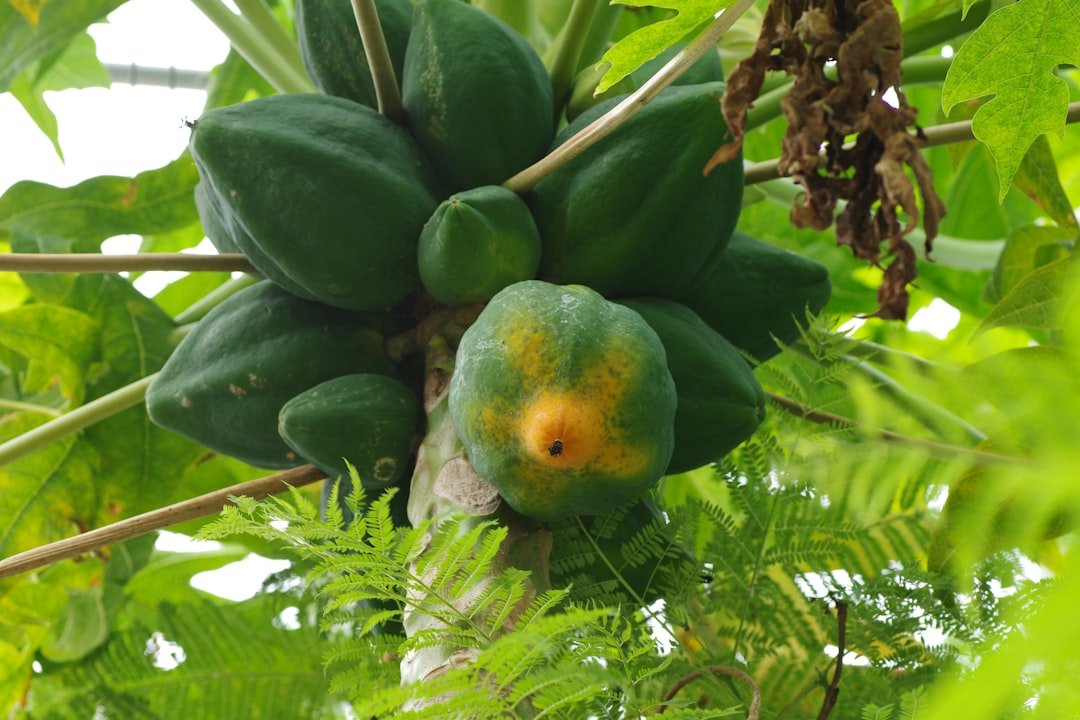
Papaya is a fast-growing tropical crop that performs best in warm conditions with sunlight and well-drained soil. Although people commonly call it a papaya tree, botanically it is a large, tree-like herb rather than a conventional woody tree, and some plants can approach 10 meters in height.
Commercial growers choose cultivars based on fruit size, flavor, market demand, climate, and disease pressure. Papaya ringspot virus is especially important in some production regions and has influenced breeding and cultivar choice.
Sustainability depends on how the crop is grown rather than on papaya having one fixed environmental footprint. Soil protection, efficient water and fertilizer use, careful pest management, crop diversity, and avoidance of unnecessary land clearing can all affect the environmental impact of production.
Intercropping and organic production are used in some papaya systems, but they are not automatically appropriate for every farm. Local rainfall, soil, pest pressure, available labor, and market requirements determine which practices make sense.
Papaya: A Versatile Ingredient in Recipes
Papaya works in more than fruit bowls because its flavor changes dramatically with ripeness. Use ripe fruit when you want sweetness and creaminess; use green papaya when you want crunch, a neutral base, or the protein-breaking action of papain.
Ripe papaya can be blended into smoothies, sauces, dressings, frozen desserts, or baked mixtures. Its soft texture also makes it easy to mash into yogurt, oatmeal, or chilled desserts.
For savory food, diced ripe papaya pairs well with lime, chili, herbs, onion, fish, and grilled meat. Green papaya can be shredded, julienned, pickled, simmered, or added to curries and soups.
Using Papaya as a Meat Tenderizer
Unripe papaya contains papain, an enzyme that breaks down proteins. That makes green papaya useful in marinades and commercial meat tenderizers.
The same reaction can go too far. Leaving papain-rich papaya in contact with meat for an excessive period can make the surface unusually soft or mushy, so tenderizing recipes should be followed with care rather than assuming more papaya or more time will produce better results.
The Global Impact of Papaya Production
Papaya is now an important commercial fruit across Asia, the Caribbean, Latin America, and other tropical regions. The latest FAOSTAT crop-production dataset covers national agricultural production through 2024.
FAOSTAT-derived 2024 figures put global papaya production at roughly 14.7 million metric tons. India remained the largest producer at about 5.29 million tons, followed by the Dominican Republic at roughly 1.94 million and Indonesia at about 1.21 million. Brazil and Mexico each produced a little over 1.1 million tons.
Those figures show how far papaya has spread from its American origins. They also explain why consumers encounter very different cultivars, sizes, flesh colors, and flavor profiles depending on where they live.
As with other expanding crops, production can create environmental pressure if farms rely on poor soil management, excessive inputs, or conversion of natural habitat. Responsible land and water management therefore matter as much as yield.
Papaya: A Nutrient Powerhouse
Papaya earns its nutritional reputation mainly from vitamin C and a useful mix of carotenoids, folate, fiber, and potassium. It is also mostly water and relatively low in calories, making it easy to incorporate into fruit-based meals without relying on added sugar.
| Nutrient in raw papaya | Amount per 100 g |
|---|---|
| Energy | 43 kcal |
| Vitamin C | 60.9 mg |
| Dietary fiber | 1.7 g |
| Potassium | 182 mg |
| Vitamin A | 47 mcg RAE |
| Folate | 37 mcg |
These numbers are more useful than calling papaya a “superfood,” because they show exactly what the fruit contributes. Papaya can support a nutritious eating pattern, but no single fruit prevents chronic disease on its own.
How to Get the Best Papaya Flavor
The best-tasting papaya is ripe enough to be sweet and soft without becoming mushy or strongly fermented. Look for visible yellowing, a slight give under gentle pressure, and a pleasant fruit aroma.
Once cut, try the papaya plain first. If the musky note is stronger than you like, chill it or add a squeeze of lime. That simple adjustment often brings the fruit’s mild melon-like sweetness forward without covering it up.
If you dislike ripe papaya entirely, green papaya may still be worth trying. Its crunchy texture and mild flavor create a completely different eating experience in salads, pickles, soups, and other savory dishes.
Frequently Asked Questions
What does papaya fruit taste like?
Ripe papaya tastes mildly sweet, tropical, and slightly musky, with a flavor often compared with cantaloupe and a gentle hint of mango. The flesh is soft, juicy, and buttery rather than crisp. Flavor varies with ripeness and variety, so one papaya can taste sweeter or muskier than another.
Is papaya fruit sweet or sour?
Ripe papaya is mainly sweet, not sour. It has low sharpness compared with pineapple or citrus, although a faint tang can be present. Green papaya is much less sweet and tastes mild or slightly vegetal, which is why it works well in savory salads, curries, and pickles.
Does papaya fruit have a strong flavor?
Papaya usually has a mild flavor, but its aroma can be noticeable. Some varieties have a stronger musky note, especially when very ripe. If that aroma bothers you, choose fruit that is ripe but still firm enough to hold its shape and add a little lime or lemon before serving.
What factors can affect the taste of papaya fruit?
Ripeness, cultivar, harvest maturity, and growing conditions can all change papaya flavor. Fruit harvested after some yellow color develops generally tastes better than fruit picked too green. Overripe papaya may become mushy and strongly aromatic, while properly ripe fruit is sweeter, smoother, and more balanced.
Can the taste of papaya fruit vary between different varieties?
Yes. Papaya cultivars can differ in sweetness, flesh color, aroma, and texture. UF/IFAS describes Kapoho Solo as having a peach-melon flavor, Sunrise Solo as very sweet, Maradol as very sweet, and Tainung as melon-like. The variety you buy can therefore change your first impression of papaya.
How is papaya fruit typically used in cooking?
Ripe papaya is commonly eaten fresh or used in smoothies, fruit salads, salsas, desserts, and sauces. Green papaya is firmer and more neutral, so it is shredded into salads or cooked in savory dishes. Papain from unripe papaya also breaks down proteins, which is why papaya is used in meat tenderizing.
What does green papaya taste like?
Green papaya is crisp, mild, and only faintly vegetal, with little of the sweetness found in ripe fruit. Its neutral flavor lets it absorb sour, salty, spicy, and sweet dressings. In texture, it is closer to jicama or a firm cucumber than to soft, ripe papaya.
Why does papaya sometimes taste or smell musky?
Papaya naturally contains aromatic compounds that some people perceive as pleasantly tropical and others as musky or overly strong. The effect varies by cultivar and ripeness. Very ripe fruit usually smells stronger, so choosing a just-ripe papaya and adding citrus can make the flavor seem brighter and less heavy.
Sources
- Kew Science — Carica papaya: Native range and botanical background.
- UC Davis Postharvest Research and Extension Center: Papaya maturity, flavor development, ripening, and storage guidance.
- University of Florida IFAS Extension: Papaya cultivar characteristics and flavor differences.
- USDA FoodData Central: Raw papaya nutrient composition, including vitamin C, fiber, potassium, vitamin A, folate, and calories.
- NIH Office of Dietary Supplements: Functions of vitamin C and antioxidant activity.
- MedlinePlus: Latex-fruit syndrome and the association between latex allergy and papaya reactions.
- PubMed: Controlled study of a specific papaya preparation for digestive symptoms and its limitations.
- FAOSTAT: Crop production, yield, and harvested-area data through 2024.