Oven-baked bacon-wrapped hot dogs are an easy way to get crisp bacon around a hot, juicy frank without standing over a grill. The key is choosing bacon that can render before the hot dog dries out, wrapping it in a snug spiral, and leaving enough space around each one for the bacon to brown. This guide covers the full oven method, toppings, food-safety checks, make-ahead tips, and common fixes.
Quick Answer
For bacon-wrapped hot dogs in the oven, heat the oven to 400°F (200°C), spiral one slice of bacon around each hot dog, and place them on a lined rimmed baking sheet. Bake for about 20–25 minutes, turning once, until the bacon is fully cooked and crisp. Remove any toothpicks before serving.
At a Glance
| Time Required | About 25–35 minutes, depending on bacon thickness and your oven |
| Difficulty | Easy |
| Tools Needed | Rimmed baking sheet, parchment paper or foil, and tongs; toothpicks or an oven-safe rack are optional |
Choosing the Best Hot Dogs and Bacon
The best combination is a hot dog you already enjoy and bacon that cooks at roughly the same pace. Beef, pork, turkey, chicken, and plant-based hot dogs can all work, but always follow the package directions if the product is not sold fully cooked.
For the easiest oven method, thin or regular-cut bacon usually wraps and crisps more predictably than very thick bacon. Thick-cut bacon can still work, but it often needs more time for its fat to render, which can leave the hot dog cooking longer than necessary.
You normally need one full strip of bacon for each standard-size hot dog. Jumbo hot dogs or unusually short bacon slices may require more.
If you use raw pork bacon, remember that it is not ready to eat just because it has been cured or smoked. The USDA bacon safety guidance explains that ordinary packaged bacon must be cooked unless the label specifically identifies it as fully cooked or ready to eat.
Preparing the Hot Dogs for Baking
Start by heating your oven to 400°F (200°C). Use a rimmed baking sheet because bacon releases fat as it cooks. Line the pan with parchment paper or foil to make cleanup easier.
Remove the hot dogs from their package and pat the surfaces dry with paper towels. A dry surface gives the bacon more grip and reduces extra moisture on the pan.
You may cut a few shallow diagonal slits in each hot dog if you like the appearance or want seasoning to reach more surface area. This step is optional. Keep the cuts shallow so the hot dog stays intact, especially if you plan to add cheese.
Wrapping the Hot Dogs in Bacon
Wrap each hot dog from one end to the other in a diagonal spiral. Keep the bacon snug without stretching it tightly, because bacon shrinks as its fat renders.
| Hot Dog Wrapping Guide | Recommended Method |
|---|---|
| Bacon per Standard Hot Dog | Usually 1 slice |
| Wrapping Style | Diagonal spiral from end to end |
| Overlap | Slight overlap only; heavy overlap can slow crisping |
| Keeping Bacon in Place | Set seam-side down or secure loose ends with wooden toothpicks |
Try not to create thick layers where the bacon overlaps itself several times. Those areas cook more slowly and can remain soft after the exposed portions have browned.
If the bacon will not stay in place, secure each end with a wooden toothpick. Remember where the toothpicks are so you can remove every one before serving.
Adding Flavor with Seasonings and Toppings
Bacon already brings salt, smoke, and fat, so you do not need heavy seasoning. Garlic powder, onion powder, smoked paprika, black pepper, or a small amount of cayenne can add flavor without covering up the bacon.
Season the outside lightly before baking. Avoid adding thick sugary sauces too early because sugar can darken before the bacon has finished cooking. Barbecue sauce is easier to control when brushed on near the end or added after baking.
For serving, classic toppings include mustard, ketchup, relish, diced onions, and shredded cheese. Jalapeños add heat, while avocado, tomatoes, coleslaw, or crispy onions add contrasting texture.
How to Bake Bacon-Wrapped Hot Dogs in the Oven
Baking at 400°F (200°C) gives the bacon enough heat to render and brown while the hot dogs warm through. The exact time depends on bacon thickness, hot-dog size, pan material, and how your oven heats.
- Preheat the oven. Set it to 400°F (200°C) and let it reach temperature before the pan goes in.
- Arrange the hot dogs. Place the wrapped hot dogs seam-side down on the prepared baking sheet with space between them.
- Bake until the bacon begins to brown. Let the bacon render without crowding the pan.
- Turn them halfway through. Use tongs to rotate each hot dog so the bacon browns more evenly.
- Finish until the bacon is fully cooked. A total bake time of about 20–25 minutes works for many regular-cut bacon and hot-dog combinations, but start checking earlier if your bacon is thin or your oven runs hot.
- Rest briefly and remove toothpicks. Let the hot dogs sit for a few minutes before transferring them to buns.
Pro Tip: An oven-safe wire rack set over the baking sheet can expose more of the bacon to circulating heat. A lined sheet pan without a rack also works; just turn the hot dogs halfway through.
How Do You Know Bacon-Wrapped Hot Dogs Are Done?
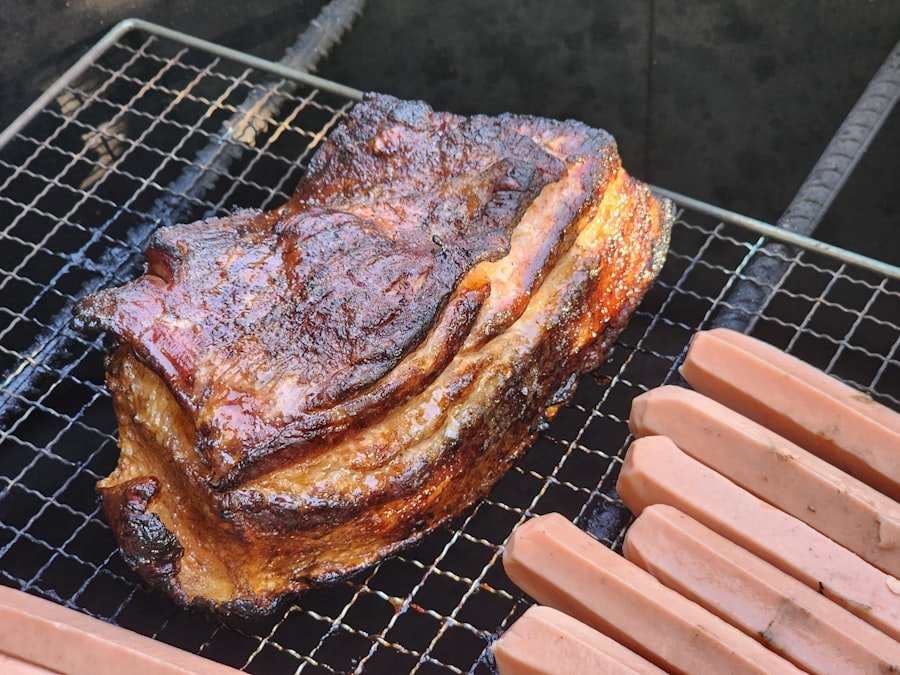
The clearest visual sign is bacon that looks fully cooked and browned rather than pale, soft, or raw. Bacon color alone can vary because curing keeps some cooked bacon pink, so look at its overall cooked texture as well.
Standard packaged hot dogs are generally sold fully cooked, but the bacon around them may be raw. That means the bacon is usually the ingredient that determines when the dish is finished.
Warning: People at higher risk from Listeria, including pregnant people, older adults, and people with weakened immune systems, should eat hot dogs only after they are thoroughly reheated. FDA guidance recommends 165°F (74°C) for hot dogs served to people in these higher-risk groups.
Serving Suggestions for Bacon-Wrapped Hot Dogs
Serve bacon-wrapped hot dogs while the bacon is still crisp. Warm or lightly toasted buns work especially well because they hold up better against bacon fat and moist toppings.
For a simple meal, pair them with fries, potato wedges, chips, coleslaw, baked beans, or a green salad. If you are feeding a group, put toppings in separate bowls so each person can build a different combination.
A toppings bar can include mustard, ketchup, relish, chopped onions, jalapeños, tomatoes, shredded cheese, avocado, barbecue sauce, and crispy onions. Keep wet toppings such as slaw or tomatoes until just before eating so the buns do not become soggy.
Tips for Crispier Bacon and More Even Cooking
Most problems with bacon-wrapped hot dogs come from bacon thickness, overcrowding, or loose wrapping. Small adjustments usually fix them.
- If the bacon stays pale: Leave more space between the hot dogs so hot air can circulate, and turn them during baking.
- If the bacon unwraps: Put the loose end underneath the hot dog or hold each end with a wooden toothpick.
- If some hot dogs brown faster: Rotate the baking sheet halfway through cooking.
- If thick bacon is still soft: Give it more time and judge the bacon rather than relying only on the clock.
- If the bacon gets dark too quickly: Start checking sooner on the next batch, especially with very thin or sweetened bacon.
- If the pan becomes greasy: Use a rimmed sheet, not a flat cookie sheet, so rendered fat stays contained.
Avoid partially cooking raw bacon, refrigerating it, and finishing it hours later. USDA advises cooking partially cooked bacon immediately rather than holding it for later.
Lighter Options for Bacon-Wrapped Hot Dogs
If you want to reduce calories, saturated fat, or sodium, compare the actual Nutrition Facts panels rather than assuming a turkey, chicken, beef, or plant-based product is automatically lighter. Recipes and brands vary widely.
The FDA Nutrition Facts guide suggests using the percent Daily Value to compare products. As a general guide, 5% Daily Value or less is considered low for a nutrient, while 20% or more is considered high.
You can also reduce the richness of the finished meal by using one slice of bacon rather than doubling it, choosing smaller portions, adding vegetable toppings, or serving the hot dog with a salad instead of a heavier side.
Turkey bacon can be an option, but it is not automatically lower in every nutrient. Compare saturated fat and sodium on the packages you are considering.
Variations and Creative Twists
The basic oven method is easy to customize because the bacon wrap works with different fillings, seasonings, and toppings. Keep additions modest so the hot dog still wraps securely.
Cheese-Stuffed Bacon-Wrapped Hot Dogs
Cut a shallow lengthwise pocket without slicing all the way through the hot dog. Add a narrow strip of cheddar, pepper jack, or another melting cheese, then wrap the bacon around the outside. Place the opening upward when possible to reduce cheese loss.
Spicy Bacon-Wrapped Hot Dogs
Add sliced jalapeños, pepper jack cheese, cayenne, hot sauce, or spicy mustard. You can put jalapeño slices in a shallow slit before wrapping or use them as a fresh topping after baking.
Barbecue Bacon-Wrapped Hot Dogs
Use smoked paprika before baking and add barbecue sauce toward the end or after the hot dogs leave the oven. Top with coleslaw or crispy onions for extra texture.
Loaded Hot Dogs
Use sautéed onions and peppers, tomatoes, avocado, beans, cheese, or pickled peppers. Add the toppings after baking so the bacon has room to crisp on the pan.
Different Sausages
You can use the same wrapping idea with other sausages, but cooking rules may change if the sausage is raw rather than fully cooked. Follow the package directions and use the safe cooking temperature required for that specific meat.
Can You Prepare Bacon-Wrapped Hot Dogs Ahead of Time?
Yes. You can wrap the hot dogs with bacon, place them in a covered container, and refrigerate them until you are ready to bake. Keep them cold and do not leave the assembled hot dogs sitting at room temperature for an extended period.
The USDA hot-dog storage guidance says an unopened package can generally be refrigerated for two weeks if there is no product date, while an opened package should be used within one week. Always follow an earlier use-by date printed on the package.
After baking, refrigerate leftovers promptly in a covered container. Reheat only the amount you plan to eat so repeated heating does not keep drying out the hot dogs and bacon.
Are Bacon-Wrapped Hot Dogs Gluten-Free?
The hot dog and bacon themselves may be gluten-free, but you cannot assume every packaged version is. Seasonings, flavorings, fillers, sauces, and buns can change the answer.
If you need to avoid gluten, read every package and use a gluten-free bun or another suitable serving option. The FDA gluten-labeling guidance explains how regulated foods bearing a gluten-free claim must meet the federal standard.
People with celiac disease also need to consider cross-contact from cutting boards, utensils, pans, condiments, and shared preparation areas.
Conclusion and Final Thoughts on Oven-Baked Bacon-Wrapped Hot Dogs
Good oven-baked bacon-wrapped hot dogs come down to a snug spiral wrap, enough space on the pan, and cooking until the bacon is fully done. Start with 400°F, turn them once, and use the bacon’s appearance and texture rather than the clock alone to decide when they are ready.
Once you have the basic method working with your preferred bacon and hot dogs, change the toppings, spices, cheese, or sides to suit the meal.
Key Takeaways
- Regular or thin-cut bacon generally wraps and crisps more predictably than very thick bacon.
- Keep bacon in a snug spiral with only slight overlap so thick layers do not stay soft.
- A rimmed baking sheet contains rendered bacon fat; a wire rack is optional.
- Turn the hot dogs halfway through baking for more even browning.
- Remove every toothpick before serving, and follow higher-risk reheating guidance when applicable.
Frequently Asked Questions
What are bacon-wrapped hot dogs?
Bacon-wrapped hot dogs are hot dogs wrapped in strips of bacon and then cooked until the bacon is done and the hot dog is heated through. They can be baked, grilled, or pan-cooked and served in buns with traditional or creative toppings.
How do you make bacon-wrapped hot dogs in the oven?
Heat the oven to 400°F (200°C), wrap one slice of bacon around each hot dog in a spiral, and place them on a lined rimmed baking sheet. Bake for about 20–25 minutes, turning halfway through, until the bacon is fully cooked and crisp.
What are popular toppings for bacon-wrapped hot dogs?
Popular toppings include mustard, ketchup, relish, diced onions, jalapeños, shredded cheese, barbecue sauce, tomatoes, avocado, coleslaw, and crispy onions. Add wetter toppings just before serving so the bun stays firm instead of becoming soggy.
Are bacon-wrapped hot dogs gluten-free?
They can be gluten-free, but the answer depends on the specific hot dogs, bacon, seasonings, sauces, and buns you use. Check product labels carefully and avoid cross-contact if you are preparing the meal for someone with celiac disease or another medical need to avoid gluten.
Can I make bacon-wrapped hot dogs ahead of time?
Yes, you can wrap the hot dogs with bacon ahead of time and keep them covered in the refrigerator until baking. Keep them cold, follow the package storage dates, and cook the raw bacon completely when you are ready to serve them.
Do I need toothpicks for bacon-wrapped hot dogs?
No, toothpicks are optional if the bacon stays wrapped when you set the hot dog seam-side down. If the ends keep lifting, secure them with wooden toothpicks during baking and remove every toothpick before serving.
Why is the bacon on my hot dogs not getting crispy?
Soft bacon is often caused by heavy overlap, thick-cut bacon, or crowding the baking sheet. Leave space between the hot dogs, wrap with only slight overlap, turn them halfway through cooking, and give thick bacon additional time if needed.
Sources
- USDA Food Safety and Inspection Service: Bacon and Food Safety: Raw bacon handling, cooking, storage, and partial-cooking guidance.
- U.S. Food and Drug Administration: Preventing Listeria Infections: Reheating guidance for hot dogs served to people at increased risk of listeriosis.
- USDA Food Safety and Inspection Service: Hot Dogs and Food Safety: Hot-dog handling, refrigeration, and storage guidance.
- U.S. Food and Drug Administration: How to Understand and Use the Nutrition Facts Label: Guidance for comparing sodium, saturated fat, and other nutrients.
- U.S. Food and Drug Administration: Gluten and Food Labeling: Federal gluten-free labeling guidance.