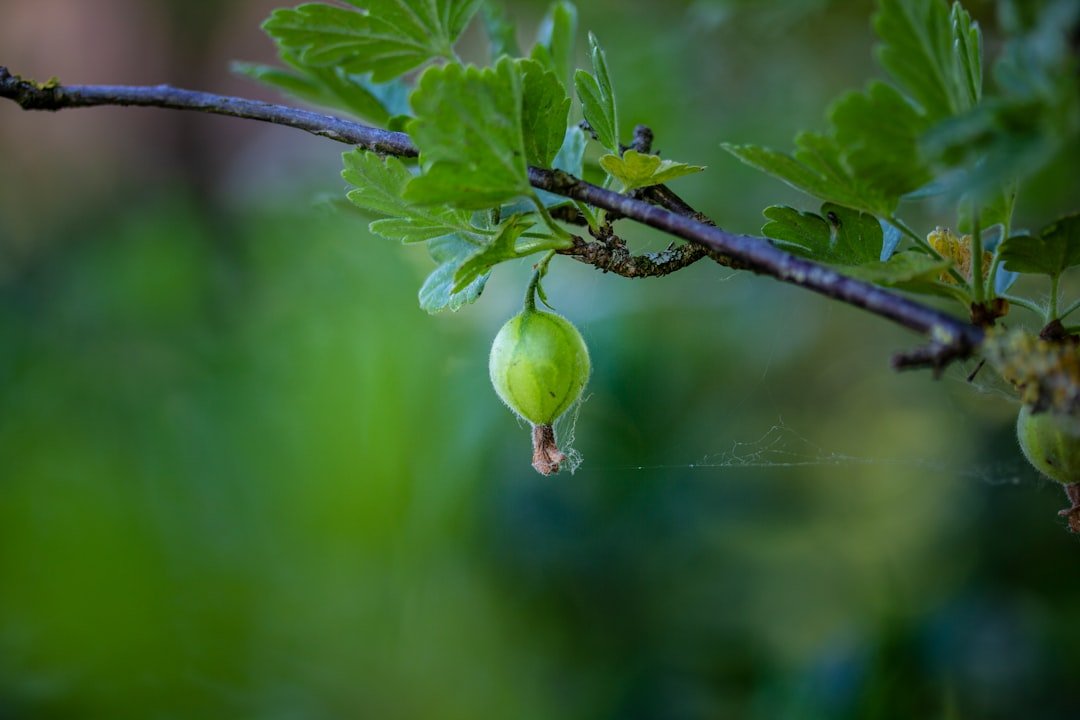
Picking the right spot for a yellow gooseberry plant matters for both growth and fruit. Gooseberry shrubs (Ribes spp.) handle cold well. Most varieties do fine in full sun to partial shade. Aim for about 6+ hours of sun. In hot-summer areas, a bit of afternoon shade can help.
Key takeaways
- Plant in sun to part shade with good airflow; avoid spots where water pools.
- Improve drainage and mix in compost before planting.
- Space plants so you can prune and pick easily (often 3–4 feet apart).
- Water evenly (not soggy), mulch, and prune while dormant.
- Watch for aphids, sawfly larvae, and powdery mildew.
Choosing the right planting location
Think about the small weather patterns in your yard. A site that blocks strong wind but still gets a breeze is ideal. Airflow helps leaves dry after rain and lowers disease risk. Avoid low, wet areas and frost pockets.
If you’re planting more than one shrub, keep at least 3 feet between gooseberries and other shrubs. This gives light to the center and room to work. Gooseberries can fit in a mixed edible bed, as long as taller plants don’t shade them out.
Soil preparation
Gooseberries can live for many years, so soil prep is worth it. They like well-drained soil with plenty of organic matter. Slightly acidic to neutral soil often performs best (about pH 5.6–7.0). If your soil test shows the pH is off, adjust slowly: lime raises pH and sulfur lowers it.
Mix in compost or well-rotted manure. Loosen soil 10–12 inches deep, break up hard layers, and pull perennial weeds. Follow your soil test for fertilizer, and avoid putting granular fertilizer in the planting hole.
Planting yellow gooseberry plants
Plant while shrubs are dormant—late fall through very early spring. Keep bare-root plants cool and moist, and soak the roots briefly right before planting.
Dig a hole about twice as wide as the roots and only as deep as needed. Spread roots out, set the plant at the nursery soil line (or slightly deeper), then backfill and firm gently. Water well to settle the soil.
Space plants about 3–4 feet apart. Mulch around (not against) the base with wood chips or bark to hold moisture and limit weeds.
Watering and fertilizing
Gooseberries need steady moisture, especially in the first year, but they dislike “wet feet.” Drip or soaker hoses work well because they water the root zone and keep leaves drier. A common guide is about an inch of water per week from rain or irrigation during the growing season, adjusted for your soil and weather.
| Stage | Watering goal | Fertilizing approach |
|---|---|---|
| Year 1 | Keep soil evenly moist; water deeply when the top few inches dry. | Use compost; add a light, balanced feed in spring if needed. |
| Established | Water during bloom, fruit swell, and long dry spells. | Feed lightly in early spring; avoid heavy nitrogen. |
Pruning and training
Prune in late winter or early spring, while plants are dormant. First, cut out dead, damaged, or diseased wood. Next, thin crowded branches so light and air can move through the shrub.
Gooseberries often crop best on 2–3-year-old wood. Each year, keep a mix of young and mid-age canes and remove the oldest canes (often 4+ years old). This keeps the plant productive and easier to harvest.
You can also tie a few main stems to a simple support to keep fruit off the ground. Tie loosely so stems don’t rub.
Pest and disease management
Common pests include aphids and sawfly larvae (often called imported currantworm). Check leaves early in the season, including the undersides. Small problems can often be handled with a strong spray of water, hand removal, or insecticidal soap.
Powdery mildew is a common issue, especially in humid weather. Reduce risk by spacing plants well, pruning for airflow, and avoiding overhead watering. Remove badly infected tips or leaves and dispose of them.
Note: In some areas, currants and gooseberries (Ribes) are regulated because they can host white pine blister rust. Check local rules and guidance before buying plants.
Harvesting yellow gooseberries
Gooseberries often ripen over several weeks in early to mid-summer, depending on variety and climate. Many growers pick some berries a little firm for cooking, then harvest fully colored, softer fruit for fresh eating later.
Harvest gently to avoid bruising. Snips can protect both the berries and the thorny stems. Use shallow containers, then rinse under cool water before chilling.
Propagating yellow gooseberry plants
Gooseberries are often propagated from dormant hardwood cuttings or by simple layering. Use clean tools and keep the rooting mix lightly moist until roots form.
Winter care
In cold climates, a 2–4 inch mulch layer helps protect roots and keeps soil temps steady. Keep mulch a few inches back from stems, and watch for rodents that can chew bark. Brush heavy snow off branches to prevent breakage.
Tips for success
Check plants often for pests, mildew, and dry soil. Keep weeds down, refresh mulch as it breaks down, and prune every year so sunlight reaches the center. Start with one or two plants, and pick varieties recommended for your region.
FAQs
What is a yellow gooseberry plant?
A yellow gooseberry is a gooseberry variety with yellow to yellow-green fruit. Gooseberries are deciduous shrubs in the genus Ribes.
How tall does a yellow gooseberry plant grow?
Many gooseberry shrubs reach about 3–6 feet tall at maturity, depending on the variety and pruning.
What are the ideal growing conditions for gooseberries?
They do best in well-drained, organic-rich soil and sun to partial shade. Good airflow helps reduce disease, and many varieties prefer cooler summer conditions.
When is the best time to plant a yellow gooseberry plant?
Plant while dormant—late fall through very early spring—so roots can settle in before fast spring growth.
How do you care for a yellow gooseberry plant?
Water evenly, mulch to keep roots cool, prune while dormant, and watch for pests and mildew.
When are yellow gooseberries ready to harvest?
They’re ready when they reach full color and soften slightly. You can also pick some a bit firm for cooking.