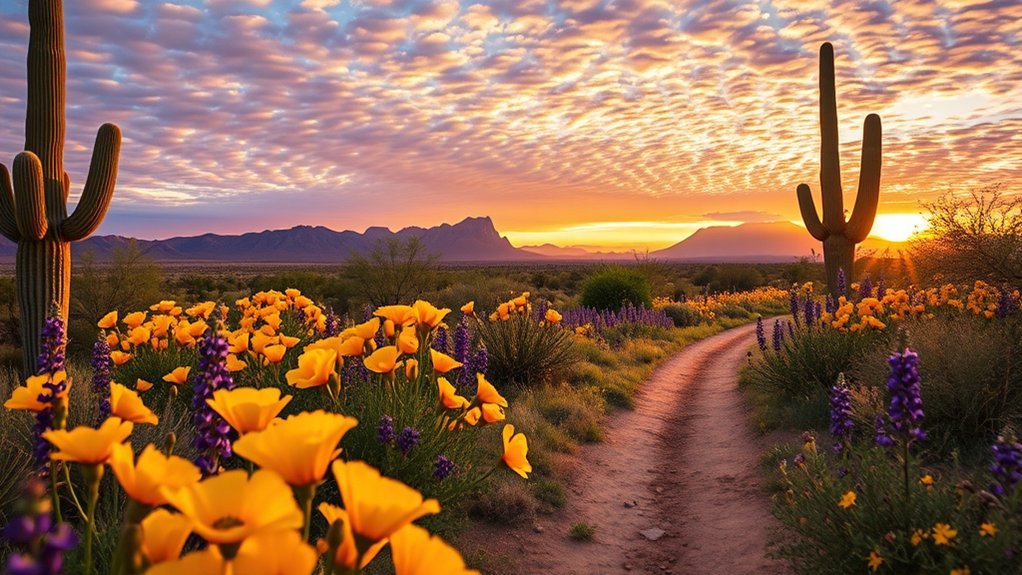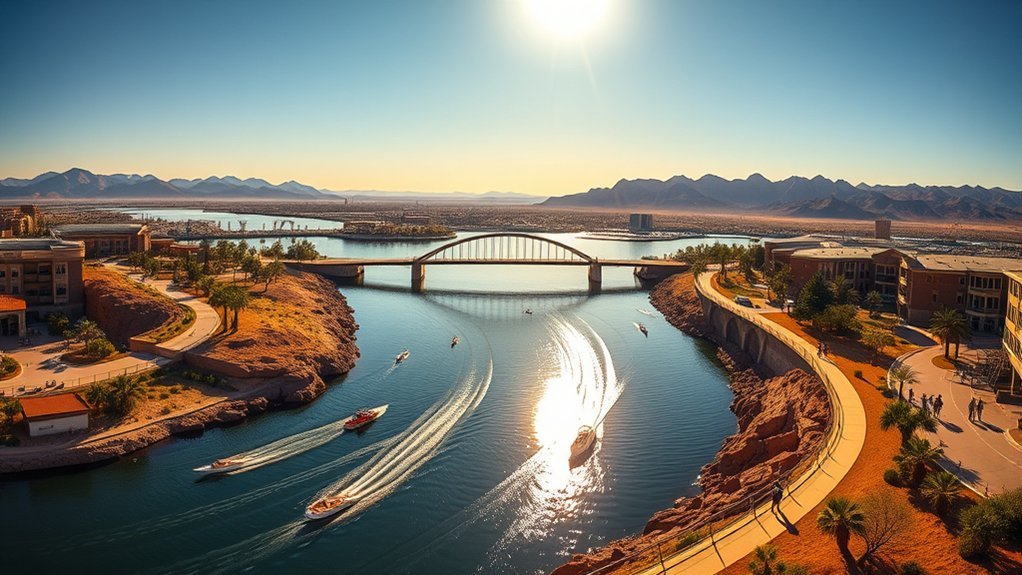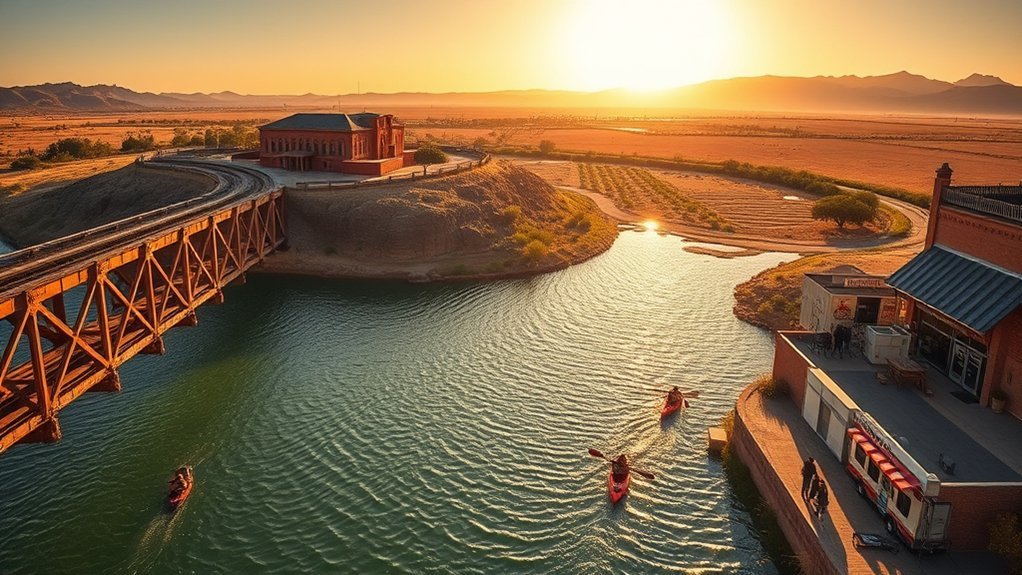
Yuma combines Colorado River recreation, Arizona history, desert scenery, Mexican and Southwestern food, and easy access to some of the Southwest’s most unusual landscapes. The city is especially comfortable for outdoor sightseeing in the cooler months. A good trip balances downtown attractions with riverfront parks, wildlife areas, and carefully planned desert excursions while leaving room for changing weather, seasonal hours, and road conditions.
Quick Answer
For most travelers, Yuma is best from late fall through early spring. Allow two or three days for the historic downtown, Colorado River parks, local food, and the Imperial Sand Dunes. A car gives you the most flexibility, especially for wildlife refuges, desert drives, and attractions outside central Yuma.
Key Takeaways
- Choose the cooler season: Winter is the easiest time for long outdoor days; summer heat can make midday desert activities unsafe.
- Yuma has its own airport: Yuma International Airport has scheduled commercial service, while Phoenix and San Diego are larger alternatives.
- A car is useful: Downtown sights can be clustered together, but the dunes, Kofa, Mittry Lake, and other remote areas are much easier to reach by vehicle.
- Check desert rules: The Imperial Sand Dunes Recreation Area has BLM regulations and a seasonal recreation permit requirement.
- Verify changing information: Attraction hours, events, tours, border conditions, road access, and park fees can change, so check official sources shortly before your trip.
Getting to Yuma: Transportation and Best Times to Visit

Yuma is easier to reach than many first-time visitors expect. Visit Yuma’s official transportation guide lists Yuma International Airport, Interstate 8, US 95, and Amtrak among the city’s transportation options.
Yuma International Airport is the closest commercial airport and currently has scheduled American Airlines service connecting Yuma with Phoenix. Airline schedules can change, so check the airport and airline directly before buying tickets. If you want more flight choices, Phoenix Sky Harbor and San Diego International are the main large-airport alternatives.
By car, Yuma sits directly on I-8 and at the southern end of US 95. Visit Yuma estimates approximately three hours of driving from Phoenix and about 2.5 hours from San Diego under normal conditions. I-10 does not run through Yuma, so routes using I-10 require connecting to other highways before reaching the city.
Amtrak’s Sunset Limited/Texas Eagle route serves Yuma, but rail schedules are not designed around every travel itinerary. Local YCAT bus service can help with some trips in the urban area. For the dunes, wildlife refuges, remote trailheads, and flexible day trips, however, a rental car or your own vehicle is generally more practical.
When Is the Best Time to Visit Yuma?
Late fall through early spring is the easiest season for sightseeing. Winter days are much more comfortable for walking through historic sites, birding, visiting river parks, and taking desert drives. October, April, and parts of May can still become hot, so schedule strenuous activities early in the day.
Summer requires a different style of trip. Yuma routinely experiences extreme heat, and outdoor sightseeing should be shortened or moved to early morning. Choose lodging with reliable air-conditioning and build indoor breaks into the day rather than relying on shade or natural ventilation alone.
Pro Tip: If your main goals are hiking, birding, historic walking tours, or the dunes, build the trip around cooler weather rather than choosing dates first and trying to work around extreme heat later.
Where to Stay: Neighborhoods and Accommodation Picks

Yuma has hotels, motels, vacation rentals, RV parks, and camping options, but the best area depends on what you plan to do. Instead of searching only for a property described as “riverfront” or “historic,” compare driving distance to your highest-priority attractions.
Downtown Yuma and the Riverfront
Downtown works well if you want to spend time around Main Street, the historic district, the Yuma Crossing area, museums, restaurants, and the Colorado River. Attractions such as the Yuma Territorial Prison, Pivot Point, historic downtown, and riverfront parks can be grouped into the same part of an itinerary.
This area is a practical choice for travelers who value short drives and walkable sightseeing over resort-style amenities. Before booking, check the exact walking route from the hotel to the attractions you plan to visit because summer heat and wide roads can make a distance that looks short on a map less appealing on foot.
Central Yuma and I-8 Hotel Corridors
Many conventional hotels and motels are located in central Yuma and around major road corridors near I-8. These locations are useful if you want straightforward highway access, predictable parking, chain-hotel amenities, and a convenient base for driving between downtown, restaurants, shopping, and outdoor areas.
- Choose downtown or nearby: best for historic attractions and riverfront sightseeing.
- Choose central Yuma near major roads: useful for highway access, restaurants, and easy driving.
- Choose farther east toward the Foothills: useful for longer stays, RV travel, and travelers continuing east on I-8.
RV Parks, Foothills & Outdoor Lodging
Yuma is a major winter destination for RV travelers, and you’ll find many RV parks in and around the city. Travelers who want a more outdoors-focused stay can also research campgrounds and public-land camping around areas such as Mittry Lake and the Imperial Dam region. For related tips and details, explore our Best Restaurants in Yuma, Arizona: Where to Eat Now.
Do not assume a campsite has drinking water, shade, showers, hookups, or reliable cellular service. Check the land manager’s current rules before arrival, especially if you plan to camp outside a developed RV resort. Vacation-rental policies also vary, so confirm parking, pet rules, pool access, and cancellation terms directly with the property.
Top Historic Sites and Museums

Yuma’s location on the Colorado River made it important to transportation, military movement, agriculture, and settlement in the Southwest. A good history day combines the city’s major preserved sites rather than rushing through each one separately.
- Yuma Territorial Prison State Historic Park: Explore preserved prison structures, exhibits, cells, and viewpoints associated with one of Arizona’s best-known territorial-era sites.
- Sanguinetti House Museum & Gardens: Learn about Yuma’s local history in a historic house operated by the Arizona Historical Society. Check current opening days before planning your visit.
- Colorado River State Historic Park: Learn how the river, transportation, military supply routes, and early development shaped the region.
- Yuma Crossing National Heritage Area: Connect the state historic parks with riverfront trails, wetlands, Pivot Point, and downtown history.
The region is also the homeland of Indigenous communities including the Quechan and Cocopah peoples. Treat tribal lands and cultural sites as living communities rather than extensions of public recreation land, and follow all posted access requirements.
Note: Museum and state-park hours can change seasonally. Check official operating hours and current admission information shortly before your visit instead of relying on an older travel article or map listing.
Outdoor Activities: River, Desert, and Sand Dunes

Yuma’s outdoor appeal comes from three very different environments: the Colorado River, Sonoran Desert country, and the enormous dune system west of town. Each requires different preparation.
Colorado River Parks and Wetlands
For an easy outing, start around the Yuma riverfront. Gateway Park, West Wetlands Park, and the Yuma East Wetlands give you places to walk, picnic, watch birds, and spend time near the river without committing to a remote desert drive.
Paddling can also be an option when river conditions, launch access, and your skill level are appropriate. If you rent equipment or use an outfitter, ask where you should launch and take out, what the current flow is like, and what safety equipment is included.
Mittry Lake and Desert Wildlife Areas
Mittry Lake Wildlife Area combines open water, marsh habitat, desert uplands, fishing access, and wildlife viewing. Farther from town, Kofa National Wildlife Refuge offers much more remote desert scenery and opportunities to see native wildlife.
Remote desert trips require more preparation than a city park. Download or carry navigation information before leaving pavement, start with a full fuel tank, tell someone where you’re going, and turn around before conditions exceed your vehicle or experience.
Imperial Sand Dunes Recreation Area
The huge dune system west of Yuma is commonly called the Algodones or Imperial Sand Dunes. The BLM’s Imperial Sand Dunes Recreation Area is a major destination for off-highway vehicle recreation, photography, camping, and desert scenery.
If you are using an OHV, review BLM vehicle, helmet, registration, camping, and operating rules before arriving. A recreation permit is required during the BLM’s permit season from October 1 through April 15. Permit prices and operational rules can change, so use the current BLM page rather than relying on a fixed price in a travel article.
Warning: Heat and fast-moving off-road vehicles are serious hazards in the desert. Carry more water than you expect to need, avoid walking through active OHV areas without knowing the traffic pattern, stay within your vehicle’s limits, and postpone remote recreation during dangerous heat or severe weather.
Family-Friendly Attractions and Parks

Families can mix outdoor play with short museum visits so children are not spending an entire day either in the sun or inside. During warm weather, plan active outdoor time early and keep a flexible indoor option for the hottest part of the afternoon. For related tips and details, explore our Where to Stay in Yuma, Arizona: Best Hotels & Areas.
Parks With Playgrounds
West Wetlands Park is one of the most useful family stops because it combines open space and riverfront recreation close to central Yuma. Gateway Park is another convenient Colorado River stop and can fit naturally before or after downtown sightseeing.
Facilities and water features can have seasonal operating schedules. Bring sunscreen, hats, plenty of drinking water, and shoes that protect feet from hot pavement.
- Use morning or late-afternoon park time during hot months.
- Check restroom and splash-feature schedules before promising them to children.
- Choose shaded breaks even when the temperature feels manageable.
Interactive Museums
For based on available details indoor time, check the current schedule at the Children’s Museum of Yuma County. You can also make history more engaging for children with shorter visits to the Territorial Prison, Pivot Point, and other downtown attractions rather than attempting several long museum visits in one block.
Programs, workshops, and children’s activities change during the year, so use the current Visit Yuma event calendar and the attraction’s own website before planning around a specific activity.
Nature Trails & Wildlife
Yuma’s wetlands are a good introduction to desert and river ecology. The East and West Wetlands provide relatively accessible wildlife viewing near town, while Mittry Lake, Cibola National Wildlife Refuge, Imperial National Wildlife Refuge, and Kofa offer increasingly remote experiences.
You’ll have better wildlife-viewing conditions in the morning and late afternoon, especially during the cooler part of the year. Bring binoculars, water, sun protection, and a field guide or birding app. Do not assume every refuge trail is stroller-friendly or paved; check accessibility information for the specific site.
- Yuma East and West Wetlands: easiest to combine with a city itinerary.
- Mittry Lake: useful for birding, fishing, water views, and a more rural setting.
- Cibola, Imperial, and Kofa refuges: better for travelers prepared for longer drives and more remote conditions.
Day Trips and Excursions From Yuma

Yuma can support several very different day trips, but distances and road conditions matter. Pick one major direction per day rather than trying to combine widely separated desert destinations.
- Imperial Sand Dunes: Head west for huge dunes, photography, OHV recreation, and sunset scenery. Review BLM rules before arriving.
- Winterhaven and the Fort Yuma area: Winterhaven is just across the Colorado River in California. Some historic and cultural sites are on or near tribal lands, so verify public access and hours before visiting.
- Blythe: Located north of Yuma along the Colorado River corridor, Blythe works better as a separate northern drive than as part of a southern excursion.
- Kofa National Wildlife Refuge: A strong choice for rugged Sonoran Desert scenery, photography, wildlife watching, and unpaved-road exploration when conditions are suitable.
- Quartzsite: A longer northern outing that is especially active during its winter visitor season.
- Organ Pipe Cactus National Monument: This is a substantially longer outing and makes more sense for travelers comfortable devoting most of a day to driving and desert sightseeing. Check the National Park Service for current conditions before going.
What About a Day Trip Into Mexico?
Yuma’s location makes international border crossings possible, but a Mexico trip should not be treated as an automatic sightseeing add-on. San Luis Río Colorado is across the border in Sonora, while Los Algodones is in Baja California.
The U.S. State Department’s Mexico Travel Advisory issued May 29, 2026 lists Sonora at Level 3: Reconsider Travel. Conditions and restrictions can change. Before deciding whether to cross, read the current State Department Mexico Travel Advisory, check official port hours and wait times, understand the entry and re-entry document requirements that apply to you, and review current transportation guidance.
Note: Border advisories and port operations can change much faster than a travel article. Always use current government information on the day you travel.
Dining and Local Food Recommendations

Yuma’s location near Mexico and one of the country’s major winter-growing regions gives local dining a stronger identity than generic “Southwestern food.” Mexican restaurants are a major part of the dining scene, with tacos, burritos, seafood preparations, salsas, Sonoran influences, and family recipes appearing across the city.
Downtown is convenient if you want to combine dinner with an evening walk, while other restaurants are spread throughout central Yuma. Barbecue, burgers, breakfast spots, bakeries, breweries, and familiar casual restaurants give you alternatives when your group does not want Mexican food at every meal. For related tips and details, explore our Yuma With Kids: Family-Friendly Things to Do & Tips.
Yuma’s agricultural setting is part of the experience: dates, citrus, winter produce, and Mexican border-region flavors are more meaningful local choices than an invented “river-to-table” specialty.
- Try a locally recommended Mexican restaurant and ask what the kitchen is best known for.
- Look for tacos, burritos, Sonoran-style dishes, Mexican baked goods, and regional seafood preparations.
- Visit a date farm or seasonal agricultural attraction when tours are operating; date shakes are a popular local treat.
- Check farmers’ markets and seasonal events for local produce rather than assuming a market runs every day or all year.
If food is a major reason for your visit, check current restaurant hours before building a route. Independent restaurants may have different schedules from national chains, particularly on Sundays, Mondays, holidays, and during the summer.
Practical Travel Tips: Weather, Safety, and Money-Saving Ideas

Heat is the most important environmental factor to plan around in Yuma. Summer daytime temperatures frequently exceed 100°F, and a pleasant morning can become dangerously hot later in the day. Follow current Yuma County heat-safety guidance and local weather alerts.
- Carry water: Keep drinking water with you even on short outings and carry extra supplies on remote drives.
- Use reliable air-conditioning: During extreme heat, your lodging and vehicle should provide a dependable place to cool down.
- Protect yourself from sun: Use sunscreen, a hat, sunglasses, breathable clothing, and appropriate footwear.
- Move outdoor activities earlier: Long walks, dunes, cycling, and desert hikes are better in the coolest part of the day.
- Prepare for remote roads: Download maps, fill your fuel tank, carry a spare tire and basic emergency supplies, and do not depend on continuous cellular service.
- Watch wildlife from a distance: Do not place hands or feet where you cannot see them around desert rocks, vegetation, or abandoned structures.
- Secure your belongings: Lock your vehicle and keep valuables out of sight, as you would in any travel destination.
How to Save Money in Yuma
Free riverfront parks, wetlands, downtown walking, scenic drives, and self-guided historic areas can keep sightseeing costs low. If you plan to visit several paid historic attractions, compare their current individual admission prices with any valid passes offered by the operator instead of assuming a generic multi-attraction pass will save money.
YCAT may reduce the need for short urban car trips, but public transportation is less useful for remote recreation areas. For museums, tours, parks, and special events, check official websites for current discounts rather than relying on old weekday or senior pricing quoted by third-party travel sites.
Pro Tip: Group attractions geographically. A downtown-and-riverfront day, a dunes day, and a wildlife/desert day usually wastes less fuel and driving time than crossing Yuma repeatedly between unrelated stops.
Sample Itineraries: Weekend, 3-Day, and Week-Long Plans

Your ideal itinerary depends on the season. In winter, you can spend much more of the day outdoors. In hotter weather, shorten outdoor blocks, start earlier, and add indoor breaks.
Weekend in Yuma
Day 1: Explore historic downtown, the Yuma Territorial Prison State Historic Park, Pivot Point, and the Colorado River State Historic Park. Finish with a riverfront walk around sunset and dinner at a local Mexican restaurant.
Day 2: Spend the cooler morning around the East or West Wetlands. Later, choose either more downtown attractions or a trip west to the Imperial Sand Dunes. If you visit the dunes, check BLM conditions and permits first.
Three Days in Yuma
Use the two-day plan above, then make your third day a deeper outdoor excursion. Mittry Lake works well for water, birding, and quiet scenery. Kofa is a better choice if you want remote desert landscapes and have a suitable vehicle, navigation, water, and enough daylight.
A Week in Yuma
A week lets you slow down rather than stacking attractions. Add birding at regional refuges, seasonal farm or date-related experiences, local events, longer riverfront mornings, and relaxed meals. You can also consider a separate day toward Quartzsite or a long excursion to Organ Pipe Cactus National Monument.
Do not try to combine Kofa, the Imperial Sand Dunes, a Mexico border crossing, and distant wildlife refuges into one oversized loop. Each is more enjoyable when it receives enough daylight and preparation.
Two to three days are enough for Yuma’s core highlights. Stay longer if birding, desert drives, RV travel, farm experiences, or regional day trips are important to you.
- Weekend: downtown history, riverfront parks, local food, and one outdoor excursion.
- 3-Day: add Mittry Lake, Kofa, or another half- to full-day nature experience.
- Week-Long: slow down, add seasonal events, birding, agriculture, and carefully chosen regional day trips.
Frequently Asked Questions
Can you visit Yuma on a day trip from Phoenix without renting a car?
It is possible to reach Yuma without driving if an intercity transportation schedule fits your dates, but it is not an especially convenient Phoenix day trip without a car. The drive itself is about three hours each way, and several Yuma attractions are spread outside the walkable downtown area. An overnight stay gives you much more flexibility.
Are there annual festivals in Yuma worth planning a trip around?
Yes. Current destination calendars feature events such as the Medjool Date Festival, Colorado River Crossing Balloon Festival, Midnight at the Oasis, Yuma County Fair, and other seasonal arts, agriculture, heritage, and community events. Dates can change each year, so confirm the current Visit Yuma event calendar before booking.
What pet-friendly attractions and accommodations are available in Yuma?
Many hotels, vacation rentals, RV parks, and outdoor areas can accommodate pets, but fees, size limits, leash requirements, and restricted areas vary. Confirm the property's current policy before booking. In warm weather, protect pets from hot pavement and avoid exercising them during the hottest part of the day.
Is Yuma a good base for stargazing and astrophotography?
Yes. Desert areas outside the city's brighter developed zones can provide much darker skies and wide horizons. Kofa and other public desert lands can be useful, but check access rules, road conditions, moon phase, weather, and closing times before setting up at night. Carry offline navigation and emergency supplies in remote areas.
Can I find guided birdwatching tours in the nearby wetlands?
Guided birding walks, festivals, refuge programs, and private tours may be available seasonally, but you should not assume a guided outing operates every day. Check Visit Yuma, wildlife-refuge calendars, and current local outfitter schedules. Self-guided birding is also easy at the Yuma wetlands and other established wildlife areas.
How many days do you need in Yuma?
Two days cover the main historic and riverfront attractions plus one outdoor excursion. Three days provide a more comfortable pace and room for Mittry Lake, the dunes, or Kofa. Four days or longer makes sense for birders, RV travelers, desert photographers, or visitors planning several regional day trips.
What is the best time of year to visit Yuma?
Late fall through early spring is best for most visitors because outdoor sightseeing is much more comfortable. Winter is particularly good for parks, birding, historic walking, and desert recreation. Summer trips require careful heat planning, early starts, shorter outdoor activities, dependable air-conditioning, and frequent cooling breaks.
Quick Overview
| Topic | Summary |
|---|---|
| Subject | Yuma Travel Guide |
| Focus | Yuma Travel Guide |
| Best For | Readers looking for clear, practical details and quick answers. |
Related Guides
- 25 Best Things to Do in Prescott, Arizona
- Prescott Travel Guide: Top Attractions, Itineraries & Tips
- Best Restaurants in Prescott: Courthouse Plaza Dining Guide
Conclusion
Yuma works best when you plan around its climate and geography rather than trying to see everything at once. Spend time with the city’s territorial history and Colorado River parks, try the local Mexican and agricultural flavors, then choose one or two desert excursions that match your vehicle and experience. Visit during the cooler season when possible, carry plenty of water, and verify current attraction hours, road conditions, permits, and travel advisories before setting out.
Sources
- Visit Yuma — Getting Here & Maps — official transportation, driving-distance, airport, and rail information.
- Arizona State Parks — Yuma Territorial Prison State Historic Park — official visitor information for the historic prison.
- Bureau of Land Management — Imperial Sand Dunes Recreation Area — permits, recreation information, and dune regulations.
- U.S. Fish & Wildlife Service — Kofa National Wildlife Refuge — official refuge information and visitor guidance.
- Yuma County — Surviving Yuma’s Heat — local heat-safety guidance.
- U.S. Department of State — Mexico Travel Advisory — current security guidance for international travel from the Yuma area.