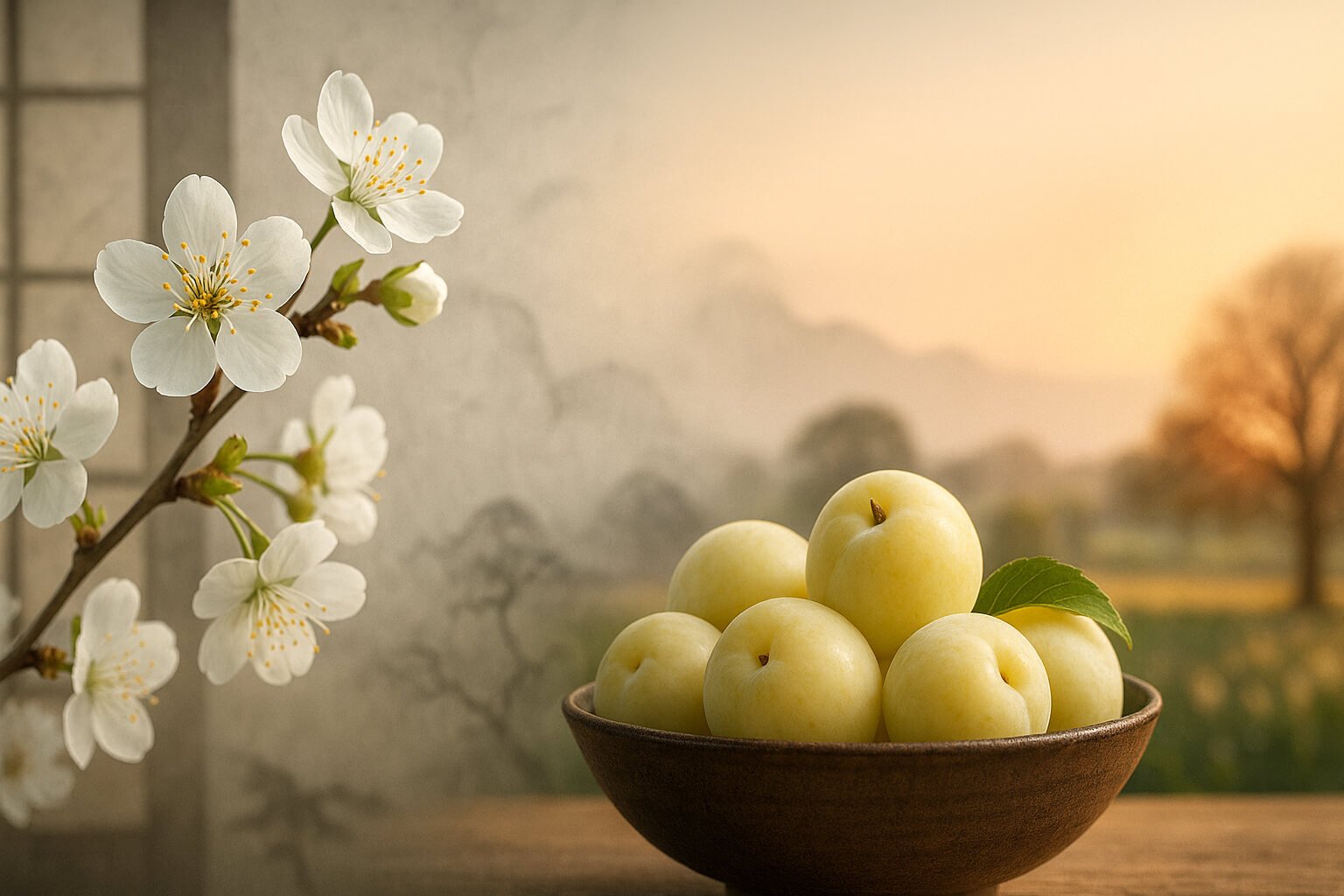
The white plum can mean two related things: a pale plum fruit from the Prunus genus and the white plum blossom used in cultural symbolism. This distinction matters because many East Asian traditions refer to “ume,” the Japanese apricot (Prunus mume), while many fruit references point to the European plum (Prunus domestica).
White plums are valued for their sweet, juicy fruit, delicate blossoms, and visual beauty in gardens and landscapes. Their blossoms often appear in art, poetry, religion, and folklore as symbols of renewal, resilience, purity, and the brief nature of life.
Historically, plums have been cultivated for thousands of years across parts of Western Asia, the Mediterranean, Europe, and other regions. Over time, different cultures gave plum fruit and plum blossoms their own meanings, from culinary use to spiritual symbolism.
This article explains the role of the white plum and white plum blossom in Japanese, Chinese, Western, literary, artistic, spiritual, botanical, culinary, and folklore traditions.
Key Takeaways
- The white plum (Prunus domestica) is not the same as the Japanese apricot (Prunus mume, “ume”). The latter is a different species used widely in East Asian culture.
- In Japanese culture, the plum blossom (“ume”) symbolizes resilience and perseverance, often depicted in art and literature.
- In Chinese culture, the plum blossom is associated with purity and beauty and appears with orchid, bamboo, and chrysanthemum as the “Four Gentlemen.”
- In Western culture, the white plum is admired for its delicate beauty and is often used as a symbol of renewal and hope.
- The white plum and plum blossoms have been recurring motifs in literature, poetry, and art across cultures, symbolizing themes such as love, beauty, and the fleeting nature of life.
The White Plum in Japanese Culture
In Japan, the white plum is closely connected with “ume” (梅), the Japanese apricot (Prunus mume). Although ume is not the same species as the European plum, English articles often group it under the wider idea of plum blossoms because of its cultural role.
The ume tree blooms in February or March, often before cherry blossoms appear. Because it flowers early, people often see it as a symbol of resilience, hope, and the arrival of spring.
The delicate white flowers also carry meanings linked to renewal and the fleeting nature of life. Festivals celebrating ume blossoms, such as Ume Matsuri events, attract visitors who come to admire these trees in bloom.
Ume also has a strong place in Japanese food. Umeboshi, a pickled preparation of Prunus mume fruit, is often served with rice or used as a condiment. The fruit is also used to make umeshu, a sweet and tangy plum wine.
This dual role as both a cultural symbol and a culinary ingredient shows why ume remains important in Japanese life.
The White Plum in Chinese Culture
In Chinese culture, the white plum blossom is often associated with purity, elegance, strength, and endurance. Its blossoms are also linked with seasonal renewal and good fortune in traditional celebrations.
In Chinese art and poetry, the plum blossom appears with orchid, bamboo, and chrysanthemum as the “Four Gentlemen.” These plants represent noble qualities such as resilience, integrity, refinement, and moral strength.
The plum blossom’s ability to bloom in cold conditions makes it a strong metaphor for perseverance during hardship. This is one reason it appears so often in paintings, poems, decorative art, and cultural symbolism.
Plum fruits have also been used in traditional Chinese medicine contexts for centuries. Some traditional uses connect the fruit with digestion and vitality, although specific health claims should be checked against reliable medical sources before publication.
The White Plum in Western Culture
| Aspect | Significance |
|---|---|
| Symbolism | Represents purity, innocence, renewal, and quiet beauty |
| Literature | Often used in poetry and prose to convey beauty, memory, and transience |
| Art | Depicted as a symbol of elegance, spring, and natural renewal |
| Cultural References | Appears in garden traditions, seasonal writing, floral symbolism, and folklore |
In Western culture, the white plum is often valued for its fruit, ornamental beauty, and soft spring blossoms. It may not carry the same depth of symbolic meaning as plum blossoms in many East Asian traditions, but it still has a clear place in gardens across Europe and North America.
The fruit can be eaten fresh or used in jams, jellies, desserts, and baked dishes. The tree’s blossoms also give gardens and orchards a strong seasonal appeal.
The white plum also appears in Western literature and folklore, often symbolizing love, beauty, renewal, and memory. Its delicate blossoms can create a sense of nostalgia and longing, making it a useful image in poetry and prose.
Writers may use blooming plums to express love’s transience or the bittersweet nature of memory. This literary connection adds another layer to the appreciation of the white plum in Western culture.
The White Plum in Literature and Poetry
The white plum has inspired poets and writers across different traditions. Its blossoms often represent beauty, renewal, and the short life of a perfect moment.
In poetry, plum blossoms can work as metaphors for joy, love, memory, or change. Their short bloom period gives writers a natural way to talk about impermanence.
In prose, the image of a blooming white plum tree can help create mood and setting. Authors may use it to suggest a quiet landscape, a memory from the past, or a moment of emotional reflection.
This literary use shows how a simple natural image can carry deeper meaning. The white plum connects readers with themes of beauty, time, and emotional change.
The White Plum in Art and Symbolism
The artistic image of the white plum crosses cultural boundaries. In East Asian art, especially Chinese and Japanese painting, plum blossoms often appear with bamboo, birds, snow, or other natural elements.
These compositions celebrate nature, but they also carry symbolic meaning. Plum blossoms can suggest endurance, purity, balance, and calm strength.
Artists have long used the fragile beauty of plum blossoms as a reminder of life’s brief moments. In Western art, white plum blossoms are less common than roses, lilies, or other floral subjects, but flowering trees still appear in spring landscapes and orchard scenes.
The symbolism of the flower often points to renewal and hope. Through these artistic interpretations, the white plum continues to inspire creativity and emotion tied to nature’s cycles.
The White Plum in Religion and Spirituality
The spiritual meaning of the white plum appears in different ways across cultures. In Shinto traditions, the ume tree is often connected with purity, renewal, and respect for nature’s seasonal changes.
Its early blooms can signal the approach of spring, a time linked with new beginnings and spiritual awareness. Rituals or seasonal practices involving blossoms may express gratitude for nature and its cycles.
In Buddhism, flowers often symbolize impermanence. The short-lived beauty of white plum blossoms can remind practitioners that all things change.
This idea connects with mindfulness and the practice of paying attention to the present moment. The blossom becomes more than decoration; it becomes a quiet reminder of time, change, and awareness.
The White Plum in Botany and Horticulture
From a botanical perspective, plums belong to the Prunus genus, which also includes cherries, peaches, almonds, and apricots. The European plum, Prunus domestica, grows well in many temperate climates and includes many cultivated varieties.
Plum trees may produce white or pale blossoms before fruit develops. Depending on the variety and growing conditions, the fruit can vary in size, color, sweetness, and texture.
Healthy plum trees need suitable sunlight, soil drainage, pruning, and pest management. Proper pruning can help maintain shape, improve airflow, and support fruit production.
Gardeners also watch for common problems such as aphids, fungal diseases, and poor fruit set. Many growers prefer careful, low-impact methods when managing pests and soil health.
The White Plum in Culinary and Medicinal Uses
White plums have many culinary uses because of their sweet flavor and juicy texture. They can be eaten fresh, added to fruit salads, or used in desserts such as tarts, crumbles, and cakes.
They are also useful for preserving. Home cooks may use ripe plums to make jams, jellies, sauces, and preserves.
Plums contain dietary fiber and natural plant compounds. Dried plums, often called prunes, are also widely known for their use in supporting regular digestion.
Health-related claims should be handled with care. If an article gives specific medical advice or treatment claims, those claims should be checked against reliable health sources before publication.
The White Plum in Folklore and Mythology
Folklore surrounding the white plum often connects it with love, longing, transformation, and good fortune. In some traditions, planting a plum tree near a home is believed to bring positive energy or a sense of blessing.
Stories may describe lovers exchanging white plums or plum blossoms as signs of affection. In these stories, the fruit or flower can symbolize purity, loyalty, or emotional sincerity.
Other tales may use white plum blossoms to represent resilience during hardship. The tree blooms, fades, and returns again, which makes it a natural image for endurance and renewal.
These narratives do more than entertain. They help people express lessons about patience, beauty, hardship, and appreciating brief moments of joy.
The Enduring Symbolism of the White Plum
The white plum carries meaning across many cultures because it joins beauty, food, seasonality, and symbolism in one image. Its blossoms suggest renewal, while its short bloom period reminds people that beauty often feels temporary.
In Japan and China, plum blossoms hold strong cultural and artistic meaning. In Western settings, the white plum is often appreciated for its fruit, garden value, and gentle seasonal beauty.
Across literature, art, spirituality, folklore, botany, and cooking, the white plum remains a flexible symbol. It helps people speak about resilience, memory, purity, hope, and the passing of time.
FAQs
What is a white plum?
A white plum is usually a pale-colored plum fruit from the Prunus genus. In cultural writing, the phrase may also refer to white plum blossoms, including blossoms from the Japanese apricot, or ume, which is a different species.
Is white plum the same as ume?
No. White plum often refers to Prunus domestica or pale plum fruit, while ume refers to Prunus mume, the Japanese apricot. They are related within the wider Prunus group, but they are not the same species.
What does a white plum symbolize?
The white plum often symbolizes purity, renewal, resilience, beauty, and the fleeting nature of life. Its meaning depends on the culture. In East Asian traditions, plum blossoms often carry stronger symbolic meaning than the fruit itself.
What does a white plum taste like?
White plums usually have a sweet and slightly tart flavor with a juicy texture. The exact taste can vary by variety, ripeness, and growing conditions.
How do you eat a white plum?
White plums can be eaten fresh as a snack, added to fruit salads, or used in recipes such as jams, preserves, sauces, and desserts. Some plum varieties can also be dried.
Are white plums nutritious?
White plums contain dietary fiber and vitamins such as vitamin C. Like other fruits, they can be part of a balanced diet when eaten in normal food amounts.
How do you select and store white plums?
Choose white plums that feel firm but give slightly when pressed gently. Avoid fruit that feels mushy or has major blemishes. Keep unripe plums at room temperature, then refrigerate them after they ripen.