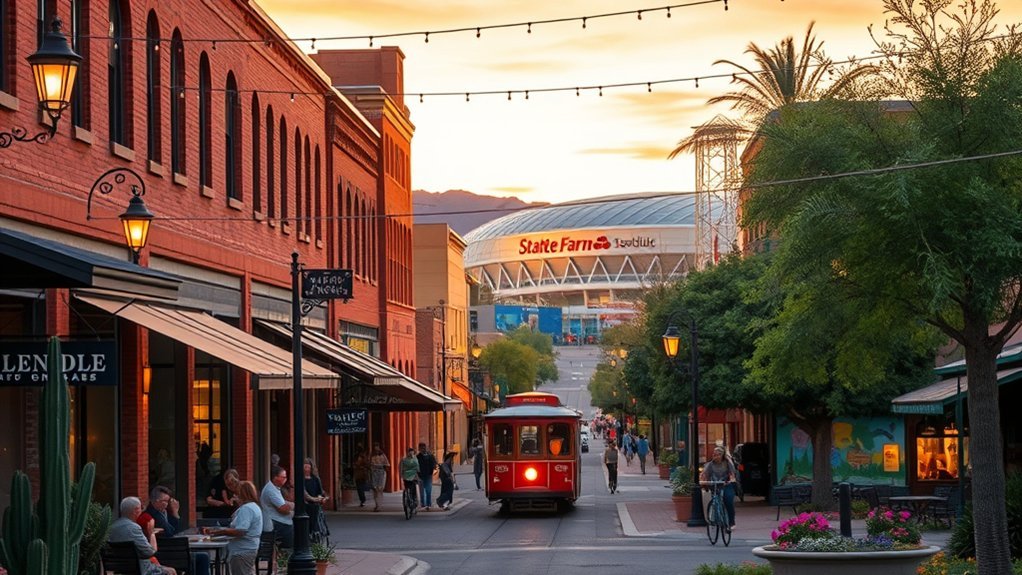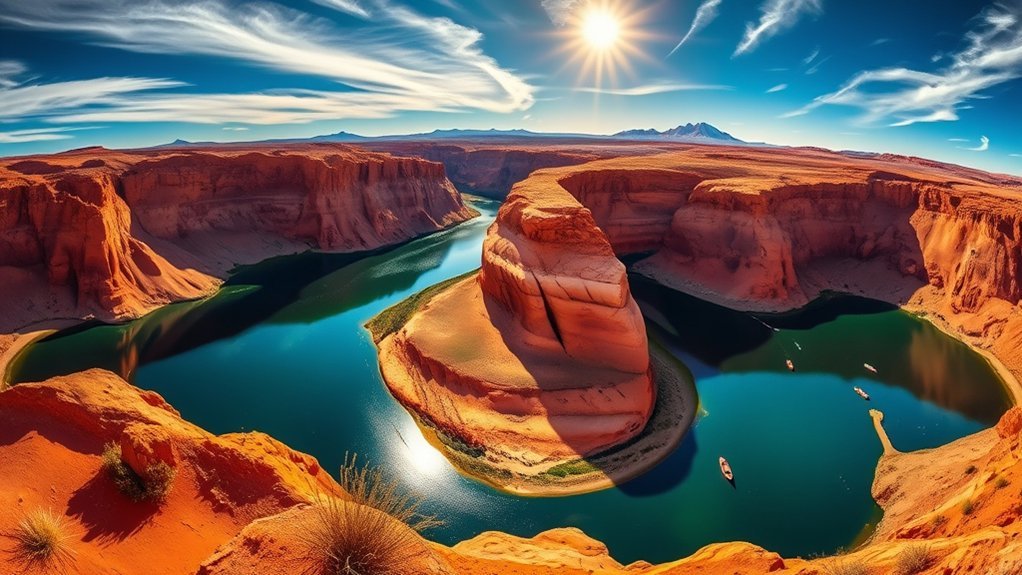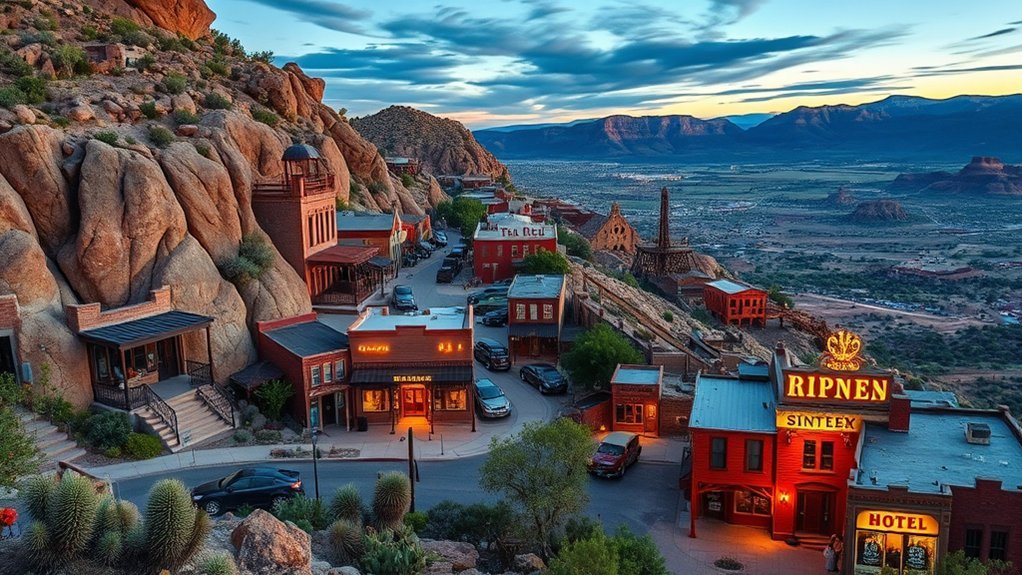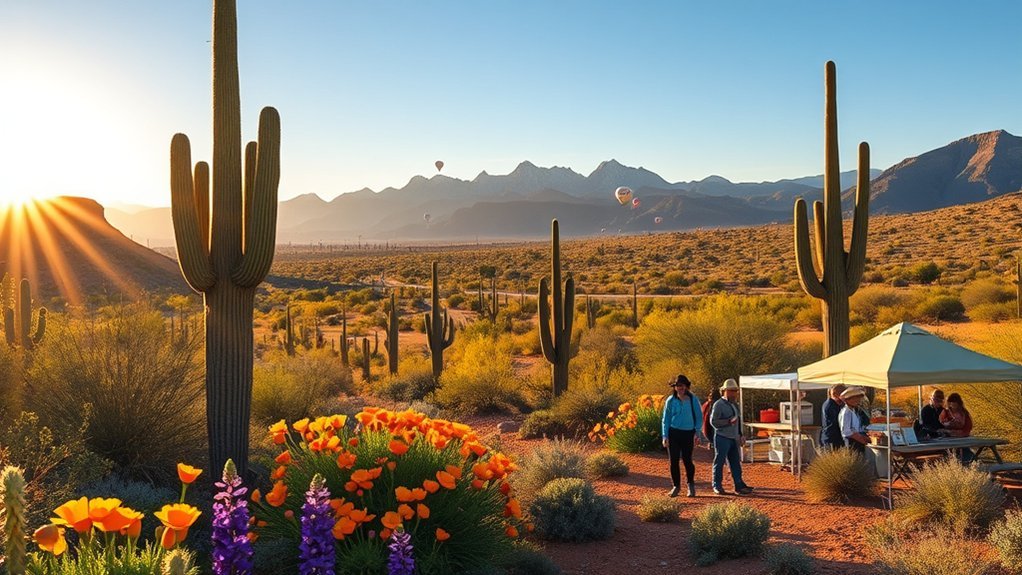
May is one of Arizona’s biggest transition months. Lower-desert cities such as Phoenix and Tucson are already hot, while Flagstaff, the Grand Canyon rims, and other high-elevation areas can still have cold nights, wind, and even late snow. That contrast makes May excellent for road trips, but only if you match your activities, clothing, and hiking schedule to the elevation.
Quick Answer
Arizona in May is hot and dry in the lower deserts but much cooler at higher elevations. Phoenix and Tucson often require early-morning outdoor plans, while Flagstaff and the Grand Canyon can still have chilly nights or spring weather. May is generally pre-monsoon, so heat, sun, wind, and changing high-country conditions are the main concerns.
Key Takeaways
- Expect summerlike heat in Phoenix and Tucson, especially later in May.
- Flagstaff, the Grand Canyon rims, and Arizona’s mountains can still have cold nights, wind, snow, or lingering snowpack.
- Arizona’s officially defined monsoon season begins June 15, so May is normally a pre-monsoon month.
- Plan strenuous desert activities for early morning and move midday activities indoors or to higher elevations.
- Check current trail, road, fire-restriction, and park-access information immediately before traveling.
Arizona Weather Patterns in May
Arizona does not have one May climate. Elevation changes the experience dramatically. The lower Sonoran Desert is usually hot, sunny, and dry, while mountain communities can be 20 degrees or more cooler at the same time. Northern Arizona can also experience large day-to-night temperature swings.
At Phoenix Sky Harbor, the National Weather Service’s 1991–2020 May normals show an average high of about 94.5°F and an average low of 69.5°F. Tucson is slightly cooler: NWS Tucson climate normals list a May average high of 91.8°F and low of 61.8°F. Tucson also normally records several 100°F days during May.
May is generally dry and comes before Arizona’s defined monsoon season. The National Weather Service defines the monsoon season as June 15 through September 30, and monsoonal moisture in northern Arizona often becomes established later. Spring storms can still occur in May, particularly in higher terrain, but they should not automatically be described as monsoon storms.
Note: Early May and late May can feel very different in the lower desert. Temperatures trend upward rapidly as June approaches, so check the actual forecast rather than planning only from monthly averages.
Regional Climate Breakdown: Phoenix, Tucson, Flagstaff, Sedona and the Grand Canyon
Choosing the right Arizona destination in May is largely an elevation decision. Phoenix and Tucson offer hot desert weather, Sedona sits in a warmer middle-elevation zone, and Flagstaff and the Grand Canyon rims can still feel like spring.
| Area | Typical May Pattern | Best Planning Approach |
|---|---|---|
| Phoenix | Hot, sunny, very dry; normal May high about 94.5°F. | Hike early; use museums, pools, restaurants, and shaded attractions during hotter hours. |
| Tucson | Hot and dry; normal May high about 91.8°F, with 100°F days possible. | Start desert recreation around sunrise and use Mount Lemmon for a cooler change of elevation. |
| Sedona | Warm, sunny days with cooler mornings and evenings than the lower desert. | Use early morning and late afternoon for exposed red-rock trails. |
| Flagstaff | Cooler high-country spring weather; cold nights and late snow remain possible. | Pack layers and check mountain trail and forest-road conditions. |
| Grand Canyon Rims | Mild afternoons can alternate with freezing nights, wind, or spring snow. | Bring warm layers and remember that temperatures rise sharply as you descend into the canyon. |
Phoenix and Tucson Comparison
Phoenix and Tucson are both hot in May, but Phoenix’s May climate normals are a little warmer. The more important travel question is not which city is cool, because neither should be treated as a cool-weather destination. Instead, plan around the time of day.
In either city, schedule exposed desert hikes for the coolest morning hours. Save afternoons for museums, indoor attractions, shaded restaurant patios when conditions are comfortable, or drives to higher elevations. Tucson has convenient access to Mount Lemmon’s cooler mountain environments, while Phoenix travelers can also gain elevation by heading toward central and northern Arizona.
High-Elevation Differences
Flagstaff, the San Francisco Peaks, and the Grand Canyon rims require a different packing strategy. The National Park Service notes that Grand Canyon rim temperatures can still fall below freezing in April and May, and snow is not uncommon during May. Spring is also often breezy or windy.
Sedona sits lower than Flagstaff, so it usually feels warmer, but mornings and evenings can still be comfortable compared with Phoenix. This elevation range lets you build an Arizona itinerary around the weather: desert sightseeing early, mid-elevation red-rock country later, and pine forest or canyon-rim destinations when you want cooler conditions.
Pro Tip: Keep one warm layer in your vehicle even if you leave Phoenix in shorts. A comfortable desert afternoon does not tell you what a Flagstaff evening or Grand Canyon sunrise will feel like.
2026 Travel Updates to Know Before You Go
Seasonal openings and restrictions can change from year to year, so May travel guides need current-status checks.
Grand Canyon North Rim: For the 2026 season, Grand Canyon National Park reopened North Rim visitor access on May 15, 2026. Paved park roads reopened, and the North Kaibab Trail reopened for foot traffic. However, in-park overnight lodging on the North Rim is not available during the 2026 season. Future May opening dates and services should always be checked directly with NPS.
Fire restrictions: Dry spring weather can lead to restrictions before summer. In 2026, Coconino National Forest moved to Stage 1 restrictions on May 21. Check the current Coconino National Forest fire restrictions and the rules for any other forest, park, or county you plan to visit.
Roads: Mountain roads, forest roads, and parts of scenic routes can change because of weather, maintenance, fire, or construction. If your itinerary includes SR 88/Apache Trail, check the Arizona Department of Transportation’s SR 88 information before departure.
Outdoor Activities and Seasonal Highlights
May can be excellent for hiking, cycling, paddling, wildlife watching, scenic drives, and stargazing, but the best activity depends on elevation and time of day.
- Early morning: Choose desert walks, bike rides, photography, or short exposed hikes before temperatures climb.
- Midday: Move to museums, galleries, restaurants, shaded stops, or higher elevations.
- Late afternoon: Return to short trails or scenic overlooks if the temperature and forecast are comfortable.
- After dark: Stargaze away from urban light, checking the moon phase and weather first.
Wildflowers are possible, but May should not be advertised as a guaranteed statewide peak. Bloom timing varies with elevation, winter precipitation, temperature, and individual plant species. Lower-desert displays may be past their best by May while higher country can remain in spring.
Best Trails, Parks and Scenic Drives for May
May often rewards travelers who move uphill as temperatures rise. Flagstaff, the Mogollon Rim, Mount Lemmon, Oak Creek Canyon, and the Grand Canyon offer cooler alternatives to afternoon desert heat. Conditions can still vary sharply, so trail difficulty and remaining snow matter as much as the air temperature.
High-Elevation Hikes
- Walnut Canyon Rim Trail: This is a practical short option near Flagstaff. The National Park Service lists the Rim Trail as 0.7 mile round trip, with canyon and cliff-dwelling views. The steeper Island Trail has hundreds of stairs and should be treated as a more strenuous outing.
- Mount Lemmon: The Catalina Mountains give Tucson visitors a quick elevation change with multiple recreation areas and trails. Conditions and flowering plants vary by elevation, so check the forecast for the specific trailhead.
- Humphreys Peak: Treat this as a conditions-dependent advanced hike, not a default May outing. The Coconino National Forest describes Humphreys Trail as steep, long, rocky, and exposed. Snow can occur in any month, and spring snow may remain at high elevation. Check current conditions and turn around when terrain, weather, or your experience level calls for it.
Warning: A warm forecast in Phoenix or Sedona does not mean high mountain trails are snow-free. Check trail conditions separately for the actual elevation you will be hiking.
Scenic Spring Drives
Arizona’s scenic drives are a good May option because they let you adjust activity levels as temperatures change. Useful choices include State Route 89A through Oak Creek Canyon, Sedona’s Red Rock Loop area, mountain roads near Flagstaff, and portions of SR 88/Apache Trail.
For SR 88, verify current ADOT conditions before leaving because road surfaces, construction, and access can change. Carry water, keep enough fuel for remote stretches, and download maps or directions before entering areas with unreliable cellular service.
Morning and late-afternoon light can be especially attractive around sandstone and canyon landscapes, but avoid stopping in unsafe roadway locations just for a photograph. Use designated pullouts and overlooks.
Events, Festivals and Local Markets This Month
May event schedules change every year, so avoid building a trip around an event name or date from an old travel guide. Instead, check official city, venue, and tourism calendars shortly before traveling.
Depending on the destination and year, May calendars may include:
- Farmers markets and evening markets
- Outdoor or indoor concerts
- Art walks and gallery events
- Museum and botanical-garden programming
- Food, cultural, and community festivals
For Phoenix and Tucson, afternoon heat may make evening events more comfortable. Flagstaff and other higher-elevation cities may require a jacket after sunset.
Packing, Safety and Heat-Preparedness Tips
Arizona’s May packing list needs to work for both intense sun and major elevation changes. Light clothing is useful in the desert, but travelers heading north or uphill should also carry warm layers.
| Item | Why You Need It | May Tip |
|---|---|---|
| Water | Helps prevent dehydration | Carry enough for the full outing plus an emergency margin; do not rely on natural water sources. |
| Broad-spectrum sunscreen | Reduces UV exposure | Apply as directed and reapply based on the product instructions and activity. |
| Wide-brim hat and sunglasses | Provides additional sun protection | Especially useful on exposed desert and canyon trails. |
| Warm layer | High-elevation mornings and nights can be cold | Keep one in the vehicle even on a hot desert day. |
| Sturdy footwear | Improves traction and foot protection | Choose footwear for the actual trail surface, including possible mud, rock, or lingering snow. |
| Offline map | Cell coverage can disappear | Download maps before leaving town and carry a backup navigation option. |
The Arizona Department of Health Services advises people to stay hydrated, use shade and rest breaks, schedule outdoor activities during cooler parts of the day when possible, and recognize symptoms of overheating such as dizziness, headache, weakness, nausea, heavy sweating, and muscle cramping.
Warning: Confusion, loss of consciousness, seizures, or other signs of severe heat illness require emergency medical attention. Do not continue hiking simply because the destination is close.
Also check fire restrictions before camping or using any flame-producing equipment. Rules can change quickly as vegetation dries and wildfire risk rises.
Day Trips and Weekend Itineraries for May
May itineraries work best when they combine early outdoor activity with flexible midday plans and cooler evening stops.
- Sedona: Start with an early red-rock hike, take a shaded or indoor break during the warmest hours, drive a scenic loop in late afternoon, and finish at a sunset viewpoint or restaurant.
- Flagstaff and Walnut Canyon: Explore a short forest or canyon trail, visit Walnut Canyon National Monument, spend time around historic Route 66, and keep a jacket ready for the evening.
- Tucson and Mount Lemmon: Explore Saguaro country early, use museums or indoor attractions around midday, then gain elevation on the Catalina Highway toward Mount Lemmon.
- Grand Canyon South Rim: Watch sunrise or walk part of the Rim Trail, use park shuttles and viewpoints during the day, and bring warm layers for evening. Check current trail, weather, and road conditions before attempting any below-rim hike.
Do not use a fixed itinerary when an excessive-heat warning, wildfire closure, high wind, snow, or other hazard changes the conditions. Arizona rewards flexible planning in May.
Frequently Asked Questions
Will monsoon storms arrive in May or later?
Arizona’s officially defined monsoon season runs from June 15 through September 30. May can still bring ordinary spring storms, wind, or isolated thunderstorms, especially in higher terrain, but it is normally considered a pre-monsoon month.
Are swimming holes open and safe in May?
There is no statewide yes-or-no answer. Individual swimming areas may be open, closed, restricted, cold, fast-flowing, or affected by changing water levels. Check the managing park or forest for current access and water conditions before entering the water, and never assume that an accessible waterway is safe for swimming.
Can pets handle Arizona temperatures in May?
Some pets can comfortably join appropriate outings, but May heat in Phoenix, Tucson, and other low-desert areas can make midday exercise dangerous. Carry water, provide shade, avoid hot surfaces and parked vehicles, and check park rules because pets are prohibited on many backcountry or wilderness trails.
Are there allergy hotspots in Arizona in May?
Pollen exposure varies with local vegetation, wind, weather, and elevation, so there is no reliable statewide list of May allergy hotspots. If you are sensitive to pollen, check current local pollen and air-quality information for the specific city you are visiting and follow your normal allergy-management plan.
Is May good for stargazing in Arizona?
Yes. Clear, dry nights and large dark-sky areas can make May excellent for stargazing. Choose a location away from city lights, check cloud cover and the moon phase, allow your eyes time to adjust to darkness, and carry a red-light flashlight rather than a bright white light.
Is the Grand Canyon North Rim open in May?
Opening dates and services vary by year. For 2026, Grand Canyon National Park reopened North Rim visitor access on May 15. Paved park roads and the North Kaibab Trail reopened, but in-park North Rim lodging is unavailable for the 2026 season. Check the current NPS North Rim status before every trip.
Is May too hot for hiking in Phoenix or Tucson?
It can be. Phoenix’s normal May high is in the mid-90s, Tucson’s is in the low 90s, and hotter days occur. Check the day’s forecast and heat alerts, choose short routes appropriate to the conditions, start during the coolest morning hours, carry adequate water, and turn back before heat symptoms develop.
Sources
- National Weather Service Phoenix — May Climate Data — Phoenix 1991–2020 May temperature and precipitation normals.
- National Weather Service Tucson — Monthly Climate Normals — Tucson May temperatures, rainfall, and 100°F-day climatology.
- National Weather Service Flagstaff — Northern Arizona Monsoon — official monsoon dates and typical northern Arizona moisture timing.
- Grand Canyon National Park — Weather and Climate — May rim freezing, spring snow, wind, and elevation-related conditions.
- Coconino National Forest — Humphreys Trail No. 151 — trail difficulty, exposure, and high-elevation weather hazards.
- Arizona Department of Health Services — Heat Safety — hydration, cooling, activity timing, and heat-illness guidance.
Conclusion
Arizona in May can give you summer heat and near-freezing mountain nights on the same trip. Phoenix and Tucson are best approached with early starts and heat-aware plans, while Flagstaff, Sedona, Mount Lemmon, and the Grand Canyon offer cooler alternatives with their own spring-weather risks. Pack for elevation changes, verify current road and trail conditions, check fire restrictions, and treat monthly averages as planning guides rather than forecasts. With that flexibility, May is an excellent month for seeing several very different sides of Arizona in one trip.