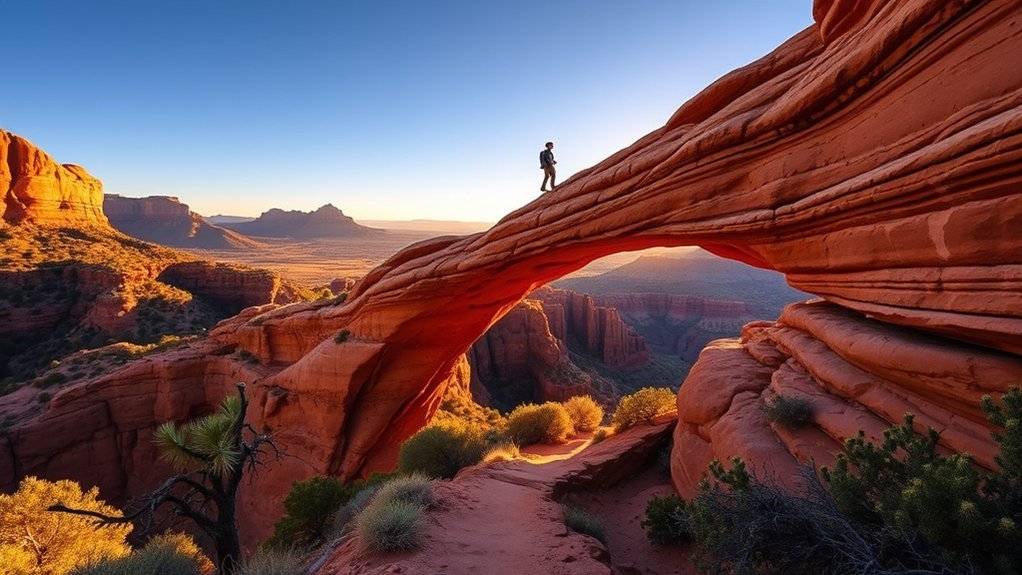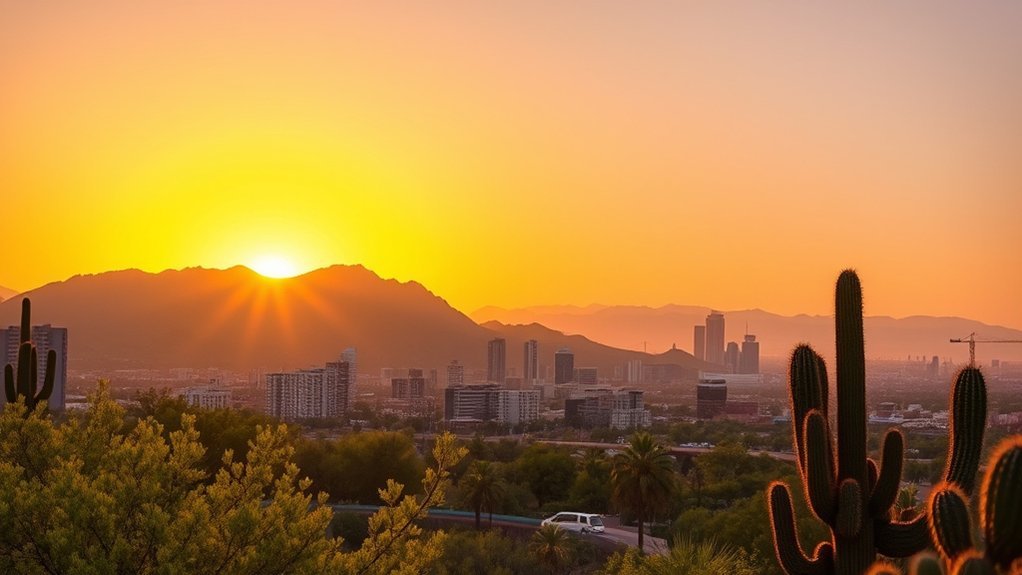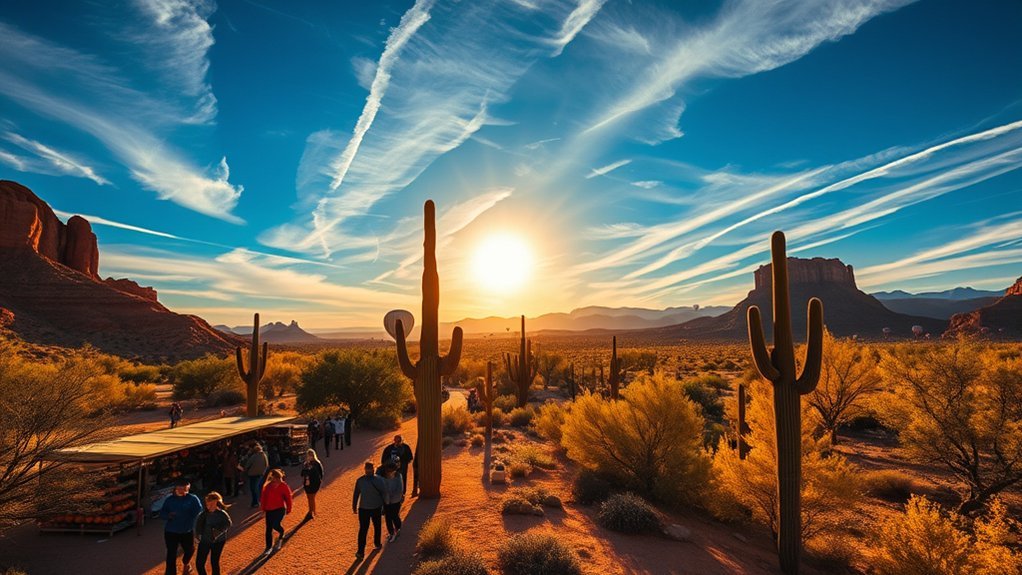
Arizona in November can feel like several destinations in one trip. Phoenix and Tucson usually have mild, sunny afternoons, while Flagstaff and the Grand Canyon’s rims can have freezing nights, snow, and icy roads. The month is excellent for desert hiking, birdwatching, scenic drives, cultural events, and stargazing, but your plans and packing list should match the elevation.
Quick Answer
November is one of the best months to visit Arizona for comfortable desert hiking, lower-elevation fall colors, birdwatching, festivals, and clear night skies. Expect afternoons in the mid-70s around Phoenix and Tucson, but pack winter layers for Flagstaff and the Grand Canyon, where nights commonly fall below freezing.
Key Takeaways
- Phoenix and Tucson generally offer mild hiking weather, while northern Arizona may have snow and icy roads.
- High-elevation aspens are often past peak by November, but cottonwoods, sycamores, and maples can still provide color at lower elevations.
- Do not plan a November trip around a major desert wildflower bloom. Scattered flowers are possible, but the best annual displays normally occur later.
- November is a strong birding month for sandhill cranes, waterfowl, raptors, sparrows, and resident desert birds.
- Check weather, road closures, park alerts, fire rules, and event schedules shortly before leaving.
Typical November Weather Across Arizona
Arizona’s elevation changes create large temperature differences. Monthly averages help with planning, but they are not a forecast for your travel dates. Check the National Weather Service again before driving, hiking, or camping.
| Location | Average High | Average Low | Normal Precipitation | Planning Note |
|---|---|---|---|---|
| Phoenix | 76.5°F | 53.7°F | 0.57 inch | Warm afternoons, cooler evenings, and usually good desert-hiking conditions. |
| Tucson | 75.1°F | 47.9°F | 0.56 inch | Comfortable days, cool mornings, and occasional near-freezing nights. |
| Flagstaff | 52.1°F | 23°F | 1.55 inches, plus 8.2 inches of normal snowfall | Freezing nights, possible snow, icy trails, and winter-driving conditions. |
A November afternoon can be more than 20°F warmer in Phoenix than in Flagstaff, while nighttime differences can be even greater.
Early Versus Late November
Early November is usually warmer and gives you more daylight than the final week of the month. By late November, desert evenings become noticeably cooler, winter storms are more likely in northern Arizona, and snow or ice can affect higher-elevation roads and trails.
Thanksgiving week can also increase demand for hotels, campsites, rental cars, and popular tours. Reserve limited-capacity activities early and check cancellation policies in case winter weather changes your route.
Best Arizona Destinations in November
| Area | Best For | What to Expect |
|---|---|---|
| Phoenix and Scottsdale | Desert hiking, museums, dining, golf, and festivals | Mild afternoons, cool evenings, busy holiday weekends, and strong sun. |
| Tucson | Saguaro landscapes, cycling, food, cultural events, and stargazing | Comfortable daytime weather with chilly mornings and evenings. |
| Sedona and Verde Valley | Red-rock hiking, lower-elevation fall color, wineries, and scenic drives | Cool mornings, pleasant afternoons, and possible rain or early snow. |
| Flagstaff | Forests, Route 66, museums, astronomy, and winter scenery | Freezing nights and a realistic chance of snow or icy roads. |
| Grand Canyon South Rim | Viewpoints, short rim walks, photography, and quieter visits | Cold rim temperatures, possible snow, and rapidly changing trail conditions. |
| Southeastern Arizona | Birdwatching, historic towns, mountain canyons, and scenic drives | Mild valleys, cold mountain nights, and excellent crane viewing. |
Where to See Fall Colors and Desert Flowers
Realistic Fall-Color Timing
Arizona’s fall color moves downhill as temperatures cool. High-elevation aspens around Flagstaff and the San Francisco Peaks often peak in September or October, so they may be bare by November. Conditions vary each year, especially after wind, frost, or an early snowstorm.
In early November, look for remaining color around Oak Creek Canyon, Sedona, Cottonwood, Camp Verde, and other creek corridors. Later in the month, cottonwoods and sycamores may still provide yellow and bronze color in lower-elevation riparian areas and southern Arizona canyons.
Useful November possibilities include:
- Oak Creek Canyon: Maples, oaks, cottonwoods, and sycamores, with timing that varies by elevation.
- Verde Valley: Cottonwoods along the Verde River and around parks near Cottonwood.
- Boyce Thompson Arboretum: A lower-elevation option where color may continue later than in Flagstaff.
- Sabino Canyon and Madera Canyon: Southern Arizona locations with riparian trees and cooler canyon environments.
- Chiricahua and Huachuca mountain canyons: Possible late-season color from maples, oaks, and sycamores.
Will Desert Wildflowers Bloom in November?
Do not expect a broad carpet of poppies or lupines in November. The Sonoran Desert’s most dependable showy annual-wildflower period normally comes later, with peak timing affected by winter rainfall and temperature.
You may still see scattered autumn-flowering shrubs, cultivated plants, or isolated flowers after favorable rain. In exceptionally warm low-desert areas, early winter annuals can begin growing, but a major November display is unusual and cannot be promised.
Note: For dependable November color, prioritize cottonwoods, sycamores, maples, oaks, and landscaped botanical collections rather than planning your trip around desert wildflowers.
Outdoor Activities: Hiking, Biking, and Scenic Drives
Hiking
November is often ideal for lower-desert hiking because afternoon temperatures are far more manageable than in summer. Good options include trails in the Phoenix Mountains, South Mountain Park, the Superstition foothills, Saguaro National Park, Sabino Canyon, and Sedona’s red-rock country.
Start with a route that matches your fitness, available daylight, and navigation experience. Even in cool weather, carry water, sun protection, a map, a charged phone, and an extra layer. Begin early enough to finish before dark.
Biking
Tucson’s paved trail system and Phoenix-area canal paths are practical choices for casual cycling. Experienced mountain bikers can consider Sedona’s trail network, but should check trail conditions after rain or snow. Riding wet clay-rich trails can damage the surface and make control difficult.
Scenic Drives
Popular November drives include Oak Creek Canyon on State Route 89A, Sedona’s Red Rock Scenic Byway, the roads through Saguaro National Park, and routes through the Verde Valley. The Apache Trail along State Route 88 also offers dramatic scenery, but it requires more preparation.
Warning: A section of SR 88 near Fish Creek remains unpaved, steep, narrow, and winding. Severe weather or rockfall can change conditions. Check the ADOT Apache Trail update and AZ 511 before driving, and do not attempt the route unless you and your vehicle are suitable for the conditions.
Festivals, Events, and Food Highlights
Arizona’s November calendar includes art markets, cycling events, Indigenous cultural programs, local-business festivals, outdoor gatherings, and holiday-season events. Dates and locations can change, so confirm details with the organizer before buying tickets or booking a hotel.
Notable November 2026 Events
Events officially listed as of July 23, 2026 include:
- Arizona Fall Festival in Phoenix on November 7, with Arizona businesses, food vendors, music, and family activities.
- Autumnfest in Anthem on November 7–8, featuring arts, crafts, handmade goods, and culinary vendors.
- Portal Fest at S’edav Va’aki Museum in Phoenix on November 21, with O’odham and Piipaash art, performances, demonstrations, food, and museum admission.
- Tucson Museum of Art Fall Artisans Market on November 20–22.
- El Tour de Tucson 5K and event activities on November 21.
Arts and Cultural Events
Phoenix, Scottsdale, Tucson, Flagstaff, Sedona, and smaller communities host gallery walks, museum programs, artisan markets, theater, live music, and cultural demonstrations. Choose events that identify the participating artists, community partners, dates, and venue rather than relying on a generic festival listing.
When attending Indigenous cultural events, follow the organizer’s photography rules and descriptions of appropriate visitor behavior. Some ceremonies, objects, or spaces may not be open to photography.
Food, Markets, and Wine
November is a good time to explore Tucson’s regional food scene, Phoenix-area farmers markets, Verde Valley tasting rooms, and local restaurants using seasonal citrus, squash, dates, pecans, chiles, and other Southwestern ingredients.
For wineries or tasting rooms, check opening days, reservation requirements, transportation, and age restrictions. Do not assume every vineyard hosts a harvest event in November; many grape harvests occur earlier.
Wildlife Viewing and Birdwatching Opportunities
November shifts Arizona birding toward winter residents and arriving migrants. Depending on habitat and elevation, you may see sandhill cranes, ducks, geese, sparrows, raptors, woodpeckers, wrens, and year-round desert species.
Sandhill Cranes
Whitewater Draw Wildlife Area in southeastern Arizona is one of the state’s strongest November wildlife experiences. Sandhill cranes arrive for the wintering season, roost in wetlands, and leave to feed in surrounding agricultural areas.
The Arizona Game and Fish Department recommends viewing around sunrise, when cranes become active and begin leaving the roost. Afternoon returns can also be productive.
| Bird Group | Likely November Behavior | Where to Look |
|---|---|---|
| Sandhill cranes | Arriving, roosting, feeding, and wintering | Whitewater Draw and nearby agricultural areas |
| Ducks and other waterfowl | Resting and feeding in winter habitat | Wetlands, lakes, ponds, and slow river sections |
| Raptors | Soaring, perching, and hunting | Open desert, grasslands, agricultural fields, and ridgelines |
| Sparrows and winter songbirds | Foraging in brush, grass, and seed-rich areas | Mesquite, desert scrub, grasslands, and riparian edges |
Best Viewing Habitats
- Whitewater Draw: Sandhill cranes, waterfowl, and open-country birds.
- Patagonia Lake: Water, shoreline, mesquite, and riparian habitat in one accessible area.
- San Pedro Riparian National Conservation Area: Cottonwood-willow habitat and open grasslands.
- Verde River corridor: Riparian birds, waterfowl, and raptors.
- Rio Salado Habitat Restoration Area: An urban Phoenix option with river and desert habitat.
- Madera Canyon: A range of elevations and woodland habitats, with cold conditions possible higher up.
Guided Tours and Birding Tips
A knowledgeable local guide can help with identification, seasonal locations, and access rules. Before booking, ask about group size, walking distance, accessibility, transportation, restroom access, cancellation policies, and ethical wildlife-viewing standards.
Bring binoculars, a field guide or identification app, water, sun protection, a quiet outer layer, and a notebook. Stay on designated routes, avoid recorded calls around sensitive birds, and give roosting cranes and other wildlife plenty of space.
Pro Tip: Arrive before sunrise, position yourself without blocking paths, and remain after the first large flock leaves. Smaller groups and other species may become easier to observe once the busiest period ends.
Stargazing and Astronomy
November’s longer nights and generally lower humidity can create excellent stargazing conditions, but clouds, moonlight, wind, and winter storms still matter. Check the moon phase and local forecast before planning a late-night drive.
Options include:
- Lowell Observatory in Flagstaff, which offers public astronomy programs and telescope viewing. Dress for freezing mountain weather and confirm weather-dependent activities.
- Arizona State Parks, several of which host scheduled star parties and astronomy programs.
- Organ Pipe Cactus National Monument, a remote Sonoran Desert location with dark skies and limited nearby services.
- Petrified Forest National Park, where after-hours viewing requires following the park’s current permit and access rules.
Use a red flashlight, keep headlights away from other observers, avoid parking on vegetation, and carry warm clothing even in the low desert.
Practical Travel Tips: Packing, Driving, and Safety
What to Pack
- A breathable daytime layer and a warm jacket.
- A hat, sunglasses, and broad-spectrum sunscreen.
- Sturdy walking or hiking shoes.
- A reusable water bottle and additional water for remote routes.
- Lip balm and moisturizer for dry air.
- A compact first-aid kit and personal medicines.
- A charged phone, portable battery, and offline maps.
- Gloves and a warm hat for Flagstaff, the Grand Canyon, or high mountain areas.
- Traction devices only when appropriate for your footwear, route, and experience.
- An emergency blanket, flashlight, food, and extra clothing for remote winter driving.
Driving and Road Conditions
Fuel up before remote drives and do not assume every mountain or desert road has reliable mobile service. Check tires, lights, windshield fluid, and the spare tire before leaving a city.
Use AZ 511 for state-highway conditions. National parks, national forests, state parks, counties, and tribal jurisdictions may publish separate alerts, so check the agency managing your destination as well.
Warning: Never drive through flowing water. A road that looks shallow can hide damage, debris, or a strong current. Turn around and use another route.
Grand Canyon Access in November
The Grand Canyon’s South Rim is open throughout the year, although snow, ice, trail closures, and temporary road restrictions are possible. Review the park’s current alerts and conditions before traveling.
North Rim services normally end earlier in the fall, and Highway 67 can close because of snow. For 2026, the National Park Service has also announced a North Kaibab Trail closure between Redwall Bridge and Cottonwood Campground beginning October 15, which prevents a traditional rim-to-rim hike after that date. Do not build a November 2026 itinerary around North Rim services or a rim-to-rim crossing without checking the latest North Rim status.
Camping
November can be a comfortable time for developed camping in the Sonoran Desert, but nighttime temperatures can drop quickly. Desert basins, canyon bottoms, and higher elevations may be much colder than the afternoon forecast suggests.
Reserve campsites where required, confirm whether water is available, and follow current fire restrictions. Camp only in designated or legally permitted areas. Backcountry camping may require a permit and should not be treated like ordinary roadside camping.
Carry enough water for drinking and cooking. At remote sites, do not depend on natural water sources unless the managing agency confirms their condition and you have a reliable treatment method.
Visiting Tribal Lands
Some Arizona attractions and roads are on tribal lands and follow rules that differ from federal, state, or private destinations. Entry fees, guide requirements, photography rules, opening hours, permits, and closures can change. Check directly with the tribal park or tourism authority before traveling.
Day Trips and Weekend Itineraries
One Day in Phoenix
- Morning: Complete a suitable desert hike before the strongest midday sun.
- Midday: Visit a museum, botanical attraction, or shaded historic district.
- Afternoon: Explore local food, art, or a scheduled November event.
- Evening: Watch sunset from an established viewpoint and return before park gates close.
Two Days in Sedona and Verde Valley
Day 1: Start with a sunrise red-rock hike, take a scenic drive, and explore Sedona in the afternoon. Check trail conditions first, especially after rain or snow.
Day 2: Drive through the Verde Valley, look for cottonwood color, visit Jerome or Cottonwood, and stop at a tasting room or local restaurant if it fits your plans.
Two Days in Flagstaff and Grand Canyon South Rim
Day 1: Explore Flagstaff’s historic center, Route 66 sites, museums, or Lowell Observatory. Keep winter clothing in the vehicle.
Day 2: Visit the Grand Canyon South Rim, prioritizing rim viewpoints and short walks that match the weather. Carry traction and winter equipment only if you know how and when to use it.
Two Days in Tucson
Day 1: Visit one district of Saguaro National Park, allowing time for short walks, scenic pullouts, and sunset.
Day 2: Explore a museum, market, cultural event, or food district, then finish with an evening astronomy program or an approved stargazing location.
Two Days in Southeastern Arizona
Day 1: Visit Patagonia Lake, the San Pedro corridor, or a mountain canyon for birding and fall scenery.
Day 2: Reach Whitewater Draw before sunrise for sandhill cranes, then visit a nearby historic community or scenic route. Avoid disturbing birds and remain within designated viewing areas.
Frequently Asked Questions
Are there COVID-19 restrictions or entry requirements in Arizona in November?
Ordinary domestic travelers generally do not need COVID-specific documents to enter Arizona. Requirements can still differ at healthcare facilities, private events, or tribal destinations, and public-health guidance can change. Check the places you will visit and follow current CDC respiratory-virus guidance, especially if you are sick or at higher risk.
Can I find allergy-friendly events or lower-pollen activities?
Yes, but no Arizona location is guaranteed to be pollen-free. Check a local daily pollen report, avoid windy periods, and use indoor museums, galleries, caves, or observatories when symptoms are strong. Higher elevations may have different pollen conditions, but they can also be colder and windier.
Are national-park entrance fees waived or discounted in November?
For 2026, November 11 is a National Park Service entrance-fee-free day for U.S. citizens and residents. Camping, tours, reservations, transportation, and concession charges may still apply. International visitors should review the current NPS pass and nonresident-fee rules, including the additional policy affecting Grand Canyon National Park.
Is November a good time to camp in the Sonoran Desert?
It can be an excellent time for developed desert camping because daytime heat is lower. However, nights can be cold, water may be unavailable, and popular sites may fill around holidays. Reserve when required, check fire rules, and bring more insulation and water than the daytime temperature suggests.
Are there stargazing festivals or astronomy tours in November?
Yes. Lowell Observatory offers public astronomy experiences, and several Arizona state parks schedule star parties or astronomy programs. Availability depends on the date, venue, weather, and moonlight, so confirm the program before driving to a remote location.
Does it snow in Arizona in November?
Yes. Snow is possible in Flagstaff, at the Grand Canyon’s rims, and in other mountain areas. Flagstaff’s normal November snowfall is about 8.2 inches, although an individual year may be much drier or snowier.
Is November a good time to visit the Grand Canyon?
Yes, especially at the South Rim, which remains open year-round. Crowds may be lower than in summer, but snow, ice, cold wind, and shortened daylight can affect roads and trails. North Rim access and services are far more limited, so check current park alerts before choosing your route.
Sources
- National Weather Service Phoenix November Climate Report — Phoenix temperature and precipitation normals.
- National Weather Service Flagstaff November Climate Report — Flagstaff temperature, precipitation, and snowfall normals.
- National Weather Service Tucson Monthly Normals — Tucson November temperature and rainfall normals.
- Arizona Department of Transportation: State Route 88 — current Apache Trail surface and driving-condition information.
- National Park Service Entrance Passes — 2026 fee-free dates, pass coverage, and nonresident policies.
- Grand Canyon National Park North Rim Status — 2026 access, services, trail closures, and seasonal limitations.
Conclusion
Arizona in November is best approached as a multi-climate trip. Choose Phoenix or Tucson for mild desert days, Sedona and the Verde Valley for red rocks and possible late fall color, or Flagstaff and the Grand Canyon South Rim for colder mountain scenery. Pack layers, carry water, check road and park alerts, and keep a flexible route in case winter weather reaches the high country.
With realistic expectations, November can deliver some of Arizona’s most comfortable hiking, excellent birdwatching, long stargazing nights, cultural events, and quieter scenic drives without summer’s extreme desert heat.