What’s in This Article
- When to Visit Arizona by Season
- Best Months for Desert Hiking and Heat-Adapted Activities
- Ideal Times for Northern Arizona and Mountain Escapes
- Peak Tourist Months and Crowd Patterns at Grand Canyon and Sedona
- Shoulder Seasons for Mild Weather and Fewer Visitors
- Winter Travel: Snow, Skiing, and Holiday Crowds
- Summer Travel: Monsoon Season, Heat Risks, and Tips
- Budget-Friendly Months for Flights and Lodging Deals
- Event-Driven Times: Festivals, Sporting Events, and Local Celebrations
- Frequently Asked Questions
- Conclusion
Arizona can feel like two different trips depending on when you go. Pick the right season, and you get mild hikes, clear desert mornings, and easier hotel choices. Pick the wrong one, and heat, storms, snow, or crowds can shape your whole schedule. This guide helps you choose the best time for desert trails, mountain escapes, Grand Canyon views, Sedona trips, festivals, and budget travel.
Quick Answer
The best time to visit Arizona is usually spring, from March to May, or fall, from September to November. These months give you mild weather, better hiking conditions, and fewer extreme heat risks. Visit northern Arizona in summer for cooler air, or go in winter if you want snow, skiing, and quiet mountain towns.
Key Takeaways
- Choose spring or fall for the best mix of mild weather, hiking comfort, and manageable crowds.
- Plan desert hikes for early morning or late afternoon, especially outside the coolest months.
- Use northern Arizona for summer relief, mountain trails, pine forests, and cooler nights.
- Treat summer monsoon storms and desert heat as serious travel planning factors.
- Book early for major events, holiday weeks, Grand Canyon trips, and popular Sedona weekends.
When to Visit Arizona by Season
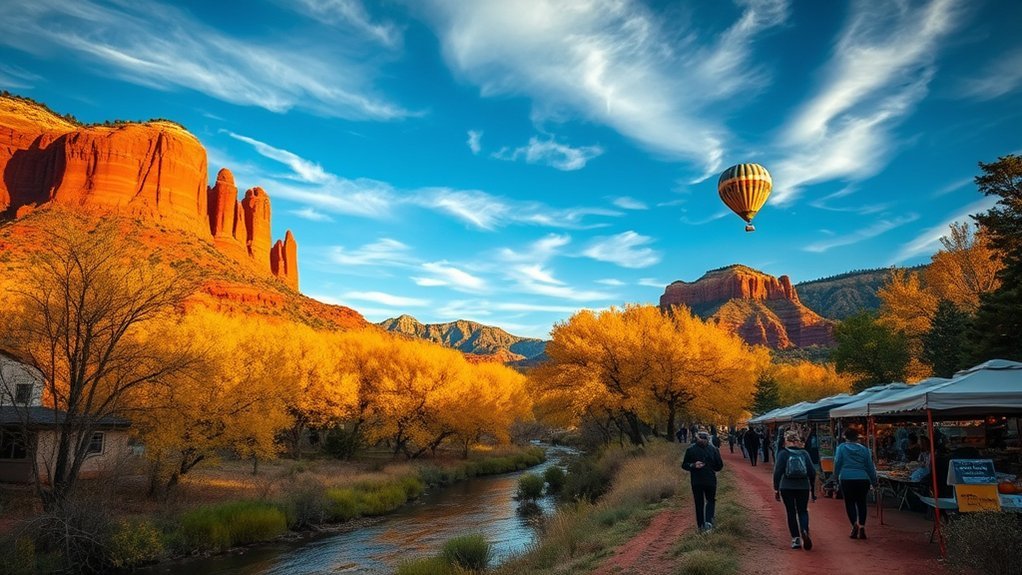
Arizona’s climate changes fast by region, so each season gives you a different trip. Spring brings desert wildflowers, mild mornings, and strong hiking conditions in lower elevations. Fall offers comfortable days, crisp evenings, and colorful leaves in higher places.
Summer turns the low deserts very hot, while northern towns and mountain areas offer cooler escapes. Winter brings snow to higher elevations, yet southern deserts often stay sunny and comfortable. Your best season depends on whether you want desert hikes, red-rock views, ski days, or quiet scenic drives.
Best Months for Desert Hiking and Heat-Adapted Activities
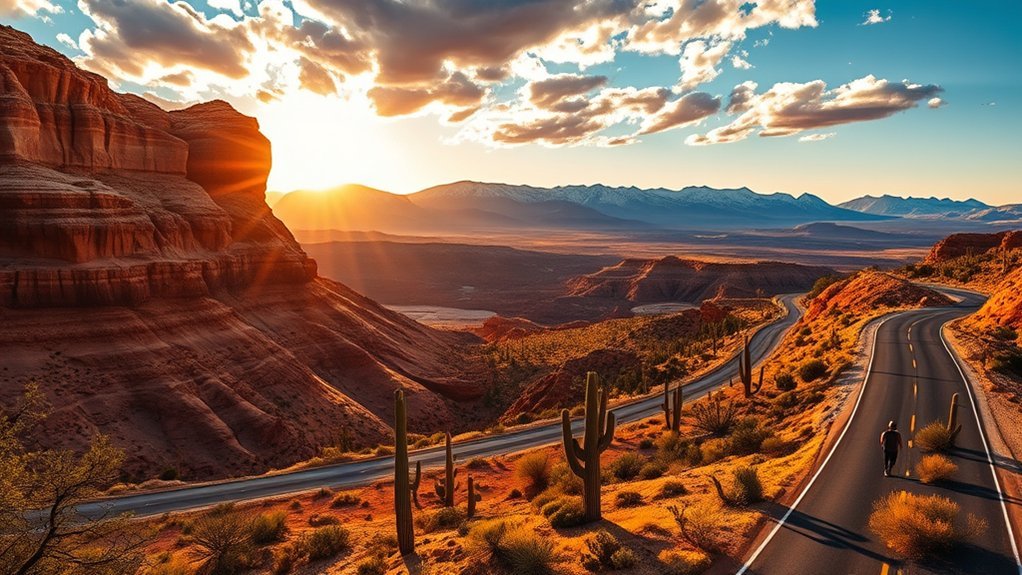
For desert hikes, trail runs, bouldering, and Jeep tours, aim for March to May or September to early November. These months often balance warm days with cooler mornings, which gives you more safe time outside. You can enjoy golden light without fighting the worst midday heat.
Pack light hiking layers, a wide-brim hat, sunscreen, salty snacks, and more water than you think you need. Start at dawn when possible, and save short scenic stops for late afternoon. Good timing turns a bold desert plan into a trip you can enjoy without rushing.
Pro tip: Check sunrise times before you choose trailheads, because early starts help you avoid heat and parking stress.
Ideal Times for Northern Arizona and Mountain Escapes
Head north when you want cooler air, pine forests, mountain trails, and clear night skies. Late spring and early fall often work well because temperatures feel easier and crowds stay more manageable. You can plan scenic drives, forest hikes, and cabin stays without the harsh low-desert heat.
Summer also works well in places like Flagstaff, Williams, and other higher-elevation areas, but popular weekends can feel busy. Winter brings snow, quiet cabins, skiing, snowshoeing, and cold nights. Pack layers and check elevation-based forecasts because weather can change by town and trail.
Peak Tourist Months and Crowd Patterns at Grand Canyon and Sedona
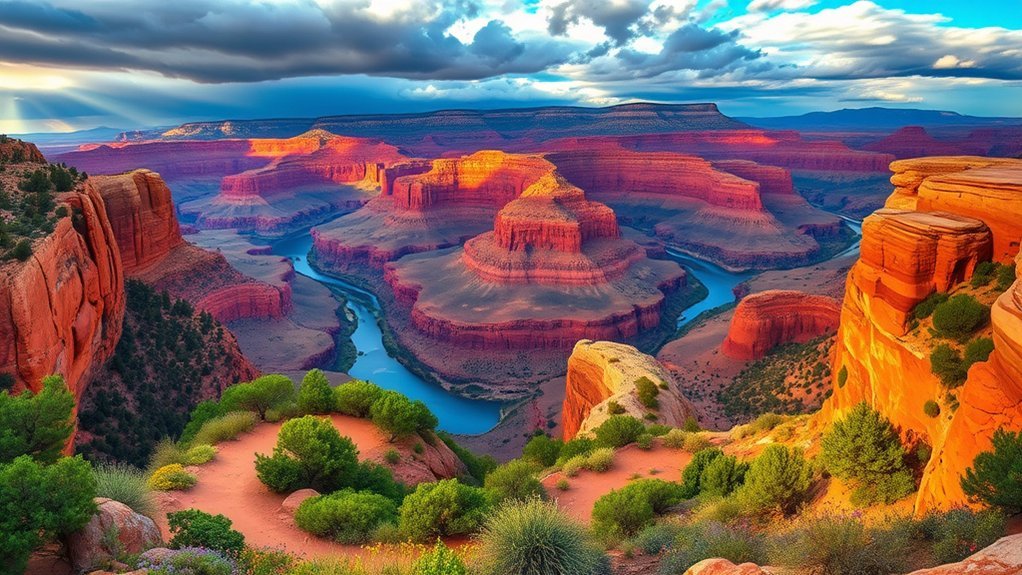
You’ll usually see the Grand Canyon draw heavy crowds from late spring through early fall. Warm weather, school breaks, and vacation travel bring more visitors to viewpoints, rim trails, shuttle stops, and parking areas. Sedona follows a slightly different rhythm, with strong crowds in spring and fall when hiking weather feels better.
Knowing these crowd patterns helps you choose quieter days or book key plans early. Reserve lodging, tours, and popular activities ahead of time for peak weekends. For a calmer trip, choose weekdays, early mornings, and less famous trailheads.
Grand Canyon Peak Seasons
The Grand Canyon often feels busiest in late spring, summer, and early fall. June and July can bring large vacation crowds, while pleasant fall weather can also fill viewpoints and lodging. Arrive early if you want sunrise photos, easier parking, and more time near popular rim areas.
Trails and shuttle routes can fill quickly, so plan your day before you arrive. Wildlife sightings may still happen, including mule deer and California condors, but noise and crowds can make viewing harder. For more quiet, target shoulder-season weekdays and lesser-known overlooks.
Sedona Crowd Patterns
Sedona gets especially busy in spring and fall because visitors come for red-rock hikes, mild weather, art, wellness trips, and photos. Weekends often fill trailheads by early morning. Weekdays give you better chances for open parking, calmer views, and slower meals.
Events, guided tours, art festivals, and retreats can push more visitors into small areas. Shift your timing or choose lesser-known trails when the main routes feel packed. Midweek mornings and late afternoons often give you the best chance to enjoy Sedona at a relaxed pace.
Shoulder Seasons for Mild Weather and Fewer Visitors
Spring and fall usually give you Arizona’s best travel balance. March to May and September to November often bring mild days, cooler nights, and better hiking comfort. These seasons also help you avoid the worst desert heat and the busiest summer vacation stretch.
You may find easier reservations, better room choices, and calmer scenic drives during shoulder months. Spring can bring wildflowers in desert and high-desert areas, while fall adds color to higher-elevation forests. These months help you slow down and shape the trip around your own pace.
Winter Travel: Snow, Skiing, and Holiday Crowds
Winter gives Arizona a split personality. Higher elevations can get snow, while southern desert areas often stay crisp, sunny, and comfortable. You can hike in the desert one day and plan snow activities in the mountains on another.
Holiday weeks bring more visitors to ski areas, cozy towns, and popular desert escapes. Midweek travel can help you find better value and fewer crowds. Build extra time into your plan because winter roads can change fast in mountain areas.
- Flagstaff and Sunrise Park: Plan snow activities, downhill runs, and cold-weather weekends.
- Arizona Snowbowl: Use this area for mountain skiing near Flagstaff and northern Arizona routes.
- Nordic trails: Choose cross-country routes when you want quiet movement through snowy forests.
- Small towns: Enjoy festive lights, local markets, warm drinks, and cabin stays.
Summer Travel: Monsoon Season, Heat Risks, and Tips
Summer in Arizona demands a careful plan. Low-desert areas can become dangerously hot, and monsoon storms can bring sudden rain, lightning, gusty winds, and flash flooding. Higher elevations offer relief, but storms can still change outdoor plans quickly.
Schedule hikes and outdoor activities for early morning or evening. Carry water, check forecasts, and avoid washes or low-lying roads during storms. Summer can still work well, but you need flexible plans and strong safety habits.
Warning: Never enter flooded washes or drive through standing water, because depth and road damage can be hard to judge.
Monsoon Timing and Patterns
Arizona’s monsoon pattern often builds from mid-June into September, though timing and strength change each year. Storms can bring quick downpours, lightning, cooler air, dust, and flash flooding. Southern Arizona may see storms earlier than some northern areas.
Use weather alerts, radar, and local guidance before you head outside. Plan flexible routes and avoid slot canyons, washes, and flood-prone roads when storms threaten. Dramatic skies can look beautiful, but they should never push you into unsafe choices.
- Track daily forecasts before hikes, drives, and tours.
- Learn which roads, washes, and trails flood quickly.
- Carry quick-dry layers and basic rain protection.
- Move outdoor plans earlier or later when storms build.
Heat Illness Prevention
Monsoon clouds do not remove Arizona’s heat risk. Humidity, sun, and hot ground can still raise your chance of heat exhaustion during summer travel. Use shade, rest breaks, breathable clothing, and smart pacing.
Sip water often, and add electrolytes when you sweat heavily. Watch for dizziness, nausea, heavy sweating, weakness, headache, or confusion. If symptoms start, stop activity, cool down, and seek help if they worsen.
Rainy-Road Safety Tips
Sudden rain can turn an easy drive into a risky one. Wet roads, dust, poor visibility, and standing water can appear fast during summer storms. Slow down and adjust before conditions force you to react.
- Reduce speed and increase your following distance.
- Use headlights, not high beams, when rain limits visibility.
- Avoid standing water and choose a safer detour.
- Check tires, wipers, brakes, and lights before long drives.
These habits help you stay mobile without taking needless risks. They also make stormy days feel less stressful.
Budget-Friendly Months for Flights and Lodging Deals
For better flight and hotel value, look at shoulder seasons and non-holiday weeks. Late fall and early spring can offer pleasant weather without the highest tourist demand. Flexible dates give you the best chance to compare routes and room types.
Use fare alerts, compare nearby airports, and check midweek arrivals when your schedule allows. Look beyond big hotels if boutique inns, cabins, or vacation rentals fit your trip style. Refundable bookings can also help when weather or event plans change.
Event-Driven Times: Festivals, Sporting Events, and Local Celebrations
Arizona’s event calendar can shape the best time for your trip. Golf tournaments, art walks, rodeos, college sports, music festivals, and local celebrations can make a visit feel more lively. They can also raise hotel demand and fill restaurants fast.
Match your travel dates to the energy you want. Choose major events for crowds and nightlife, or avoid those same weekends when you want a quieter trip. Always check event dates before you book lodging in Phoenix, Tucson, Sedona, Flagstaff, and other popular areas.
- Golf weeks: Choose these dates for big crowds, social energy, and major sports events.
- Arts crawls: Visit Phoenix or Tucson for galleries, local food, and indie culture.
- Rodeos and heritage fairs: Plan around Western traditions and community events.
- Tribal events and powwows: Respect local rules, photo policies, and visitor guidance.
Book early when an event matters to your trip. Popular weekends can sell out well ahead of time.
Frequently Asked Questions
Are There Travel Restrictions or Permits for Visiting Native American Lands in Arizona?
Yes, many Native American lands have their own visitor rules, permits, photo policies, and access limits. Check official tribal guidance before you visit, follow posted rules, and respect cultural sites, ceremonies, and local authority.
How Do Wildfire Seasons Impact Travel Plans and Park Access?
Wildfire activity can close parks, block roads, reroute trails, and reduce air quality. Check official park, forest, and emergency alerts before you drive into remote areas. Keep backup plans ready, especially during hot, dry, and windy periods.
Is It Safe to Drink Tap Water Across Different Arizona Regions?
Tap water quality can vary by city, rural area, campground, and tribal land. Larger cities often publish water quality reports, while remote areas may need more caution. Carry extra water, and use filtration when local guidance recommends it.
Can I Bring My Pet to Popular Trails, Parks, and Lakes?
You can bring pets to many Arizona trails, parks, and lake areas, but rules vary by site. Check leash rules, heat restrictions, shuttle policies, and trail limits before you go. Pack water, waste bags, paw protection, and shade for your pet.
What Cell Service and Internet Connectivity Can I Expect in Remote Areas?
Cell service can become weak or unavailable in canyons, deserts, forests, and remote highways. Download maps before you leave town and share your route with someone you trust. Portable hotspots and satellite tools may help, but they still need planning.
Conclusion
Spring and fall usually give you the best Arizona travel experience because they balance mild weather, outdoor comfort, and manageable crowds. Choose your region first, then match your dates to desert heat, mountain snow, monsoon risk, or event demand. Book early for Grand Canyon, Sedona, ski weekends, and major festivals. With flexible dates and smart timing, you can enjoy Arizona at a pace that feels safe, scenic, and fully yours.