Sedona to Page Day Trip: Route, Stops, Tours, and Safety Tips
Last updated: May 22, 2026
A Sedona to Page day trip can work if you start early, limit your stops, and reserve any required tours before you drive. The direct drive usually takes about three hours before stops, so this is a long travel day, not a slow sightseeing loop. Your best plan is to choose one or two Sedona-area stops, drive north through Flagstaff or Oak Creek Canyon, reach Page for a booked slot canyon tour, then visit Horseshoe Bend in softer light.
Quick Answer: The best Sedona to Page day trip plan is to leave Sedona before sunrise, keep your scenic stops short, book an authorized Antelope Canyon or slot canyon tour in advance, visit Horseshoe Bend in the morning or late afternoon, and check road, weather, and Lake Powell conditions before leaving.
Key Takeaways
- Plan about three hours of driving each way before stops.
- Book Antelope Canyon tours before your trip because guided tours are required.
- Horseshoe Bend parking is paid, and National Park passes do not cover the city parking lot.
- Check AZ511 before departure for current road conditions.
- Check weather closely during monsoon season because flash floods can affect washes, roads, and slot canyons.
What’s in This Article
- Planning Your Route and Timing
- Must-See Stops Along the Way
- Sunrise and Sunset Photo Opportunities
- Short Hikes and Viewpoints
- Exploring Horseshoe Bend
- Visiting Lake Powell and Glen Canyon
- Slot Canyon Tours and Reservations
- Driving Tips and Road Conditions
- Food, Fuel, and Restroom Stops
- Packing Checklist and Safety Essentials
- Frequently Asked Questions
Planning Your Route and Timing
When you plan a Sedona to Page day trip, start with the clock. The drive can fit into one long day, but only if you avoid too many detours. Choose the faster highway route when your main goals are Antelope Canyon, Horseshoe Bend, and Page. Choose the scenic Oak Creek Canyon route only if you leave early and accept a slower start.
Use this sample schedule as a planning guide, then adjust it around your booked tour time, sunrise, sunset, road work, and weather.
| Part of the Day | Best Use of Time | Planning Tip |
|---|---|---|
| Early morning | Leave Sedona and stop at one nearby viewpoint | Keep the first stop short so you do not miss your Page reservation |
| Mid-morning | Drive through Flagstaff or Oak Creek Canyon toward Page | Check fuel before the longer northern stretch |
| Midday | Arrive in Page for lunch or a slot canyon tour | Use the tour operator’s check-in time, not only the tour start time |
| Afternoon | Visit Glen Canyon Dam Overlook, Lake Powell, or Horseshoe Bend | Avoid exposed viewpoints during extreme heat when possible |
| Evening | Watch late light at Horseshoe Bend or stay overnight in Page | Do not plan a rushed night drive if you feel tired |
Before leaving, check AZ511 for real-time road conditions and closures. This matters most in winter, during road work, and during summer storm season.
Must-See Stops Along the Way
The best stops between Sedona and Page are the ones that support the main trip instead of stretching it too far. Keep your route focused on quick views, short walks, fuel, food, and Page-area highlights. Save major add-ons like Monument Valley for a separate overnight trip because they add too much driving for most one-day plans.
| Stop | Why It Works | Best For |
|---|---|---|
| Oak Creek Vista | Fast scenic view above the canyon | Morning photos and a short stretch |
| Flagstaff | Reliable food, fuel, and restrooms | Practical travel stop |
| Cameron area | Useful break between Flagstaff and Page | Fuel, snacks, and route reset |
| Glen Canyon Dam Overlook | Short Page-area stop with canyon views | Quick viewpoint before or after a tour |
| Horseshoe Bend | Iconic Colorado River overlook | Late afternoon or morning visit |
If you want local culture, shops, or handmade goods, plan that stop intentionally. Do not depend on random pullouts for restrooms or safe parking.
Sunrise and Sunset Photo Opportunities
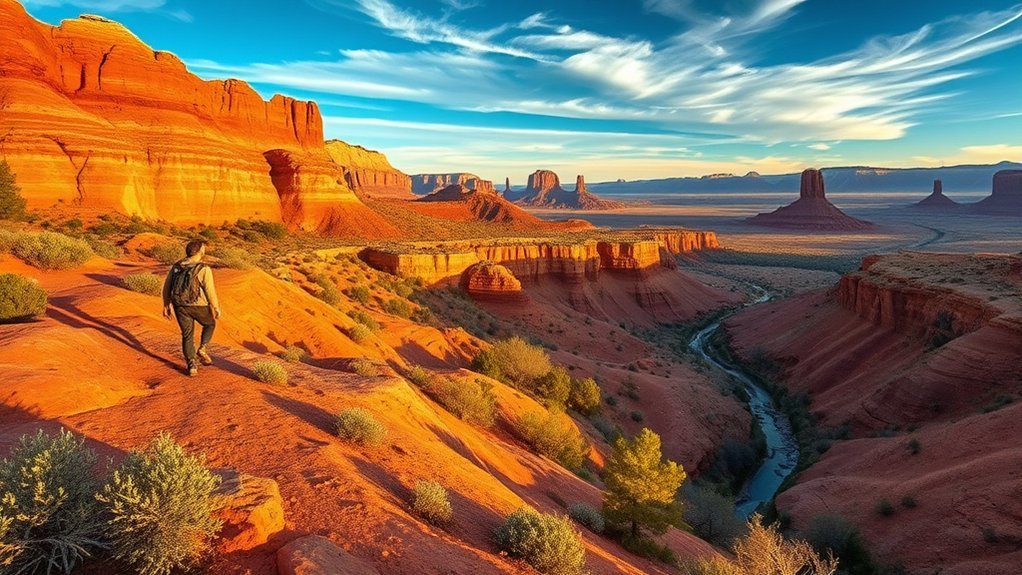
For a one-day Sedona to Page route, sunrise usually works best near Sedona or Oak Creek Canyon, while late afternoon works best near Page. This keeps your photo plan realistic and helps you avoid chasing light in places that require a major detour.
Best Sunrise Vantage Points
Choose a sunrise stop that sits close to your route. You want strong light without losing the morning drive window. Bring layers, a small tripod if allowed at your stop, and enough time to return safely to the car.
| Spot | Why Go |
|---|---|
| Bell Rock area | Fast Sedona red-rock views before leaving town |
| Oak Creek Vista | Wide canyon view near the Sedona to Flagstaff route |
| Airport Mesa area | Classic Sedona light if you are starting very early |
Keep sunrise simple. A long hike before the drive can make the rest of the day feel rushed.
Golden Hour Sunset Spots
For sunset, stay near Page if your main trip goals are Horseshoe Bend, Antelope Canyon, and Lake Powell. Late light can be excellent, but the rim areas are exposed, so carry water, watch your footing, and leave enough time to walk back safely.
- Horseshoe Bend viewpoint, best for the Colorado River curve and canyon shadows.
- Lake Powell shoreline viewpoints, best for water and sandstone color.
- Glen Canyon Dam Overlook, best for a shorter stop near Page.
- Wahweap area, best if you are already near Lake Powell and have checked current access.
Short Hikes and Viewpoints
Short hikes can improve the day, but they can also break the schedule if you stack too many. Pick one Sedona-area walk before you leave or one Page-area viewpoint after you arrive. Do not try to treat this route like a full hiking day unless you stay overnight in Page.
| Spot | Why Go | When to Use It |
|---|---|---|
| Bell Rock | Iconic Sedona views with flexible walking options | Before leaving Sedona |
| Fay Canyon | A quieter Sedona walk when you have extra time | Only if you are not rushing to a tour |
| Oak Creek Vista | Quick viewpoint with minimal time commitment | Morning route stop |
| Glen Canyon Dam Overlook | Short Page-area canyon viewpoint | Before or after Page activities |
| Horseshoe Bend Trail | Famous 1.5-mile round-trip overlook walk | Morning or late afternoon |
Carry water even for short walks. Northern Arizona sun, wind, and dry air can make an easy stop feel harder than expected.
Exploring Horseshoe Bend
Plan to arrive at Horseshoe Bend in the morning or late afternoon for softer light and more comfortable temperatures. The trail to the overlook is about 1.5 miles round trip on a hardened path. Much of the rim remains exposed, so stay back from edges, keep children close, and keep pets on a leash.
The National Park Service Horseshoe Bend page confirms that the parking lot is on City of Page land and that America the Beautiful and National Park passes do not apply to the parking lot. Bring a payment method, check current parking rules before you go, and do not park along the highway.
Best Times to Visit
Early morning and late afternoon are usually the most comfortable times to visit Horseshoe Bend. Summer midday heat can feel intense on the exposed trail, while winter mornings may feel cold and windy. Spring and fall often give you a better balance of daylight, temperature, and crowds.
- Sunrise, cooler air, softer light, and fewer people.
- Late afternoon, warm color and stronger canyon shadows.
- Spring and fall, milder weather for most travelers.
- Weekdays, better crowd control when your schedule allows it.
Safety and Viewpoint Tips
Because the rim drops sharply, approach Horseshoe Bend with care. Watch your footing on loose surfaces, stay back from unguarded edges, and keep children and pets close. Bring sturdy shoes, sun protection, water, and a charged phone. Use a safe distance for photos instead of stepping toward exposed edges.
| Item | Purpose | Tip |
|---|---|---|
| Shoes | Traction | Wear closed-toe shoes with grip |
| Water | Hydration | Carry more in hot weather |
| Sun hat | Shade | Choose a secure hat for wind |
| Phone | Photos and emergency use | Charge it before leaving Page |
| Offline map | Backup navigation | Download before the drive |
Visiting Lake Powell and Glen Canyon
If you have time in Page, Lake Powell and Glen Canyon can add water, sandstone, and wide canyon views to your trip. Keep this stop realistic. A short overlook visit fits a day trip better than a long boat or kayak plan unless you stay overnight.
Water levels, ramp access, and shoreline conditions can change, so check Glen Canyon National Recreation Area updates before you go. Bring sun protection, water, a map, and a charged phone or camera battery. Respect closed areas, private docks, fragile formations, and posted safety signs.
- Use overlooks if you have less than one hour.
- Choose a marina or shoreline stop only after checking current access.
- Plan kayak or boat time as a separate half-day activity.
- Skip water activities when wind, storms, or access issues make conditions unsafe.
Slot Canyon Tours and Reservations
Slot canyon tours are one of the main reasons travelers drive from Sedona to Page, but they require planning. Navajo Nation Parks states that Antelope Canyon locations are accessible only by guided tour and that tour guides are mandatory. Book before your trip, arrive for check-in on time, and follow your guide’s safety rules.
Choose your tour based on your mobility, schedule, and photo goals. Upper Antelope Canyon, Lower Antelope Canyon, and Antelope Canyon X offer different layouts and walking conditions. If stairs, ladders, tight spaces, or heat are a concern, check the tour description carefully before booking.
| Tour Choice | Best For | Planning Note |
|---|---|---|
| Upper Antelope Canyon | Classic light-beam style photos | Often sells out early |
| Lower Antelope Canyon | Narrow passages and active walking | Check ladder and stair requirements |
| Antelope Canyon X | A flexible alternative near Page | Compare times and group size |
Driving Tips and Road Conditions
You may drive through changing terrain, from Sedona red rock roads to high-desert highways and exposed stretches near Page. Check conditions before departure, keep your fuel level healthy, and do not depend on cell service for every part of the route.
Use AZ511 for current Arizona road conditions. During winter, watch for snow or ice near higher elevations. During summer, watch for storms, blowing dust, and flash flood risks. The National Weather Service Flagstaff monsoon page warns that flash flooding is a major northern Arizona monsoon threat and advises drivers never to drive through flood waters.
Road Surfaces & Maintenance
Expect mostly paved highways, but stay alert for rough patches, chip seal, construction zones, gravel shoulders, and reduced-speed areas. Road work can change timing quickly, so treat any itinerary as flexible.
- Scan for patched seams, potholes, and loose gravel.
- Slow down near work zones and maintenance crews.
- Keep extra distance behind trucks and RVs.
- Inspect tires before the trip, especially if your rental or personal vehicle has high mileage.
Weather Impacts on Driving
If skies darken, wind rises, or rain starts, adjust your driving immediately. Light rain can make road surfaces slick, while gusts can push high-profile vehicles. Slow down, increase following distance, and pull into a safe turnout if visibility drops.
Never drive across flooded roads or washes. Flash floods can move fast in desert terrain, even when the storm is not directly above you. If a slot canyon tour operator cancels for weather, treat that as a safety decision, not a lost opportunity.
Food, Fuel, and Restroom Stops
While the red-rock scenery will get most of your attention, food, fuel, and restrooms can make or break the day. Fill up before the longer stretches, especially if you are leaving early or returning late. Use towns for restrooms instead of assuming scenic pullouts will have facilities.
Plan food, fuel, and restroom stops before you leave Sedona. A full tank, offline maps, and a flexible meal plan make the day easier.
- Get breakfast, coffee, or snacks before leaving Sedona.
- Use Flagstaff as a reliable food, fuel, and restroom stop.
- Top off fuel before the longest northern stretch if your tank is low.
- Plan lunch in Page around your tour check-in time.
- Carry simple snacks in case restaurants or tour timing do not line up.
Packing Checklist and Safety Essentials
Pack light, but do not underpack for heat, wind, and long driving. Bring water, electrolyte tablets, a sun hat, breathable layers, sturdy shoes, sunglasses, and sunscreen. Add a compact first-aid kit, a headlamp, a power bank, and any medicine you may need during a long day.
For the car, keep a roadside kit, spare tire tools, jumper cables, and a reflective vest. Leave your route plan with someone, download offline maps, and check the weather before you go. If you are traveling with children, pets, or older adults, add extra water and build in more rest time.
| Category | What to Pack | Why It Matters |
|---|---|---|
| Hydration | Water and electrolytes | Dry air and sun can dehydrate you quickly |
| Sun protection | Hat, sunglasses, sunscreen | Many viewpoints have limited shade |
| Navigation | Offline maps and charger | Cell service can be inconsistent |
| Safety | First-aid kit and roadside kit | Help may not be close on remote stretches |
Frequently Asked Questions
Can You Do a Sedona to Page Day Trip in One Day?
Yes, you can do it in one long day, but it requires an early start and a focused plan. Keep stops short, book any slot canyon tour in advance, and avoid adding major detours. If you want Monument Valley, long hikes, or boating, stay overnight in Page.
How Long Is the Drive From Sedona to Page?
The direct drive usually takes about three hours before stops, depending on route, weather, traffic, and road work. Scenic detours through Oak Creek Canyon can add time. Always check current conditions before leaving, especially in winter or during summer storms.
Can You Visit Both Upper and Lower Antelope Canyon in One Day?
Yes, it is possible to visit both in one day, but it is not the best choice for every traveler. You need separate reservations, enough time between check-ins, and the energy for both tours. Most day-trippers should choose one canyon and leave time for Horseshoe Bend.
Do You Need Reservations for Antelope Canyon?
Yes. Antelope Canyon access requires an authorized guided tour. Book before you drive to Page, then read the tour company’s check-in rules, mobility requirements, bag restrictions, and weather policy. Do not assume you can arrive and enter on your own.
Are There Entrance Fees or Passes for Horseshoe Bend Parking?
Yes. The Horseshoe Bend parking lot is managed by the City of Page, and National Park passes do not apply. Bring a payment method and check the current fee before you go. The fee is for parking access, not a standard National Park entrance pass.
Is Cell Phone Service Available Along the Route?
Cell service can be inconsistent between Sedona, Flagstaff, Cameron, and Page. Download offline maps before leaving, save tour confirmation details, and carry a power bank. Do not rely on your phone as your only source for directions or emergency planning.
Can I Bring My Dog to Viewpoints and Short Trails?
You can bring your dog to many outdoor viewpoints, including the Horseshoe Bend trail, but rules vary by land manager. Keep your dog leashed, carry water, avoid hot pavement and midday heat, and check each trail or tour rule before arriving.
Are Drones Allowed at Lake Powell and Glen Canyon?
No, recreational drone use is generally not allowed from or on lands and waters administered by the National Park Service within Glen Canyon National Recreation Area unless you have written approval from the superintendent. Check the Glen Canyon laws and policies page before planning any drone footage.
What Is the Best Time to Visit Horseshoe Bend?
Morning and late afternoon are usually best. You get softer light, more comfortable temperatures, and better photo conditions than harsh midday sun. In summer, avoid the hottest part of the day if possible because the trail and overlook are exposed.
Should You Stay Overnight in Page?
Stay overnight if you want a slower trip, two slot canyon tours, Lake Powell time, Monument Valley, or a relaxed sunset and sunrise plan. A same-day return to Sedona works best only when you keep the itinerary simple and avoid late-night fatigue.
Helpful Official Planning Links
- National Park Service: Horseshoe Bend
- Navajo Nation Parks: Antelope Canyon Tour Operators
- AZ511: Arizona Road Conditions
- National Weather Service Flagstaff: Monsoon Safety
- NPS Glen Canyon: Laws and Policies
Conclusion
A Sedona to Page day trip is possible, but it works best when you plan it like a long, structured travel day. Start early, keep your stops realistic, reserve your slot canyon tour, and save the biggest detours for a separate overnight trip.
Before you leave, check road conditions, weather, tour rules, and Horseshoe Bend parking details. With a clear route and a flexible schedule, you can see red rocks, canyon views, Lake Powell scenery, and one of Arizona’s most famous overlooks without turning the day into a rushed checklist.