Can You Make Butter With Half and Half?
You can make a small amount of butter-like dairy fat with half-and-half, but you should not expect it to work like heavy cream. Half-and-half has much less milkfat, so it often churns slowly, gives a small yield, or fails to separate if the product has stabilizers.
This guide shows you what really happens when you try to make butter with half-and-half. You will learn why fat content matters, what tools you need, how to test a batch, how to fix common problems, and when heavy cream is the smarter choice.
Quick Answer
Yes, you can try to make butter with half-and-half, but it is not the best dairy product for butter-making. Half-and-half contains far less milkfat than heavy cream, so the result is usually a smaller, softer, lighter butter-like spread. For reliable homemade butter, heavy cream is still the better option.
Key Takeaways
- Half-and-half can sometimes form butter grains, but it is less reliable than heavy cream.
- U.S. half-and-half contains 10.5 percent to less than 18 percent milkfat, while heavy cream contains at least 36 percent milkfat.
- Lower fat means less butter, more liquid, and a higher chance that the mixture will stay creamy instead of separating.
- Use a stand mixer, hand mixer, food processor, or tightly sealed jar for testing, but expect a longer churn time than cream.
- Rinse and knead the finished butter well, then refrigerate it promptly because homemade butter can keep more moisture and milk solids.
Why Half-and-Half Is Harder to Turn Into Butter
Butter forms when agitation breaks the fat-in-water emulsion in cream. As you shake, whip, or process the dairy, tiny fat globules collide and stick together. Those fat clumps become butter grains, while the remaining liquid becomes buttermilk.
The problem is simple: half-and-half does not contain much fat. Under the U.S. standard of identity, half-and-half contains not less than 10.5 percent and less than 18 percent milkfat. Heavy cream contains not less than 36 percent milkfat. Butter is based on an 80 percent milkfat standard, so half-and-half starts with much less of the material you need.
| Dairy Product | Typical U.S. Milkfat Standard | Butter-Making Use |
|---|---|---|
| Half-and-half | 10.5% to less than 18% milkfat | Possible, but low yield and less reliable |
| Light cream | 18% to less than 30% milkfat | Better than half-and-half, but still not ideal |
| Heavy cream | At least 36% milkfat | Best choice for reliable homemade butter |
| Butter | Based on an 80% milkfat standard | The final concentrated fat product |
Some brands of half-and-half also contain stabilizers or emulsifiers. These ingredients help the dairy stay smooth in coffee, but they can make separation harder. For the best chance, choose plain full-fat half-and-half with the shortest ingredient list you can find.
Key point: Half-and-half is useful for a kitchen experiment, but it is not the best starting point if you need a dependable batch of butter for baking or meal prep.
Materials Needed for Making Butter With Half-and-Half

You only need a few basic tools to test half-and-half butter at home. A mixer or food processor gives you the best chance because half-and-half needs stronger agitation than heavy cream.
- 2 to 4 cups plain full-fat half-and-half
- A stand mixer, hand mixer, food processor, blender, or jar with a tight lid
- A deep mixing bowl if you use a hand mixer
- Fine mesh strainer or cheesecloth
- Cold water for rinsing the butter grains
- Spatula or clean spoon for pressing and kneading
- Airtight container for storage
- Optional salt, herbs, honey, garlic, or spices for flavor
A quart of half-and-half may give much less butter than a quart of heavy cream. The exact yield depends on the milkfat level, brand, temperature, and how well the fat separates. If you need a full cup of butter, use heavy cream instead of relying on half-and-half alone.
How to Make Butter With Half-and-Half, Step by Step
| Step | Instructions |
|---|---|
| 1 | Pour cold half-and-half into a deep bowl, food processor, blender, or jar with a tight-fitting lid. |
| 2 | Mix, blend, process, or shake firmly until the dairy thickens, then turns grainy. |
| 3 | Keep going until small yellow or pale butter grains separate from a thin milky liquid. |
| 4 | Stop after 20 to 25 minutes if no grains form. The half-and-half may not have enough fat to separate. |
| 5 | Strain the butter grains through a fine mesh strainer or cheesecloth. |
| 6 | Rinse the butter under cold water, then knead it gently until the rinse water runs clearer. |
| 7 | Add salt or flavorings if desired, then store the butter in an airtight container in the refrigerator. |
Start with chilled half-and-half, then work quickly. If you use a stand mixer or hand mixer, start on low speed to reduce splashing. Increase to medium-high once the mixture thickens.
At first, the half-and-half may look foamy. Then it may thicken like a loose whipped topping. If the fat separates, you will see small grains or clumps and a thinner liquid around them. That liquid is not the same as cultured buttermilk from the store, but you can use it in pancakes, biscuits, or quick breads if it smells fresh.
After straining, rinse the butter grains with cold water. Press and fold the butter with a spoon or spatula to remove as much liquid as possible. This step matters because trapped milk liquid can make homemade butter spoil faster.
Food safety note: Do not leave half-and-half sitting at room temperature for a long time while you experiment. Perishable dairy should not stay out for more than 2 hours, or more than 1 hour when the room is above 90°F.
Troubleshooting Half-and-Half Butter Problems
If your half-and-half does not turn into butter, you did not necessarily do anything wrong. The product may simply contain too little fat or too many stabilizers for easy churning.
| Problem | Likely Cause | Exact Fix |
|---|---|---|
| The mixture stays liquid. | The half-and-half has too little fat. | Use heavy cream next time, or mix half-and-half with heavy cream before churning. |
| The mixture gets foamy but never separates. | Stabilizers or emulsifiers may be keeping the dairy smooth. | Choose plain half-and-half with a shorter ingredient list. |
| The butter tastes watery. | Too much liquid stayed inside the butter grains. | Rinse with cold water and knead longer until more liquid comes out. |
| The texture turns grainy. | The butter was overworked after separation. | Stop mixing as soon as butter grains and liquid clearly separate. |
| The yield is very small. | Half-and-half starts with much less milkfat than cream. | Treat half-and-half butter as a small experiment, not a bulk butter method. |
Tips for Better Results When Making Butter With Half-and-Half
- Use the richest half-and-half you can find. Check the label and choose a plain product without extra flavors.
- Use mechanical power. A food processor, blender, stand mixer, or hand mixer works better than shaking by hand.
- Stop if it does not separate. After 20 to 25 minutes of active mixing, a failed batch is unlikely to improve.
- Rinse the butter well. Removing extra milk liquid helps the butter taste cleaner and last longer.
- Salt after rinsing. Add a small pinch of salt after you remove the liquid, not before.
For a more dependable batch, use heavy cream. If you only have half-and-half, you can still test it, but treat the process as a small kitchen project rather than a guaranteed butter recipe.
Homemade Half-and-Half Butter vs Store-Bought Butter
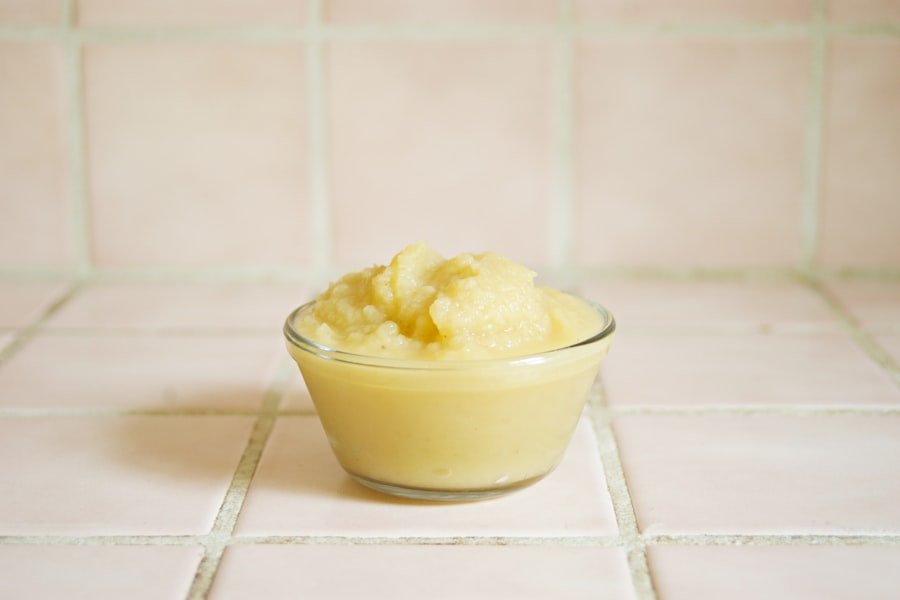
Homemade half-and-half butter can taste fresh and mild, but it is not always equal to store-bought butter. Store-bought butter has a predictable fat level, consistent texture, and longer quality window. Half-and-half butter depends heavily on how much fat separates and how well you rinse out the liquid.
| Feature | Half-and-Half Butter | Store-Bought Butter |
|---|---|---|
| Reliability | Can vary by brand and milkfat level | Consistent from package to package |
| Flavor | Fresh, light, and milky | Richer and more predictable |
| Texture | Can be softer if more liquid remains | Firm and consistent when chilled |
| Best use | Toast, vegetables, pancakes, simple sauces | Baking, cooking, spreading, sauces |
| Storage | Use soon and keep refrigerated | Follow package date and storage instructions |
Best Ways to Use Homemade Half-and-Half Butter
Use homemade half-and-half butter where a softer texture will not hurt the recipe. It works well as a fresh spread on toast, biscuits, pancakes, waffles, cornbread, or warm rolls.
You can also melt it over steamed vegetables, baked potatoes, rice, pasta, or grilled corn. If you rinse and knead it well, you can use it in simple skillet cooking over low to medium heat.
Be careful with precise baking. Pie crusts, croissants, laminated dough, and some cookies depend on a stable fat-to-water balance. For those recipes, use regular butter or homemade butter made from heavy cream.
Best use: Treat half-and-half butter as a fresh table butter or flavor butter. Do not rely on it for recipes where butter structure controls the final texture.
How to Store Homemade Half-and-Half Butter Safely
After making the butter, place it in an airtight container and refrigerate it right away. Homemade butter made from half-and-half may hold more water and milk solids than commercial butter, so it needs careful storage.
Keep your refrigerator at 40°F or below. Label the container with the date you made it and use the butter soon. If it smells sour, looks moldy, changes color, or tastes off, throw it away.
For longer storage, freeze small portions in freezer-safe wrap or bags. Small portions thaw faster and help you avoid refreezing the same batch. Thaw frozen butter in the refrigerator before using it.
Flavor Ideas for Homemade Half-and-Half Butter
Flavoring works best after you have rinsed and kneaded the butter. Add a small amount at first, mix, taste, and adjust.
| Flavor Style | What to Add | Best Uses |
|---|---|---|
| Classic salted | Fine salt | Toast, rolls, potatoes, corn |
| Garlic herb | Minced garlic, parsley, chives, thyme | Steak, vegetables, bread, pasta |
| Honey cinnamon | Honey and cinnamon | Pancakes, waffles, muffins |
| Lemon pepper | Lemon zest and black pepper | Fish, chicken, vegetables |
| Smoky paprika | Smoked paprika and a pinch of salt | Roasted vegetables, grilled corn, potatoes |
Nutrition and Health Considerations
Homemade half-and-half butter is not automatically a low-fat food just because the starting dairy has less fat than cream. Butter-making concentrates dairy fat. If your batch separates well, the finished butter will still be a high-fat food.
Use butter in moderation, especially if you are watching saturated fat intake. The Dietary Guidelines for Americans recommend limiting saturated fat to less than 10 percent of daily calories for people age 2 and older.
The main benefit of making butter at home is ingredient control. You can choose the dairy, control the salt, and skip flavorings you do not want. That does not turn butter into a health food, but it does help you know exactly what you are eating.
FAQs
What is half-and-half?
Half-and-half is a dairy product made from milk and cream. In the United States, it contains not less than 10.5 percent and less than 18 percent milkfat. It is commonly used in coffee, sauces, soups, and light cooking.
Can you make butter with half-and-half?
Yes, you can sometimes make a small amount of butter-like dairy fat with half-and-half. The result is not as reliable as butter made from heavy cream because half-and-half contains much less milkfat.
Why is heavy cream better for making butter?
Heavy cream contains at least 36 percent milkfat, so it has enough fat to separate into butter grains more easily. Half-and-half has much more water and less fat, so the churned mixture may stay loose or creamy.
How long does it take to make butter from half-and-half?
It can take 10 to 25 minutes, depending on the brand, fat level, temperature, and tool you use. If no butter grains form after about 20 to 25 minutes of strong mixing, stop and use heavy cream next time.
Do you need to separate the cream from half-and-half first?
No, and with most store-bought half-and-half, natural separation is not reliable. Many products are homogenized, which keeps fat evenly dispersed. It is better to churn the half-and-half directly or use heavy cream for a dependable batch.
Can you use butter made from half-and-half for cooking?
Yes, you can use it for toast, vegetables, pancakes, sauces, and light cooking. Avoid using it for precise baking unless the butter is firm, well-rinsed, and close in texture to regular butter.
Why did my half-and-half not turn into butter?
Your half-and-half may have too little milkfat, or it may contain stabilizers that keep the mixture from separating. Try a different brand with fewer ingredients, or use heavy cream instead.
Is homemade half-and-half butter healthier than store-bought butter?
Not necessarily. It may give you more control over salt and ingredients, but the finished product still concentrates dairy fat. Use it in small amounts if you are limiting saturated fat.
How should you store homemade half-and-half butter?
Store it in an airtight container in the refrigerator right after making it. Because homemade batches can hold more moisture, use them soon and discard the butter if it smells sour, tastes off, or shows mold.
Can you freeze homemade half-and-half butter?
Yes, you can freeze small portions in freezer-safe wrap or bags. Thaw the butter in the refrigerator before using it. Freezing helps preserve quality, but the texture may change if the butter contains extra moisture.
Final Thoughts on Making Butter With Half-and-Half
Making butter with half-and-half can be a fun home test, but it comes with limits. Half-and-half has much less milkfat than heavy cream, so it gives a smaller yield and does not always separate well.
Try it when you want to learn how butter forms or use up extra half-and-half. Choose heavy cream when you need a reliable batch for baking, cooking, or storing. For the best result, churn firmly, stop if the mixture refuses to separate, rinse the butter well, and keep the finished batch cold.
References
- eCFR, 21 CFR § 131.180, Half-and-half standard of identity
- eCFR, 21 CFR § 131.150, Heavy cream standard of identity
- eCFR, 21 CFR § 131.155, Light cream standard of identity
- eCFR, 21 CFR § 101.67, butter milkfat reference
- USDA FSIS, Danger Zone and 2-hour food safety rule
- FoodSafety.gov, Cold Food Storage Chart
- Dietary Guidelines for Americans, 2020-2025