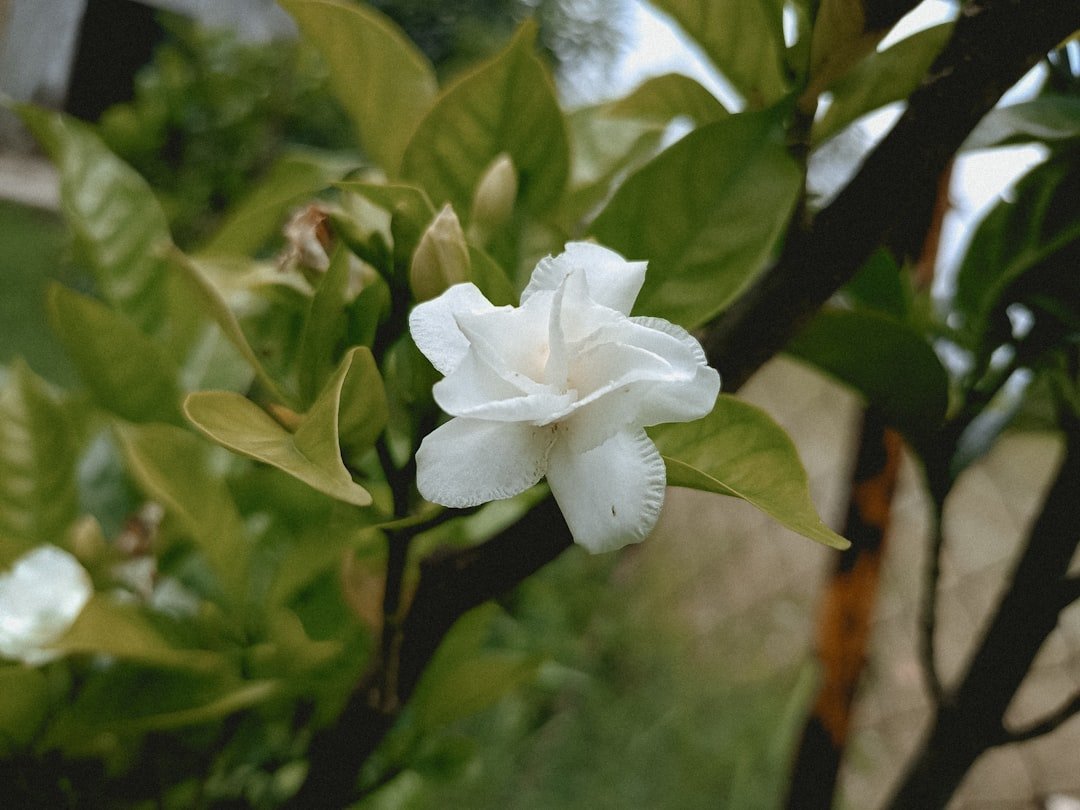
White guava, scientifically known as Psidium guajava, is a tropical fruit that belongs to the Myrtaceae family. This fruit is native to Central America but has since spread to various tropical and subtropical regions around the world, including parts of Asia, Africa, and the Caribbean. The white guava tree is typically small to medium-sized, reaching heights of about 10 to 30 feet.
It features broad, evergreen leaves that are dark green on the upper side and lighter underneath, providing a lush backdrop for its fragrant flowers and fruit. The fruit itself is round or oval-shaped, with a smooth, thin skin that can range in color from pale yellow to light green when ripe. The flesh of the white guava is where its name derives from; it is typically creamy white in color and has a soft, juicy texture.
Unlike its pink-fleshed counterpart, the white guava offers a milder taste that appeals to a wide range of palates. The fruit is often consumed fresh but can also be used in various culinary applications. Its seeds are small and edible, adding a slight crunch to the otherwise tender flesh.
The versatility of white guava makes it a popular choice among fruit enthusiasts and chefs alike.
Key Takeaways
- White guava is a tropical fruit known for its sweet and fragrant flavor, and it is a rich source of essential nutrients and antioxidants.
- The unique flavor profile of white guava is a combination of sweet and tangy notes, with a floral aroma that sets it apart from other fruits.
- White guava is packed with health benefits, including high levels of vitamin C, fiber, and antioxidants that support immune health and digestion.
- When selecting and storing white guava, look for fruits that are firm and free of blemishes, and store them at room temperature until ripe, then refrigerate to extend shelf life.
- White guava is a versatile fruit that can be used in a variety of culinary applications, including beverages, desserts, savory dishes, preserves, jams, and even beauty and skincare products.
The Unique Flavor Profile of White Guava
The flavor profile of white guava is distinctively sweet with subtle hints of tartness, creating a balanced taste that is both refreshing and satisfying. When ripe, the fruit exudes a fragrant aroma that can be described as floral and tropical, inviting those nearby to indulge in its juicy goodness. The sweetness of white guava is often compared to that of a pear or a mild apple, but with an added layer of complexity that sets it apart from other fruits.
This unique flavor makes it an excellent addition to both sweet and savory dishes. The texture of white guava also contributes to its appeal. The flesh is soft yet firm enough to hold its shape when sliced, making it ideal for salads or as a topping for various dishes.
The seeds, while small, add an interesting crunch that contrasts with the smoothness of the fruit’s flesh. This combination of flavor and texture allows white guava to shine in culinary applications, whether enjoyed on its own or incorporated into more complex recipes.
Health Benefits of White Guava
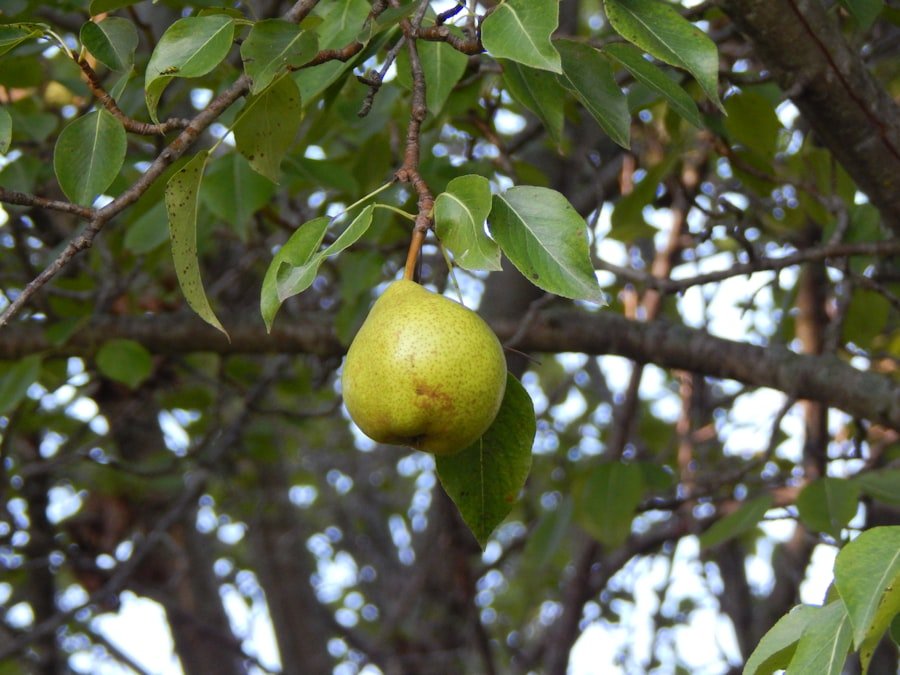
White guava is not only delicious but also packed with numerous health benefits that make it a valuable addition to any diet. One of the most notable advantages is its high vitamin C content. A single serving of white guava can provide more than double the daily recommended intake of this essential nutrient, which plays a crucial role in boosting the immune system and promoting overall health.
Vitamin C is also a powerful antioxidant that helps combat oxidative stress in the body, reducing the risk of chronic diseases. In addition to vitamin C, white guava is rich in dietary fiber, which aids in digestion and promotes gut health. Consuming fiber-rich foods can help regulate bowel movements and prevent constipation.
Furthermore, the fiber content in white guava can contribute to feelings of fullness, making it an excellent choice for those looking to manage their weight. The fruit also contains various essential minerals such as potassium and magnesium, which are vital for maintaining healthy blood pressure levels and supporting cardiovascular health.
How to Select and Store White Guava
| Aspect | Guidelines |
|---|---|
| Selection | Choose white guavas that are firm, without any soft spots or blemishes. |
| Ripeness | Look for white guavas that give slightly to pressure, indicating ripeness. |
| Color | Opt for white guavas with a pale yellow or greenish skin, avoiding those with a brownish tinge. |
| Storage | Store white guavas at room temperature until ripe, then refrigerate to prolong freshness. |
| Shelf Life | White guavas can be stored in the refrigerator for up to 4 days. |
Selecting the perfect white guava requires attention to several key factors. When shopping for this fruit, look for specimens that are slightly soft to the touch but not overly mushy. A ripe white guava will yield gently when pressed, indicating that it is ready to eat.
The skin should be smooth and free from blemishes or dark spots, which can indicate overripeness or decay. Additionally, the aroma of the fruit should be fragrant; a strong scent often signifies ripeness and flavor. Once you have selected your white guavas, proper storage is essential to maintain their freshness.
If you plan to consume them within a few days, store them at room temperature away from direct sunlight. However, if you want to prolong their shelf life, refrigeration is recommended.
It’s important to note that while refrigeration can extend their freshness for up to a week or more, it may slightly alter their texture and flavor.
Culinary Uses of White Guava
The culinary versatility of white guava makes it an exciting ingredient in various dishes across different cuisines. One popular way to enjoy this fruit is by eating it fresh, either on its own or sliced into salads for added sweetness and texture. Its mild flavor pairs well with other fruits such as citrus or berries, creating vibrant fruit salads that are both nutritious and visually appealing.
In addition to fresh consumption, white guava can be used in smoothies and juices, where its natural sweetness can enhance the overall flavor profile. Blending it with yogurt or other fruits creates a creamy beverage that is perfect for breakfast or as a refreshing snack.
White Guava in Beverages
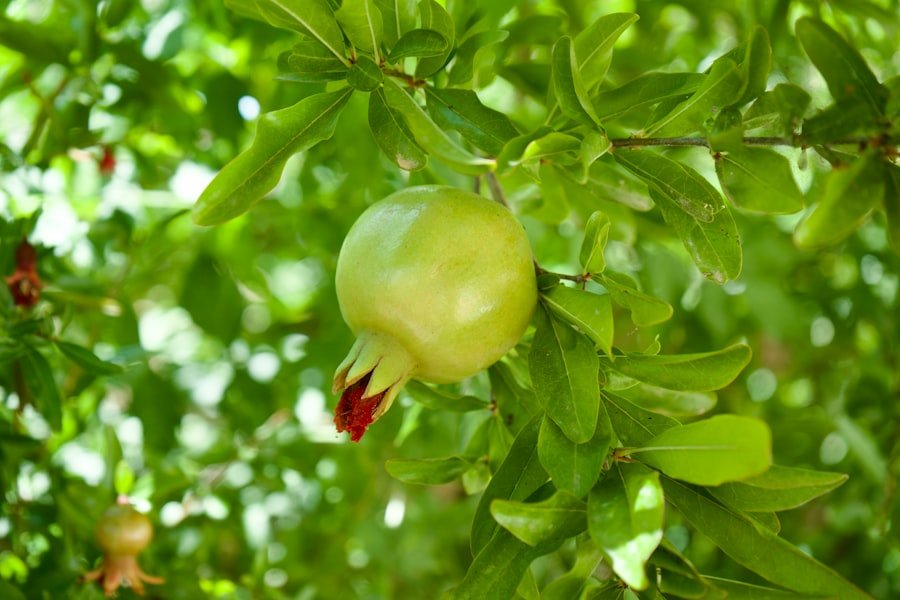
White guava’s refreshing taste makes it an ideal candidate for various beverages. One popular option is guava juice, which can be made by blending ripe white guavas with water and straining out the pulp for a smooth drink. This juice can be enjoyed on its own or mixed with other fruit juices for a tropical twist.
For those looking for something more adventurous, white guava can be used as a base for cocktails; its sweet flavor pairs beautifully with spirits like rum or vodka. In addition to juices and cocktails, white guava can also be infused into teas or herbal drinks. Steeping slices of fresh guava in hot water creates a fragrant tea that offers both flavor and health benefits.
This infusion can be enjoyed hot or cold and serves as a delightful alternative to traditional tea options. The versatility of white guava in beverages showcases its ability to elevate drinks with its unique flavor profile.
White Guava in Desserts
The natural sweetness of white guava lends itself well to dessert applications, where it can shine as a star ingredient. One popular dessert option is guava sorbet, which combines pureed ripe white guavas with sugar and lemon juice before being churned into a refreshing frozen treat. This sorbet captures the essence of summer and serves as a delightful palate cleanser between courses.
Another creative use for white guava in desserts is in tarts or pies. The fruit can be sliced and arranged beautifully atop a buttery crust, complemented by a light custard filling or simply baked with sugar and spices for added flavor. Additionally, white guava can be incorporated into cakes or muffins, where its moisture content enhances the overall texture while imparting a subtle sweetness that pairs well with spices like cinnamon or nutmeg.
White Guava in Savory Dishes
While often celebrated for its sweetness, white guava also has a place in savory dishes where its unique flavor can add depth and complexity. One popular application is in salsas or chutneys, where diced white guava can be combined with ingredients like tomatoes, onions, cilantro, and lime juice for a refreshing condiment that pairs well with grilled meats or fish. This combination highlights the fruit’s ability to balance flavors while adding a tropical flair.
Moreover, white guava can be used in stir-fries or curries, where its sweetness contrasts beautifully with spicy or savory elements. Adding chunks of ripe guava towards the end of cooking allows them to soften slightly while retaining their shape and flavor. This technique not only enhances the dish’s overall taste but also introduces an unexpected twist that elevates traditional recipes.
White Guava in Preserves and Jams
Preserving white guava through jams or jellies is another excellent way to enjoy this fruit year-round. The process typically involves cooking down ripe guavas with sugar and pectin until they reach a thick consistency suitable for spreading on toast or using as a filling for pastries. The natural sweetness of the fruit means that less sugar may be required compared to other fruits, allowing the true flavor of the guava to shine through.
In addition to traditional jams, white guava can also be transformed into chutneys that pair well with savory dishes. These preserves often include spices such as ginger or cinnamon, enhancing the flavor profile while providing an exciting contrast to meats or cheeses. Homemade preserves not only capture the essence of fresh white guavas but also offer an opportunity to experiment with flavors and create unique culinary experiences.
White Guava in Beauty and Skincare
Beyond its culinary uses, white guava has found its way into beauty and skincare products due to its rich nutrient profile. The high vitamin C content makes it an excellent ingredient for brightening skin tone and promoting collagen production. Many skincare brands incorporate extracts from white guava leaves or fruit into their formulations for serums and creams aimed at reducing signs of aging.
Additionally, the antioxidants present in white guava help protect the skin from environmental stressors such as pollution and UV rays. Face masks made from pureed white guava can provide hydration while delivering essential nutrients directly to the skin. This natural approach to skincare highlights the versatility of white guava beyond just being a delicious fruit; it serves as an effective ingredient for enhancing beauty routines.
Growing and Harvesting White Guava
Growing white guava requires specific conditions that mimic its native tropical environment. These trees thrive in well-drained soil with plenty of sunlight; they prefer warm temperatures but can tolerate brief periods of cooler weather. When planting white guava trees, it’s essential to space them adequately to allow for their growth; mature trees can spread quite wide due to their dense foliage.
Harvesting white guavas typically occurs when they are fully ripe; this is indicated by their slight softness when gently squeezed and their fragrant aroma. Care should be taken during harvesting to avoid bruising the fruit; using scissors or pruning shears can help detach them cleanly from the tree without damaging surrounding fruits or branches. Once harvested, it’s crucial to handle them delicately to preserve their quality until they reach consumers or are used in culinary applications.
In conclusion, white guava stands out not only for its delightful taste but also for its numerous health benefits and versatility in various culinary contexts. From beverages to desserts and even skincare products, this tropical fruit has carved out a significant niche in both kitchens and beauty routines around the world.
FAQs
What is a white guava?
White guava is a tropical fruit that belongs to the Myrtaceae family. It is known for its sweet and fragrant flavor, and it is typically round or pear-shaped with a thin, edible skin.
What does a white guava look like?
A white guava is typically round or pear-shaped with a thin, edible skin. The flesh inside can range from white to pale yellow, and it contains small, edible seeds at the center.
Where is white guava grown?
White guava is grown in tropical and subtropical regions around the world, including countries such as India, Mexico, Brazil, and the Philippines. It thrives in warm, humid climates.
How is white guava used?
White guava can be eaten fresh, juiced, or used in a variety of culinary applications. It is often used to make jams, jellies, desserts, and beverages.
What are the nutritional benefits of white guava?
White guava is a good source of vitamin C, fiber, and antioxidants. It also contains small amounts of other essential nutrients such as vitamin A, potassium, and folate.
How do you know when a white guava is ripe?
A ripe white guava will give slightly to gentle pressure and have a fragrant aroma. The skin may also turn from green to yellow when the fruit is ripe.