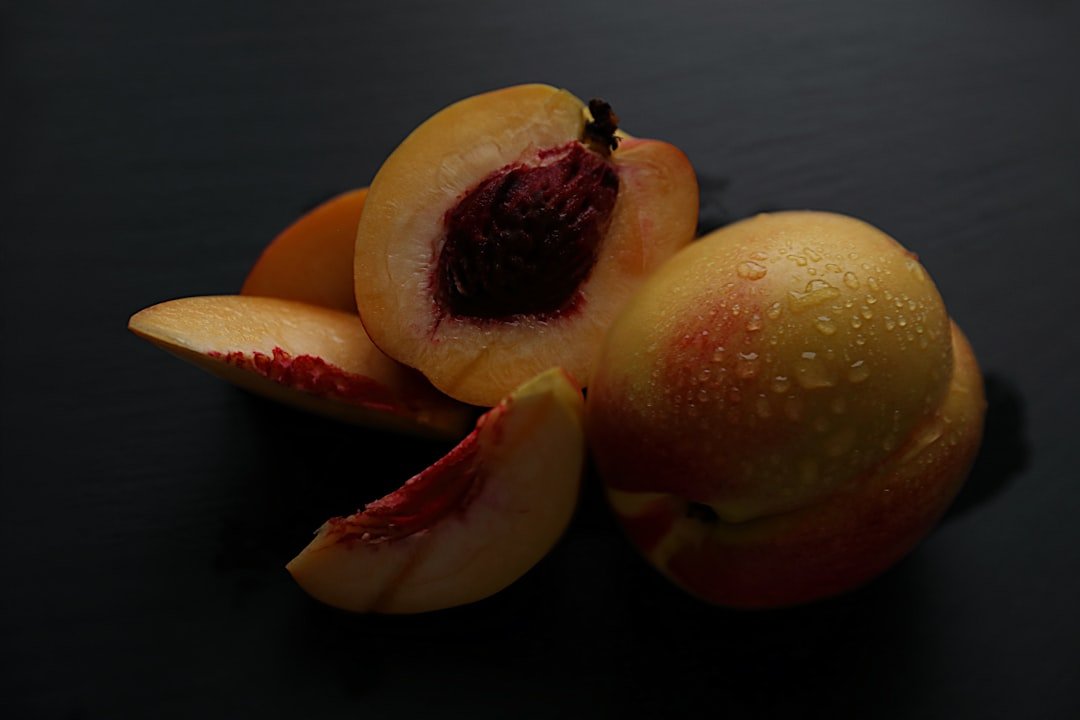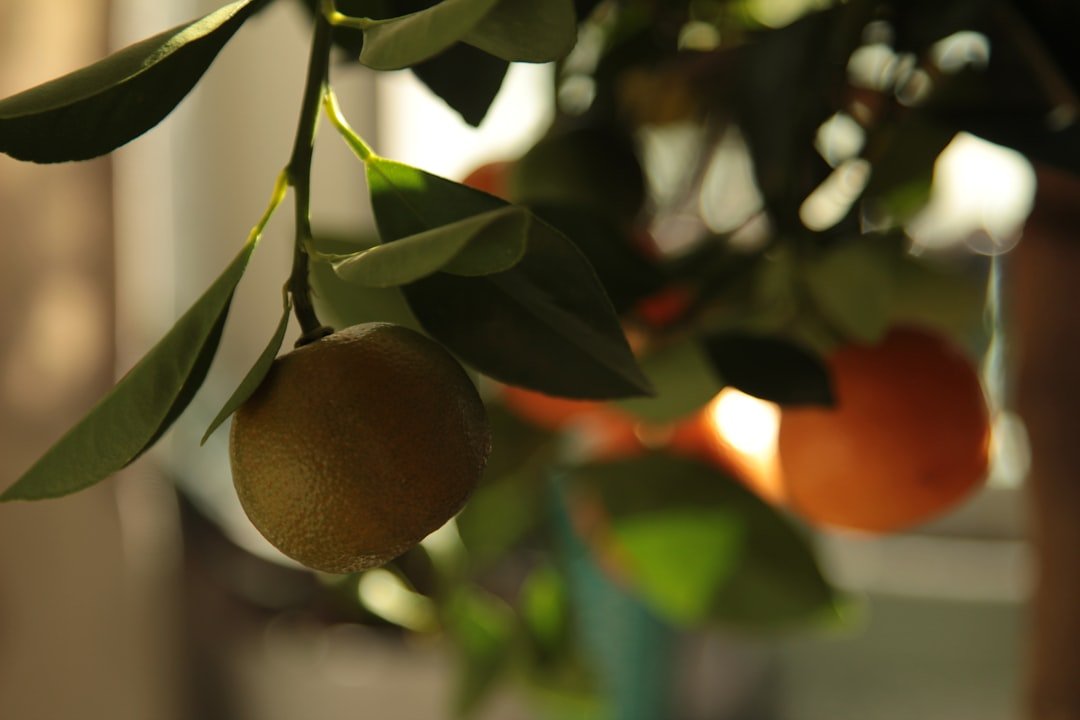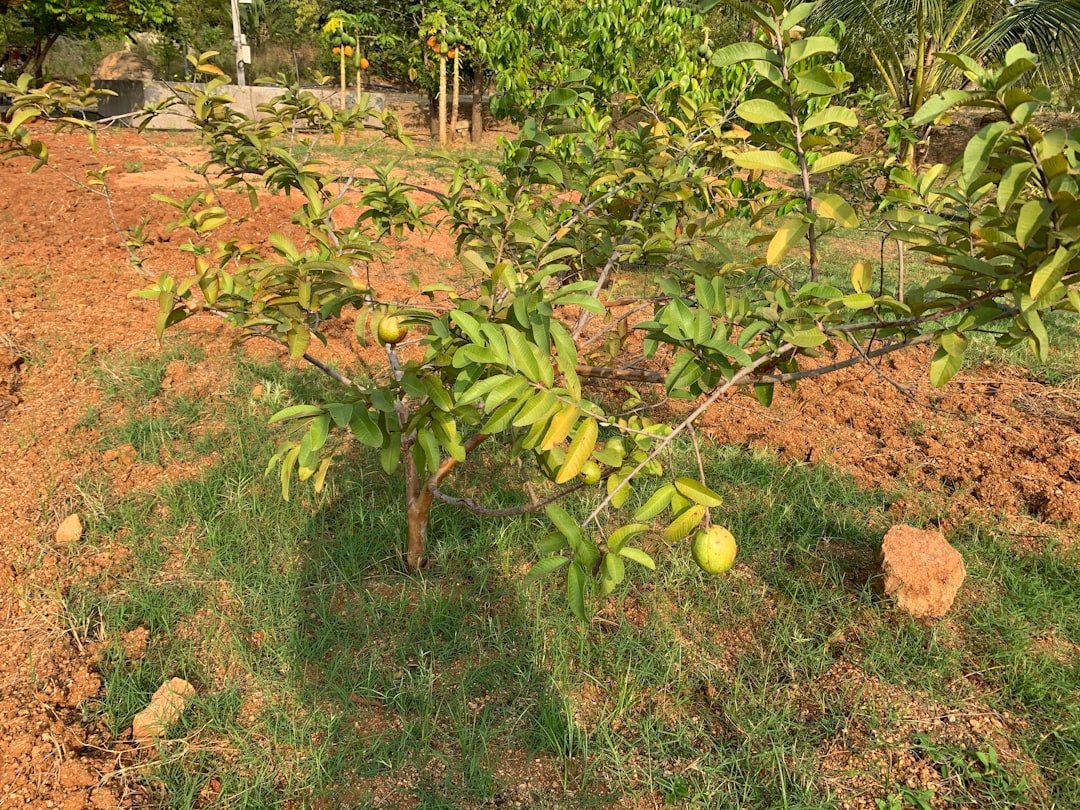
White guavas, scientifically known as Psidium guajava, are tropical fruits that belong to the Myrtaceae family. Native to Central America and the northern regions of South America, these fruits have gained popularity across the globe due to their unique flavor and numerous health benefits. The white guava tree is a small to medium-sized evergreen that can reach heights of up to 10 meters.
Its lush green foliage and fragrant white flowers make it an attractive addition to gardens and orchards. The fruit itself is round or oval-shaped, with a smooth, pale yellow or greenish skin that encases a soft, creamy white flesh dotted with tiny edible seeds. The cultivation of white guavas has spread far beyond their native regions, thriving in tropical and subtropical climates worldwide.
Countries such as India, Brazil, Thailand, and the Philippines have become significant producers of this fruit. The versatility of white guavas in culinary applications, combined with their appealing taste and nutritional profile, has contributed to their rising popularity among consumers. As more people become aware of the benefits of incorporating exotic fruits into their diets, white guavas are increasingly finding their way into markets and kitchens around the world.
Key Takeaways
- White guavas are a unique variety of guava with a pale green or yellowish skin and white flesh.
- The taste of white guavas is sweet and aromatic, with a hint of floral notes, making it a popular choice for eating fresh or using in desserts and beverages.
- When selecting ripe white guavas, look for fruits that are slightly soft to the touch and have a fragrant aroma.
- White guavas can be enjoyed in various ways, such as eating them fresh, adding them to fruit salads, making smoothies, or using them in jams and jellies.
- White guavas are packed with nutritional benefits, including high levels of vitamin C, fiber, and antioxidants, making them a healthy addition to your diet.
The Unique Taste of White Guavas
The flavor profile of white guavas is one of their most distinctive features. When ripe, they offer a sweet, aromatic taste that is often described as a blend of pear and strawberry, with subtle hints of citrus. This unique combination makes them a delightful addition to various dishes and beverages.
The texture of the flesh is soft and slightly grainy, which adds to the overall sensory experience when consuming the fruit. The seeds within the fruit are small and edible, contributing a slight crunch that contrasts with the smoothness of the flesh. The taste of white guavas can vary depending on their ripeness and growing conditions.
A fully ripe guava will have a more pronounced sweetness and aroma, while an under-ripe fruit may exhibit a more tart flavor. This variability allows for creative culinary applications, as chefs and home cooks can choose fruits at different stages of ripeness to achieve specific flavor profiles in their dishes. Additionally, the aromatic qualities of white guavas make them an excellent choice for infusing flavors into syrups, jams, and desserts.
How to Select Ripe White Guavas
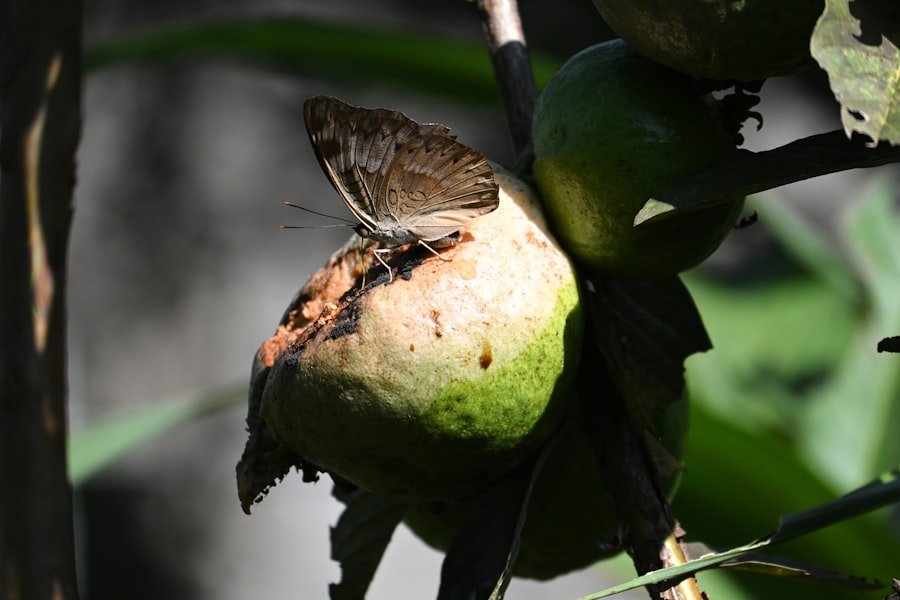
Selecting ripe white guavas is crucial for ensuring the best flavor and texture. When shopping for these fruits, look for specimens that are slightly soft to the touch but not overly mushy. A ripe guava will yield gently when pressed, indicating that the flesh inside is tender and ready to eat.
The skin should be smooth and free from blemishes or dark spots, which can indicate overripeness or decay. Color is also an important factor; ripe white guavas typically exhibit a pale yellow or light green hue. Another key indicator of ripeness is aroma.
Ripe white guavas emit a sweet, fragrant scent that is hard to miss. If you can smell the fruit before you even pick it up, it’s likely at its peak ripeness. If you find guavas that are still firm and lack aroma, they may need a few days to ripen at room temperature.
To speed up the ripening process, you can place them in a paper bag with an apple or banana, as these fruits release ethylene gas, which promotes ripening.
Different Ways to Enjoy White Guavas
| Ways to Enjoy White Guavas | Description |
|---|---|
| Fresh | Simply wash and eat the white guavas as they are for a refreshing and healthy snack. |
| Juice | Blend the white guavas with water and a sweetener of your choice to make a delicious and nutritious juice. |
| Smoothie | Combine white guavas with other fruits, yogurt, and ice to create a creamy and flavorful smoothie. |
| Salsa | Chop white guavas, onions, tomatoes, and cilantro to make a unique and tasty fruit salsa. |
White guavas can be enjoyed in a multitude of ways, making them a versatile addition to any diet. One of the simplest methods is to eat them fresh. Just wash the fruit thoroughly, slice it in half or quarters, and enjoy the sweet flesh straight from the skin.
The seeds are edible and can be consumed along with the fruit, adding a unique texture to each bite. For those who prefer a more refined approach, white guavas can be blended into smoothies or juices, providing a refreshing drink that captures their delightful flavor. In addition to fresh consumption, white guavas lend themselves well to various culinary creations.
They can be used in salads, where their sweetness contrasts beautifully with savory ingredients like feta cheese or arugula. Guava salsa is another popular dish that combines diced guava with tomatoes, onions, cilantro, and lime juice for a zesty accompaniment to grilled meats or fish. Furthermore, white guavas can be cooked down into jams or jellies, allowing their flavor to shine in breakfast spreads or desserts.
Nutritional Benefits of White Guavas
White guavas are not only delicious but also packed with essential nutrients that contribute to overall health. They are an excellent source of dietary fiber, which aids in digestion and helps maintain a healthy gut. A single serving of white guava can provide a significant portion of the daily recommended intake of fiber, making it an ideal choice for those looking to improve their digestive health.
In addition to fiber, white guavas are rich in vitamins A and Vitamin C is particularly noteworthy as it plays a crucial role in boosting the immune system and promoting skin health through its antioxidant properties. Vitamin A contributes to good vision and supports overall cellular function. Furthermore, white guavas contain various minerals such as potassium and magnesium, which are essential for maintaining healthy blood pressure levels and supporting muscle function.
White Guavas in Culinary Uses
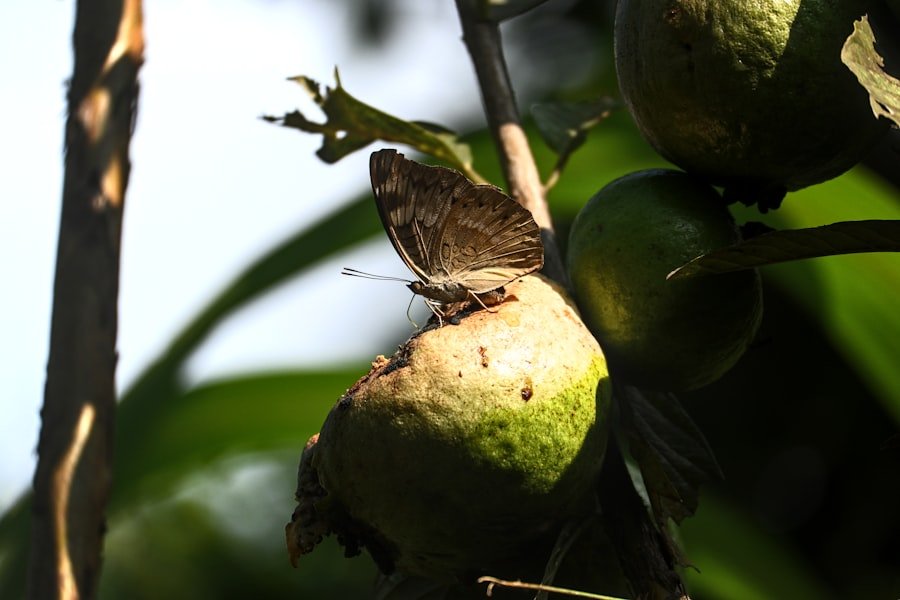
The culinary versatility of white guavas extends beyond simple snacking; they are often featured in both sweet and savory dishes across various cuisines. In many Latin American countries, guava paste is a popular ingredient used in pastries and desserts. This thick paste can be paired with cheese for a delightful contrast in flavor and texture or used as a filling for empanadas and tarts.
In Asian cuisine, particularly in Thai dishes, white guavas are sometimes incorporated into salads or served alongside spicy dips to balance out heat with their natural sweetness. They can also be used in curries or stir-fries where their unique flavor adds depth to the dish. Additionally, white guava puree can serve as a base for sauces or dressings, enhancing both flavor and nutritional value.
White Guava Varieties
While the common white guava is widely recognized for its sweet flavor and creamy texture, there are several varieties that offer unique characteristics worth exploring. One notable variety is the ‘Lemon Guava,’ which has a slightly tangy flavor reminiscent of lemons while still retaining the sweetness typical of guavas. This variety is often used in beverages and desserts due to its refreshing taste.
Another interesting variety is the ‘Pineapple Guava,’ known for its aromatic qualities that resemble pineapple. This variety has a firmer texture compared to traditional white guavas and is often enjoyed fresh or used in salads for added crunch and flavor complexity. Each variety brings its own distinct taste profile and culinary potential, allowing consumers to experiment with different flavors in their cooking.
Growing and Harvesting White Guavas
Growing white guavas can be a rewarding endeavor for both amateur gardeners and seasoned horticulturists alike. These trees thrive in well-drained soil with plenty of sunlight; they prefer warm temperatures typical of tropical climates but can also adapt to subtropical regions with proper care. When planting white guava trees, it’s essential to space them adequately to allow for their natural growth habit; they can spread quite wide as they mature.
Harvesting white guavas requires careful attention to timing; fruits should be picked when they are fully ripe for optimal flavor. This typically occurs when they have developed a slight softness and emit a sweet aroma. It’s advisable to use pruning shears or scissors when harvesting to avoid damaging the tree or other fruits still on the branches.
After harvesting, white guavas should be handled gently to prevent bruising and stored in a cool place until they are ready for consumption or processing. In conclusion, white guavas offer an array of flavors, textures, and nutritional benefits that make them an exciting fruit to incorporate into various culinary applications. Their unique taste profile allows for creative experimentation in both sweet and savory dishes while providing essential nutrients that contribute positively to health.
Whether enjoyed fresh or used in cooking, white guavas continue to captivate palates around the world with their delightful characteristics.
FAQs
What are white guavas?
White guavas are a variety of guava fruit that have a pale yellow or greenish-white skin and sweet, aromatic flesh. They are a tropical fruit that is popular in many parts of the world.
How do white guavas differ from other guava varieties?
White guavas are distinguished by their pale skin and sweet, aromatic flavor. They are often considered to be more mild and less acidic than other guava varieties.
Where are white guavas grown?
White guavas are grown in tropical and subtropical regions around the world, including countries such as India, Mexico, Brazil, and the Philippines. They thrive in warm, humid climates.
What are the nutritional benefits of white guavas?
White guavas are a good source of vitamin C, fiber, and antioxidants. They also contain small amounts of other essential nutrients such as vitamin A, potassium, and folate.
How are white guavas typically eaten?
White guavas can be eaten fresh, sliced, or added to fruit salads, smoothies, and desserts. They can also be used to make jams, jellies, and juices.
Are white guavas easy to grow at home?
White guavas can be grown at home in warm, sunny climates with well-drained soil. They require regular watering and protection from frost. With proper care, they can thrive and produce fruit in home gardens.