Curry leaves, scientifically known as Murraya koenigii, are an integral part of many culinary traditions, particularly in South Asian cuisine. The tree itself is a small to medium-sized evergreen that can grow up to 4-6 meters in height. Native to the Indian subcontinent, curry leaves are not only valued for their aromatic leaves but also for their numerous health benefits and cultural significance.
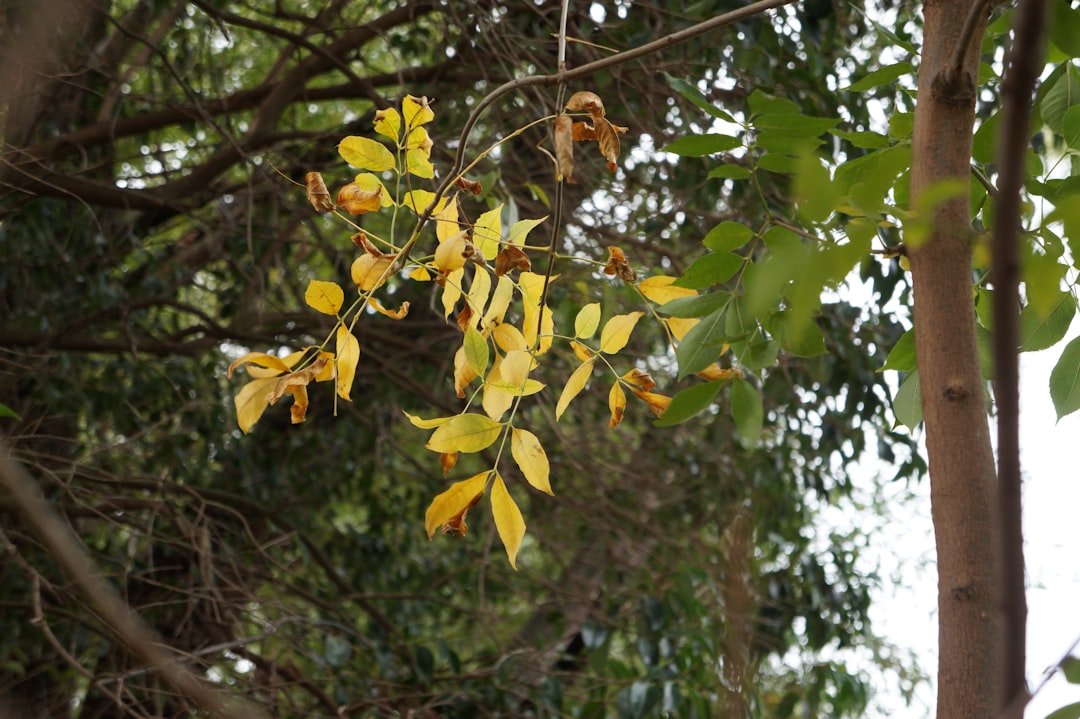
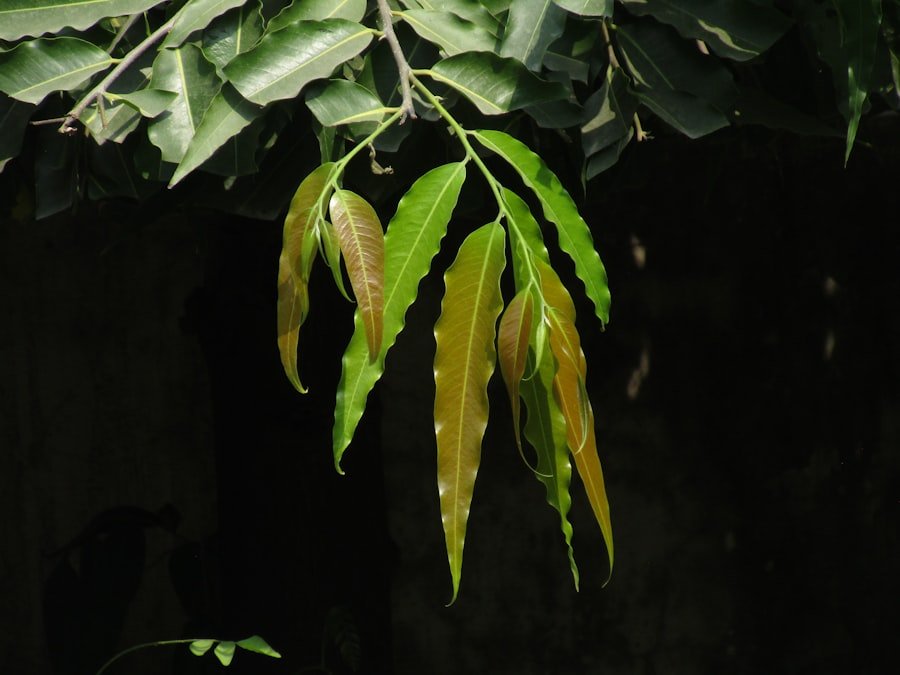
The tree thrives in tropical and subtropical climates, making it a common sight in gardens and farms across India, Sri Lanka, and other regions where the climate is conducive to its growth. The leaves of the curry tree are glossy, dark green, and have a unique fragrance that enhances the flavor of various dishes. The tree produces small white flowers that eventually develop into black berries, which are not typically consumed but contribute to the plant’s reproductive cycle.
Cultivating curry leaves is relatively straightforward, as they require well-drained soil and plenty of sunlight. This article delves into the multifaceted benefits of curry leaves, exploring their nutritional value, culinary applications, medicinal properties, and much more.
Key Takeaways
- Curry leaves trees are native to India and are known for their aromatic leaves that are commonly used in Indian cooking.
- Curry leaves are rich in vitamins, minerals, and antioxidants, making them a valuable addition to a healthy diet.
- The leaves are used to add flavor and aroma to various dishes such as curries, chutneys, and soups.
- Curry leaves have medicinal properties and are used in traditional medicine to treat various ailments such as diabetes, indigestion, and skin infections.
- Consuming curry leaves can promote hair growth, improve skin health, and aid in weight loss.
Nutritional Benefits of Curry Leaves
Curry leaves are often overlooked in discussions about nutrition, yet they are a powerhouse of essential nutrients. Rich in vitamins A, B, C, and E, these leaves contribute significantly to overall health. Vitamin A is crucial for maintaining good vision and skin health, while the B vitamins play a vital role in energy metabolism and brain function.
Vitamin C acts as a potent antioxidant, helping to combat oxidative stress in the body. Additionally, vitamin E contributes to skin health and has anti-inflammatory properties. Beyond vitamins, curry leaves are also a source of important minerals such as calcium, iron, and magnesium.
Calcium is essential for bone health, while iron is critical for the production of hemoglobin in red blood cells. Magnesium supports numerous biochemical reactions in the body, including muscle and nerve function. Furthermore, curry leaves contain dietary fiber, which aids in digestion and helps maintain a healthy gut.
The combination of these nutrients makes curry leaves a valuable addition to any diet.
Culinary Uses of Curry Leaves
In culinary practices, curry leaves are celebrated for their distinctive flavor profile that adds depth to various dishes. They are commonly used in Indian cooking, where they are often sautéed in oil or ghee at the beginning of a recipe to release their aromatic oils. This technique is known as tempering or “tadka,” and it forms the foundation for many curries, dals, and rice dishes.
The leaves impart a subtle bitterness that balances the richness of spices and other ingredients. Curry leaves can be used fresh or dried, although fresh leaves are preferred for their vibrant flavor. They can be added to soups, stews, and marinades or used as a garnish for dishes like biryani or sambar.
In South Indian cuisine, curry leaves are often blended into chutneys or ground into powders to enhance flavor. Their versatility extends beyond traditional Indian dishes; they can also be incorporated into salads, stir-fries, and even infused oils for a unique twist on familiar recipes.
Medicinal Properties of Curry Leaves
| Medicinal Properties of Curry Leaves |
|---|
| Rich in antioxidants |
| Anti-inflammatory properties |
| Helps in digestion |
| Improves eyesight |
| Good for hair health |
The medicinal properties of curry leaves have been recognized in traditional medicine systems such as Ayurveda for centuries. These leaves are believed to possess various therapeutic qualities that can aid in treating a range of ailments. For instance, curry leaves are known for their anti-inflammatory properties, which can help alleviate conditions such as arthritis and other inflammatory disorders.
The presence of antioxidants in curry leaves also contributes to their ability to combat free radicals in the body. Moreover, curry leaves have been traditionally used to manage digestive issues. They are thought to stimulate the secretion of digestive enzymes, thereby improving digestion and reducing symptoms like bloating and gas.
Additionally, the antimicrobial properties of curry leaves make them effective against certain bacterial infections. Some studies suggest that extracts from curry leaves may inhibit the growth of harmful bacteria such as E. coli and Salmonella, highlighting their potential role in food safety.
Health Benefits of Consuming Curry Leaves
Incorporating curry leaves into one’s diet can yield numerous health benefits that extend beyond their culinary appeal. One notable advantage is their potential role in managing blood sugar levels. Research indicates that curry leaves may help regulate glucose metabolism, making them beneficial for individuals with diabetes or those at risk of developing the condition.
The presence of alkaloids in curry leaves is believed to contribute to this effect by enhancing insulin sensitivity. Furthermore, curry leaves have been associated with promoting healthy hair growth and preventing premature graying. The nutrients found in these leaves nourish hair follicles and strengthen hair strands, leading to healthier hair overall.
Additionally, the anti-fungal properties of curry leaves may help combat dandruff and other scalp issues.
Beauty Benefits of Curry Leaves

The beauty benefits of curry leaves extend beyond hair care; they also play a significant role in skincare. The antioxidants present in curry leaves help combat signs of aging by neutralizing free radicals that contribute to skin damage. Regular application of curry leaf extracts or oils can promote a youthful appearance by improving skin elasticity and reducing fine lines.
Moreover, curry leaves possess anti-inflammatory properties that can soothe irritated skin conditions such as acne or eczema. The antimicrobial effects also make them effective against acne-causing bacteria. A paste made from fresh curry leaves can be applied topically to affected areas for relief from inflammation and redness.
Additionally, the vitamins and minerals found in curry leaves nourish the skin from within when consumed regularly.
Environmental Benefits of Curry Leaves Trees
Curry leaves trees offer several environmental benefits that contribute positively to ecosystems where they are cultivated. As evergreen trees, they provide year-round foliage that supports local wildlife by offering shelter and food sources for various species. The flowers attract pollinators such as bees and butterflies, which play a crucial role in maintaining biodiversity.
Furthermore, curry trees contribute to soil health through their root systems. They help prevent soil erosion by stabilizing the soil with their extensive root networks. Additionally, the organic matter from fallen leaves enriches the soil with nutrients when decomposed, promoting healthy plant growth in surrounding areas.
By planting curry trees in urban or rural settings, communities can enhance green spaces while supporting local ecosystems.
Cultivation and Maintenance of Curry Leaves Trees
Cultivating curry leaves trees requires attention to specific growing conditions to ensure healthy growth and optimal leaf production. These trees thrive best in well-drained soil with a pH level between 6 and 7. They prefer full sunlight but can tolerate partial shade; however, adequate sunlight is essential for robust leaf development.
Regular watering is crucial during dry spells but should be balanced to avoid waterlogging. Pruning is an important aspect of maintaining curry trees; it encourages bushier growth and enhances leaf production. Regularly removing dead or damaged branches helps improve air circulation within the tree canopy, reducing the risk of disease.
Fertilization with organic compost or balanced fertilizers during the growing season can further support healthy growth and yield abundant foliage.
Economic Benefits of Curry Leaves Trees
The economic potential of curry leaves trees is significant, particularly in regions where they are cultivated extensively. Farmers can benefit from growing these trees due to their high market demand both locally and internationally. Fresh curry leaves are sought after by restaurants and food manufacturers for their culinary applications, creating opportunities for farmers to generate income through direct sales or value-added products such as dried leaves or essential oils.
Additionally, the cultivation of curry trees can contribute to sustainable agricultural practices by promoting biodiversity on farms. Intercropping with other plants can enhance soil fertility and reduce pest populations naturally. As consumers increasingly seek organic and locally sourced ingredients, farmers who grow curry leaves sustainably may find themselves well-positioned in a growing market focused on health-conscious choices.
Traditional and Cultural Significance of Curry Leaves
Curry leaves hold deep cultural significance in many South Asian communities where they are not only used for culinary purposes but also feature prominently in traditional rituals and practices. In Indian households, it is common to include curry leaves in auspicious dishes prepared during festivals or special occasions as a symbol of prosperity and good fortune.
Moreover, curry leaves have been utilized in traditional medicine systems like Ayurveda for centuries as part of holistic healing practices. They are often included in herbal remedies aimed at promoting overall well-being and balance within the body. This cultural reverence for curry leaves underscores their importance beyond mere flavoring agents; they embody a connection to heritage and traditional wisdom passed down through generations.
Embracing the Benefits of Curry Leaves Trees
Curry leaves trees offer a wealth of benefits that extend far beyond their culinary uses. From their rich nutritional profile to their medicinal properties and environmental contributions, these trees play an essential role in promoting health and sustainability within communities. As awareness grows regarding the myriad advantages associated with curry leaves—ranging from enhancing dishes to supporting local economies—there is an opportunity for individuals and communities alike to embrace this remarkable plant fully.
By cultivating curry trees not only for personal use but also as part of broader agricultural practices, we can foster a deeper appreciation for this versatile plant while reaping its numerous benefits. Whether through incorporating fresh curry leaves into daily meals or exploring their potential in beauty regimens and traditional medicine, embracing the multifaceted nature of curry leaves can lead to healthier lifestyles and enriched cultural experiences.
FAQs
What are curry leaves trees?
Curry leaves trees are small, tropical evergreen trees native to India and Sri Lanka. They are known for their aromatic leaves that are commonly used in Indian cooking.
What do curry leaves trees look like?
Curry leaves trees have glossy, dark green leaves that are pinnate, meaning they are divided into multiple leaflets. The trees also produce small, white flowers and small, black berries.
How are curry leaves used in cooking?
Curry leaves are commonly used in Indian cuisine to add flavor and aroma to dishes. They are often added to curries, soups, chutneys, and rice dishes. The leaves are typically used fresh, as they lose their flavor when dried.
Can curry leaves trees be grown at home?
Yes, curry leaves trees can be grown at home, either in a pot or in the ground in a warm, sunny location. They require well-draining soil and regular watering.
Are there any health benefits to curry leaves?
Curry leaves are rich in antioxidants and have been used in traditional medicine to treat various ailments. They are also believed to have anti-inflammatory and anti-bacterial properties.
How tall do curry leaves trees grow?
Curry leaves trees can grow up to 20 feet tall in their natural habitat, but they can be pruned to a more manageable size if grown in a pot or small garden.