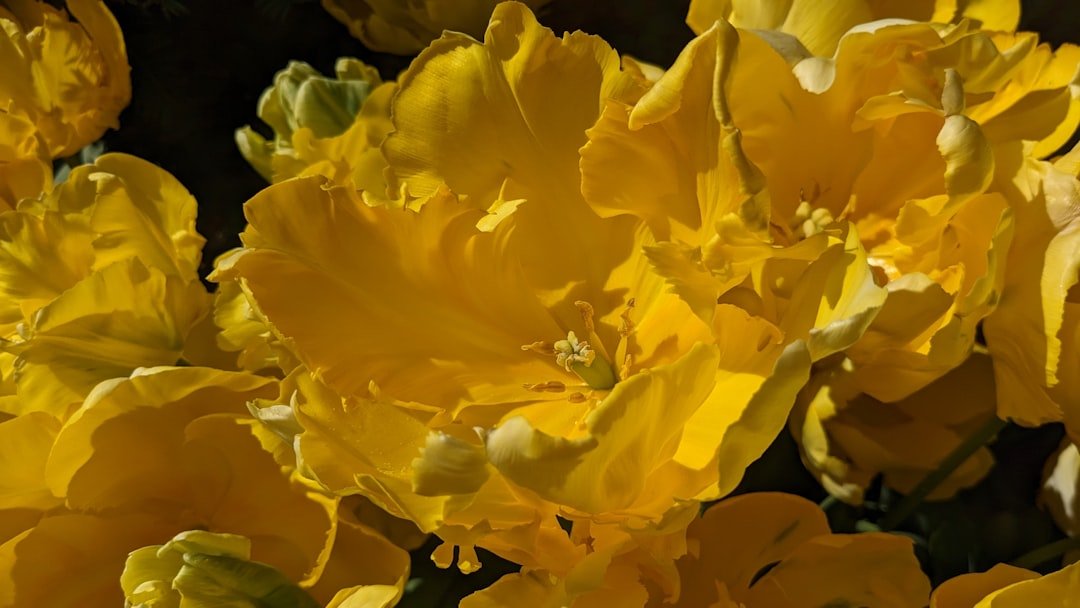
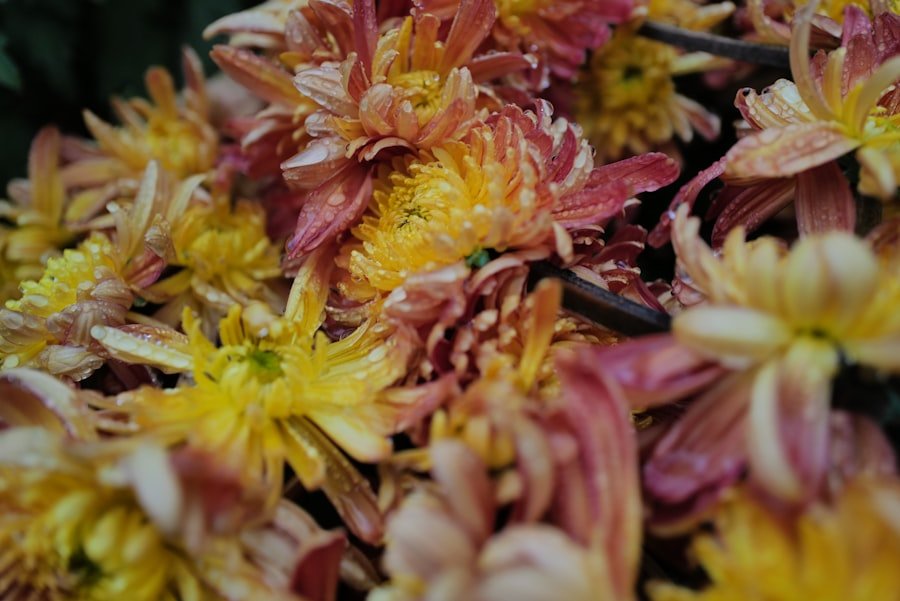
Chrysanthemums, commonly known as mums, are a vibrant and diverse group of flowering plants that belong to the Asteraceae family. With their origins tracing back to Asia and northeastern Europe, these perennial plants have been cultivated for centuries, celebrated not only for their beauty but also for their cultural significance. In many cultures, chrysanthemums symbolize joy, optimism, and longevity.
Their wide array of colors, shapes, and sizes makes them a popular choice for gardens, floral arrangements, and even as houseplants. The blooms can range from the classic yellow and white to deep reds and purples, providing a stunning visual display that can brighten any space. The appeal of chrysanthemums extends beyond their aesthetic qualities.
They are relatively easy to grow and maintain, making them an excellent choice for both novice and experienced gardeners. Their blooming season typically spans from late summer to fall, providing a burst of color when many other plants begin to fade.
This article will delve into the essential aspects of growing and caring for chrysanthemums, ensuring that these beautiful flowers can flourish in your garden or home.
Key Takeaways
- Chrysanthemums are beautiful and popular flowers that come in a variety of colors and shapes, making them a great addition to any garden or home.
- When selecting a pot for chrysanthemums, it’s important to choose one that is the right size, has good drainage, and is made of a durable material.
- The perfect soil for chrysanthemums is well-draining and rich in organic matter, providing the necessary nutrients for healthy growth.
- Planting and potting chrysanthemums should be done carefully, ensuring that the roots are not crowded and the plant is positioned at the right depth.
- Watering and fertilizing chrysanthemums should be done regularly, but not excessively, to avoid waterlogging and nutrient imbalances.
- Chrysanthemums thrive in full sunlight, so it’s important to provide them with at least 6 hours of direct sunlight each day for optimal growth.
- Pruning and deadheading chrysanthemums is essential for maintaining their shape and promoting continuous blooming throughout the season.
- Protecting chrysanthemums from pests and diseases can be done through regular inspection, proper sanitation, and the use of organic or chemical controls when necessary.
- Overwintering chrysanthemums requires proper insulation and protection from frost, as well as reducing watering and fertilizing during the dormant period.
- Repotting chrysanthemums should be done every 1-2 years to refresh the soil and provide the plant with more space to grow.
- Tips for caring for chrysanthemums include regular monitoring for signs of stress, providing support for tall varieties, and enjoying the beauty of these versatile and resilient flowers.
Selecting the Right Pot for Chrysanthemums
When it comes to potting chrysanthemums, selecting the right container is crucial for their growth and overall health. The size of the pot should be appropriate for the specific variety of chrysanthemum you are planting. Generally, a pot with a diameter of at least 12 inches is suitable for most varieties, allowing enough space for the roots to expand while preventing overcrowding.
A larger pot can be beneficial for larger varieties or when planting multiple plants together. However, it is essential to avoid excessively large pots, as they can retain too much moisture, leading to root rot. In addition to size, the material of the pot plays a significant role in the health of your chrysanthemums.
Terracotta pots are popular due to their breathability, which allows for better air circulation around the roots. However, they can dry out quickly, necessitating more frequent watering. Plastic pots are lightweight and retain moisture well but may not provide adequate drainage unless they have sufficient holes at the bottom.
Whichever material you choose, ensure that the pot has drainage holes to prevent water accumulation, which can be detrimental to the plant’s health.
Choosing the Perfect Soil for Chrysanthemums
The soil you select for your chrysanthemums is another critical factor that influences their growth and flowering potential. Chrysanthemums thrive in well-draining soil that is rich in organic matter. A high-quality potting mix designed for flowering plants is often an excellent choice, as it typically contains a blend of peat moss, perlite, and compost that promotes healthy root development.
The ideal pH level for chrysanthemum soil ranges from 6.0 to 6.8, which is slightly acidic to neutral. Testing your soil’s pH can help you determine if any amendments are necessary. Incorporating organic matter into your soil can significantly enhance its fertility and structure.
Adding compost or well-rotted manure not only provides essential nutrients but also improves moisture retention and aeration within the soil. If you are using garden soil, consider mixing it with perlite or vermiculite to improve drainage. This combination will help prevent waterlogging while ensuring that the roots have access to the nutrients they need to thrive.
Ultimately, the right soil mix will create a nurturing environment that supports robust growth and vibrant blooms.
Planting and Potting Chrysanthemums
| Month | Temperature (°C) | Watering (times per week) | Fertilizing (times per month) |
|---|---|---|---|
| March | 15-20 | 2-3 | 1 |
| April | 18-23 | 3-4 | 2 |
| May | 20-25 | 4-5 | 2 |
When it comes time to plant or pot your chrysanthemums, timing is essential. Ideally, chrysanthemums should be planted in the spring after the last frost date or in early fall if you are looking to establish them before winter. If you are potting them indoors, choose a location that receives ample natural light.
Begin by filling your chosen pot with the prepared soil mix, leaving enough space at the top for watering without overflow. Carefully remove the chrysanthemum from its nursery container, taking care not to damage the roots. Gently loosen any tightly bound roots before placing the plant in the center of the new pot.
Fill in around the roots with additional soil mix, ensuring that the crown of the plant is level with or slightly above the soil surface. Firmly press down on the soil to eliminate air pockets while being cautious not to compact it too tightly. Water thoroughly after planting to help settle the soil around the roots and provide hydration.
Watering and Fertilizing Chrysanthemums
Watering is a critical aspect of chrysanthemum care that requires careful attention. These plants prefer consistently moist soil but are susceptible to overwatering. It is essential to check the top inch of soil; if it feels dry to the touch, it’s time to water.
When watering, do so deeply until water drains from the bottom of the pot, ensuring that moisture reaches the root zone. During hot summer months or if your chrysanthemums are in full sun, they may require more frequent watering. Fertilizing chrysanthemums is equally important for promoting healthy growth and abundant blooms.
A balanced fertilizer with equal parts nitrogen, phosphorus, and potassium (such as a 10-10-10 formulation) can be applied every four to six weeks during the growing season. Alternatively, a slow-release fertilizer can be mixed into the soil at planting time for continuous nourishment. Be cautious not to over-fertilize, as this can lead to excessive foliage growth at the expense of flowers.
Observing your plants will help you gauge their needs; lush green leaves indicate healthy growth but should be balanced with blooming activity.
Providing the Ideal Sunlight for Chrysanthemums
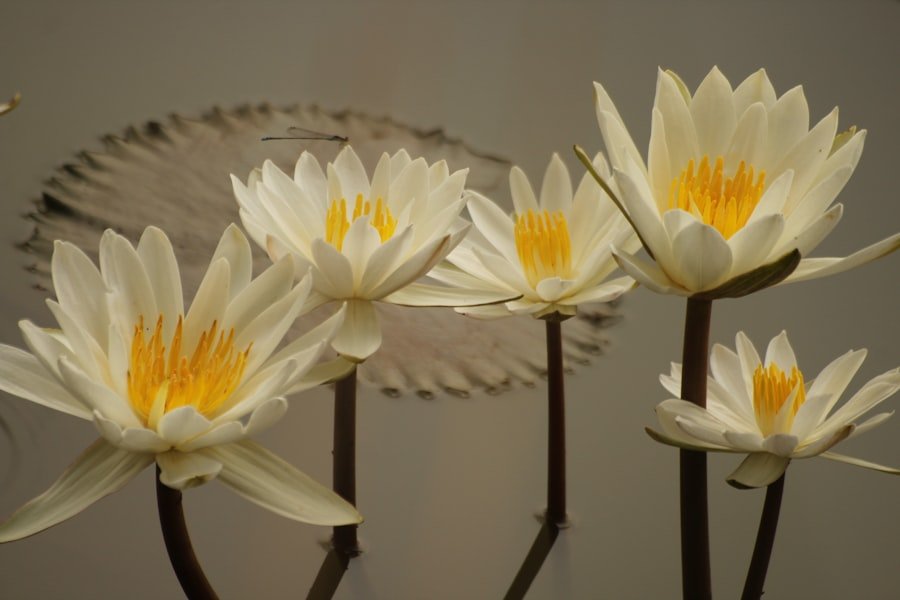
Chrysanthemums thrive in bright sunlight and require at least six hours of direct sunlight each day for optimal growth and flowering. When selecting a location for your chrysanthemums, consider areas that receive morning sun followed by afternoon shade, especially in hotter climates where intense afternoon heat can stress the plants. If you are growing them indoors, placing them near a south-facing window can provide adequate light exposure.
Inadequate sunlight can lead to leggy growth and fewer blooms, as these plants rely on sunlight for photosynthesis and energy production. If you notice your chrysanthemums stretching toward light sources or producing fewer flowers than expected, it may be time to reassess their placement. Conversely, too much direct sunlight during peak hours can scorch leaves; thus, monitoring their condition regularly will help you make necessary adjustments.
Pruning and Deadheading Chrysanthemums
Pruning and deadheading are essential practices that contribute significantly to maintaining healthy chrysanthemums and encouraging continuous blooming throughout their growing season. Deadheading involves removing spent flowers before they set seed; this practice redirects energy back into producing new blooms rather than seed production. Regularly inspecting your plants for faded flowers and snipping them off at their base will promote a longer flowering period.
Early in the growing season, pinch back new growth by about one-third to encourage bushier plants with more blooms. This technique not only enhances their appearance but also improves air circulation around the foliage, reducing the risk of fungal diseases.
As fall approaches and blooming begins to wane, you may choose to cut back stems by one-third or half their height to prepare them for winter dormancy.
Protecting Chrysanthemums from Pests and Diseases
Despite their hardiness, chrysanthemums can fall victim to various pests and diseases that threaten their health and vitality. Common pests include aphids, spider mites, and whiteflies; these insects can sap nutrients from your plants and lead to stunted growth or wilting leaves. Regularly inspecting your plants for signs of infestation is crucial; if detected early, pests can often be managed through natural remedies such as insecticidal soap or neem oil.
Fungal diseases like powdery mildew or root rot can also pose significant challenges for chrysanthemum growers. Powdery mildew appears as a white powdery coating on leaves and stems, often exacerbated by high humidity and poor air circulation. To combat this issue, ensure proper spacing between plants and avoid overhead watering that can create damp conditions conducive to fungal growth.
Root rot typically results from overwatering; thus, maintaining appropriate moisture levels in your soil is vital for preventing this disease.
Overwintering Chrysanthemums
Overwintering chrysanthemums requires careful planning to ensure their survival through colder months. In regions with harsh winters, it is advisable to treat these perennials as annuals or bring potted plants indoors before frost sets in. If you choose to leave them outside, mulch around the base of outdoor plants with straw or shredded leaves to insulate roots against freezing temperatures.
For potted chrysanthemums that will be overwintered indoors, gradually acclimate them by moving them into a cooler area with indirect light before bringing them inside completely. This process helps reduce shock from sudden temperature changes. Once indoors, place them in a bright location but avoid direct heat sources like radiators or vents that could dry them out too quickly.
Water sparingly during dormancy; allowing the soil to dry out between waterings will help prevent root rot while keeping your plants healthy until spring.
Repotting Chrysanthemums
Repotting chrysanthemums is an essential practice that ensures they have enough space for root development as they grow larger over time. Typically, repotting should occur every one to two years or when you notice roots emerging from drainage holes or circling around inside the pot. The best time to repot is in early spring before new growth begins; this timing allows your plant to adjust without interrupting its blooming cycle.
When repotting, select a pot that is one size larger than the current container—this provides ample room for growth without overwhelming the plant with excess soil that could retain too much moisture. Gently remove the chrysanthemum from its old pot while being careful not to damage its roots; if they appear tightly bound or circling around themselves, gently tease them apart before placing them into their new home filled with fresh potting mix.
Tips for Caring for Chrysanthemums
Caring for chrysanthemums involves a combination of proper watering techniques, adequate sunlight exposure, regular pruning practices, and vigilant pest management strategies tailored specifically toward these resilient flowers’ needs. One effective tip is to monitor environmental conditions closely; fluctuations in temperature or humidity levels can impact plant health significantly. Additionally, consider companion planting when growing chrysanthemums outdoors; certain plants like marigolds can deter pests while enhancing overall garden aesthetics alongside your colorful blooms.
Lastly, keeping a gardening journal detailing watering schedules, fertilization routines, and any observed changes in plant health will help you refine your care techniques over time—ensuring that your chrysanthemums remain vibrant year after year. By understanding each aspect of chrysanthemum care—from selecting pots and soil types through watering practices and pest management—you can cultivate these stunning flowers successfully in any setting while enjoying their beauty throughout multiple seasons!
FAQs
What are the basic care requirements for chrysanthemums in a pot?
Chrysanthemums in a pot require well-draining soil, regular watering, and a location with at least 6 hours of sunlight per day. They also benefit from regular fertilization and deadheading to promote continuous blooming.
How often should I water chrysanthemums in a pot?
Chrysanthemums in a pot should be watered when the top inch of soil feels dry to the touch. This typically means watering every 1-2 days, depending on the weather and the size of the pot.
What type of soil is best for chrysanthemums in a pot?
Chrysanthemums in a pot thrive in well-draining, slightly acidic soil. A mix of potting soil and perlite or sand can help ensure good drainage and aeration for the roots.
When should I fertilize chrysanthemums in a pot?
Chrysanthemums in a pot can be fertilized with a balanced, water-soluble fertilizer every 2-4 weeks during the growing season, typically from spring to early fall. Be sure to follow the instructions on the fertilizer package for proper application.
How do I deadhead chrysanthemums in a pot?
To deadhead chrysanthemums in a pot, simply pinch or snip off faded flowers as soon as they wilt. This encourages the plant to produce more blooms and helps maintain a tidy appearance.