Purple potatoes, with their striking hue and unique flavor profile, have gained popularity among home gardeners and culinary enthusiasts alike. These tubers are not only visually appealing but also offer a range of nutritional benefits that set them apart from their more common white and yellow counterparts. The vibrant color of purple potatoes is attributed to the presence of anthocyanins, powerful antioxidants that contribute to their health benefits.
As interest in heirloom varieties and nutrient-dense foods continues to rise, purple potatoes have emerged as a staple in both gardens and kitchens. The cultivation of purple potatoes dates back to ancient civilizations in South America, where indigenous peoples first domesticated the species.
This article will explore the essential aspects of growing, caring for, and enjoying purple potatoes, providing a comprehensive guide for both novice and experienced gardeners.
Key Takeaways
- Purple potatoes are a unique and colorful addition to any garden, with a rich history and a variety of health benefits.
- When choosing the right variety of purple potatoes, consider factors such as flavor, texture, and cooking versatility to suit your preferences.
- Purple potatoes thrive in well-drained, loose soil with a slightly acidic pH, and they prefer cool climates with plenty of sunlight.
- Plant purple potatoes in early spring, ensuring proper spacing and depth, and provide consistent moisture and organic fertilizer for optimal growth.
- Protect purple potatoes from pests and diseases by practicing crop rotation, using natural predators, and monitoring for signs of infestation.
Choosing the Right Variety of Purple Potatoes
When it comes to selecting the right variety of purple potatoes, gardeners have a plethora of options to consider. Some of the most popular varieties include Purple Majesty, Adirondack Blue, and Purple Peruvian. Each of these varieties boasts distinct characteristics that can influence growth habits, flavor profiles, and culinary uses.
For instance, Purple Majesty is known for its high antioxidant content and creamy texture, making it an excellent choice for mashing or roasting. On the other hand, Adirondack Blue has a slightly nuttier flavor and is often favored for its striking appearance when sliced. In addition to flavor and texture, gardeners should also consider the growing season of each variety.
Some purple potatoes mature faster than others, which can be crucial for those in regions with shorter growing seasons. For example, early-season varieties like Purple Peruvian can be harvested in as little as 70 days, while late-season types may take up to 120 days to reach maturity. Understanding these differences can help gardeners plan their planting schedules effectively and ensure a bountiful harvest.
Soil and Climate Requirements for Growing Purple Potatoes
Purple potatoes thrive in well-drained, loose soil that is rich in organic matter. The ideal pH level for growing these tubers ranges from 5.8 to 6.5, which allows for optimal nutrient absorption. Before planting, it is advisable to amend the soil with compost or well-rotted manure to enhance its fertility and structure.
This not only provides essential nutrients but also improves drainage, which is crucial for preventing rot and other moisture-related issues. In terms of climate, purple potatoes prefer cooler temperatures, ideally between 60°F and 70°F (15°C to 21°C). They can tolerate light frosts but are sensitive to extreme heat, which can hinder tuber development.
Regions with a temperate climate are particularly suitable for growing purple potatoes, as they allow for a longer growing season without the risk of scorching heat. Gardeners in warmer areas may consider planting in partial shade or using row covers to protect young plants from excessive sun exposure.
Planting Purple Potatoes: Tips for Success
| Planting Purple Potatoes: Tips for Success | |
|---|---|
| 1. Soil pH | 5.3-6.0 |
| 2. Planting Depth | 3-4 inches |
| 3. Spacing | 12-15 inches apart |
| 4. Watering | Regularly, keep soil moist but not waterlogged |
| 5. Fertilization | Use balanced fertilizer before planting |
Planting purple potatoes requires careful attention to timing and technique to ensure successful growth. The best time to plant is typically in early spring when the soil temperature reaches at least 45°F (7°C). Before planting, it is essential to prepare seed potatoes by cutting them into pieces that each contain at least one eye.
Allow these pieces to cure for a day or two in a cool, dark place to form a protective callus over the cut surfaces, which helps prevent rot during planting. When planting, space the seed potato pieces about 12 inches apart in rows that are 2-3 feet apart. This spacing allows for adequate air circulation and room for the tubers to grow without competition.
Plant the pieces about 4 inches deep, covering them with soil and gently firming it down. As the plants begin to emerge, gardeners should monitor their growth closely and be prepared to hill soil around the base of the plants as they grow taller. This practice not only supports the plants but also encourages the development of additional tubers.
Caring for Purple Potatoes: Watering, Fertilizing, and Mulching
Proper care is essential for ensuring healthy growth and maximizing yields of purple potatoes. Watering is one of the most critical aspects of potato cultivation; these plants require consistent moisture throughout their growing season. Ideally, purple potatoes should receive about 1-2 inches of water per week, either through rainfall or irrigation.
However, it is important to avoid overwatering, as soggy soil can lead to diseases such as blight or rot. Fertilization plays a significant role in promoting robust growth and high yields. A balanced fertilizer with equal parts nitrogen, phosphorus, and potassium can be applied at planting time and again when plants are about 6 inches tall.
Additionally, mulching around the base of the plants can help retain moisture, suppress weeds, and regulate soil temperature. Organic materials such as straw or grass clippings make excellent mulch options that break down over time, enriching the soil further.
Dealing with Pests and Diseases in Purple Potatoes
Like all crops, purple potatoes are susceptible to various pests and diseases that can threaten their health and yield. Common pests include aphids, Colorado potato beetles, and wireworms. Aphids can be managed through natural predators like ladybugs or by using insecticidal soap if infestations become severe.
Colorado potato beetles are particularly notorious; handpicking them off plants or using row covers can help prevent damage during early growth stages. Diseases such as late blight and scab can also pose significant challenges for potato growers. Late blight thrives in humid conditions and can devastate crops if not managed promptly.
To mitigate this risk, crop rotation is essential; avoid planting potatoes in the same location year after year. Additionally, selecting disease-resistant varieties can provide an extra layer of protection against common ailments.
Harvesting Purple Potatoes: When and How to Harvest
Knowing when to harvest purple potatoes is crucial for achieving optimal flavor and texture. Generally, these tubers are ready for harvest when the foliage begins to yellow and die back, typically around 70-120 days after planting depending on the variety. For those who prefer smaller new potatoes, harvesting can begin as soon as the plants flower; however, waiting until the foliage has fully matured will yield larger tubers.
To harvest purple potatoes, gently loosen the soil around the base of the plants using a garden fork or spade. Care should be taken not to puncture or bruise the tubers during this process. Once loosened, lift the plants carefully from the ground and shake off excess soil.
It is advisable to allow harvested potatoes to cure in a cool, dark place for a few days before storing them; this helps toughen their skins and prolongs shelf life.
Storing Purple Potatoes: Tips for Long-Term Storage
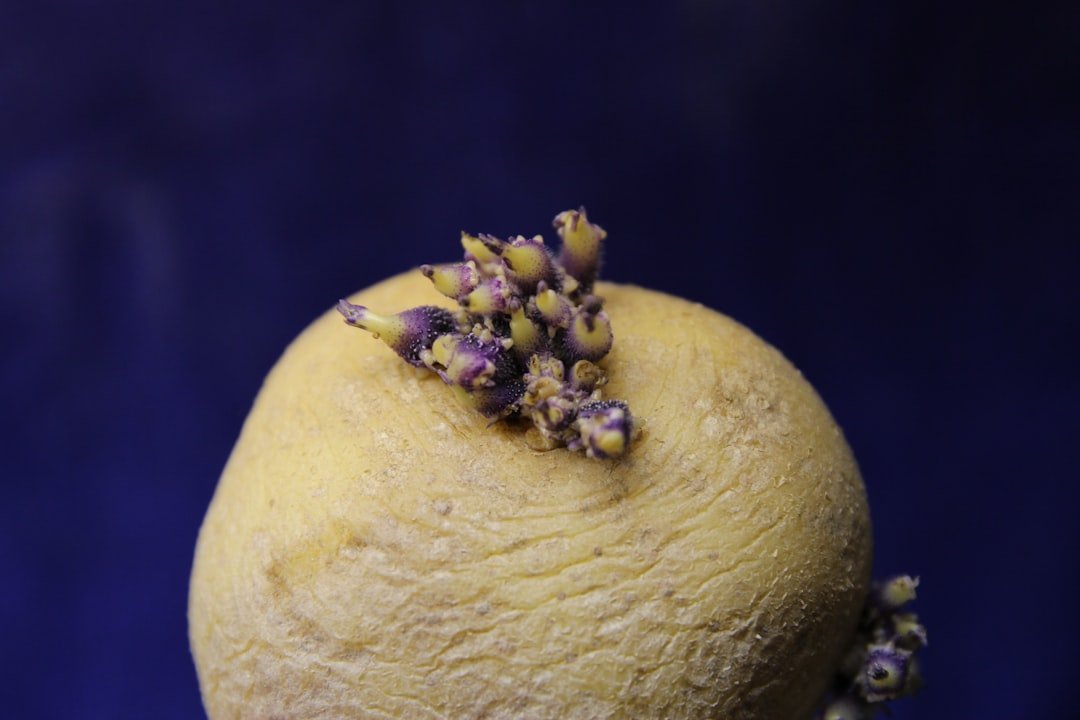
Proper storage is essential for maintaining the quality of harvested purple potatoes over time. Ideally, they should be stored in a cool (around 45°F or 7°C), dark place with good ventilation to prevent sprouting and decay. A root cellar or a dedicated storage area in a basement can provide ideal conditions for long-term storage.
It is important to keep harvested potatoes away from direct sunlight and moisture; exposure can lead to greening or rot. Storing them in breathable containers such as burlap sacks or cardboard boxes allows air circulation while protecting them from light. Regularly checking stored potatoes for signs of spoilage is also crucial; any affected tubers should be removed immediately to prevent them from affecting others.
Cooking and Eating Purple Potatoes: Delicious Recipes to Try
The culinary versatility of purple potatoes makes them an exciting ingredient in various dishes. Their vibrant color adds visual appeal to meals while their unique flavor enhances traditional recipes. One popular way to enjoy purple potatoes is by roasting them with olive oil, garlic, and fresh herbs like rosemary or thyme; this method brings out their natural sweetness while creating a crispy exterior.
Another delightful option is making purple potato gnocchi—a twist on the classic Italian dish that showcases their stunning color. Simply boil peeled purple potatoes until tender, mash them with flour and egg yolk until a dough forms, then shape into small dumplings before boiling again until they float. Tossing these gnocchi with sage butter or a light cream sauce elevates this dish into a gourmet experience.
Health Benefits of Purple Potatoes
Beyond their culinary appeal, purple potatoes offer numerous health benefits that make them an excellent addition to any diet. Rich in antioxidants due to their anthocyanin content, they help combat oxidative stress in the body and may reduce inflammation. Studies have shown that consuming foods high in anthocyanins can lower blood pressure and improve cardiovascular health.
Additionally, purple potatoes are an excellent source of vitamins C and B6 as well as potassium—nutrients essential for maintaining overall health. Their high fiber content aids digestion and promotes gut health while providing a satisfying feeling of fullness that can assist with weight management. Incorporating purple potatoes into meals not only enhances flavor but also contributes positively to nutritional intake.
Enjoying the Rewards of Growing Purple Potatoes
Growing purple potatoes offers both aesthetic pleasure and nutritional benefits that enrich any garden or kitchen experience. From selecting the right variety to understanding their care requirements and culinary uses, cultivating these vibrant tubers can be a rewarding endeavor for gardeners at any skill level. With proper attention to detail throughout their growth cycle—from planting through harvesting—gardeners can enjoy bountiful yields of this unique crop.
As interest in heirloom varieties continues to grow alongside a focus on healthful eating practices, purple potatoes stand out as an exceptional choice for those looking to diversify their gardens while reaping numerous health benefits. Whether roasted, mashed, or incorporated into innovative recipes, these colorful tubers provide an opportunity not only to enjoy delicious meals but also to celebrate the beauty of nature’s bounty.
FAQs
What are purple potatoes?
Purple potatoes are a type of potato with a vibrant purple skin and flesh. They are rich in antioxidants and have a slightly nutty flavor.
How do you grow purple potatoes?
To grow purple potatoes, you will need to plant seed potatoes in well-drained, loose soil with a pH of 5.8-6.5. Plant the seed potatoes in a sunny location and keep the soil consistently moist. As the potatoes grow, mound soil around the plants to protect the tubers from sunlight.
When is the best time to plant purple potatoes?
Purple potatoes should be planted in early spring, once the soil temperature reaches around 45-50°F (7-10°C). This is typically around 2-4 weeks before the last expected frost date.
How long does it take to grow purple potatoes?
It takes approximately 90-120 days for purple potatoes to reach maturity. The exact timing will depend on the specific variety of purple potato and growing conditions.
How do you harvest purple potatoes?
Purple potatoes are ready to harvest when the plants have died back and the skins of the potatoes have set. Carefully dig up the potatoes, being careful not to damage the tubers. Allow the potatoes to cure in a cool, dark place for 1-2 weeks before storing.
Can purple potatoes be grown in containers?
Yes, purple potatoes can be grown in containers. Choose a container that is at least 16 inches deep and wide, and fill it with well-draining soil. Plant the seed potatoes and follow the same care and maintenance as you would for potatoes grown in the ground.